How to Grow HUGE Elephant Ear Plants
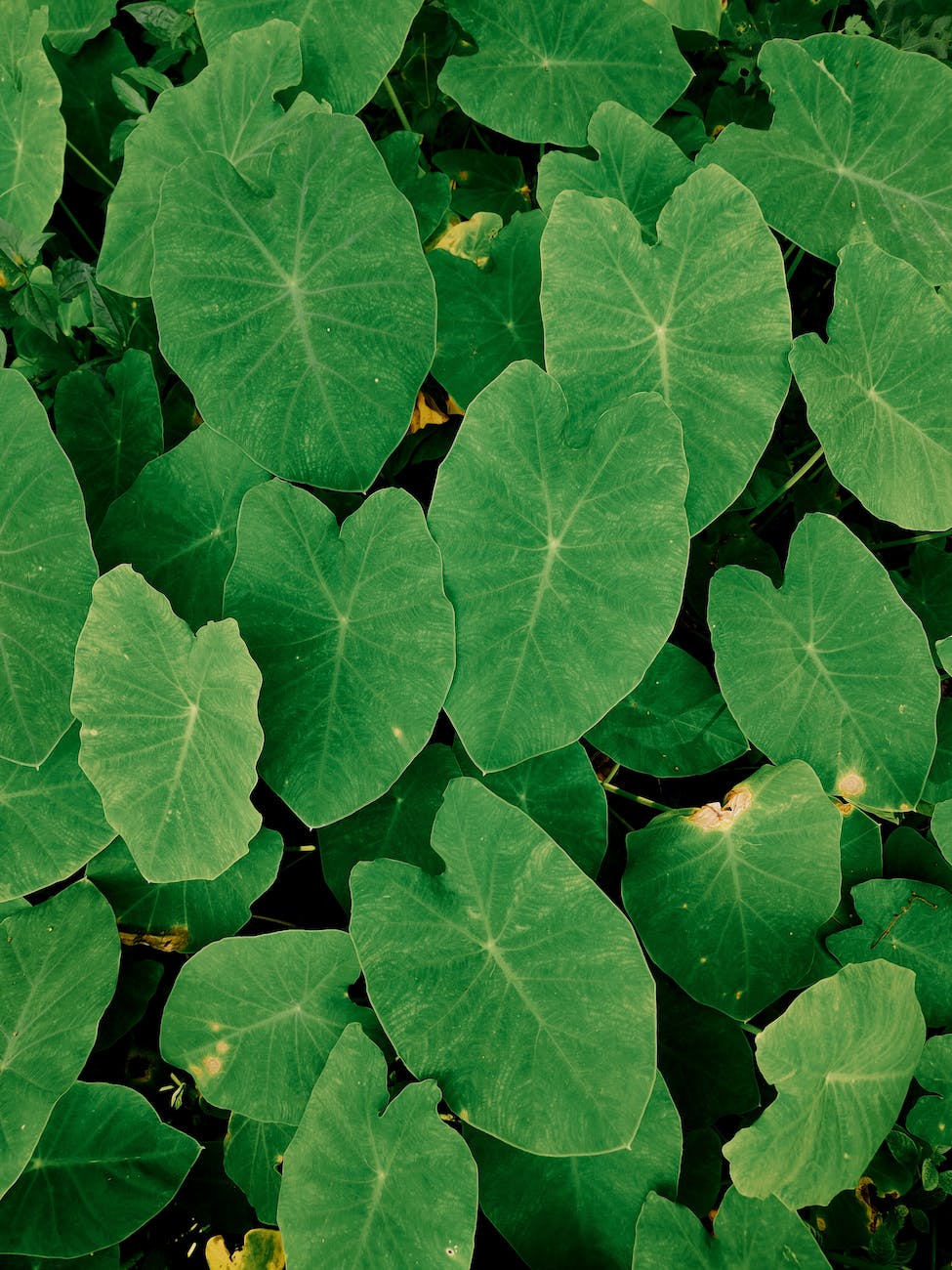
How to Grow Huge Elephant Ear Plants
Elephant ear plants are known for their massive, tropical leaves but not every plant reaches its full size potential. Some stay small, slow, or underwhelming even when they are healthy.
The difference between a small plant and a giant, lush elephant ear usually comes down to growing conditions rather than the plant itself.
In this guide, I’ll break down exactly what elephant ears need to grow huge leaves, what commonly holds them back, and how to create the ideal environment for maximum growth.

This blog post may contain affiliate links. I may earn a small commission to fund my houseplant habit if you use these links to make a purchase. You will not be charged extra, and you’ll keep me in the garden. It’s a win for everyone, really.
Why Your Elephant Ear Isn’t Growing Big Leaves
If your elephant ear is growing, but the leaves stay small, it’s almost always due to environmental stress rather than a problem with the plant itself.
The most common reasons include:
- Not enough consistent warmth
- Insufficient fertilizer or nutrients
- Too little light (or too much harsh sun)
- Soil that dries out too often
- Being root-bound in a small container
- Plant variety (some naturally stay smaller)
Even a healthy elephant ear will stay compact if conditions aren’t ideal. These plants only reach their full size when they are growing in near-optimal tropical-like conditions.
The Secret to Huge Elephant Ear Leaves
If you want large, dramatic elephant ear leaves, you need to focus on five key growth drivers. When all of these are in place, the plant can grow rapidly and produce much larger foliage.
1. Heat (Most Important Factor)
Elephant ears thrive in warm conditions. Growth slows significantly when temperatures drop below 70°F. For the biggest leaves, aim for steady warmth day and night.
2. Consistent Moisture
These plants are heavy water users. Dry soil stress will immediately reduce leaf size. Keep soil evenly moist, especially during peak growing season.
3. Rich Soil + Nutrients
Elephant ears are heavy feeders. Without regular nutrients, they simply won’t have the energy to produce large leaves.
Feed regularly during active growth with a balanced fertilizer or organic amendments like compost.
4. Bright Light (But Not Stressful Sun)
Most elephant ears prefer bright, filtered light or morning sun with afternoon shade. Too little light leads to weak growth, but harsh afternoon sun can stunt or burn leaves.
5. Space to Grow
Root restriction is one of the most overlooked reasons for small leaves. In containers, upgrading pot size or refreshing soil can dramatically increase leaf size.

Watering for Maximum Growth
- Keep soil consistently moist
- Never allow long dry periods
- Increase watering during heat waves
- Reduce slightly in cooler months
- Inconsistent watering is one of the fastest ways to limit leaf size.
Note that moist soil doesn’t mean soggy. Soggy soil can lead to root rot and root rot can kill your plants.
If you need help getting your Elephant Ear Bulbs started, check out this post before you get your bulbs started.

Fertilizer for Bigger Leaves
If you want bigger leaves, fertilizer is not optional it’s essential.
During the growing season, elephant ears benefit from regular feeding. You can use:
- Balanced liquid fertilizer every 2–4 weeks
- Slow-release fertilizer at planting time
- Organic options like compost tea or fish emulsion
Plants that are not fed regularly will survive, but they will stay small and produce fewer large leaves.
Best Soil for Giant Elephant Ears
To support large growth, elephant ears need soil that is both rich and moisture-retentive.
A good mix includes:
- Organic compost or aged manure
- Moisture-holding soil (like peat or coco coir)
- Perlite or sand for drainage
The goal is soil that stays consistently moist but does not become soggy. Poor drainage will limit growth, while overly fast-draining soil will stress the plant and reduce leaf size.
Container vs Ground Growth
Elephant ears grown in the ground usually grow larger than container plants because their roots can spread freely and access more nutrients and moisture.
However, container-grown plants can still reach impressive sizes if:
Fertilizer is applied regularly
The pot is large enough
Soil is nutrient-rich
Watering is consistent

Common Mistakes That Keep Elephant Ears Small
- Not enough fertilizer
- Allowing soil to dry out
- Planting in too much shade
- Using compact or poor soil
- Keeping them root-bound too long
- Expecting fast growth in cool temperatures
Elephant ear plants have the potential to become dramatic, oversized focal points in the garden—but only when their growing conditions match their tropical nature.
Warmth, water, nutrients, and space are the four biggest factors that determine leaf size. Once those needs are consistently met, you’ll start to see the large, lush foliage these plants are known for.
My Final Thoughts
Elephant ear plants have the potential to become dramatic, oversized focal points in the garden but only when their growing conditions match their tropical nature.
Warmth, water, nutrients, and space are the four biggest factors that determine leaf size. Once those needs are consistently met, you’ll start to see the large, lush foliage these plants are known for.
Want More?
Houseplants are gorgeous living home decor. It is worthwhile learning how to properly care for them.
IF YOU LIKE THIS POST
You might also like these:
- How to Overwinter Elephant Ear Plants
- Indoor Elephant Ear Plant Care Guide
- 5 Reasons Your Elephant Ear Bulb wont Grow
- How to Grow Huge Elephant Ear Plants
- How to wake up you Elephant Ear Bulbs
We’d love to hang out with you on our social channels. You can subscribe to our blog and find us on Facebook, Youtube, Instagram and Pinterest! Feel free to reach out if you have any plant questions!
DISCLOSURE
This blog post may contain affiliate links. Which means if you click on a link and go on to buy the product I recommend, I may get a small commission at no extra cost to you.
Thank you for your support. It means the world to us!

The Thrifted Planter
Ciearra is a gardener and houseplant enthusiast of over 10 years! She has been growing indoors and outdoors. Supplying food for her family and beautifying her home with annuals, perennials and houseplants! Ciearra is passionate about sharing her knowledge of plant care with anyone who needs help or a quick plant growth tip! When she’s not blogging you can find her tending to her chickens, dogs and hanging out with her family
3 responses to “How to Grow HUGE Elephant Ear Plants”
Leave a Reply
Nestera Chicken Coop

Botanical Interest
Garden Tower Project
Vego Gardens

Botanical Interests
Amazon Favorites!

Hoselink
Web Stories


[…] How to Grow Huge Elephant Ear Plants […]
[…] How to Grow Huge Elephant Ear Plants […]
[…] How to Grow HUGE Elephant Ear Plants […]