16 Plants That Make Your Garden a Tropical Paradise
Have you ever dreamed of stepping into your backyard and feeling like you’ve escaped to a tropical paradise? With lush oversized leaves, vibrant flowers, and layers of rich green foliage, a tropical garden can transform an ordinary landscape into a relaxing backyard retreat. The best part? You don’t have to live in Florida, Hawaii, or another tropical climate to create the look.
Whether you garden in a warm climate where tropical plants thrive year-round or, like me, grow them in a colder climate and overwinter your favorites, there are plenty of beautiful plants that can help you achieve that lush, exotic feel. From dramatic elephant ears and towering banana plants to colorful hibiscus and canna lilies, tropical plants add bold texture, vibrant color, and instant curb appeal to any garden.
In this guide, I’ll share some of my favorite tropical garden plants, along with tips for designing a tropical-inspired landscape, overwintering tender plants, and creating a backyard oasis you’ll enjoy all summer long.

This blog post may contain affiliate links. Which means if you click on a link and go on to buy the product I recommend, I may get a small commission at no extra cost to you.
How Do You Create a Tropical Garden?
A tropical garden combines bold foliage, colorful flowers, and layered plantings to create a lush, exotic landscape. You don’t have to live in a tropical climate to achieve the look. By growing plants like elephant ears, banana plants, canna lilies, caladiums, hibiscus, and ferns and incorporating containers, water features, and vertical elements you can create a tropical-inspired backyard in almost any growing zone.
Key Takeaways
- 🌴 Large-leaved plants create the biggest tropical impact.
- 🌺 Mix flowering plants with dramatic foliage for year-round interest.
- 🍃 Layer plants of different heights for a jungle-inspired look.
- 🪴 Containers make it easy to grow tropical plants in any size space.
- ❄️ Many tropical plants can be overwintered indoors or in a greenhouse.
- 🌿 Hardy plants like hostas, hardy hibiscus, and ferns can provide a tropical look even in colder climates.
Plants that turn your garden into a Tropical Paradise
Tropical gardens are all about creating a lush, vibrant, and exotic oasis in your own backyard. They are perfect for people who want to escape the everyday and transport themselves to a sun-drenched paradise.
Many of us in colder growing zones can only have these plants for a season and would either need to bring them indoors or, compost them or give them away. Those in warm zones can grow them outdoors year round! Here are my favorite tropical plants that pack a punch in the garden.

| Plant | Sun | Hardy? | Great for Containers? |
|---|---|---|---|
| Elephant Ear | Sun–Part Shade | Some varieties | ✅ |
| Banana Plant | Full Sun | Some varieties | ✅ |
| Canna Lily | Full Sun | Rhizomes lifted in cold zones | ✅ |
| Caladium | Part Shade–Shade | No | ✅ |
| Hibiscus | Full Sun | Hardy and tropical types available | ✅ |
| Bird of Paradise | Full Sun | No | ✅ |
| Ferns | Part Shade–Shade | Many are hardy | ✅ |
| Hardy Hibiscus | Full Sun | ✅ | ✅ |
Banana Trees
Banana trees are one of those plants that instantly make your garden feel like a tropical resort. Those giant, dramatic leaves blowing in the breeze? Pure vacation vibes.
Here’s what you need to know:
- Growing zones: Perennial in zones 8-11, grown as an annual in colder zones
- Sun: Full sun- they love it
- Height: Can grow anywhere from 6 to 20+ feet depending on the variety
- Care tip: They’re thirsty plants! Water regularly and give them rich, well-draining soil
- Cold zone tip: You can grow them in containers and bring them indoors before the first frost
Fun fact banana “trees” aren’t actually trees at all! They’re technically the largest herbaceous plants on Earth.
Read How to find your garden zone and why it’s important to know

Hibiscus
Hibiscus is one of those plants that makes people stop and stare. The blooms are absolutely gorgeous and they come in so many colors red, pink, orange, yellow, and purple. Did you know hibiscus flowers are also used to make tea? So pretty AND useful!
Here’s what you need to know:
- Growing zones: Perennial in zones 9-11, annual in colder zones
- Sun: Full sun for the best blooms
- Height: Typically 3-7 feet tall
- Care tip: Feed them with a high potassium fertilizer during blooming season to encourage more flowers
- Bonus: Hummingbirds absolutely love hibiscus!

Elephant Ears
Elephant Ears are a showstopper in any garden. Those huge, dramatic leaves in shades of green, purple, and even black make such a bold statement. If you want people to notice your garden, plant some Elephant Ears!
Here’s what you need to know:
- Growing zones: Perennial in zones 8-11, annual in colder zones
- Sun: Full sun to part shade
- Height: Some varieties can reach 6-9 feet tall with leaves up to 4 feet wide!
- Care tip: They love moisture don’t let them dry out. A good layer of mulch helps retain water
- Cold zone tip: Dig up the bulbs before frost and store them indoors over winter
👉Learn how to grow your own Elephant Ear Plants here!

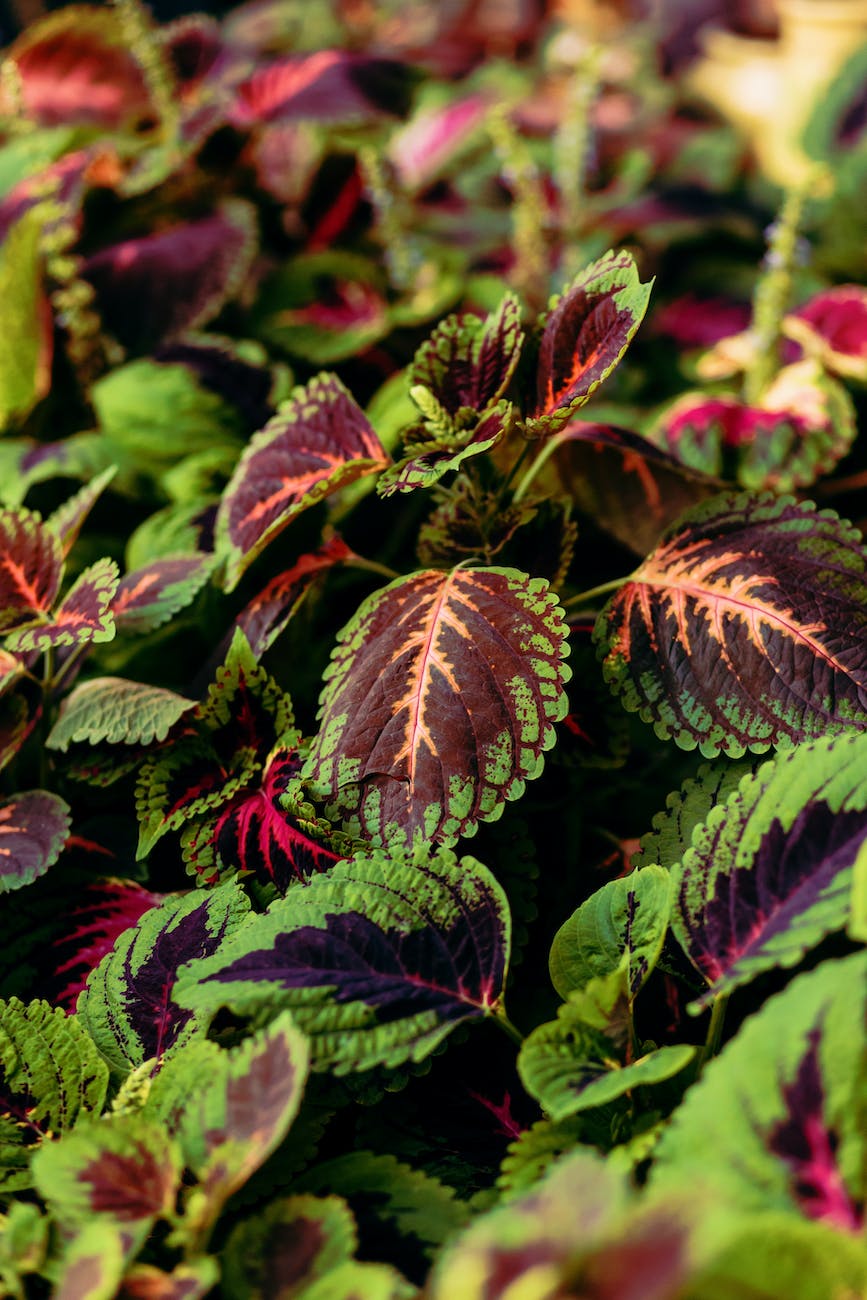
Coleus
Coleus might just be the most underrated tropical plant out there. They come in the most incredible range of colors greens, reds, pinks, purples, yellows often all on the same plant! They’re perfect for adding that pop of tropical color even in shadier spots.
Here’s what you need to know:
- Growing zones: Grown as an annual in most zones, perennial in zones 10-11
- Sun: Part shade to full shade (great for spots other plants struggle in!)
- Height: Usually 1-3 feet tall
- Care tip: Pinch off any flower buds that appear this keeps the plant bushy and the foliage looking its best
- Bonus: They’re incredibly easy to propagate from cuttings!
👉 Learn how to grow Coleus from seed here

Canna Lilies
Canna Lilies are a total garden powerhouse you get dramatic tropical foliage AND stunning blooms all in one plant. They grow fast, they’re tough, and they look absolutely incredible.
Here’s what you need to know:
- Growing zones: Perennial in zones 8-11, grown as an annual in colder zones
- Sun: Full sun is best
- Height: Depending on the variety, 18 inches all the way up to 8 feet tall
- Care tip: Plant the rhizomes in spring after your last frost date and give them plenty of water once they get growing
- Cold zone tip: Dig up rhizomes after the first frost, let them dry, and store in a cool dry place over winter
👉 Learn how to grow Canna Lilies in containers here

Ferns
There’s something so lush and dreamy about ferns blowing in the breeze. They bring a soft, feathery texture to the garden that balances out all the bold tropical leaves beautifully.
Here’s what you need to know:
- Growing zones: Varies by variety many are hardy in zones 3-9
- Sun: Shade to part shade perfect for those darker corners of your garden
- Height: Anywhere from 1 foot to 6 feet depending on the variety
- Care tip: Keep the soil consistently moist and rich in organic matter
- My favorite: Ostrich Ferns! Plant two and you’ll have five or six the following year they spread beautifully on their own

Palms
Nothing says tropical quite like a palm tree. Even if you live in a colder zone you can grow palms in containers during the warmer months and they add incredible height and drama to any garden space.
Here’s what you need to know:
- Growing zones: Perennial in zones 8-11 depending on the variety, container grown in colder zones
- Sun: Full sun
- Height: Varies wildly from compact 4-foot container palms to towering giants
- Care tip: Palms love well-draining soil they don’t like sitting in water
- Cold zone tip: Grow in a large container so you can bring it indoors before frost
Posts You May Be interested in!
- 5 Reasons Your Elephant Ear Bulb Won’t Grow
- How to Grow Huge Elephant Ear Plants
- How to Grow Coleus From Seed
- 10 Tips to Grow a HUGE Bird of Paradise Plant
Caladium
Think of Caladiums as Elephant Ears’ colorful little cousin! They have the same heart-shaped leaves but in the most stunning color combinations pink, red, white, green sometimes all at once on one leaf.
Here’s what you need to know:
- Growing zones: Perennial in zones 9-11, grown as an annual in colder zones
- Sun: Part shade to full shade they actually prefer it!
- Height: Usually 12-24 inches tall
- Care tip: They love humidity and warm temperatures don’t plant them out until nighttime temps are consistently above 60°F
- Cold zone tip: Dig up the tubers before frost and store them indoors over winter

Cordyline (TI Plant)
Cordyline is a bit of a hidden gem in the tropical plant world. Those long, strappy leaves in deep purples, reds, and pinks add such a dramatic, exotic look to the garden. They’re also incredibly low maintenance which is always a win!
Here’s what you need to know:
- Growing zones: Perennial in zones 9-11, container grown in colder zones
- Sun: Full sun to part shade
- Height: Usually 3-6 feet tall in the garden
- Care tip: They’re pretty drought tolerant once established but look their best with regular watering
- Cold zone tip: Grow in containers and bring indoors before frost they make great houseplants over winter!

Croton
Crotons are grown for their incredible foliage, and it’s easy to see why they’re a favorite for tropical gardens. Their glossy leaves come in stunning shades of yellow, orange, red, pink, and green, making them one of the most colorful foliage plants you can grow. Crotons instantly brighten up containers, patios, and garden beds while adding a bold tropical feel.
Here’s what you need to know:
- Growing zones: Perennial in Zones 10–12; grown as an annual or houseplant in colder climates
- Sun: Full sun to part shade (more sun brings out brighter leaf color)
- Height: 3–8 feet tall, depending on the variety
- Care tip: Keep the soil evenly moist and fertilize regularly during the growing season for the most vibrant foliage.
- Cold zone tip: Grow crotons in containers and bring them indoors before temperatures drop below 50°F. They make beautiful houseplants during the winter.

Rex Begonia
If you’re gardening in the shade, Rex begonias are a must-have. While their flowers are fairly modest, their foliage steals the show with dramatic patterns in silver, burgundy, pink, purple, and green. They’re perfect for softening the edges of a tropical container or brightening a shady patio.
Here’s what you need to know:
- Growing zones: Perennial in Zones 10–12; commonly grown as a houseplant or annual elsewhere
- Sun: Bright shade or partial shade
- Height: 12–18 inches tall
- Care tip: Rex begonias prefer consistently moist, well-draining soil and appreciate higher humidity.
- Cold zone tip: Bring containers indoors before the first frost and grow them near a bright window or under grow lights for winter.

Angel’s Trumpet (Brugmansia)
Angel’s Trumpet is one of the most dramatic plants you can add to a tropical garden. Its enormous, pendulous trumpet-shaped flowers can reach up to 12 inches long and fill the evening air with a sweet fragrance. It’s guaranteed to become a conversation piece wherever it’s planted.
Here’s what you need to know:
- Growing zones: Perennial in Zones 9–11
- Sun: Full sun to part shade
- Height: 6–15 feet tall
- Care tip: Feed regularly during the growing season and keep the soil consistently moist for the best flowering.
- Cold zone tip: Grow Angel’s Trumpet in a large container so you can move it indoors or into a greenhouse before frost.
- Safety note: All parts of Angel’s Trumpet are highly toxic if ingested, so plant it with care around children and pets.

Bougainvillea
Few plants produce as much color as bougainvillea. Its vibrant pink, purple, orange, red, and white bracts seem to cover the entire plant for months, making it one of the most eye-catching additions to a tropical landscape. It’s perfect for climbing over pergolas, fences, and trellises.
Here’s what you need to know:
- Growing zones: Perennial in Zones 9–11
- Sun: Full sun
- Height: 15–30 feet as a climbing vine (can be kept smaller in containers)
- Care tip: Bougainvillea blooms best when it receives plenty of sunshine and is allowed to dry slightly between waterings.
- Cold zone tip: Grow it in a container so it can be moved indoors before freezing temperatures arrive.

Lantana
Lantana is one of the easiest plants to grow if you want nonstop color all summer long. Its clusters of bright flowers attract butterflies, hummingbirds, and other pollinators while thriving in hot, sunny conditions. It’s an excellent choice for garden beds, borders, hanging baskets, and containers.
Here’s what you need to know:
- Growing zones: Perennial in Zones 8–11; annual elsewhere
- Sun: Full sun
- Height: 1–6 feet tall, depending on the variety
- Care tip: Lantana thrives in heat and is surprisingly drought tolerant once established.
- Cold zone tip: Most gardeners treat lantana as an annual, but container-grown plants can sometimes be overwintered indoors in a bright location.

Gunnera
If your goal is to create a garden that looks like a prehistoric rainforest, Gunnera is the plant for you. Often called giant rhubarb, this incredible perennial produces enormous leaves that can grow several feet across, instantly giving your landscape a bold tropical appearance. It’s especially striking near ponds, streams, or other moist areas.
Here’s what you need to know:
- Growing zones: Perennial in Zones 7–10 (with winter protection in colder parts of its range)
- Sun: Full sun to partial shade
- Height: 4–8 feet tall with leaves that can reach 6 feet or more across
- Care tip: Gunnera loves consistently moist, rich soil and performs best in areas that never completely dry out.
- Cold zone tip: In colder climates, protect the crown with a thick layer of mulch or cover it with its own leaves after frost to improve winter survival.

Bird of Paradise (Strelitzia reginae)
Bird of Paradise is one of those plants that instantly makes you feel like you’ve stepped into a tropical resort. With its large paddle-shaped leaves and unmistakable orange and blue flowers, this plant brings a dramatic, exotic look to patios, containers, and tropical garden designs. Even when it isn’t blooming, the bold foliage creates the lush, architectural feel that every tropical garden needs.
Here’s what you need to know:
- Growing zones: Perennial in Zones 10–12; grown as a container plant in colder climates
- Sun: Full sun to bright indirect light (more sun encourages better flowering)
- Height: 4–6 feet tall indoors; 6–10 feet or more outdoors in ideal conditions
- Care tip: Bird of Paradise prefers rich, well-draining soil and consistent moisture during the growing season. Fertilize regularly in spring and summer to encourage healthy growth and blooms.
- Cold zone tip: Grow Bird of Paradise in a large container and bring it indoors before temperatures drop below 50°F. It makes a beautiful statement houseplant during the winter months.

Plumeria (Frangipani)
Plumeria is the ultimate tropical vacation plant. Known for its beautifully fragrant flowers and its connection to tropical destinations like Hawaii, plumeria instantly brings a resort-like feel to any garden or patio. Its clusters of waxy blooms come in shades of white, pink, yellow, red, and orange, often with a sweet fragrance that makes evenings in the garden even more enjoyable.
While plumeria is a true tropical plant, gardeners in colder climates can still enjoy it by growing it in containers and bringing it indoors during the winter months.
Here’s what you need to know:
- Growing zones: Perennial in Zones 10–12; grown as a container plant in colder climates
- Sun: Full sun (at least 6 hours of direct sunlight daily)
- Height: 6–20 feet tall in tropical climates; typically smaller when grown in containers
- Care tip: Plumeria loves heat, sunshine, and well-draining soil. Allow the soil to dry slightly between waterings and fertilize regularly during the growing season to encourage abundant blooms.
- Cold zone tip: Grow plumeria in a container and move it indoors before temperatures drop below 50°F. During winter dormancy, it may lose its leaves and require less water until new growth begins in spring.

What Makes a Garden Feel Tropical?
You don’t have to live in Florida, Hawaii, or another tropical climate to create a lush, jungle-inspired garden. With the right combination of plants, textures, colors, and design elements, you can transform almost any outdoor space into a tropical oasis. Whether you garden in a warm climate or, like me, in Zone 6 Ohio, it’s possible to achieve that vacation-at-home feeling by choosing plants with bold foliage and layering them throughout your landscape.
The secret to a tropical-looking garden isn’t necessarily growing true tropical plants it’s creating the illusion of the tropics through thoughtful plant selection and garden design.
Large, Bold Foliage
One of the defining characteristics of a tropical garden is oversized foliage. Plants with large leaves instantly create a lush, exotic look and add dramatic texture to the landscape.
Some of the best foliage plants for a tropical garden include:
- Elephant ears (Colocasia and Alocasia)
- Banana plants (Musa species)
- Cannas
- Bird of Paradise
- Hardy hibiscus
- Hostas
- Large ferns
Mixing different leaf shapes, sizes, and shades of green creates depth and gives your garden a more natural, rainforest-inspired appearance.
Layer Your Plants
Tropical landscapes rarely have just one layer of plants. Instead, they feature a mix of heights and textures that mimic the layers of a jungle.
Try arranging your garden in layers:
Background (Tall Plants)
Use tall, statement plants to create structure and height.
Examples include:
- Banana plants
- Cannas
- Tall elephant ears
- Hardy hibiscus
- Ornamental grasses
Middle Layer
Fill the middle of your garden with plants that add texture and color.
Great choices include:
- Caladiums
- Coleus
- Crotons
- Mandevilla
- Smaller elephant ears
Front Layer
Finish the look with lower-growing plants that soften the edges and fill empty spaces.
Try planting:
- Ferns
- Sweet potato vine
- Creeping Jenny
- Impatiens
- Begonias
- Colorful annuals
Layering plants creates a fuller, more immersive garden and helps recreate the feeling of walking through a tropical landscape.

Add Bright Pops of Color
While lush green foliage forms the backbone of a tropical garden, colorful flowers and foliage add excitement and contrast.
Look for plants with vibrant shades of:
- Red
- Orange
- Yellow
- Pink
- Purple
Plants like hibiscus, mandevilla, canna lilies, caladiums, coleus, and lantana can provide season-long color while complementing the rich green backdrop.
Mix Different Leaf Shapes and Textures
A beautiful tropical garden isn’t just about large leaves it’s also about contrast.
Combine:
- Broad elephant ear leaves
- Fine, feathery fern fronds
- Upright ornamental grasses
- Glossy banana leaves
- Colorful caladium foliage
The more variety you include, the more dynamic and natural your garden will feel.
Use Containers to Create Instant Impact
Containers are one of the easiest ways to add a tropical feel to your garden. Large decorative pots filled with lush foliage can instantly transform patios, decks, and entryways.
Try using a “thriller, filler, and spiller” approach:
- Thriller: Banana plant, elephant ear, or canna
- Filler: Coleus, caladium, or begonias
- Spiller: Sweet potato vine or creeping Jenny
Grouping containers together creates the look of a dense tropical planting, even in small spaces.
Don’t Forget the Finishing Touches
Plants are the stars of a tropical garden, but the right accessories can complete the look.
Consider adding:
- Natural stone pathways
- Water features or fountains
- Bamboo accents
- Outdoor lanterns or string lights
- Decorative ceramic pots
- Comfortable seating surrounded by lush plants
These elements help create a relaxing space that feels like a tropical retreat.

My Favorite Way to Create a Tropical Garden
In my own Zone 6 Ohio garden, I love mixing tropical plants with hardy perennials to create a lush look all summer long. Elephant ears, canna lilies, banana plants, and colorful caladiums give my garden an exotic feel, while hostas, hardy hibiscus, and ferns provide structure and come back year after year. Growing many of my tropical plants in containers also makes it easy to move them indoors or into my greenhouse before the first frost, allowing me to enjoy them season after season.
The best part about creating a tropical garden is that you don’t need to live in a tropical climate. With the right combination of plants and a little creativity, you can enjoy a backyard that feels like a vacation every time you step outside.
Tropical Flowering Plants
Nothing brings a tropical garden to life quite like bold, colorful flowers. While dramatic foliage creates the lush backdrop, flowering tropical plants add vibrant pops of color and attract hummingbirds, butterflies, and other pollinators. Whether you’re planting garden beds or filling containers on your patio, these plants will help create that vacation-inspired look.
Hibiscus
Hibiscus is one of the most recognizable tropical flowering plants. Its large, colorful blooms come in shades of red, pink, orange, yellow, and white, making it a stunning focal point in the garden. Tropical hibiscus grows best in full sun and can be grown in containers so it can be moved indoors before winter in colder climates.
Mandevilla
Mandevilla is a fast-growing flowering vine that produces trumpet-shaped blooms all summer long. It thrives on trellises, arbors, fences, and obelisks, adding vertical interest to your tropical garden. Available in pink, red, and white, mandevilla loves warm weather and full sun.
Canna Lily
Cannas combine the best of both worlds with large tropical-looking leaves and brilliant flowers in shades of red, orange, yellow, coral, and pink. These easy-to-grow plants are perfect for creating height in garden beds and containers.
Bird of Paradise
If you’re looking for a true showstopper, Bird of Paradise delivers. Its unique orange and blue flowers resemble the head of an exotic bird and instantly give your garden a resort-like feel. In colder climates, it’s best grown in containers and overwintered indoors.
Plumeria (Frangipani)
Known for its wonderfully fragrant blooms, plumeria is a favorite in tropical landscapes. The flowers are commonly used in Hawaiian leis and bloom in shades of white, pink, yellow, and red. Although not winter hardy in most of the United States, plumeria grows beautifully in containers.
Bougainvillea
Bougainvillea produces masses of vibrant pink, purple, orange, red, and white bracts that can cover fences, pergolas, and walls with color. It thrives in hot, sunny locations and is often grown as a container plant outside tropical climates.
Angel’s Trumpet (Brugmansia)
Angel’s Trumpet is famous for its enormous, pendulous flowers and sweet evening fragrance. This dramatic plant can become the centerpiece of a tropical garden. Keep in mind that all parts of the plant are toxic if ingested, so plant it with care around children and pets.
Hardy Hibiscus
Hardy hibiscus offers huge dinner-plate-sized blooms that rival tropical hibiscus while surviving winters in many colder climates. It’s an excellent choice for gardeners who want a tropical look without the need to overwinter plants indoors.
Lantana
Lantana produces clusters of brightly colored flowers that bloom continuously from late spring until frost. It’s a favorite of butterflies and hummingbirds and performs well in containers, hanging baskets, and garden beds.
Pentas
Pentas are another excellent tropical-looking flowering plant that attracts butterflies and hummingbirds. Their star-shaped blooms appear in shades of pink, red, white, and purple throughout the growing season.

Plants That Look Tropical but Are Hardy
One of the biggest misconceptions about tropical gardens is that you have to live in a warm climate to enjoy one. Fortunately, many hardy perennials and shrubs have bold foliage or exotic-looking flowers that create the same lush appearance while returning year after year.
If you garden in a colder climate like I do in Zone 6 Ohio, mixing hardy plants with true tropicals is one of the easiest ways to create a tropical-inspired landscape without replacing every plant each spring.
Hardy Hibiscus (Hibiscus moscheutos)
Hardy hibiscus is one of the best plants for creating a tropical feel. Its enormous blooms can reach 8 to 12 inches across, and the large leaves give the plant an exotic appearance. Unlike tropical hibiscus, hardy hibiscus survives cold winters and returns every spring.
Elephant Ears (Hardy Colocasia Varieties)
Some varieties of elephant ears can survive winter in warmer growing zones or with protection. Even if you need to dig up the bulbs each fall, their massive leaves instantly create a lush, jungle-like atmosphere.
Canna Lilies
Although cannas are not winter hardy in every climate, the rhizomes are easy to dig up and store indoors until spring. Their colorful flowers and large paddle-shaped leaves make them one of the easiest ways to achieve a tropical look.
Japanese Fiber Banana (Musa basjoo)
The Japanese Fiber Banana is one of the most cold-hardy banana plants available. With winter protection, it can survive in USDA Zones 5–10. While it rarely produces edible fruit in colder climates, its enormous leaves create an unmistakably tropical appearance.
Hostas
Hostas may not be tropical plants, but many varieties have oversized leaves that mimic the lush foliage found in tropical landscapes. Pair them with elephant ears and ferns for a rich, layered garden design.
Ferns
Large ferns add soft texture and movement while helping recreate the understory of a rainforest. Hardy ferns return each year and thrive in shady areas where many tropical gardens naturally flourish.
Rodgersia
Rodgersia is an underused perennial with huge, textured leaves that resemble tropical foliage. It thrives in moist soil and partial shade, making it an excellent choice for woodland-inspired tropical gardens.
Gunnera
Often called the “giant rhubarb,” Gunnera produces enormous leaves that can make any garden feel like a prehistoric jungle. In colder climates, it requires winter protection, but the dramatic foliage is well worth the effort.
Fatsia japonica
In milder climates, Fatsia is an evergreen shrub with glossy, deeply lobed leaves that look incredibly tropical. Even where it’s not fully hardy, it can be grown in containers and moved to a protected location during winter.
Ornamental Grasses
Tall ornamental grasses like Miscanthus and switchgrass add height, movement, and texture to tropical-inspired gardens. Their graceful foliage pairs beautifully with bold-leaved plants and helps soften the overall design.
Design Tip
The most convincing tropical gardens usually combine both hardy plants and tropical plants. Use hardy perennials like hostas, ferns, hardy hibiscus, and ornamental grasses as the permanent structure of your garden, then add seasonal tropicals such as elephant ears, banana plants, caladiums, and mandevilla each spring. This approach gives you a lush, tropical landscape while keeping maintenance and yearly costs manageable.

Tropical Garden Ideas to Transform Your Backyard
Creating a tropical garden is about more than simply choosing tropical plants. The way you combine plants, containers, colors, and garden features can make your outdoor space feel like a lush retreat. Whether you have a sprawling backyard or a small patio, these tropical garden ideas will help you design a space that feels like a vacation right outside your door.
Create Layers for a Jungle-Inspired Look
One of the easiest ways to make your garden feel tropical is by planting in layers. Tropical landscapes are naturally dense, with tall plants creating a canopy, medium-sized plants filling the middle, and low-growing plants covering the ground.
Try layering plants like this:
Tall Plants (Back of the Bed)
- Banana plants
- Canna lilies
- Elephant ears
- Hardy hibiscus
- Ornamental grasses
Medium Height
- Caladiums
- Crotons
- Coleus
- Mandevilla on a trellis
- Hibiscus
Ground Layer
- Ferns
- Begonias
- Sweet potato vine
- Creeping Jenny
- Impatiens
Planting in groups rather than single specimens creates a fuller, more natural look and gives your garden that dense, rainforest-inspired feel.

Design a Tropical Container Garden
Don’t have space for a large garden? Containers are one of the easiest ways to create a tropical oasis.
Choose large decorative pots and combine plants using the classic thriller, filler, and spiller design.
For example:
Thriller
- Elephant ear
- Banana plant
- Canna lily
Filler
- Coleus
- Caladium
- Begonias
Spiller
- Sweet potato vine
- Creeping Jenny
- Trailing ivy
Group several containers together at different heights to create the appearance of a lush tropical landscape.
Add Vertical Interest
Tropical gardens feel immersive because your eyes are drawn upward as well as across the landscape.
Add height by incorporating:
- Trellises covered in mandevilla
- Obelisks with flowering vines
- Pergolas
- Tall palms in containers
- Hanging baskets filled with tropical plants
Vertical elements also make smaller gardens feel larger by drawing attention upward.
Include Water Features
Nothing says tropical paradise quite like the sound of moving water.
Even a small feature can dramatically change the atmosphere of your garden.
Ideas include:
- Bubbling fountains
- Pondless waterfalls
- Small garden ponds
- Ceramic water bowls
- Birdbaths surrounded by lush foliage
The combination of water and tropical plants creates a peaceful, resort-like setting that attracts birds and other wildlife.

Mix Bold Colors with Rich Green Foliage
The secret to a beautiful tropical garden is balancing colorful flowers with lush green leaves.
Try pairing:
- Bright orange cannas
- Red hibiscus
- Pink mandevilla
- Purple coleus
- Lime-green sweet potato vine
against the backdrop of oversized elephant ears, banana plants, and ferns.
This combination creates contrast without overwhelming the space.
Add Tropical Decor
Plants may be the stars of the show, but decorative accents help complete the tropical atmosphere.
Consider adding:
- Bamboo fencing
- Large ceramic planters
- Natural stone pathways
- Outdoor lanterns
- String lights
- Colorful outdoor cushions
- Teak or wicker furniture
These simple additions can make your garden feel like an outdoor living room inspired by a tropical resort.

Create a Relaxing Seating Area
A tropical garden is meant to be enjoyed, so be sure to include a comfortable place to sit.
Whether it’s a small bench tucked among the plants or a full patio set surrounded by lush foliage, having a dedicated seating area encourages you to spend more time outdoors.
Add a few finishing touches like:
- Outdoor rugs
- Decorative pillows
- Solar lighting
- Potted tropical plants around the seating area
The result is a cozy backyard retreat where you can relax with your morning coffee or unwind after a long day.
Use Lighting to Showcase Your Garden
Outdoor lighting can completely transform your tropical garden after sunset.
Consider using:
- Solar pathway lights
- Spotlights to highlight large foliage plants
- String lights overhead
- Lanterns on patios
- LED uplighting around banana plants or palms
Soft lighting creates a warm, inviting atmosphere and allows you to enjoy your tropical garden long after the sun goes down.
My Favorite Tropical Garden Tip
In my Zone 6 Ohio garden, I’ve found that mixing hardy perennials with tropical plants gives me the best of both worlds. I use hardy plants like hostas, ferns, and hardy hibiscus as the foundation of my garden, then add elephant ears, banana plants, caladiums, and canna lilies each spring for that lush, tropical feel.
Many of my tropical plants are grown in containers, making it easy to move them into my greenhouse before the first frost. This not only helps me save money by overwintering plants but also allows me to enjoy a tropical-inspired garden year after year without starting from scratch.
The best tropical gardens don’t happen overnight they’re built one beautiful plant at a time. Start with a few bold foliage plants, layer in colorful flowers, and create a space that makes you feel like you’ve escaped to your favorite vacation destination every time you step outside.

How to Overwinter Tropical Plants
One of the biggest concerns gardeners have about growing tropical plants is what to do when cold weather arrives. While many tropical plants can’t survive freezing temperatures outdoors, that doesn’t mean you have to buy new plants every spring. With a little planning, many tropical favorites can be overwintered and enjoyed year after year.
The best overwintering method depends on the type of plant you’re growing. Some tropicals can be brought indoors as houseplants, while others are best stored dormant until spring.
Bring Container Plants Indoors
Many tropical plants grow beautifully in containers, making them easy to move indoors before the first frost.
Plants that are commonly overwintered indoors include:
- Tropical hibiscus
- Bird of Paradise
- Plumeria
- Crotons
- Mandevilla
- Tropical palms
- Monstera
- Alocasia
Before bringing plants inside:
- Inspect leaves for insects.
- Wash the foliage with water.
- Treat for pests if necessary.
- Prune away damaged or dead growth.
- Gradually acclimate plants to indoor conditions.
Place plants near a bright window or under grow lights and reduce watering during the winter months since growth naturally slows.
Store Bulbs, Tubers, and Rhizomes
Some tropical plants can be dug up after the first light frost and stored dormant until spring.
These include:
- Elephant ears
- Caladiums
- Canna lilies
- Dahlias
- Gladiolus
After digging them up:
- Shake off excess soil.
- Allow them to dry for several days.
- Trim away old foliage.
- Store in peat moss, sawdust, or vermiculite.
- Keep them in a cool, dark, frost-free location until spring.
Properly stored bulbs and tubers can last for many years and save you money each growing season.
If you need more help we’ve got a guide titled How to Overwinter Elephant Ear Plants that can help you overwinter your plants

Use a Greenhouse
If you’re fortunate enough to have a greenhouse, it can dramatically extend the life of your tropical plants.
A greenhouse provides protection from frost while allowing plants to continue receiving natural light.
In my own greenhouse, I overwinter many of my favorite tropical plants, including anthuriums, tropical houseplants, and seedlings for the next growing season. Having a protected growing space has allowed me to enjoy plants that normally wouldn’t survive an Ohio winter.
Know Which Plants Can Stay Outside
Not every tropical-looking plant needs to come indoors.
Many hardy plants can remain in the landscape all winter, including:
- Hardy hibiscus
- Hostas
- Hardy ferns
- Ornamental grasses
- Japanese Fiber Banana (with winter protection in many zones)
Adding mulch around the base of these plants helps protect their roots during freezing temperatures.
Tropical Garden Design Tips
Designing a tropical garden is all about creating the feeling of abundance. Tropical landscapes are full of lush greenery, bold textures, vibrant flowers, and layered plantings that make you feel surrounded by nature. Fortunately, you can recreate that same atmosphere in almost any climate with thoughtful planning.
Plant in Groups
One of the easiest ways to create a tropical feel is by grouping similar plants together instead of scattering them throughout the garden.
Mass plantings of elephant ears, cannas, or caladiums create a much bigger visual impact than planting one of each.
Repeating the same plants throughout your garden also creates a cohesive, professionally designed look.

Think Big
Tropical gardens are known for dramatic foliage.
Don’t be afraid to choose plants with oversized leaves or tall growth habits.
Great statement plants include:
- Banana plants
- Elephant ears
- Bird of Paradise
- Cannas
- Hardy hibiscus
Large plants naturally draw the eye and become focal points in the landscape.
Mix Foliage Colors and Textures
A beautiful tropical garden isn’t just green.
Mix plants with:
- Deep green leaves
- Lime green foliage
- Burgundy leaves
- Variegated foliage
- Colorful flowers
Pair broad banana leaves with feathery ferns, upright ornamental grasses, and colorful caladiums for maximum visual interest.
Add Height Throughout the Garden
Create layers by incorporating plants of different heights.
Use:
- Tall plants in the back
- Medium plants in the middle
- Groundcovers in the front
You can also add height with trellises, pergolas, obelisks, and hanging baskets.

Incorporate Natural Materials
Natural materials help reinforce the tropical atmosphere.
Consider adding:
- Stone pathways
- Bamboo fencing
- Wooden planters
- Decorative rocks
- Driftwood
- Wicker furniture
These materials blend beautifully with lush foliage and create a relaxed outdoor retreat.
Don’t Forget Nighttime Appeal
Outdoor lighting can completely change the mood of a tropical garden.
Add:
Lighting allows you to enjoy your tropical paradise even after the sun goes down.

Frequently Asked Questions About Tropical Garden Plants
Can you create a tropical garden in a cold climate?
Absolutely! Even if you don’t live in a tropical region, you can create the look of a tropical garden by combining hardy plants with tropical annuals and container plants. Gardeners in colder climates often overwinter their favorite tropical plants indoors or in a greenhouse.
What plants make a garden look tropical?
Plants with large leaves, bold textures, and colorful flowers create the strongest tropical effect.
Some favorites include:
- Elephant ears
- Banana plants
- Cannas
- Hibiscus
- Caladiums
- Bird of Paradise
- Ferns
- Hardy hibiscus
What tropical plants grow well in containers?
Many tropical plants thrive in containers, including:
- Hibiscus
- Mandevilla
- Bird of Paradise
- Elephant ears
- Crotons
- Banana plants
- Palms
Containers make it much easier to move plants indoors before freezing temperatures arriv
Will tropical plants survive winter outdoors?
That depends on the plant and your growing zone.
True tropical plants usually need protection from frost, while hardy tropical-looking plants such as hardy hibiscus, hostas, ornamental grasses, and some banana varieties can survive winter in many climates.
What is the easiest tropical plant to grow?
Elephant ears, canna lilies, hardy hibiscus, and banana plants are some of the easiest tropical-looking plants for beginners because they grow quickly and create an instant impact in the garden.
Can I grow tropical plants in full sun?
Many tropical plants thrive in full sun, including cannas, hibiscus, banana plants, and mandevilla. Others, such as caladiums, ferns, and some elephant ears, prefer partial shade. Always check the growing requirements for each variety before planting.
How do I keep tropical plants looking healthy?
Healthy tropical plants need:
- Rich, well-draining soil
- Consistent watering
- Regular fertilizing during the growing season
- Plenty of sunlight based on the plant’s needs
- Protection from frost
Cleaning away dead leaves and spent flowers will also keep your tropical garden looking lush all season long.
What is the secret to creating a tropical garden?
The secret isn’t growing dozens of rare tropical plants it’s combining bold foliage, colorful flowers, layered plantings, and natural textures. By mixing tropical plants with hardy perennials and using containers to add height and flexibility, you can create a backyard that feels like a tropical escape no matter where you live.

My Final Thoughts
Creating a tropical-inspired garden is easier than you might think. With a combination of bold foliage, vibrant flowers, and thoughtful layering, you can transform your outdoor space into a lush retreat that feels like a vacation no matter where you live.
Even if you garden in a colder climate like I do here in Zone 6 Ohio, you can still enjoy many of these stunning plants by growing them as annuals, planting them in containers, or overwintering your favorites indoors or in a greenhouse. A little extra effort at the end of the season can reward you with beautiful tropical plants year after year.
If you’re new to tropical gardening, start with just a few easy-to-grow favorites. I recommend combining elephant ears, canna lilies, and coleus for an instant tropical look. These plants are easy to grow, complement each other beautifully, and create the lush, layered effect that makes tropical gardens so inviting.
The best gardens are the ones that reflect your personal style, so don’t be afraid to experiment with different plants, colors, and textures until you create a space you love spending time in.
I’d love to hear from you! Which tropical plant is your favorite, or which one are you excited to grow this season? Let me know in the comments below, and if you found this guide helpful, be sure to explore some of my other gardening articles for more tips on growing beautiful plants and creating the garden of your dreams.
Want More?
IF YOU LIKE THIS POST
You might also like these:
- How to properly water your houseplants
- Best soil to tropical houseplants
- Best Indoor Trailing Houseplants
We’d love to hang out with you on our social channels. You can subscribe to our blog and find us on Facebook, Youtube, Instagram and Pinterest! Feel free to reach out if you have any plant questions!
DISCLOSURE
This blog post may contain affiliate links. Which means if you click on a link and go on to buy the product I recommend, I may get a small commission at no extra cost to you.
Thank you for your support. It means the world to us!

The Thrifted Planter
Ciearra is a gardener and houseplant enthusiast of over 10 years! She has been growing indoors and outdoors. Supplying food for her family and beautifying her home with annuals, perennials and houseplants! Ciearra is passionate about sharing her knowledge of plant care with anyone who needs help or a quick plant growth tip! When she’s not blogging you can find her tending to her chickens, dogs and hanging out with her family
One response to “16 Plants That Make Your Garden a Tropical Paradise”
Leave a Reply
Nestera Chicken Coop

Botanical Interest
Garden Tower Project
Vego Gardens

Botanical Interests
Amazon Favorites!

Hoselink
Web Stories


[…] For 6 Plants that turn your garden into a Tropical Paradise read this! […]