27 Best Perennial Plants for Fall Color (That Bloom Until Frost)
Perennial Plants for Fall Color
When summer flowers begin to fade, your garden doesn’t have to lose its color. In fact, some of the most beautiful perennials put on their best show in late summer and fall. From vibrant purple asters and cheerful goldenrods to rich burgundy foliage and ornamental grasses that glow in the autumn sunlight, the right perennial plants can keep your landscape looking lively until the first hard frost.
Adding fall-blooming perennials to your garden isn’t just about extending the season of color. These late-season flowers provide an important source of nectar and pollen for bees, butterflies, and other pollinators when many summer blooms have finished. They also create stunning combinations with pumpkins, ornamental grasses, and colorful fall foliage, making your landscape feel full and vibrant long after most annuals have faded.
Whether you’re creating a brand-new perennial border or looking to refresh an existing flower bed, choosing plants that thrive in autumn will help you enjoy months of additional blooms with very little extra maintenance. Many of these hardy perennials return year after year, making them a beautiful and reliable investment for your garden.
In this guide, you’ll discover the best perennial plants for fall color, including long-blooming favorites, native pollinator plants, shade-loving options, and low-maintenance varieties that will keep your garden looking spectacular from late summer through the first frost.
Quick Answer
If your garden starts looking tired by late summer, fall-blooming perennials can keep it colorful until frost. Some of the best perennial plants for fall color include asters, sedum, chrysanthemums, Japanese anemones, goldenrod, Russian sage, turtlehead, coneflowers, Joe Pye weed, and hardy hibiscus. Many also provide valuable nectar for butterflies and bees when other flowers are fading.

27 Best Perennial Plants for Fall Color
Late-Blooming Perennials
These perennials steal the show with colorful flowers that bloom from late summer until frost.
- New England Aster (Symphyotrichum novae-angliae)
- New York Aster (Symphyotrichum novi-belgii)
- Sedum ‘Autumn Joy’ (Hylotelephium)
- Chrysanthemum
- Black-Eyed Susan (Rudbeckia)
- Coneflower (Echinacea)
- Helenium (Sneezeweed)
- Japanese Anemone
- Turtlehead (Chelone)
- Joe Pye Weed
- Ironweed
- Goldenrod
- Agastache (Hyssop)
- Salvia
- Boltonia
Perennials with Outstanding Fall Foliage
Not every fall plant needs flowers. These perennials produce stunning foliage that becomes even more colorful as temperatures cool.
- Bluestar (Amsonia hubrichtii)
- Coral Bells (Heuchera)
- Blood Geranium (Geranium sanguineum)
- Leadwort (Ceratostigma plumbaginoides)
- Barrenwort (Epimedium)
- Bergenia
- Autumn Fern
- Hardy Geranium
Ornamental Grasses for Autumn Color
Ornamental grasses add height, movement, texture, and incredible fall color.
- Little Bluestem
- Switchgrass
- Maiden Grass (Miscanthus sinensis)
- Feather Reed Grass (Calamagrostis × acutiflora)
Native Perennials for Fall Pollinators
These are excellent choices if you’d like to create a wildlife-friendly garden.
- New England Aster
- Goldenrod
- Joe Pye Weed
- Ironweed
- Turtlehead
- Bluestar
- Coneflower
- Black-Eyed Susan
Shade Perennials for Fall
If your garden receives less sun, these plants still provide beautiful autumn interest.
- Japanese Anemone
- Coral Bells
- Autumn Fern
- Barrenwort
- Bergenia
- Turtlehead
- Hardy Geranium
Best Drought-Tolerant Perennials
Looking for low-maintenance plants?
- Sedum
- Coneflower
- Black-Eyed Susan
- Agastache
- Salvia
- Bluestar
- Little Bluestem

More Shade Perennials for Fall
Just because your garden doesn’t receive full sun doesn’t mean you have to miss out on beautiful fall color. Many shade-loving perennials offer late-season blooms or colorful foliage that brightens woodland gardens, shaded borders, and areas beneath trees.
Japanese Anemone
One of the best flowering perennials for partial shade, Japanese anemones produce elegant pink or white blooms from late summer through fall. Their tall stems add movement and pair beautifully with hostas and ferns.
Coral Bells (Heuchera)
Coral bells are prized for their colorful foliage, which comes in shades of burgundy, purple, lime green, caramel, and silver. Many varieties become even richer in color as temperatures cool, providing interest long after flowering has ended.
Autumn Fern
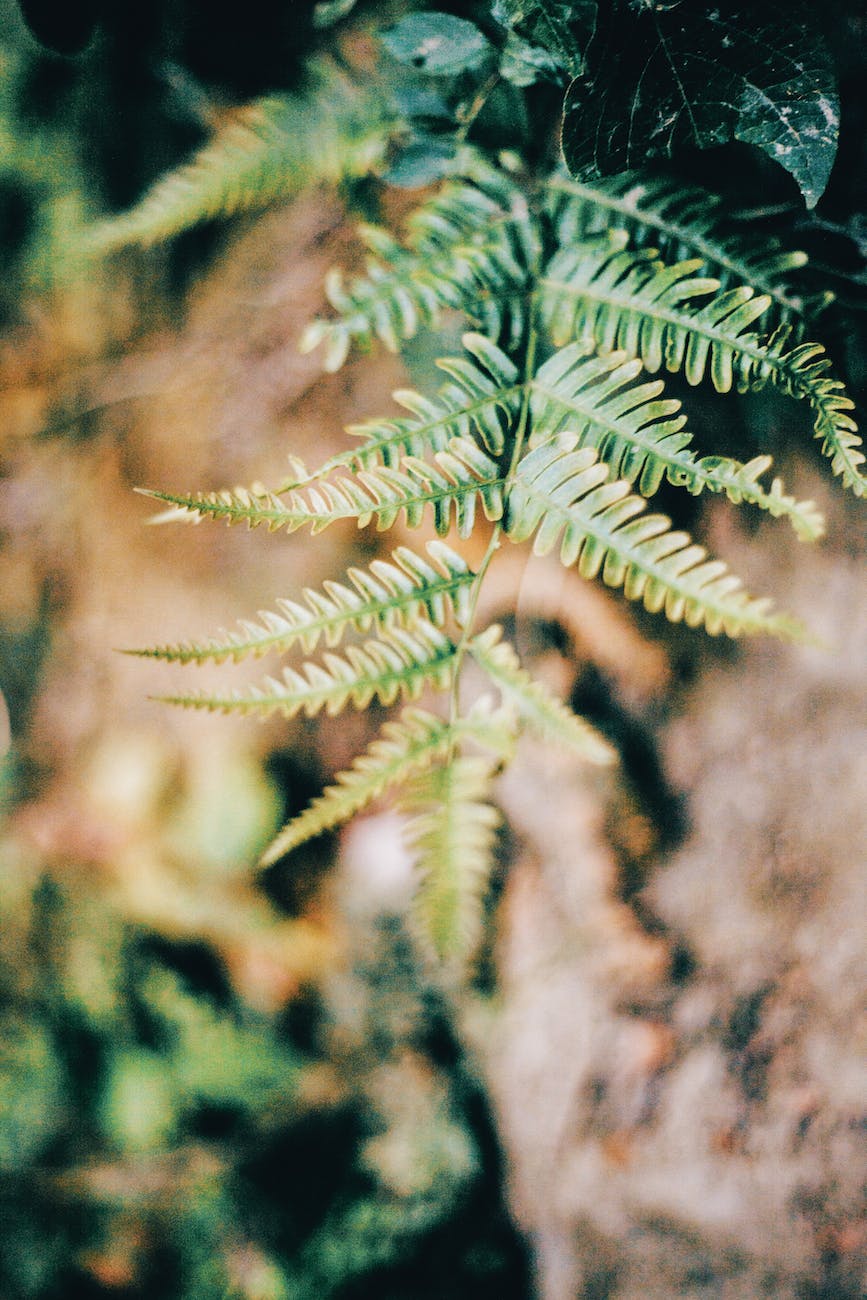
Autumn fern emerges with coppery-orange fronds in spring and maintains attractive foliage throughout the growing season. In autumn, it adds texture and warm color to shaded garden beds.
Barrenwort (Epimedium)
Barrenwort is an excellent ground cover for dry shade. Its heart-shaped leaves often develop red, bronze, or burgundy tones in fall, making it a valuable foliage plant for woodland gardens.
Bergenia
Often called pig squeak because of the sound its leaves make when rubbed together, Bergenia features glossy evergreen foliage that turns deep burgundy and purple after the first frost. It also produces clusters of pink flowers in early spring.
Turtlehead
Native turtlehead thrives in moist, partially shaded gardens. Its unique snapdragon-like flowers bloom in late summer and early fall, attracting bumblebees while adding a splash of pink or white to the landscape.
Hardy Geranium
Hardy geraniums provide months of attractive foliage that transforms into brilliant shades of crimson, orange, and red during autumn. They’re easy to grow and make excellent edging plants beneath shrubs and trees.

Best Drought-Tolerant Perennials for Fall Color
If you’re looking for plants that require less watering once established, these drought-tolerant perennials continue to perform beautifully even during dry late-summer weather. They’re ideal for low-maintenance landscapes, cottage gardens, and water-wise planting.
Sedum ‘Autumn Joy’
Sedums store water in their thick succulent leaves, making them exceptionally drought tolerant. Their flower heads gradually change from soft pink to rich bronze as fall progresses, providing months of color.
Coneflower (Echinacea)
Coneflowers are tough native perennials that tolerate heat, humidity, and dry soil with ease. Their colorful flowers bloom well into fall before producing seed heads that attract goldfinches and other birds.
Black-Eyed Susan
This cheerful native wildflower thrives in poor soils and hot, sunny locations. Once established, it requires very little supplemental watering while producing golden-yellow blooms for weeks.
Agastache (Hyssop)
Agastache produces tall spikes of fragrant flowers that hummingbirds, butterflies, and bees absolutely love. Its excellent drought tolerance makes it perfect for sunny borders and pollinator gardens.
Salvia
Many perennial salvias bloom repeatedly from late spring through fall with minimal care. Their spikes of blue, purple, pink, or red flowers add long-lasting color while thriving in dry conditions.
Bluestar (Amsonia)
Bluestar develops deep roots that allow it to withstand periods of drought. While its pale blue flowers appear in spring, its brilliant golden-yellow fall foliage is what truly makes it a standout.
Little Bluestem
This native ornamental grass requires very little maintenance and thrives in dry soils. By autumn, its blue-green foliage transforms into spectacular shades of copper, bronze, orange, and burgundy.
Tip: Drought-tolerant plants still need regular watering during their first growing season while they establish healthy root systems.
How to Create a Stunning Fall Perennial Garden
A beautiful fall garden doesn’t happen by accident. By combining plants with different bloom times, heights, textures, and foliage colors, you can enjoy a landscape that stays colorful from late summer until the first hard frost.
Start by planting taller perennials like Joe Pye weed, ironweed, and New England asters toward the back of your garden beds. Medium-sized plants such as coneflowers, sedums, and black-eyed Susans work well in the middle, while lower-growing plants like coral bells, leadwort, and hardy geraniums create an attractive border along the front.
For even more visual interest, mix flowering perennials with ornamental grasses. Plants like little bluestem, switchgrass, and feather reed grass add movement, texture, and warm golden tones that complement colorful flowers perfectly.
Aim for a variety of bloom times so your garden always has something putting on a show. Combine early fall bloomers like black-eyed Susans and coneflowers with late-season stars such as chrysanthemums, asters, and Japanese anemones to extend the display well into autumn.
Finally, don’t overlook foliage. Plants like bluestar, coral bells, bergenia, and blood geranium often become even more colorful as temperatures cool, adding brilliant shades of gold, burgundy, bronze, and crimson long after many flowers have faded.
With thoughtful planning, your perennial garden can remain one of the most colorful parts of your landscape from spring all the way through the first frost.

Read 13 Fall garden tasks to get done before winter here!
Best Perennial Plants for Fall Color Comparison Chart
| Plant | USDA Zones | Sun Requirements | Height | Bloom Time | Fall Interest | Pollinator Friendly |
|---|---|---|---|---|---|---|
| New England Aster | 3–8 | Full Sun | 3–6 ft | Aug–Oct | Purple, pink, or white flowers | 🐝 Yes |
| New York Aster | 4–8 | Full Sun | 2–4 ft | Aug–Oct | Lavender and purple blooms | 🐝 Yes |
| Sedum ‘Autumn Joy’ | 3–9 | Full Sun | 18–24 in | Aug–Oct | Pink flowers turn bronze | 🐝 Yes |
| Chrysanthemum | 5–9 | Full Sun | 1–3 ft | Sept–Nov | Bright fall blooms | 🐝 Yes |
| Japanese Anemone | 4–8 | Part Sun to Part Shade | 2–4 ft | Aug–Oct | Elegant pink or white flowers | 🐝 Yes |
| Goldenrod | 3–9 | Full Sun | 2–5 ft | Aug–Oct | Bright golden flowers | 🐝 Yes |
| Joe Pye Weed | 4–9 | Full Sun to Part Shade | 4–7 ft | Jul–Sept | Mauve flower clusters | 🐝 Yes |
| Ironweed | 4–9 | Full Sun | 4–7 ft | Jul–Sept | Deep purple blooms | 🐝 Yes |
| Helenium (Sneezeweed) | 3–8 | Full Sun | 3–5 ft | Jul–Oct | Red, orange, and yellow flowers | 🐝 Yes |
| Coneflower | 3–9 | Full Sun | 2–4 ft | Jun–Oct | Long-lasting blooms and seed heads | 🐝 Yes |
| Black-Eyed Susan | 3–9 | Full Sun | 2–3 ft | Jul–Oct | Bright yellow flowers | 🐝 Yes |
| Blanket Flower | 3–10 | Full Sun | 1–3 ft | Jun–Oct | Red and orange blooms | 🐝 Yes |
| Russian Sage | 4–9 | Full Sun | 3–5 ft | Jul–Oct | Silvery foliage and lavender flowers | 🐝 Yes |
| Salvia | 4–10 | Full Sun | 18–36 in | May–Oct | Purple, blue, or red flowers | 🐝 Yes |
| Turtlehead | 3–8 | Part Shade | 2–3 ft | Aug–Oct | Pink or white blooms | 🐝 Yes |
| Toad Lily | 4–9 | Shade to Part Shade | 2–3 ft | Sept–Oct | Orchid-like spotted flowers | 🐝 Yes |
| Hardy Hibiscus | 4–9 | Full Sun | 4–8 ft | Jul–Sept | Huge tropical-looking blooms | 🐝 Yes |
| Coreopsis | 4–9 | Full Sun | 1–3 ft | Jun–Sept | Yellow, red, or pink flowers | 🐝 Yes |
| Agastache | 5–10 | Full Sun | 2–4 ft | Jun–Oct | Colorful flower spikes | 🐝 Yes |
| Amsonia | 3–9 | Full Sun to Part Shade | 2–3 ft | Spring flowers; golden fall foliage | Brilliant yellow foliage | 🐝 Yes |
| Heuchera (Coral Bells) | 4–9 | Part Shade | 12–18 in | Late Spring–Summer | Colorful evergreen foliage | 🐝 Yes |
| Little Bluestem | 3–9 | Full Sun | 2–4 ft | Late Summer | Copper-orange foliage | No |
| Switchgrass | 4–9 | Full Sun | 3–6 ft | Late Summer | Red, burgundy, and gold foliage | No |
| Bergenia | 3–8 | Part Shade | 12–18 in | Spring flowers | Burgundy fall foliage | 🐝 Yes |
| Blood Geranium | 4–8 | Full Sun to Part Shade | 12–18 in | Late Spring–Fall | Brilliant red fall foliage | 🐝 Yes |

When to Plant Fall Perennials
Although these plants provide beautiful autumn color, the best time to plant most perennials is actually in the spring or early fall. Planting during these cooler seasons gives roots plenty of time to establish before extreme summer heat or winter cold arrives.
If you’re planting in the fall, aim to get your perennials in the ground at least six weeks before your area’s first expected frost. This gives the plants enough time to develop strong roots before the soil freezes. Water them regularly after planting and apply a layer of mulch to help conserve moisture and insulate the soil during winter.
Container-grown perennials can be planted throughout the growing season as long as they’re watered consistently, but spring and early fall remain the ideal planting windows for long-term success.
Tips for Planting Perennials
- Choose a location with the appropriate sunlight for each plant.
- Improve the soil by mixing in compost before planting.
- Dig a hole twice as wide as the root ball but no deeper.
- Water thoroughly after planting.
- Apply 2–3 inches of mulch while keeping it away from the crown of the plant.
- Continue watering during dry periods until the plant is well established.
How to Care for Fall-Blooming Perennials
Most fall-blooming perennials are surprisingly easy to grow once established. Providing the right growing conditions will reward you with years of beautiful flowers and colorful foliage.
Watering
Water newly planted perennials regularly during their first growing season. Once established, many varieties such as coneflowers, sedums, and black-eyed Susans become quite drought tolerant, while moisture-loving plants like turtlehead and Joe Pye weed appreciate consistently damp soil.
Fertilizing
Apply compost or a slow-release balanced fertilizer in early spring as new growth begins. Avoid applying high-nitrogen fertilizers late in the growing season since they encourage tender new growth that can be damaged by frost.
Deadheading
Removing spent flowers encourages some perennials, including salvias and coneflowers, to continue blooming longer. However, consider leaving seed heads on plants such as coneflowers, sedums, and black-eyed Susans in autumn. They provide winter interest and food for birds.
Dividing
Many perennials benefit from being divided every three to five years. Dividing overcrowded clumps improves airflow, encourages healthier growth, and gives you free plants to expand your garden or share with friends.
Winter Care
After the first hard frost, resist the urge to cut everything back immediately. Many seed heads provide food for birds, while hollow stems offer shelter for beneficial insects. Waiting until late winter or early spring to clean up your garden can help support local wildlife while protecting plant crowns from harsh winter weather.

Frequently Asked Questions
What are the best perennial plants for fall color?
Some of the best perennials for fall color include New England asters, sedum ‘Autumn Joy,’ chrysanthemums, coneflowers, goldenrod, Japanese anemones, black-eyed Susans, Joe Pye weed, and ornamental grasses like little bluestem and switchgrass.
Which perennials bloom the longest into fall?
Asters, chrysanthemums, sedums, salvias, coneflowers, black-eyed Susans, and Japanese anemones can continue blooming well into autumn, with many lasting until the first hard frost.
What perennials have colorful fall foliage?
Bluestar, coral bells, blood geranium, leadwort, bergenia, autumn fern, and little bluestem are all excellent choices for adding vibrant gold, bronze, burgundy, and red foliage to the fall garden.
What perennials attract butterflies in the fall?
New England asters, goldenrod, Joe Pye weed, ironweed, coneflowers, agastache, and turtlehead are all excellent nectar sources for butterflies and native bees during late summer and fall.
Can I plant perennials in the fall?
Yes! Early fall is one of the best times to plant many perennials. Plant them at least six weeks before your first expected frost so their roots have time to establish before winter.
Which fall perennials grow well in shade?
Japanese anemones, coral bells, turtlehead, autumn fern, barrenwort, bergenia, and hardy geraniums all perform well in partially shaded gardens while providing beautiful flowers or colorful foliage.
Should I cut back my perennials in the fall?
It depends on the plant. While some perennials can be cut back after frost, many gardeners prefer leaving seed heads and stems standing until late winter or early spring. This provides food and shelter for birds, butterflies, and beneficial insects while adding winter interest to the garden.
How can I keep my garden colorful until frost?
Plant a combination of early-, mid-, and late-season perennials alongside ornamental grasses and plants with colorful foliage. Layering bloom times and mixing flowers with foliage plants ensures your garden stays attractive from late summer through autumn.

My Final Thoughts
A fall garden can be just as colorful and inviting as one in spring or summer when you choose the right perennials. By combining late-blooming flowers with plants known for their brilliant autumn foliage, you can enjoy weeks of vibrant color while providing valuable food and habitat for pollinators preparing for winter.
Whether you love the cheerful blooms of chrysanthemums, the graceful beauty of Japanese anemones, or the golden foliage of bluestar, there’s a perennial for every garden style and growing condition. With a little planning, your landscape can remain full of life, texture, and color long after many summer flowers have faded.
Which perennial is your favorite for adding fall color? Let us know in the comments we’d love to hear what’s growing in your garden!
Want To Learn More?
IF YOU LIKE THIS POST
You might also like these:
We’d love to hang out with you on our social channels. You can subscribe to our blog and find us on Facebook, Youtube, Instagram and Pinterest! Feel free to reach out if you have any plant questions!
DISCLOSURE
This blog post may contain affiliate links. Which means if you click on a link and go on to buy the product I recommend, I may get a small commission at no extra cost to you.
Thank you for your support. It means the world to us!

The Thrifted Planter
Ciearra is a gardener and houseplant enthusiast of over 10 years! She has been growing indoors and outdoors. Supplying food for her family and beautifying her home with annuals, perennials and houseplants! Ciearra is passionate about sharing her knowledge of plant care with anyone who needs help or a quick plant growth tip! When she’s not blogging you can find her tending to her chickens, dogs and hanging out with her family
One response to “27 Best Perennial Plants for Fall Color (That Bloom Until Frost)”
Leave a Reply
Nestera Chicken Coop

Botanical Interest
Garden Tower Project
Vego Gardens

Botanical Interests
Amazon Favorites!

Hoselink
Web Stories


[…] Read 23 Perennials for fall color here! […]