How to Grow Your Own Herbal Tea Garden at Home!
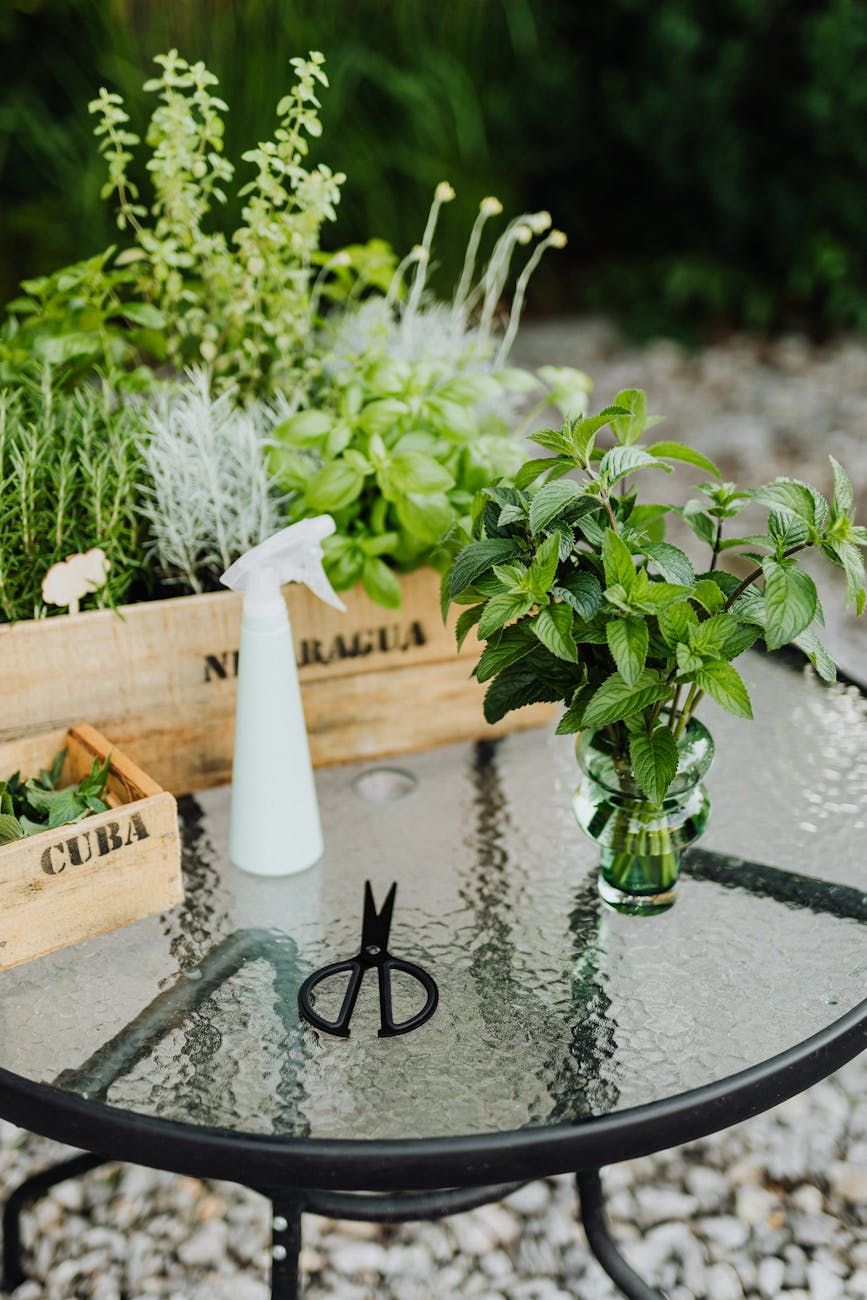
There’s something magical about sipping a cup of tea made from the herbs you grew yourself. 🌱 Whether you’re drawn to herbal teas for their soothing flavors, healing properties, or sustainability, learning how to grow your own herbal tea garden at home is one of the most rewarding and mindful gardening experiences you can have.
We’re going to show you how to design, plant, and care for an herbal tea garden that fits your lifestyle whether it’s a few pots on a balcony, a raised bed in your backyard, or an indoor windowsill garden. You’ll discover the best herbs for tea, how to grow them organically, when to harvest and dry your leaves and flowers, and how to blend your own teas for wellness and relaxation.

🌿 How to Grow an Herbal Tea Garden at Home: Organic, Sustainable, & Easy
🌸 1. Why Grow Your Own Herbal Tea Garden
Growing your own tea herbs is about more than just fresh flavor it’s a lifestyle choice rooted in sustainability, wellness, and mindfulness. Store-bought teas often contain hidden additives, preservatives, or low-quality herbs. When you grow your own, you control every step, from seed to sip.
Benefits include:
- 🌱 Freshness: Herbal teas made from freshly dried leaves retain more nutrients and essential oils.
- 💚 Sustainability: Reduce packaging waste and your carbon footprint.
- 🏡 Aesthetic & therapeutic value: Tea gardens add beauty and fragrance to your space while offering a calming daily ritual.
🌿 2. Planning Your Herbal Tea Garden
Start by deciding what you want your tea garden to do for you. Are you growing herbs for relaxation, energy, immune support, or simply flavor?
Examples of herbal goals:
- Relaxing blends: Chamomile, lemon balm, lavender
- Energizing teas: Peppermint, lemongrass, rosemary
- Immune-boosting blends: Echinacea, thyme, sage
Sketch your space even a few pots on a balcony can become a mini tea oasis.
☀️ 3. Choosing the Right Location
Herbs love full sun (6+ hours daily), though some, like mint and lemon balm, prefer partial shade.
If you’re short on outdoor space, a sunny windowsill or grow light setup works beautifully.
Quick tips:
- South-facing windows get the best light.
- Use containers with good drainage holes.
- Rotate plants weekly for even growth.
🌼 4. Best Herbs to Grow for Tea
Here are some must-have herbs for your organic tea garden:
| Herb | Flavor | Benefits | Growing Notes |
|---|---|---|---|
| Chamomile | Floral, sweet | Calming, sleep aid | Full sun, well-drained soil |
| Peppermint | Cool, refreshing | Digestive aid | Partial shade, moist soil |
| Lemon Balm | Citrus, gentle | Stress relief | Partial sun, spreads easily |
| Lavender | Floral | Relaxation, mood support | Full sun, dry soil |
| Lemongrass | Citrusy | Detoxifying, energizing | Full sun, warm weather |
| Echinacea | Earthy | Immune support | Full sun, drought tolerant |
| Rosemary | Woody | Focus, mental clarity | Full sun, prune regularly |
Expert Tip: Choose 4–6 herbs that suit your taste and climate for a manageable start.

🌾 5. Companion Planting for Tea Herbs
Companion planting encourages healthier growth and natural pest resistance.
- Chamomile enhances the flavor and growth of nearby herbs.
- Mint repels aphids and ants (but plant in containers to control spreading).
- Basil and lemon balm attract pollinators.
🌱 6. Organic Gardening Tips
Go chemical free! Here’s how to keep your garden thriving naturally:
- Use compost tea or worm castings for nutrients.
- Apply mulch to retain moisture and regulate temperature.
- Add beneficial insects like ladybugs for natural pest control.
🌾 7. Starting Herbs from Seeds vs. Seedlings
Seeds: Offer more variety and are cost-effective. Start indoors 6–8 weeks before last frost.
Seedlings: Save time and are ideal for beginners.
Use a seed starting mix, grow lights, and a humidity dome for best germination results.
🌿 8. Soil Mix & Container Options
Herbal tea plants love well-draining soil.
DIY mix:
- 1 part organic potting soil
- 1 part perlite
- 1 part compost
Choose terra cotta pots or recycled containers with drainage holes. Raised beds are perfect for larger gardens.

💧 9. Watering & Fertilizing Naturally
Most tea herbs prefer evenly moist soil not soggy.
Water when the top inch of soil feels dry. Use rainwater or filtered water if possible.
Feed every 3–4 weeks with a diluted organic liquid fertilizer like fish emulsion or seaweed extract.
🐞 10. Pest Control Without Chemicals
Avoid synthetic pesticides! Instead:
- Spray diluted neem oil to deter aphids and spider mites.
- Encourage bees and ladybugs for natural balance.
- Use companion herbs like basil and mint to repel pests.
🌸 11. Harvesting Your Herbs
Harvest in the morning after dew has dried but before the sun gets hot that’s when oils are most concentrated.
Use clean scissors to snip stems just above a leaf node. Never remove more than one-third of the plant at a time.

🌞 12. How to Dry Herbs for Tea
Air drying is easiest and preserves aroma.
- Tie herbs in small bundles and hang upside down in a dark, dry room.
- Or, use a dehydrator on the lowest setting.
Once crisp, store in airtight glass jars away from sunlight.
For more in-depth drying techniques read this!
🍵 13. Creating Your, Own Herbal Tea Blends
Mix and match flavors for a personalized tea experience:
- Relaxing blend: Chamomile + lavender + lemon balm
- Detox blend: Lemongrass + mint + ginger
- Immune boost: Echinacea + thyme + lemon peel
Experiment with proportions until you find your perfect cup!
🌍 14. Storing Your Homegrown Tea
Keep your dried herbs in mason jars or tinted glass containers.
Label each jar with the herb name and harvest date.
Avoid plastic bags they trap moisture and degrade flavor.
🌎 15. Sustainable Tea Garden Practices
- Use rain barrels for watering.
- Compost spent herbs and stems.
- Reuse containers and reduce waste.
- Save seeds from your healthiest plants for next year.

🌿 Quick Takeaways
- You can grow a thriving herbal tea garden indoors or outdoors.
- Start with 4–6 herbs that suit your taste and climate.
- Dry herbs carefully for best flavor and longevity.
- Mix your own blends for relaxation, energy, or wellness.
- Practice organic, sustainable methods for long-term success.
🍃 FAQs
1. Can I grow an herbal tea garden indoors?
Yes! Many herbs like mint, chamomile, and lemon balm grow well under grow lights or on sunny windowsills.
2. How long does it take to harvest tea herbs?
Most herbs are ready for harvest within 6–10 weeks, depending on variety and growing conditions.
3. Are all herbs safe for tea?
No, always research herbs before brewing, as some may not be safe for consumption or may interact with medications.
4. How do I make my tea stronger?
Use more dried leaves or steep longer for a bolder flavor.
5. Can I freeze herbs instead of drying them?
Yes, freezing is a quick way to preserve freshness, though it can alter flavor slightly.
Growing your own herbal tea garden is more than a hobby it’s a mindful practice that connects you to nature, wellness, and sustainability. Whether you’re sipping calming chamomile after a long day or energizing lemongrass in the morning, each cup tells the story of your garden’s care and your commitment to living more intentionally.
Start small, stay curious, and enjoy every cup of tea. 🌿🍵
💬 Let’s Chat
What’s your favorite tea herb to grow or drink? Share it in the comments below I’d love to know!
If you found this post helpful, don’t forget to share it on Pinterest or Facebook to inspire more tea lovers to grow their own gardens. 🌸
Want To Learn More?
IF YOU LIKE THIS POST
You might also like these:
- How to Get Your Orchids to Bloom Again!
- How to Display Your Orchids Beautifully
- Orchid Care Mistakes to Avoid!
We’d love to hang out with you on our social channels. You can subscribe to our blog and find us on Facebook, Youtube, Instagram and Pinterest! Feel free to reach out if you have any plant questions!

The Thrifted Planter
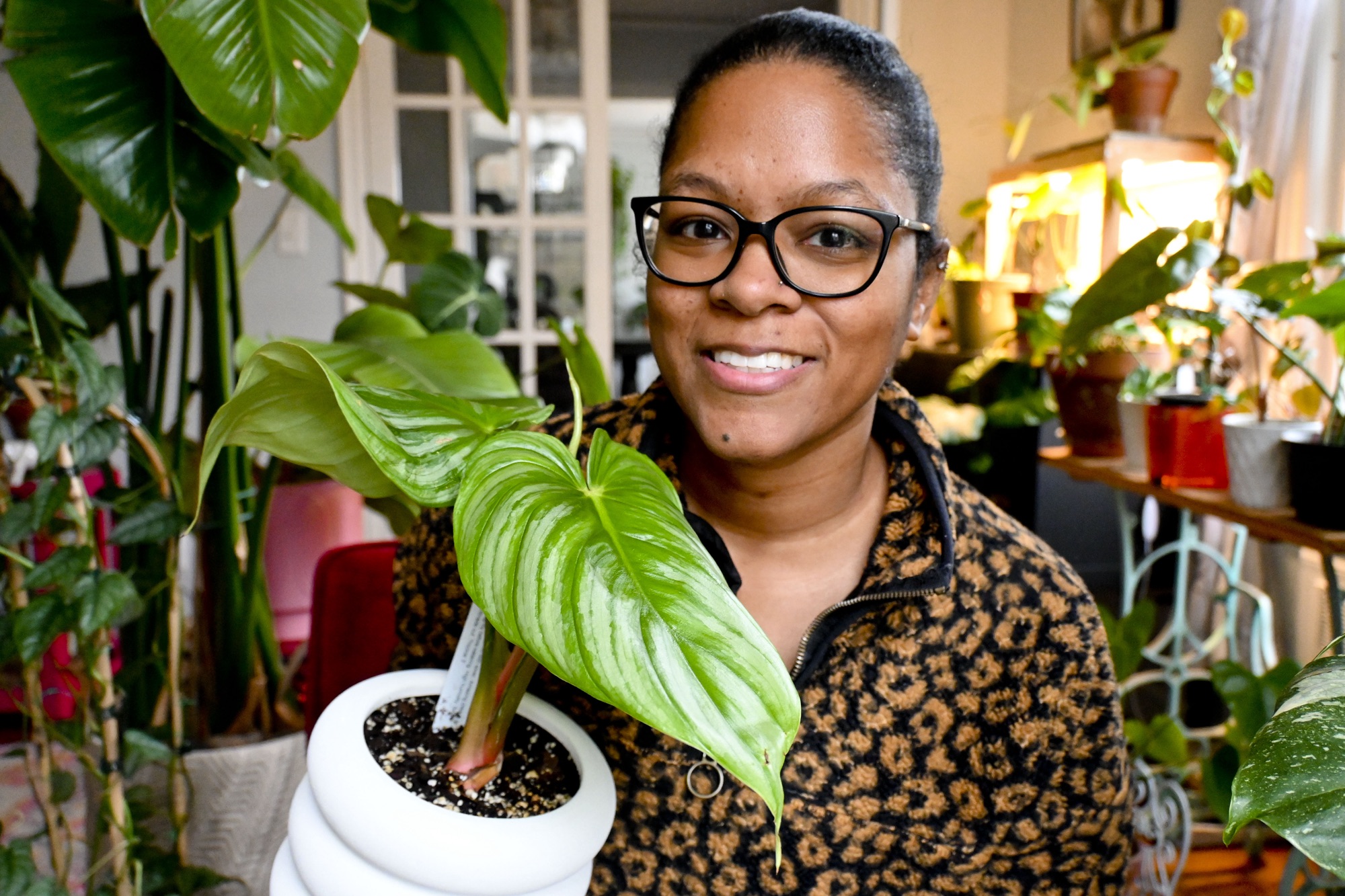
Ciearra is a gardener and houseplant enthusiast of over 10 years! She has been growing indoors and outdoors. Supplying food for her family and beautifying her home with annuals, perennials and houseplants! Ciearra is passionate about sharing her knowledge of plant care with anyone who needs help or a quick plant growth tip! When she’s not blogging you can find her tending to her chickens, dogs and hanging out with her family
Nestera Chicken Coop

Botanical Interest
Garden Tower Project
Vego Gardens

Botanical Interests
Amazon Favorites!

Hoselink
Web Stories


