Orchid Plant Care Mistakes Every Beginner Makes (And How to Fix Them)
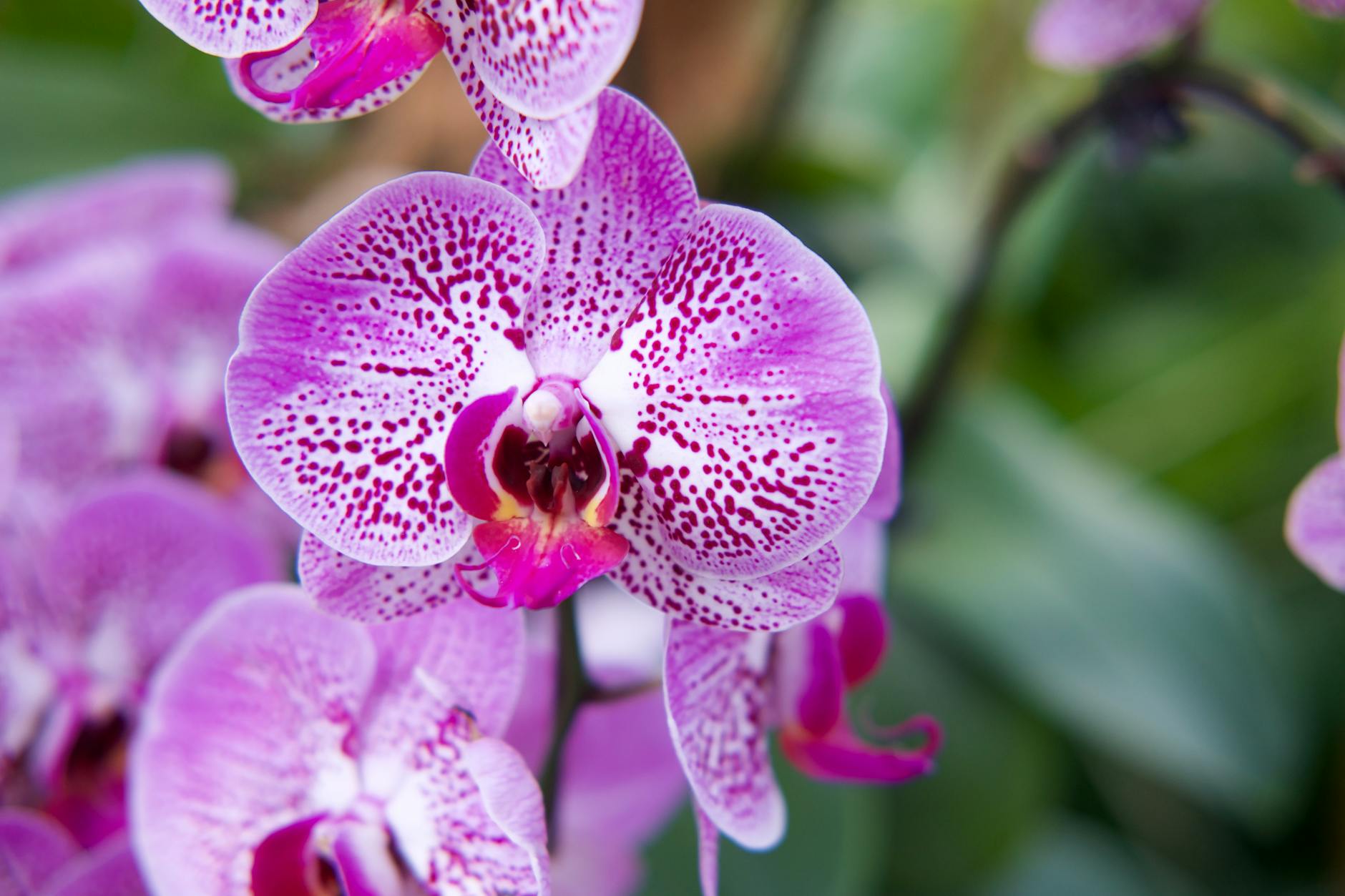
Orchid plant care can feel complicated for first time Orchid growers. With their exotic blooms and tropical origins, orchids almost seem to demand perfection. But the truth is, many of the issues people face come from a few common missteps. If you can learn what not to do, you’ll avoid frustration and help your orchids thrive, bloom, and live for years.
In our guide, we’ll walk you through the biggest mistakes new orchid keepers make from watering woes and lighting misjudgments to the wrong pot choice and fertilization faux-pas. For each mistake, you’ll learn how to correct it, with actionable tips. By the end, you’ll understand how to properly care for your Orchids and feel more confident in your routines.

Understanding Orchids: What Makes Their Care Different
What are orchids, really?
Orchids are a large, diverse family of plants (Orchidaceae), with tens of thousands of species. Many of the ones kept indoors are epiphytes they naturally grow on trees, not in soil. Others are terrestrial (growing on the forest floor) or lithophytic (growing among rocks). That means their root and moisture expectations are different from “regular houseplants.” Their roots often hang in air, get splash moisture, and need alternating wet & dry periods.
Natural habitat insights help enormously. For example, many orchids come from tropical forests where shade, dappled light, high humidity, and good air circulation are the norm. They don’t experience cold drafts or crusty, compacted soil. An orchid’s root is adapted to absorb moisture and nutrients from rainfall and humid air more than from rich soil. When we use dense potting soil, keep them in stagnant air or overwater them, it works against their natural design.

Beginner Mistakes with Orchids
Here are some of the most common pitfalls new orchid keepers fall into.
Overwatering vs. Underwatering
- Overwatering is probably the single biggest mistake. Roots that remain soggy or waterlogged will rot, leading to root death, fungal issues, and eventually loss of the plant. Most orchids prefer drying out a bit between waterings and that “more orchids are killed from over-watering than being too dry.”
- Underwatering is the flip side: when the roots cannot access enough moisture, leaves may wrinkle, roots turn silvery, growth slows or stops. Sometimes plants drop buds or never rebloom.
These mistakes often come from misunderstanding the potting mix or container (which affect how quickly water drains) or from environmental factors like low humidity or indoor heat.
Wrong Lighting: Too Little or Sunburn
- Orchids need bright, indirect light. Too little and they produce foliage but few (or no) blooms. Too much direct sun (especially on sensitive species or through glass) can burn leaves.
- New growers often place orchids near windows that seem bright but get harsh midday sun, causing leaf scorch. Conversely, placing them in dim corners to “protect” them causes weak growth.
Improper Potting Medium / Soil Issues
- Using standard potting soil is usually a disaster. Most houseplant soil holds too much moisture, compacts, and doesn’t allow airflow. Orchid potting mixes are great and generally replicate their natural epiphytic roots bark, chunky pieces, perlite, charcoal, possibly sphagnum moss.
- A mix that breaks down over time holds more moisture, losing aeration, and contributes to root rot.
Poor Drainage & Container Choice
- Even with the right potting medium, using containers with inadequate drainage kills orchids. Decorative pots without holes, or pots where water pools at the bottom, are risky.
- Choosing overly large containers also works against the plant: more medium to stay wet, slower drying, more root-rotation hazards.

Neglecting Humidity & Air Circulation
- Orchids evolved in moist air. Indoor air tends to be dry—especially during heating or A/C seasons. Low humidity stresses roots and leaves.
- But high humidity with no air movement causes fungal growth. Misting indiscriminately or putting plants in closed, humid boxes without ventilation are common mistakes.
Over-Fertilizing or Wrong Fertilizer Types
- Applying fertilizer too often, too strong, or using fertilizer not formulated for orchids can burn roots or leave salt build-up. Many orchid guides emphasize the danger of overfertilization.
- Beginners sometimes believe “more is better,” especially if growth is slow. But weak, diluted feeding at proper intervals works much more safely.
Ignoring Root Health & Visible Roots
- Roots tell a lot. Healthy orchid roots are firm, plump, usually green or silvery, depending on wet vs dry. Soft, brown, black, mushy roots or roots that stay gray/silver too long are warning signs.
- Some beginners bury aerial roots, or use opaque pots that prevent observing root health.
Pruning Mistakes
- Cutting “just because” some people prune aerial roots unnecessarily, remove pseudobulbs prematurely, or cut flower spikes in the wrong place. This wastes energy or removes potential for rebloom.
- Removing green spikes too early (before they die naturally) can stop secondary flower spikes.

Temperature & Draft Issues
- Orchids don’t like sudden temperature swings or cold drafts from open windows, vents, fans.
- They also may need cooler night temperatures (10-15°F drop) to set flower spikes. Uniform warm temps all the time can delay or reduce blooming.
Infrequent Inspection / Delayed Pest & Disease Detection
- Because orchids show stress visually (leaves, roots) relatively late, many beginners don’t check often. Pests, fungal and bacterial issues spread.
- Not isolating new plants or sanitizing tools leads to spread of disease.
Poor Mixing of Care Routines Across Seasons
- Orchids’ needs change by season: light, water, temperature differ in winter vs summer. If one uses the same routine year-round, problems accumulate.
- For example, watering every week in winter when growth is slow leads to overwatering; fertilizer in dormant season stresses roots instead of helping.

How to Fix Those Mistakes: Best Practices
Now that we’ve identified the pitfalls, let’s talk about how to correct them with practical, doable changes.
Watering Routines & Tools
- Check the medium and roots: Use clear pots or pots with side holes so you can see roots. Wait until potting mix has dried somewhat (top layer or lower part) before watering. Overwatering kills more orchids than drought.
- Water thoroughly, then drain: When you water, let water flush through the mix until it comes out the bottom. Remove excess. Avoid leaving stagnant water. Water in the morning helps foliage dry before night.
- Tools & methods: Use tepid water (room temp), avoid ice cubes, use humidity trays, or a moisture meter if needed.
Lighting Adjustments & Supplementing Light
- Place orchids in bright, indirect light east or west-facing windows are often best. Use sheer curtains to filter harsh midday sun.
- If natural light is weak (winter, cloudy homes), use grow lights: full-spectrum LED or fluorescent designed for orchids. Aim for consistent daily light hours.
- Watch leaf color: if leaves are deep dark green, too little light; pale yellow or bleached, too much.
Choosing the Right Potting Mix & Containers
- Use orchid potting media bark, large chips, perlite, charcoal. For species that like moisture (some Vandas, etc.), blend with sphagnum moss but ensure proper drainage.
- Containers: clear nursery pots are useful to monitor roots and moisture. Decorative pots okay as cache pots, but ensure drainage & airflow. Avoid pots that trap water.
- Repot every 1-2 years (or earlier if mix breaks down) to refresh medium and avoid compaction.
Improving Humidity & Airflow
- Maintain relative humidity around 50-70% (depending on species). Use pebble trays, humidifiers, group orchids together.
- But ensure air circulation to prevent fungal / bacterial issues: small fans (low speed), open windows when possible, avoid stagnant air zones.
- Avoid letting water pool in leaf axils or between overlapping leaves a frequent entry for rot.

Fertilization Schedule and Types
- Use fertilizers formulated for orchids (often balanced or with adjusted phosphorus for bloom).
- Adopt “weakly, weekly” or similar mild schedule during growing periods. Reduce or pause feeding during dormancy or slow growth periods.
- Flush potting mix occasionally with plain water to remove salt buildup.
Root Health Monitoring & Repotting Strategies
- Inspect roots during watering or in clear pot: firm, bright green or silvery are good; brown, black, mushy are bad. Trim dead roots with sterilized tools.
- Repot when roots outgrow pot, when mix is decomposed, or if root rot took place. Do this just after flowering or when new growth appears.
Proper Pruning & After-Bloom Care
- After flowers drop, assess the spike: green spike → possible rebloom from a node; brown/tan spike → cut back to base.
- Don’t remove healthy roots or leaves. Only remove parts that are clearly dead or diseased.
- Sterilize pruning tools to prevent spread of pathogens.
Temperature Control & Avoiding Drafts
- Provide a slight drop in night temperature (often 10-15°F lower) during certain seasons to trigger blooming.
- Keep orchids away from air vents, drafts, heating or cooling appliances. Avoid placing near windows that open in cold weather if your orchid is sensitive.
Regular Inspections & Pest / Disease Prevention
- Check leaves (top and underside), roots, crown, flower spikes regularly. Early detection of pests (mealybugs, scale, mites) is key.
- Good hygiene: wash hands/tools, isolate new plants, discard infected parts.
- Watch for symptoms: yellow spots, soft leaves, fuzzy growth, sticky residue.
Adapting Care by Season
- Adjust watering frequency, fertilizer strength, light exposure as days shorten or lengthen.
- In winter, reduce watering, reduce fertilizer, but ensure enough light and avoid chilling temperatures.
- In summer, increase ventilation, possibly move outdoors/near windows with good shade, but protect from intense midday sun.
Quick Takeaways / Key Points
- Orchids are epiphytes—avoid dense soil, encourage airflow and proper medium.
- Watering is critical: too much kills more often than too little. Let medium almost dry between waterings, then water thoroughly and drain.
- Light should be bright but indirect. Adjust seasonally, consider grow lights.
- Potting medium and container choice matter: they affect root health dramatically.
- Maintain humidity & airflow; avoid stagnant, overly humid spaces without ventilation.
- Fertilize mildly, flush salts, and reduce feeding during dormant times.
- Inspect regularly; early detection of root, leaf, or pest problems makes all the difference.
FAQs About Orchid Plant Care
1. How often should I water my orchid plant?
Watering depends on potting medium, light, humidity, and orchid type. For many Phalaenopsis, once a week is a good starting point; let the potting medium dry somewhat between waterings. Adjust if roots stay soggy or dry out too much.
2. Can I use regular houseplant soil for orchids?
No, regular soil retains too much moisture and lacks airflow. Use a specialized orchid mix (bark, perlite, chunky particles) to mimic epiphytic conditions.
3. My orchid’s leaves are yellowing is that always bad?
Yellow leaves can be normal (older leaves shedding), but widespread yellowing often signals light issues (too much or too little), nutrient imbalance, overwatering, or root problems. Check conditions and root health.
4. Do orchids need fertilizer all year long?
Usually no. During active growth and flowering, mild or balanced fertilization works well. In slower periods (dormancy, winter), reduce or pause fertilizer, as too much then can stress roots.
5. How do I prevent pests and disease on orchids?
Keep good air circulation, avoid letting moisture sit in leaf axils, inspect regularly (both leaves and roots), isolate new plants, and use sterilized tools. For pests like scale or mealybugs, early treatment with neem oil or insecticidal soaps helps.

Caring for your orchids doesn’t require perfection it requires awareness. By understanding what they need (and what they really don’t), you can avoid the most damaging beginner mistakes. From watering to lighting, medium to pruning, every aspect matters. Fixing just one or two issues can often make a big difference in how your orchid looks, how healthy its roots are, and whether it blooms again.
Growing is a learning process. Plants rarely fail overnight; problems often build over time. If you start making adjustments improving drainage, changing light, inspecting roots you’ll start seeing signs of improvement: firmer roots, vibrant foliage, eventual blooms.
You’ve taken the first step by reading this. Now apply one change at a time. Keep notes (what changed, when). Celebrate your small victories like your first new root, leaf, or healthy spike. Your orchids will thank you.
Did any of these mistakes ring true for your orchid? Which one are you going to fix first? Share in the comments below your story might help someone just starting out. If you found this helpful, please share it with fellow orchid lovers or pin it on Pinterest to spread the orchid care love. 🌿
Want To Learn More?
IF YOU LIKE THIS POST
You might also like these:
- Orchid Care | Best Pots and Soil Mix!
- How to Display Orchids in your Home!
- Get Your Orchids to Bloom Again!
We’d love to hang out with you on our social channels. You can subscribe to our blog and find us on Facebook, Youtube, Instagram and Pinterest! Feel free to reach out if you have any plant questions!
DISCLOSURE
This blog post may contain affiliate links. Which means if you click on a link and go on to buy the product I recommend, I may get a small commission at no extra cost to you.
Thank you for your support. It means the world to us!

The Thrifted Planter
Ciearra is a gardener and houseplant enthusiast of over 10 years! She has been growing indoors and outdoors. Supplying food for her family and beautifying her home with annuals, perennials and houseplants! Ciearra is passionate about sharing her knowledge of plant care with anyone who needs help or a quick plant growth tip! When she’s not blogging you can find her tending to her chickens, dogs and hanging out with her family
One response to “Orchid Plant Care Mistakes Every Beginner Makes (And How to Fix Them)”
Leave a Reply
Nestera Chicken Coop

Botanical Interest
Garden Tower Project
Vego Gardens

Botanical Interests
Amazon Favorites!

Hoselink
Web Stories


[…] Orchid Care Mistakes your Making […]