How to grow Caladium Plants
What Are Caladium Plants?
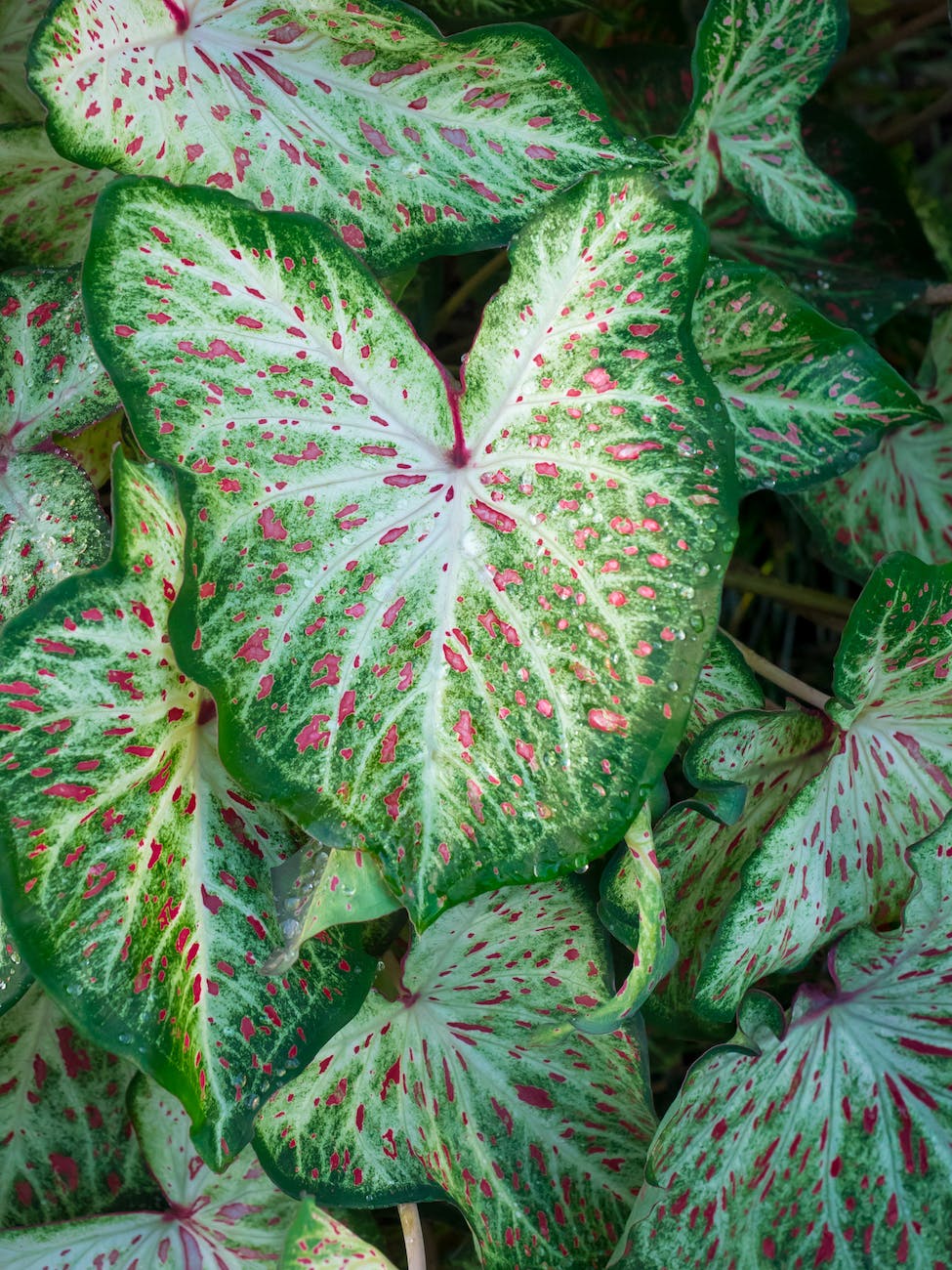
Caladiums are tropical foliage plants grown for their colorful, heart-shaped leaves. Available in shades of pink, white, red, green, and even nearly black, they brighten shady garden beds, porch planters, hanging baskets, and indoor spaces throughout the growing season.
Unlike flowering annuals, caladiums are prized for their stunning foliage. Their vibrant leaves add color and texture from late spring until fall, making them a favorite for gardeners who want a tropical look without a lot of maintenance.
Caladiums grow from underground tubers that remain dormant during the winter. Once the soil warms in spring, the tubers begin producing new leaves that continue growing until cooler temperatures return in the fall.

This post may contain affiliate links. If you make a purchase I may receive a commission at no extra costs to you.
How to Grow Healthy Caladium Plants
Growing beautiful caladiums starts with giving them the conditions they love. Since they are tropical plants, they thrive in warm temperatures, rich soil, and consistent moisture.
Wait until the soil has warmed to at least 65°F before planting caladium tubers outdoors. Planting too early in cold soil can delay sprouting or even cause the tubers to rot before they have a chance to grow.
Plant the tubers about 1½ to 2 inches deep with the knobby side (where the eyes are located) facing upward. Space them about 8 to 12 inches apart to give each plant room to mature and produce large, colorful leaves.
After planting, water thoroughly to settle the soil around the tubers. Keep the soil evenly moist but never waterlogged while you wait for new growth. Depending on soil temperatures, caladiums usually sprout within 3 to 8 weeks.
Although they can take a little patience in spring, once they begin growing, caladiums quickly become one of the most colorful plants in the garden.
Best Light for Caladium Plants
Providing the right amount of light is one of the easiest ways to keep your caladiums looking their best. While they are often thought of as shade plants, the amount of sunlight they need depends on the variety you are growing.
Most caladiums thrive in bright, filtered light or a location that receives morning sun and afternoon shade. This gives the plants enough light to produce vibrant foliage while protecting the leaves from scorching during the hottest part of the day.
Some newer caladium varieties have been bred to tolerate more direct sun, but even these appreciate protection from intense afternoon heat in warmer climates.
If you’re growing caladiums indoors, place them near a bright window where they receive plenty of indirect light. Avoid placing them in direct afternoon sun through a window, as this can burn the delicate leaves.
Watering Caladium Plants
Caladiums prefer consistently moist soil throughout the growing season, but they don’t like sitting in water. The goal is to keep the soil evenly moist without allowing it to become soggy.
Check the soil regularly by inserting your finger about an inch deep. If the top inch feels dry, it’s time to water. During hot summer weather, container-grown caladiums may need watering more frequently than plants growing in garden beds.
Good drainage is just as important as regular watering. Pots should always have drainage holes, and garden soil should drain well to prevent the tubers from rotting.
As fall approaches and your caladium begins to go dormant, gradually reduce watering. Once the foliage has died back, stop watering altogether until it’s time to plant again the following spring.
Fertilizing Caladium Plants
Caladiums aren’t particularly heavy feeders, but regular fertilizing encourages fuller plants and more vibrant foliage.
Apply a balanced fertilizer every three to four weeks during the active growing season, or use a slow-release fertilizer when planting the tubers. If you’re growing caladiums in rich garden soil that has been amended with compost, you may find they need less supplemental fertilizer.
Avoid overfertilizing, as too much fertilizer can damage the roots or cause excessive growth at the expense of leaf color.
Need more Caladium to add to your list you can find beautiful varieties here!

Growing Caladiums in Containers
Caladiums make beautiful container plants and are perfect for patios, porches, balconies, and shaded outdoor living spaces.
Choose a container with drainage holes and fill it with a high-quality potting mix that holds moisture while still draining well. Larger containers dry out more slowly than smaller pots, making them easier to keep evenly moist during hot weather.
One of my favorite ways to use caladiums is by mixing them with other shade-loving plants like coleus, begonias, ferns, or sweet potato vine. Their colorful foliage adds texture and brightness to container arrangements throughout the summer.
Because container plants dry out faster than those planted in the ground, be prepared to water more often during periods of hot, dry weather.
Overwintering Caladium Tubers
In areas with freezing winters, caladium tubers need to be lifted and stored indoors if you want to grow them again next year.
After the first light frost or once the foliage naturally begins to die back, stop watering the plants and allow the leaves to yellow. Carefully dig up the tubers, brush away excess soil, and let them dry in a warm, well-ventilated area for several days.
Store the dried tubers in a cardboard box or paper bag filled with peat moss, wood shavings, vermiculite, or another dry packing material. Keep them in a cool, dry location where temperatures stay between 50–60°F until spring.
When warm weather returns and the soil has reached at least 65°F, the tubers can be replanted for another season of colorful growth.
Why Isn’t My Caladium Growing? Common Problems and Solutions
If your caladium isn’t performing the way you expected, don’t panic. Most growing problems can be traced back to a few common issues, and many are easy to fix.
| Problem | Possible Cause | Solution |
|---|---|---|
| Tubers aren’t sprouting | Soil is too cold | Wait until soil temperatures reach at least 65°F or start tubers indoors. |
| Tubers are soft or mushy | Overwatering or poor drainage | Improve drainage and allow the soil to dry slightly between waterings. |
| Leaves are small | Not enough fertilizer or sunlight | Feed regularly during the growing season and provide bright, filtered light. |
| Brown leaf edges | Too much direct afternoon sun or inconsistent watering | Move plants to partial shade and keep soil evenly moist. |
| Yellow leaves | Overwatering, aging foliage, or poor drainage | Remove old leaves and adjust your watering schedule. |
| Faded leaf color | Too much direct sun | Plant in bright shade or provide afternoon protection. |
| Tubers rot over winter | Stored while damp or in a humid location | Allow tubers to dry completely before storing them in a cool, dry place. |
Remember that caladiums naturally grow more slowly early in the season. They spend time developing roots before putting on lots of top growth, so patience is often the best thing you can give them.
When planted outside you can grow Caladium plants in ground or in containers. Keep the soil moist but not soaking wet.

Caladium Care Tips:
- Mulch around the plants to help retain moisture and suppress weeds.
- Protect the plants from strong winds.
- Watch for pests and diseases, such as aphids, spider mites, and leaf spot.
- Plant the tubers early in the spring, as soon as the soil has warmed up.
- Fertilize regularly with a balanced fertilizer.
- Water deeply and regularly, especially during hot, dry weather.
- Provide partial shade in hot climates.
When you grow Caladium plants you provide interest and whimsy to your garden. They grow well in the shade and can fit into any type of garden design. If your a thrifty gardener you can save your tubers year after year which can save you money! Win win!
Frequently Asked Questions About Growing Caladiums
Do caladiums come back every year?
Yes, caladiums are perennial plants in USDA Zones 9–11. In colder climates, they are typically grown as annuals unless you dig up and store the tubers indoors over the winter. With proper storage, you can replant them the following spring.
Do caladiums prefer sun or shade?
Most caladiums grow best in partial to full shade, especially in hot climates. However, many newer varieties are more sun tolerant and can handle several hours of morning or filtered sunlight. Too much intense afternoon sun may scorch the leaves or cause their vibrant colors to fade.
When should I plant caladium tubers?
Wait until all danger of frost has passed and the soil temperature is at least 65°F (18°C). Planting too early in cool soil can delay sprouting and increase the risk of tuber rot.
How long does it take caladium tubers to sprout?
Caladium tubers typically sprout within 3 to 8 weeks, depending on soil temperature and growing conditions. Warm soil encourages faster growth, while cool temperatures can significantly delay sprouting.
How deep should I plant caladium tubers?
Plant caladium tubers about 1½ to 2 inches deep with the knobby side, or “eyes,” facing upward. Cover them with soil, water thoroughly, and keep the soil evenly moist while waiting for new growth.
Why aren’t my caladium tubers growing?
The most common reasons are cold soil, excessive moisture causing rot, soil that is too dry, or simply not enough time. Caladiums naturally take several weeks to break dormancy, so patience is often part of the growing process.
Can caladiums grow in containers?
Absolutely! Caladiums are excellent container plants. Choose a pot with drainage holes, use a high-quality potting mix, and keep the soil consistently moist. Containers are a great way to enjoy their colorful foliage on patios, porches, and balconies.
How often should I water caladiums?
Water whenever the top inch of soil begins to dry out. Caladiums prefer consistently moist soil but should never sit in standing water. Container-grown plants usually need watering more often than those growing in the ground.
Should I remove caladium flowers?
Yes, many gardeners remove the small flowers as they appear. While the blooms are harmless, removing them encourages the plant to direct more energy toward producing larger, more colorful leaves instead of flowers and seeds.
Are caladiums poisonous to pets?
Yes. Caladiums contain calcium oxalate crystals, which are toxic to cats, dogs, and other pets if eaten. Keep plants out of reach of curious pets and young children.
Can I grow caladiums indoors?
Yes! Caladiums make beautiful houseplants when given bright, indirect light, warm temperatures, and moderate humidity. They naturally go dormant during part of the year, so it’s normal for them to lose their leaves as they enter their resting period.
Why are my caladium leaves turning yellow?
Yellow leaves are most commonly caused by overwatering, poor drainage, natural aging, or the plant beginning its fall dormancy. Check the soil moisture first, and remember that some yellowing is perfectly normal as the growing season comes to an end.
Looking for more tropical plant growing tips? Be sure to explore my guides on growing elephant ears, canna lilies, and other colorful foliage plants to create a lush, tropical-inspired garden.

Final Thoughts
Caladiums are one of the easiest tropical plants to grow once you understand what they need. Give them warm temperatures, rich soil, consistent moisture, and the right amount of light, and they’ll reward you with months of colorful foliage.
Whether you plant them in garden beds, containers, or even grow them indoors, caladiums add a tropical feel to any space. With a little seasonal care including proper winter storage in colder climates you can enjoy these beautiful plants year after year.
Happy Gardening!
Want To Learn More?
IF YOU LIKE THIS POST
You might also like these:
- How to Overwinter Elephant Ear Plants
- Indoor Elephant Ear Plant Care Guide
- 5 Reasons Your Elephant Ear Bulb wont Grow
- How to Grow Huge Elephant Ear Plants
- How to wake up you Elephant Ear Bulbs
We’d love to hang out with you on our social channels. You can subscribe to our blog and find us on Facebook, Youtube, Instagram and Pinterest! Feel free to reach out if you have any plant questions!
DISCLOSURE
This blog post may contain affiliate links. Which means if you click on a link and go on to buy the product I recommend, I may get a small commission at no extra cost to you.
Thank you for your support. It means the world to us!

The Thrifted Planter
Ciearra is a gardener and houseplant enthusiast of over 10 years! She has been growing indoors and outdoors. Supplying food for her family and beautifying her home with annuals, perennials and houseplants! Ciearra is passionate about sharing her knowledge of plant care with anyone who needs help or a quick plant growth tip! When she’s not blogging you can find her tending to her chickens, dogs and hanging out with her family
Nestera Chicken Coop

Botanical Interest
Garden Tower Project
Vego Gardens

Botanical Interests
Amazon Favorites!

Hoselink
Web Stories


