How to plant Fall Bulbs for spring color
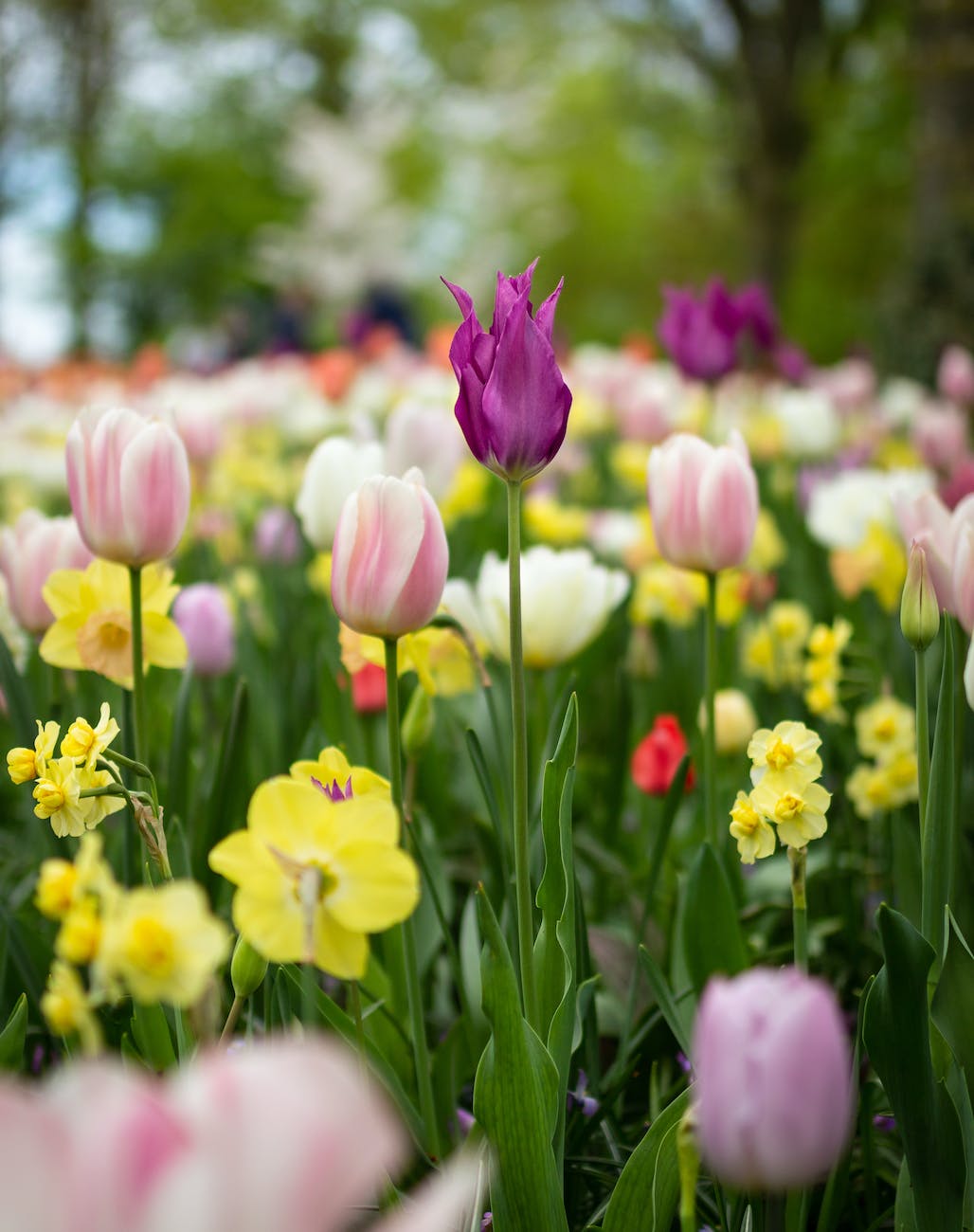

There’s a wide variety of fall bulbs you can plant for spring color. Fall gardening is such a fun time because the temperatures are cooler and there are less bugs buzzing around. Planting fall bulbs doesn’t have to be a scary task. It’s one of those set it and forget it chores in the garden. Some great bulbs to plant in fall are Tulips, Daffodils, Crocus, Hyacinth and Alliums. All of them come in many varieties and offer tons of spring color.

Find a spot that gets great light
You can grow bulbs in part sun but I wouldn’t go any darker than that. Bulbs need a lot of light to grow well and bloom.
Dig your hole
Dig your hole according to the package directions for deepness. It is important that you don’t plant them too deep nor too shallow when planting them in ground.

Add in fertilizer
Fertilizer is great to add in your holes prior to planting. It will give the bulbs a head start to the season. After planting the bulbs will develop roots and a little fertilizer will help them along the way. When they wake up in the spring you are welcome to add a little more fertilizer when you see them break through the soil.

Cover your fall bulbs and Water in
Now it’s time to cover your bulbs up with soil and water them in. You do not have to water them regularly but once a week is ok until your first frost. Once spring rolls around you will want to start them back on a regular watering schedule with the rest of your garden.
Planting fall bulbs is a task that can be very annoying at the time but I promise that come spring you will be thanking yourself for taking the time in the fall to plant.
Lets Recap!
Planting fall bulbs is one of the easiest ways to enjoy a stunning garden once spring arrives. Follow these tried-and-true tips to give your spring flowers the best start possible!
1. Plant at the Right Time
👉 The best time to plant fall bulbs is 6–8 weeks before your first hard frost. This gives bulbs time to establish roots before winter. In most zones, that’s between September and November.
2. Choose the Right Location
🌞 Pick a sunny spot with well-drained soil. Bulbs like tulips, daffodils, and hyacinths thrive in areas that get at least 6 hours of direct sunlight per day.
3. Prep the Soil
For best results, loosen the soil about 8–12 inches deep and mix in compost or organic matter to improve drainage and nutrients. Avoid waterlogged spots that can lead to bulb rot.
4. Follow the Correct Planting Depth
📏 A general rule is to plant bulbs 2–3 times as deep as the bulb is tall. For example, a 2-inch bulb should be planted 4–6 inches deep.
5. Plant Bulbs Pointy Side Up
🔺 It sounds simple, but it’s easy to forget! Always plant your fall bulbs with the pointed end facing up and the root side down.
6. Water After Planting
💧 Give your bulbs a good drink after planting to help settle the soil and activate root growth. After that, you can typically rely on fall and winter moisture unless conditions are dry.
7. Add a Layer of Mulch
🍂 Apply a 2–3 inch layer of mulch over your planted bulbs. This helps insulate the soil, retain moisture, and protect bulbs from extreme cold and temperature fluctuations.
8. Label Your Bulb Beds
📍 Use plant markers or a garden journal to keep track of where you planted your bulbs. Come spring, you’ll know exactly what’s coming up where!
9. Protect from Pests
🦌 Squirrels, deer, and voles love bulbs! Consider using chicken wire, bulb cages, or natural deterrents to keep critters from digging them up.
10. Mix Varieties for Continuous Blooms
🌸 Combine early, mid, and late-blooming bulb varieties to enjoy colorful blooms from early spring through late May.
✨ Bonus Tip:
If you’re new to fall planting, start with easy-to-grow bulbs like daffodils, crocuses, alliums, and grape hyacinths. These are hardy, low-maintenance, and reliably bloom year after year!
Happy Gardening
Want To Learn More?
IF YOU LIKE THIS POST
You might also like these:
We’d love to hang out with you on our social channels. You can subscribe to our blog and find us on Facebook, Youtube, Instagram and Pinterest! Feel free to reach out if you have any plant questions!
DISCLOSURE
This blog post may contain affiliate links. Which means if you click on a link and go on to buy the product I recommend, I may get a small commission at no extra cost to you.
Thank you for your support. It means the world to us!

The Thrifted Planter
Ciearra is a gardener and houseplant enthusiast of over 10 years! She has been growing indoors and outdoors. Supplying food for her family and beautifying her home with annuals, perennials and houseplants! Ciearra is passionate about sharing her knowledge of plant care with anyone who needs help or a quick plant growth tip! When she’s not blogging you can find her tending to her chickens, dogs and hanging out with her family

Nestera Chicken Coop

Park Seed
Garden Tower Project
Vego Garden Beds

Botanical Interests
Amazon Favorites!

Hoselink
Web Stories


