Best Fall Fertilizer for Plants: How to Feed Your Garden Before Winter
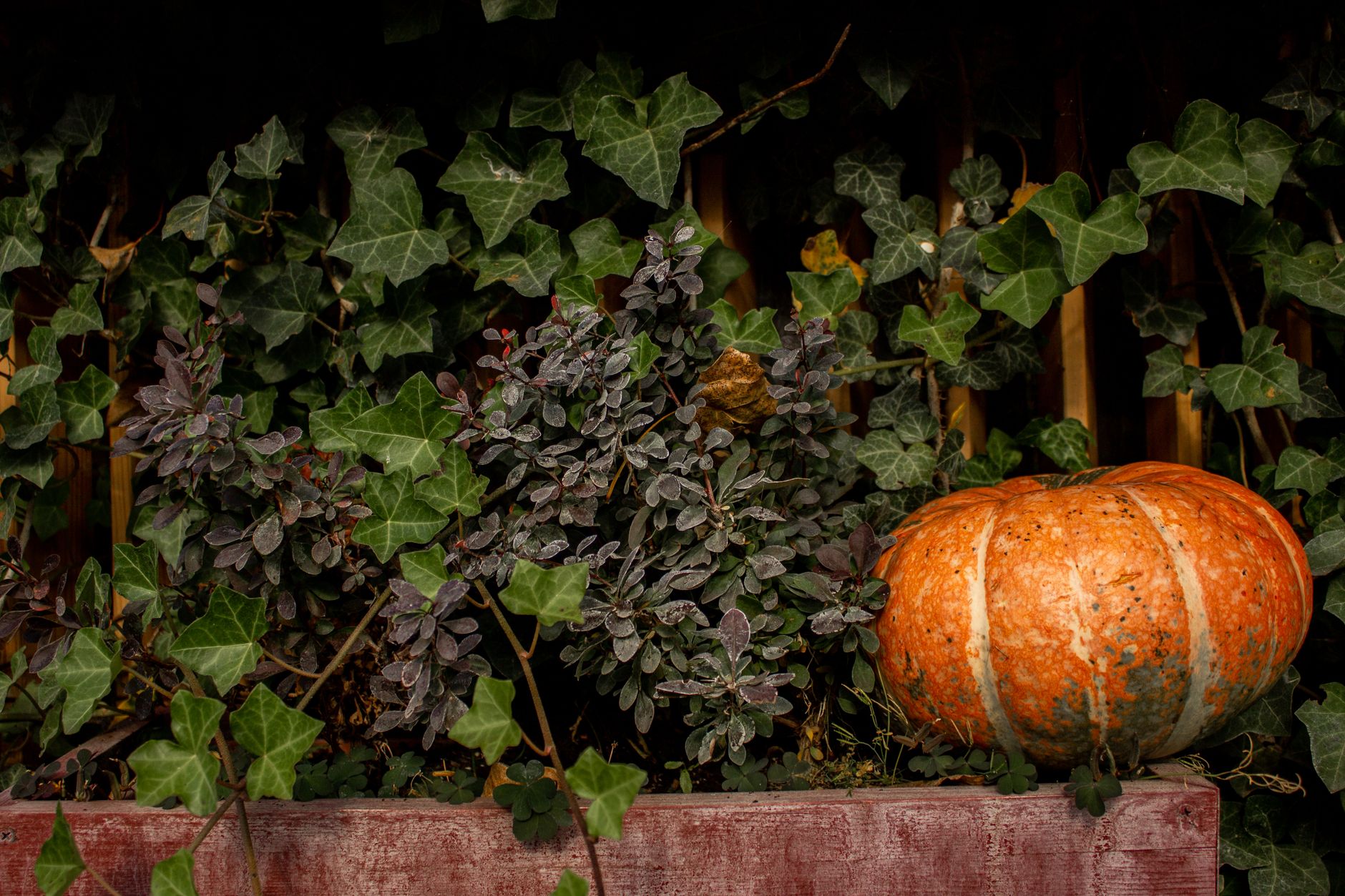
The Best Fertilizer for Fall
Fall is the perfect time to prepare your garden for the next growing season, but choosing the right fertilizer can be confusing. Unlike spring fertilizing, when the goal is often encouraging new leaves and growth, fall fertilizing focuses on supporting strong roots, improving soil health, and helping plants enter winter dormancy in the best condition possible.
The best fall fertilizer depends on what you are growing. Perennials, vegetables, trees, shrubs, lawns, and bulbs all have different nutrient needs. Understanding fertilizer numbers (N-P-K), when to apply fertilizer, and which plants benefit from fall feeding will help you avoid overfertilizing and create a healthier garden next spring.
What Is the Best Fertilizer for Fall?
The best fall fertilizer is one that supports root growth and overall plant health rather than encouraging lots of new leafy growth. Look for fertilizers with lower nitrogen and higher phosphorus or potassium, depending on your soil needs and the plants you are feeding.
Before applying fertilizer, consider testing your soil to determine what nutrients are actually needed. Applying fertilizer without knowing your soil conditions can lead to nutrient imbalances.
Affiliate Disclosure: This post contains affiliate links, which means I may earn a small commission if you purchase through my links at no extra cost to you. I only share products that I use, trust, or believe will be helpful for gardeners. Your support helps keep The Thrifted Planter growing and allows me to continue creating gardening content. Thank you for supporting my small business!

Why Fall Fertilization Matters
Fall is the perfect time for fertilizing your lawn because it helps strengthen the root system and prepare the grass for the cold weather ahead. During the fall season, grass roots grow deeper, taking in nutrients that will support healthy growth in the following spring.
Benefits of Fall Fertilization
– Healthy Root Growth: Fall fertilization promotes strong roots, giving your lawn the ability to withstand harsh winter conditions.
– Disease Resistance: Providing essential nutrients during fall applications can help protect your grass from common fungal diseases.
– Greener Lawn in Spring: Fertilizing in the fall leads to a healthier spring lawn with vibrant green color and enhanced growth.

Best Fertilizers by Garden Type
| Garden Area | Best Fall Amendment |
|---|---|
| Vegetable Garden | Compost + aged manure |
| Raised Beds | Compost + worm castings |
| Flower Beds | Compost + low nitrogen fertilizer |
| Spring Bulbs | Bone meal or bulb fertilizer |
| Trees & Shrubs | Slow-release fertilizer if needed |
| Lawn | Fall lawn fertilizer with potassium |
Understanding Fertilizer Numbers: What Does NPK Mean?
Before choosing the best fall fertilizer for your garden, it’s important to understand what the three numbers on a fertilizer bag actually mean. These numbers are called the NPK ratio, and they tell you the percentage of three essential nutrients found in the fertilizer: nitrogen (N), phosphorus (P), and potassium (K).
Every plant uses these nutrients differently, and choosing the right balance can help you support healthier roots, stronger growth, and better overall plant performance.
Nitrogen (N): Supports Leaf and Stem Growth
The first number on a fertilizer bag represents nitrogen.
Nitrogen is responsible for:
- Healthy green leaves
- Leaf and stem growth
- Overall plant vigor
- Chlorophyll production
A fertilizer with a high first number, such as 24-4-8, contains a larger amount of nitrogen and is often used when the goal is encouraging leafy growth.
However, too much nitrogen in the fall can be a problem. Excess nitrogen can encourage plants to produce soft, tender new growth that may not have enough time to harden off before freezing temperatures arrive. This can leave plants more vulnerable to winter damage.
For fall fertilizing, many gardeners prefer avoiding high-nitrogen fertilizers unless there is a specific reason to use them.
Phosphorus (P): Supports Roots, Flowers, and Fruit
The second number represents phosphorus.
Phosphorus plays an important role in:
- Root development
- Flower production
- Seed formation
- Energy transfer within the plant
Because strong roots are essential for surviving winter, phosphorus is often included in fall fertilizers designed for establishing new plants, supporting bulbs, or encouraging healthy root systems.
A fertilizer labeled 5-10-10 contains more phosphorus than nitrogen, making it a common choice for flowering plants and bulbs.
Potassium (K): Helps Plants Handle Stress
The third number represents potassium (sometimes called potash).
Potassium helps plants with:
- Cold tolerance
- Disease resistance
- Water regulation
- Overall plant strength
- Stress recovery
This nutrient is especially important in fall because plants are preparing for dormancy and need to withstand colder temperatures, temperature swings, and winter stress.
Fertilizers with higher potassium levels are often used in fall lawn care and for plants that need extra support heading into winter.
What Do Fertilizer Ratios Mean?
A fertilizer label might look like this:
10-10-10
This is a balanced fertilizer containing equal percentages of nitrogen, phosphorus, and potassium.
- 10% nitrogen
- 10% phosphorus
- 10% potassium
5-10-10
This fertilizer contains:
- Less nitrogen to avoid excessive leafy growth
- More phosphorus to support roots and blooms
- More potassium for plant strength
0-10-10
This contains no nitrogen but provides phosphorus and potassium, which can be useful in certain situations where plants do not need additional leafy growth.
Choosing the Right Fall Fertilizer
When choosing a fall fertilizer, avoid focusing only on the highest numbers. More fertilizer does not always mean healthier plants. The best choice depends on your soil, the plants you are growing, and what nutrients are actually needed.
Before applying fertilizer, consider:
- Testing your soil to identify nutrient deficiencies.
- Using compost to improve overall soil health.
- Choosing slow-release fertilizers when possible.
- Applying fertilizer according to package directions.
A healthy fall garden is built by supporting the soil and roots not by forcing plants to keep growing when they should be preparing for winter.
A Tip From My Garden
In my Zone 6 Ohio garden, I focus more on improving soil health in the fall than pushing new growth. Adding compost, worm castings, and organic amendments helps replenish my raised beds after a busy growing season. When I do use fertilizer, I choose products based on what my plants and soil actually need rather than simply choosing the highest numbers on the bag.

Best Fall Fertilizer for Different Plants
| Plant Type | Best Fall Fertilizer Approach | Why |
|---|---|---|
| Perennials | Low nitrogen, slow-release fertilizer or compost | Supports roots without pushing tender growth |
| Flower Bulbs | Bone meal or bulb fertilizer | Supports root development before spring blooms |
| Trees & Shrubs | Slow-release fertilizer if needed | Encourages root health before winter |
| Vegetable Gardens | Compost, aged manure, organic amendments | Replenishes nutrients after heavy feeding crops |
| Lawns | Fall lawn fertilizer higher in potassium | Helps turf tolerate cold stress |
| Container Plants | Gentle slow-release fertilizer if overwintering | Supports plants without excessive growth |
Choosing the Best Fertilizer for Fall
The type of fertilizer you choose for fall applications depends on your grass type and soil conditions. Here are some key considerations:
1. Type of Fertilizer
– Slow-Release Nitrogen Fertilizers: These fertilizers provide a consistent supply of nutrients over time, promoting good root growth without causing excessive top growth. They are ideal for fall fertilizing as they prepare the lawn for winter hardiness.
– High Potassium Fertilizers: Potassium helps improve disease resistance and enhances the grass’s ability to withstand cold weather. It’s a good idea to use a fertilizer with a high potassium content during the fall.
– Winterizer Fertilizer: Specifically formulated for fall use, winterizer fertilizers contain the right balance of nutrients to promote healthy lawn growth and preparation for winter months.

Best Organic Fall Fertilizers for Your Garden
Fall is one of the best times to improve your garden soil and prepare your plants for the next growing season. Instead of focusing only on quick plant growth, fall fertilizing is about building healthy soil, supporting strong roots, and replenishing nutrients that were used throughout the growing season.
Organic fertilizers are a great option for fall because they release nutrients slowly, improve soil structure, and support the beneficial microorganisms that help your plants thrive. They work especially well in vegetable gardens, raised beds, perennial borders, and container gardens.
Here are some organic fall fertilizers to consider adding to your garden that many people swear by
1. Compost
Best overall organic soil amendment for fall gardens
Compost is one of the best things you can add to your garden in the fall. While compost is technically a soil amendment rather than a traditional fertilizer, it provides a wide range of nutrients while improving the overall health of your soil.
Adding compost in fall allows it time to break down and integrate into your garden beds before spring planting.
Benefits of adding compost in fall:
- Improves soil structure
- Adds organic matter
- Helps soil retain moisture
- Supports beneficial bacteria and fungi
- Slowly releases nutrients throughout the growing season
- Improves drainage in heavy soils
Compost works well in:
- Raised garden beds
- Vegetable gardens
- Flower beds
- Around trees and shrubs
- Container gardens
Spread a 1- to 3-inch layer of finished compost over your garden beds and gently work it into the top few inches of soil.
2. Worm Castings
Best for improving soil health and adding gentle nutrients
Worm castings are a nutrient-rich organic fertilizer created through vermicomposting. They are gentle enough to use around almost any plant and are especially beneficial for gardeners who grow in raised beds, containers, or small spaces.
Benefits of worm castings:
- Provide slow-release nutrients
- Improve soil texture
- Increase microbial activity
- Help plants absorb nutrients more efficiently
- Reduce the risk of fertilizer burn
Worm castings are excellent for:
- Vegetables
- Herbs
- Houseplants
- Seed starting mixes
- Perennials
In fall, add worm castings around established plants or mix them into garden beds before winter.
3. Aged Compost Manure
Best for vegetable gardens and heavy-feeding plants
Aged manure is a traditional garden amendment that has been used for generations to improve soil fertility. When properly composted, manure adds nutrients and organic matter that benefit the garden long term.
Good sources include:
- Chicken manure
- Cow manure
- Horse manure
- Rabbit manure
Benefits of aged manure:
- Adds nitrogen and other nutrients
- Improves soil structure
- Encourages healthy microbial activity
- Helps replenish nutrients after heavy-feeding crops
Always use well-aged or composted manure. Fresh manure can be too strong for plants and may contain excess nitrogen or weed seeds.
Fall is an ideal time to add composted manure because it has several months to continue breaking down before spring planting.
4. Bone Meal
Best for bulbs and root development
Bone meal is an organic fertilizer made from ground animal bones and is naturally high in phosphorus. It is commonly used when planting spring-flowering bulbs in fall because phosphorus supports healthy root development.
Bone meal can benefit:
- Tulips
- Daffodils
- Crocus
- Alliums
- Other flowering bulbs
It can also be helpful when planting new perennials or shrubs that need strong root systems.
Keep in mind that bone meal is not a complete fertilizer and may not be necessary if your soil already has adequate phosphorus. A soil test can help determine whether it is needed.
5. Fish Meal
Best for slow-release nutrients and soil microbes
Fish meal is an organic fertilizer made from processed fish and is a source of nitrogen, phosphorus, and other nutrients.
Benefits include:
- Slow nutrient release
- Supports soil microorganisms
- Improves overall soil fertility
- Provides nutrients without harsh chemical salts
Fish meal works well for:
- Vegetable gardens
- Flower beds
- Fruit plants
- Heavy feeders
Because fish-based fertilizers can attract animals, mix them into the soil rather than leaving them sitting on the surface.
6. Kelp Meal
Best for plant stress support
Kelp meal is made from dried seaweed and is valued for its trace minerals and plant-supporting compounds. While it is not a replacement for compost or a complete fertilizer, it can be a helpful addition to improve overall plant health.
Benefits of kelp meal:
- Provides trace minerals
- Supports root development
- Helps plants handle stress
- Encourages beneficial soil activity
Kelp meal is useful for:
- Vegetables
- Perennials
- Herbs
- Fruit plants
7. Fall Cover Crops
Best for improving garden soil naturally
While not a traditional fertilizer, cover crops are one of the best long-term ways to improve your soil. Plants such as clover, winter rye, and field peas protect soil over winter and add nutrients when incorporated back into the garden.
Benefits of cover crops:
- Prevent soil erosion
- Add organic matter
- Improve soil structure
- Support beneficial insects
- Help recycle nutrients
Cover crops are especially useful in vegetable gardens that would otherwise sit empty through winter.
How to Choose the Best Organic Fall Fertilizer
The best organic fertilizer for your garden depends on what your soil and plants need.
For most home gardeners, a combination approach works best:
🌱 Compost for overall soil health
🌱 Worm castings for gentle nutrients
🌱 Aged manure for vegetable gardens
🌱 Bone meal for bulbs and root development
🌱 Kelp meal for overall plant support
Remember, the healthiest gardens are built from healthy soil. Fall is the perfect time to replenish your garden beds, add organic matter, and prepare your plants for a strong start when spring arrives.
A Tip From My Garden
In my Zone 6 Ohio garden, fall is when I focus heavily on feeding the soil. After a busy growing season, my raised beds have given a lot back to my plants, so I like to replenish them with compost, worm castings, and other organic amendments. Instead of trying to push more growth before winter, I focus on creating a healthy foundation for the next gardening season.

Do Not Fertilize These Plants in Fall
While fall can be an excellent time to improve your soil and support many plants before winter, not every plant benefits from a late-season fertilizer application. Fertilizing the wrong plants at the wrong time can encourage new growth, disrupt dormancy, or create conditions that make plants more vulnerable to winter damage.
Before reaching for the fertilizer bag, consider whether your plants actually need additional nutrients.
1. Newly Dormant Perennials
Most established perennials naturally begin slowing down in the fall as they prepare for winter dormancy. Applying fertilizer after plants have stopped actively growing is usually unnecessary and can encourage growth at the wrong time.
Plants like:
- Peonies
- Hostas
- Daylilies
- Coneflowers
- Bee balm
typically do not need a late fall fertilizer application once they have gone dormant.
Better approach: Apply compost or organic matter to your garden beds instead. This improves soil health without pushing plants to produce tender new growth.
2. Plants Showing Signs of Stress or Disease
Fertilizer is not a cure-all for unhealthy plants. If a plant is struggling because of disease, pests, poor drainage, or environmental stress, adding fertilizer may not solve the problem and can sometimes make issues worse.
Avoid fertilizing plants that are:
- Severely diseased
- Damaged by pests
- Wilting from drought stress
- Experiencing root problems
- Showing signs of nutrient burn
Better approach: Identify and correct the underlying problem first before adding nutrients.
3. Newly Planted Trees and Shrubs (Unless Recommended)
Many gardeners assume newly planted trees and shrubs need fertilizer right away, but fall is usually a time when the plant should focus on establishing roots rather than producing new top growth.
Too much fertilizer can encourage leafy growth that may not have enough time to harden before winter.
Better approach: Focus on:
- Consistent watering until the ground freezes
- Adding a layer of mulch around the root zone
- Maintaining healthy soil
If your plant nursery or local extension office recommends a specific fertilizer, follow those instructions.
4. Warm-Season Plants Entering Dormancy
Many warm-season plants naturally slow down as temperatures drop. Fertilizing them late in the season can interfere with their natural cycle.
Examples include:
- Tropical plants being overwintered indoors
- Warm-season annuals
- Plants that are already declining from cooler temperatures
Better approach: Allow plants to transition naturally into dormancy rather than encouraging new growth.
5. Plants Growing in Poorly Drained Soil
Fall and winter often bring increased moisture, and fertilizer does not solve drainage problems. Plants growing in wet soil are already at risk for root damage and rot.
Avoid heavily fertilizing plants growing in areas with:
- Standing water
- Compacted soil
- Poor drainage
Better approach: Improve soil structure by adding compost and organic matter over time, and address drainage issues before adding fertilizer.
6. Plants That Were Recently Overfertilized
More fertilizer does not always mean healthier plants. Excess nutrients can build up in the soil and create problems such as:
- Leaf burn
- Weak growth
- Nutrient imbalances
- Damage to beneficial soil organisms
If you already fertilized heavily during the growing season, your garden may not need another application in fall.
Better approach: Focus on soil testing to determine what nutrients are actually needed.

What Can You Do Instead of Fertilizing in Fall?
If your plants do not need fertilizer, there are still many ways to prepare your garden for winter:
🌱 Add finished compost to garden beds
🌱 Mulch around plants after the soil cools
🌱 Remove diseased plant material
🌱 Plant spring-flowering bulbs
🌱 Improve soil structure with organic matter
🌱 Clean and prepare gardening tools
🌱 Protect tender plants before freezing temperatures arrive
A Tip From My Garden
In my Zone 6 Ohio garden, I try not to fertilize just because the calendar says it’s fall. Instead, I pay attention to what my plants and soil actually need. Fall is the perfect time to build healthy soil, add compost, and prepare the garden for spring rather than forcing plants to continue growing when they should be resting.
A healthy garden starts with knowing when to add nutrients and when to let nature take its course.
In my Zone 6 Ohio garden, I focus more on building healthy soil in fall than pushing plant growth. I add compost to my raised beds, refresh garden soil, and use targeted fertilizers only when plants show a need. Fall is the perfect time to prepare the garden quietly so it can reward you when spring arrives.
Best Time for Fall Fertilization
The timing of fall fertilization is crucial for achieving the best results.
– Early Fall: Begin fall fertilizing in early September when the weather conditions are still mild. This timing allows the grass to absorb nutrients and establish strong roots before the cold weather sets in.
– Before First Frost: Aim to complete your fertilizer applications before the ground freezes to ensure the nutrients are absorbed effectively.
– 3-4 Weeks Before Dormancy: Apply fertilizer approximately 3-4 weeks before the grass enters dormancy to support healthy root development.

How to Apply Fertilizer for Optimal Results
Follow these steps for effective fall fertilization:
1. Soil Testing
Conduct a soil test to determine the nutrient levels and pH of your soil. This information will guide you in selecting the best fertilizer for your lawn’s specific needs.
2. Proper Spreader Settings
Use a broadcast or drop spreader to apply the fertilizer evenly. Check the spreader settings on the bag of fertilizer and adjust accordingly to ensure accurate application.
3. Right Amount of Fertilizer
Apply the recommended amount of fertilizer based on the square feet of lawn area. Over-fertilizing can lead to excessive growth and nutrient runoff, while under-fertilizing may not provide the desired benefits.
4. Watering
Water the lawn after fertilization to help the nutrients penetrate the soil and reach the grass roots. This step is crucial for activating the fertilizer and promoting absorption.
5. Use a Top Dressing
Consider adding a top dressing of compost or organic matter to improve soil structure and provide additional nutrients. This practice enhances the overall health of your lawn and supports good root growth.
When to Fertilize In Fall
| Month | Garden Task |
|---|---|
| August | Feed late-season bloomers if needed |
| September | Ideal time for many fall applications |
| October | Apply compost and slow-release fertilizers |
| November | Focus on soil amendments rather than pushing growth |
| Winter | Avoid fertilizing dormant plants |
Fall fertilizing can be confusing because gardening advice often focuses on feeding plants during the growing season. However, fall is a different time in the garden. The goal is less about encouraging new growth and more about supporting healthy soil, strong roots, and preparing plants for winter.

My Favorite Organic Fall Fertilizers and Soil Amendments
When it comes to fall fertilizing, I believe the best products are the ones that improve the overall health of your soil while providing plants with the nutrients they need to enter winter strong. Fall is not the time to push lots of new growth it is the time to rebuild, replenish, and prepare your garden for the next growing season.
These are some of my favorite organic fertilizers and soil amendments to use in my raised beds, and perennial borders.
1. Compost
Best overall fall garden amendment
Compost is my number one recommendation for almost every garden. While it is not a concentrated fertilizer, compost improves the foundation of your garden by adding organic matter and feeding the beneficial microorganisms that help plants access nutrients.
I love adding compost in the fall because it has months to break down and integrate into the soil before spring planting.
Great for:
🌱 Raised garden beds
🌱 Vegetable gardens
🌱 Flower beds
🌱 Around trees and shrubs
🌱 Container gardens
Look for compost that is dark, crumbly, and fully finished. Avoid using unfinished compost because it can tie up nutrients and may still contain active decomposition.
If you’re new to composting or want to learn how to create your own nutrient-rich garden amendment, check out my beginner-friendly guide How to Start Composting for Beginners. In this post, I walk you through the basics of composting, what materials to add, how to maintain a healthy compost pile, and how to turn kitchen scraps and garden waste into valuable compost for your garden.
2. Worm Castings
Best gentle fertilizer for vegetables, flowers, and containers
Worm castings are one of my favorite organic amendments because they provide gentle, slow-release nutrients without the risk of burning plants.
They are packed with beneficial microorganisms that help improve soil health and nutrient availability.
Worm castings are great for:
- Seed starting mixes
- Raised beds
- Houseplants
- Herbs
- Flower gardens
- Container plants
I especially love adding worm castings to raised beds in the fall because they continue improving the soil while the garden rests through winter.
3. Espoma Organic Plant-Tone
Best all-purpose organic fertilizer for vegetable and flower gardens
Espoma Organic Plant-Tone is a slow-release organic fertilizer that works well for gardeners who want to replenish nutrients without relying on synthetic fertilizers.
It is designed for vegetables, herbs, and flowers and contains a blend of organic ingredients that feed plants while supporting healthy soil.
Great uses:
- Fall vegetable garden preparation
- Perennial flower beds
- Raised garden beds
- Heavy-feeding plants
Always follow the package directions and consider your soil needs before applying any fertilizer.
4. Down To Earth Organic Fertilizers
Best for targeted nutrient needs
Down To Earth offers a variety of organic fertilizers that allow gardeners to choose amendments based on what their plants need.
Some popular options include:
- Bone Meal — useful for bulbs and supporting root development
- Fish Meal — provides slow-release nutrients
- All Purpose Fertilizer — helpful for general garden feeding
I like that these products allow you to be more intentional instead of applying the same fertilizer everywhere.
5. Dr. Earth Organic Fertilizers
Best for gardeners looking for complete organic blends
Dr. Earth makes organic fertilizer blends designed for different types of plants, including vegetables, flowers, trees, and shrubs.
These fertilizers often include ingredients like:
- Fish meal
- Bone meal
- Feather meal
- Alfalfa meal
- Beneficial microbes
They are a good option if you want an easy-to-use organic fertilizer that supports both plants and soil health.
6. Aged Compost Manure
Best budget-friendly soil builder
If you have access to composted chicken manure, cow manure, or other aged manure, this can be one of the most affordable ways to improve your garden soil.
Aged manure can help:
- Add organic matter
- Improve soil structure
- Increase nutrient availability
- Support beneficial soil life
Since I keep chickens, composted chicken manure is one of the amendments I value most in my own garden. The key is making sure it is fully composted before adding it around plants.

My Fall Garden Fertilizer Routine
In my Zone 6 Ohio garden, I do not apply fertilizer just because it is fall. Instead, I focus on what my garden actually needs after a busy growing season.
My typical fall routine looks like:
- Remove unhealthy plant material.
- Add finished compost to raised beds.
- Mix in worm castings when beds need a nutrient boost.
- Add specific organic amendments only when needed.
- Mulch and allow the garden to rest for winter.
Healthy soil is the best fertilizer you can give your garden. By focusing on soil health in the fall, you are setting your plants up for stronger growth and a more productive garden when spring arrives.
Frequently Asked Questions About Fall Fertilizing
Should I fertilize my garden in the fall?
Yes, but it depends on what you are growing and what your soil needs. Fall can be a great time to add compost, organic amendments, and certain fertilizers that support root development and soil health.
However, not every plant needs fertilizer in fall. Avoid fertilizing plants that are already dormant, stressed, diseased, or do not need additional nutrients. A soil test is the best way to determine what your garden actually needs.
What is the best NPK ratio for fall fertilizer?
The best NPK ratio for fall depends on the plant you are fertilizing, but many fall fertilizers have lower nitrogen and higher phosphorus or potassium compared to spring fertilizers.
Nitrogen encourages leafy growth, while phosphorus supports roots and potassium helps plants handle stress and prepare for winter.
A fertilizer like 5-10-10 is a common example of a fall fertilizer ratio because it provides less nitrogen while supporting roots and overall plant health.
What month should I fertilize my garden in the fall?
The best time to fertilize in fall is typically early to mid-fall, before the ground freezes and while plants are still actively absorbing nutrients.
For many Zone 6 gardens, September through October is a good window for applying compost and fall fertilizers. Avoid applying fertilizer too late when plants are fully dormant and the soil is frozen.
Can I use compost instead of fertilizer in the fall?
Yes! Compost is one of the best things you can add to your garden in fall. While compost is not a concentrated fertilizer, it improves soil health by adding organic matter, supporting beneficial microorganisms, and slowly releasing nutrients over time.
Many gardeners focus on adding compost in fall because healthy soil creates healthier plants naturally.
Should I fertilize perennials in the fall?
Most established perennials do not need heavy fertilizer applications in fall. Many perennials are naturally preparing for dormancy and do not benefit from being pushed into new growth.
Instead of fertilizing every perennial, focus on:
- Adding compost around plants
- Improving soil health
- Mulching appropriately
- Addressing nutrient deficiencies identified through soil testing
Newly planted perennials or plants growing in nutrient-poor soil may benefit from targeted fall feeding.
Is high nitrogen fertilizer bad to use in fall?
In many cases, yes. High nitrogen fertilizers can encourage soft, tender growth late in the season. This new growth may not have enough time to harden off before freezing temperatures arrive, which can leave plants more vulnerable to winter damage.
Fall fertilizers typically focus less on rapid growth and more on root health and plant resilience.
Can I fertilize plants before winter?
Yes, but timing matters. Fertilizer should be applied while plants are still actively growing and able to absorb nutrients.
Once plants have entered dormancy, fertilizer is generally less useful because plants are no longer actively taking up nutrients.
Do bulbs need fertilizer when planted in fall?
Many spring-flowering bulbs benefit from having nutrients available when they are planted in fall. Bone meal or a bulb-specific fertilizer can help support root development before winter.
Bulbs such as:
- Tulips
- Daffodils
- Crocus
- Alliums
can benefit from proper fall planting preparation.
Should I fertilize my vegetable garden in fall?
Yes, fall is an excellent time to improve vegetable garden soil. After a busy growing season, vegetable beds often benefit from adding organic matter and replenishing nutrients.
Great fall additions include:
- Finished compost
- Aged manure
- Worm castings
- Cover crops
- Organic soil amendments
Adding these materials in fall gives them time to break down before spring planting.
Can I fertilize after adding mulch in the fall?
It is usually better to apply compost or fertilizer before adding mulch. This allows nutrients to reach the soil more easily.
A good fall garden routine is:
- Remove weeds and unhealthy plant material.
- Add compost or fertilizer if needed.
- Water thoroughly if conditions are dry.
- Apply mulch after the soil has cooled.
Avoid piling mulch directly against plant crowns or tree trunks, as excess moisture can encourage rot.
Is fall fertilizing better than spring fertilizing?
Fall and spring fertilizing serve different purposes.
Spring fertilizing:
- Encourages new growth
- Supports leaf and stem development
- Helps plants start the growing season
Fall fertilizing:
- Supports root health
- Improves soil condition
- Helps plants prepare for winter
A healthy garden often benefits from both, depending on plant needs and soil conditions.
Do I need to fertilize my garden every fall?
No. Fertilizing every fall is not always necessary. Applying nutrients when they are not needed can lead to imbalances and wasted products.
The best approach is to:
- Test your soil
- Observe your plants
- Add compost regularly
- Fertilize only when needed
Healthy soil is built over time, not from adding fertilizer every season.

My Final Thoughts on Choosing the Best Fall Fertilizer
Fall is one of the most important times of the year for building a healthier garden, but fertilizing in autumn is not about forcing plants to keep growing. Instead, it is about creating the right conditions for strong roots, healthy soil, and a successful growing season next year.
The best fall fertilizer will depend on your garden’s needs. For many gardeners, improving the soil with compost, worm castings, aged manure, and other organic amendments can make a bigger impact than applying a concentrated fertilizer. Healthy soil creates a foundation where plants can access the nutrients they need naturally.
Before adding any fertilizer, take time to understand your plants and your soil. A soil test can help you avoid adding nutrients you don’t need and ensure you are giving your garden exactly what it requires. Remember, more fertilizer does not always mean healthier plants.
In my Zone 6 Ohio garden, fall is when I focus on replenishing the soil after a busy growing season. I add compost to my raised beds, refresh areas that need more organic matter, and use fertilizers intentionally rather than automatically. Preparing the garden in fall allows me to start spring with healthier soil and stronger plants.
Whether you are growing vegetables, flowers, herbs, or perennials, a little fall preparation goes a long way. By feeding your soil, supporting your plants’ natural cycles, and choosing the right amendments for your garden, you can create a thriving garden that comes back stronger year after year.
Happy Gardening!
Want To Learn More?
IF YOU LIKE THIS POST
You might also like these:
We’d love to hang out with you on our social channels. You can subscribe to our blog and find us on Facebook, Youtube, Instagram and Pinterest! Feel free to reach out if you have any plant questions!
DISCLOSURE
This blog post may contain affiliate links. Which means if you click on a link and go on to buy the product I recommend, I may get a small commission at no extra cost to you.
Thank you for your support. It means the world to us!

The Thrifted Planter
Ciearra is a gardener and houseplant enthusiast of over 10 years! She has been growing indoors and outdoors. Supplying food for her family and beautifying her home with annuals, perennials and houseplants! Ciearra is passionate about sharing her knowledge of plant care with anyone who needs help or a quick plant growth tip! When she’s not blogging you can find her tending to her chickens, dogs and hanging out with her family
One response to “Best Fall Fertilizer for Plants: How to Feed Your Garden Before Winter”
Leave a Reply
Nestera Chicken Coop

Botanical Interest
Garden Tower Project
Vego Gardens

Botanical Interests
Amazon Favorites!

Hoselink
Web Stories


[…] Best Fertilizer for Fall […]