Vertical Gardening Guide | Top Garden Planters for Every Budget
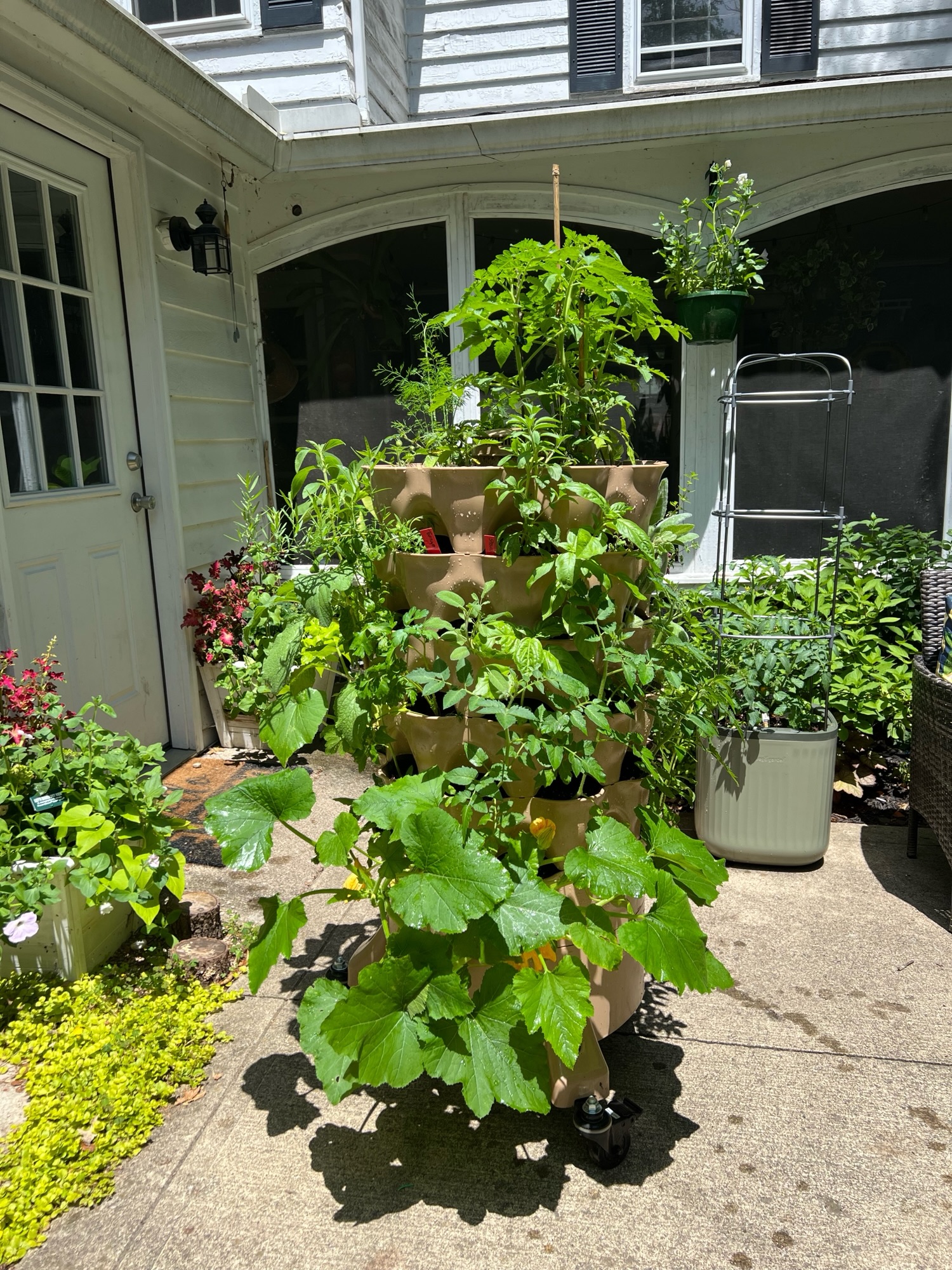
🌿 What Is Vertical Gardening?
Vertical gardening is a method of growing plants upward using structures like towers, walls, trellises, or stacked planters. Instead of spreading out horizontally, vertical gardens grow tall perfect for small spaces, balconies, patios, or anywhere gardening space is limited.
This gardening approach makes the most of vertical space, letting you grow more plants in a smaller footprint. That means more herbs, veggies, ornamentals and flowers without needing a large yard. Vertical planters can be made from soil, hydroponic systems (water and nutrient based), or even recycled materials like pallets or pockets on a wall.
Benefits include:
- Maximized space — great for apartments and small yards.
- Easier access — less bending for planting and harvesting.
- Better airflow — can reduce disease pressure.
- Creative styling — beautiful living walls and garden towers.
Whether you’re just getting started or want to expand your gardening skills, vertical gardening offers a practical and rewarding way to grow more in less space.

🌼 Why Vertical Gardening Is Ideal for New Gardeners
Vertical gardening takes many of the intimidating parts of traditional gardening and makes them easier for beginners:
Easier on the Body
Instead of kneeling and bending down, vertical planters bring your plants up to eye level or waist height. That means less strain on your back and knees especially helpful if you’re new to gardening or have limited mobility.
Simplified Space Management
Small spaces are still very productive. You can fit dozens of plants in a balcony corner or against a patio wall without crowding your space. This frees up ground space for other uses or plants.
Better Sunlight & Airflow
Stacked layers of plants can get more balanced sunlight than crowded horizontal beds. Good airflow also helps prevent fungal issues that can occur in dense, ground-level plantings.

🛠️ Types of Vertical Gardening Planters
Soil-Based Vertical Planters
Soil planters use traditional potting mix, making them a great choice for beginners who want a low-tech setup. Systems like GreenStalk planters and The Tower Garden Project Planters provide multiple pockets of soil stacked securely, ideal for veggies, herbs, and flowers.
Hydroponic & Aeroponic Systems
Hydroponics and aeroponics grow plants without soil, using water and nutrient solutions instead. These systems, like Tower Garden designs, can speed up plant growth and reduce water use because they deliver nutrients more directly to plant roots.
Pocket & Wall Planters
These hang on walls or fences and are perfect for herbs or small ornamentals. They’re often the most affordable and space-efficient option for balconies or indoor walls.

🌱 How to Choose the Right Vertical Planter
Think About Your Space
Measure available walls, balcony corners, or patio areas. Taller systems suit outdoor spaces, while wall planters fit indoors or under covered patios.
Material & Durability
UV-resistant plastic, cedar wood, and powder-coated metal all have different lifespans. Outdoor planters should resist sun and rain exposure. For example, cedar is naturally rot-resistant, making it a good choice for outdoor vertical planters.
Your Budget
Vertical planters come in a huge price range. Simple wall pockets can cost under $50, while aeroponic systems with pumps and timers can run several hundred dollars. Decide how much you want to invest based on your gardening goals.

🌿 Top Vertical Garden Planters You Can Buy
Here are some of the best vertical garden planters available now great for beginners and small spaces:
Tower Garden Home Vertical Aeroponic Support Cage
Tower Garden Home Vertical Aeroponic Support Cage – A fully integrated aeroponic vertical garden system perfect for leafy greens and herbs; ideal for beginners and indoor/outdoor spaces.
$1360.00

Garden Tower 2 | 50‑Plant Composting Vertical Garden Planter
Garden Tower 2 | 50‑Plant Composting Vertical Garden Planter – Soil-based tower with built-in composting, great for veggies and herbs and ideal if you want to recycle kitchen scraps into compost.
$399.00

GreenStalk Garden Original Vertical Planter
A classic soil vertical planter with multiple pockets for veggies, herbs, and flowers.
$149.00

Homdox 5‑Tier Vertical Garden Planter
$59.99

Premium Cedar Vertical Planter
$81.56

Dollar Tree Garden Tower
This is a cheaper option for those who don’t want to spend a ton of money. $1.50 for each layer

🌊 Aeroponic & Hydroponic Planters
- Tower Garden Home Vertical Aeroponic Support Cage – A fully integrated aeroponic vertical garden system perfect for leafy greens and herbs; ideal for beginners and indoor/outdoor spaces.
- Garden Tower 2 | 50‑Plant Composting Vertical Garden Planter – Soil-based tower with built-in composting, great for veggies and herbs and ideal if you want to recycle kitchen scraps into compost.
- Gardyn Home – Smart indoor hydroponic garden that grows 30 fresh vegetables, herbs, and greens in 2 sq ft. 24/7 plant monitoring and automated watering and lighting keep them thriving.

🌿 Soil-Based Tower Planters
- GreenStalk Garden Original Vertical Planter – A classic soil vertical planter with multiple pockets for veggies, herbs, and flowers. GreenStalk Garden
- Homdox 5‑Tier Vertical Garden Planter – Budget-friendly vertical planter tower for small yards or patios.
- Garden Tower 2 | 50‑Plant Composting Vertical Garden Planter – Soil-based tower with built-in composting, great for veggies and herbs and ideal if you want to recycle kitchen scraps into compost.
🌻 Alternative & Creative Options
- Premium Cedar Vertical Planter – Beautiful cedar leaning planter that adds style and function outdoors.
- The Rail V2 Vertical Rail Planter Kit – Modular wall-mounted planter kit for creative indoor/outdoor displays.
- Nuvue 2‑in‑1 Vertical Garden Bed – A versatile self-watering vertical garden bed with a water level window.

🪴 Step-by-Step Setup for Your First Vertical Garden
- Choose the right planter for your space — tall towers for outdoor patios, wall kits for balconies.
- Select quality potting mix (for soil planters) or appropriate nutrient solution (for hydroponics).
- Position for sunlight — most veggies and herbs need 6+ hours of sun.
- Plant seedlings or seeds following depth and spacing recommendations.
- Water consistently and monitor drainage to avoid rot or dehydration.
🪴 Best Plants for Vertical Gardens
- Leafy greens: lettuce, spinach, kale
- Herbs: basil, parsley, cilantro
- Edibles: strawberries, peppers, bush tomatoes
- Flowers: marigolds, petunias, pansies
💦 Watering & Fertilizing Tips
Vertical gardens can dry faster than ground gardens, so check soil moisture often. Use a balanced liquid fertilizer to feed plants every 2-4 weeks during the growing season. Hydroponic systems typically use nutrient solutions designed for specific plant types.

🔧 Maintenance & Troubleshooting
Common issues include uneven watering, pests, or insufficient light. Rotate towers occasionally to ensure even sun exposure and inspect leaves regularly for pests like aphids or spider mites.
🧠 Quick Takeaways
- Vertical gardening maximizes limited space for beginners.
- Choose from soil-based, hydroponic, or wall-mounted planters.
- Good lighting and proper watering are key.
- Many vertical planters are beginner-friendly and low-maintenance.
- You can grow herbs, veggies, and flowers successfully in vertical systems.

❓ FAQs
1. What is the easiest vertical gardening planter for beginners?
Budget soil-based towers like GreenStalk planters make gardening simple with planting pockets and easy assembly.
2. Can I grow vegetables in a vertical garden?
Yes, leafy greens, herbs, and shallow-rooted veggies thrive in vertical planters with good light.
3. Do vertical gardens need special watering systems?
Hydroponic systems include built-in watering, while soil towers may require daily checks in hot weather.
4. Are vertical planters suitable for indoors?
Yes, wall-mounted pockets and aeroponic towers are great for bright indoor spaces.
5. How much sunlight do vertical gardens need?
Most edible plants need at least 6 hours of direct sunlight. Adjust placement accordingly.
Want To Learn More?
IF YOU LIKE THIS POST
You might also like these:
- How to Get Your Orchids to Bloom Again!
- How to Display Your Orchids Beautifully
- Orchid Care Mistakes to Avoid!
We’d love to hang out with you on our social channels. You can subscribe to our blog and find us on Facebook, Youtube, Instagram and Pinterest! Feel free to reach out if you have any plant questions!

The Thrifted Planter
Ciearra is a gardener and houseplant enthusiast of over 10 years! She has been growing indoors and outdoors. Supplying food for her family and beautifying her home with annuals, perennials and houseplants! Ciearra is passionate about sharing her knowledge of plant care with anyone who needs help or a quick plant growth tip! When she’s not blogging you can find her tending to her chickens, dogs and hanging out with her family
Nestera Chicken Coop

Park Seed
Garden Tower Project
Vego Garden Beds

Botanical Interests
Amazon Favorites!

Hoselink
Web Stories


