Best Flowers to Grow for a Cut Flower Garden
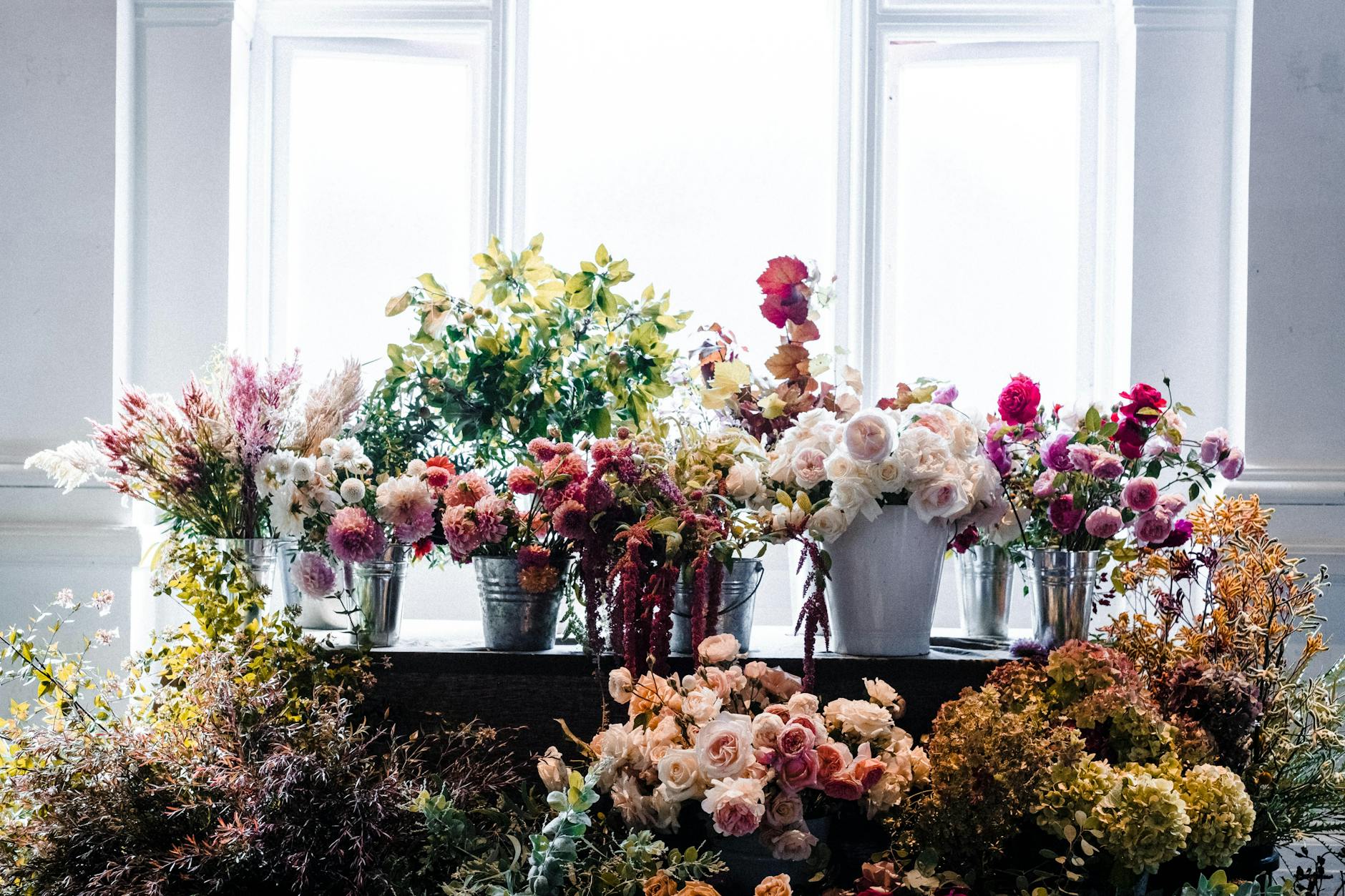
Growing your own cut-flower garden isn’t just about beauty it’s about purpose, harvest, and creating living arrangements steeped in your soil, climate, and design sense. You’ll learn what criteria make a cut flower “cut-worthy,” how to plan your beds so you have blooms from spring through frost, which annuals, perennials, and specialty flowers perform best, and how to care, harvest, and design with them. Plus, we’ll look ahead at 2026 trends you’ll want to weave into your garden now. If you want long-stem blooms, strong vase life, and a garden that delivers bouquets for your table (or market), you’re in the right place.

So Why Grow a Cut Flower Garden?
A cut flower garden offers more than just decorative charm it’s a seasonal promise of color, fragrance, and connection. Here are some of the big draws and trade-offs:
- Fresh blooms for your own home: Flowers picked from the garden avoid travel, preservatives, and the cost markup of cut stems.
- Creative expression & well-being: Designing color palettes, arranging bouquets, interacting with living plants it’s therapeutic.
- Sustainability & local sourcing: Growing your own reduces reliance on imported flowers, cuts down on packaging, and allows you to control what’s used in soil and treatments.
- Economical over time: Though some plants cost more upfront (perennials, tubers), many return year after year or self-sow, offsetting costs.
On the flip side, you’ll need commitment: time for planting, deadheading, watering; knowledge about climate, soil, pests; planning to avoid bloom gaps; and a willingness to experiment (because not every variety will thrive in your garden). But if you value flowers in your everyday life bouquets for dinner tables, gifts, decor, or simply seeing color where you walk then a cut flower garden can be deeply rewarding.

How to Choose Flowers for Cutting
To get the most from your cutting garden, select varieties based on certain traits and adapt to your region. Here are what to look for.
Key Criteria: Long Stems, Vase Life, Repeat Bloom
- Long stem matters both for vase presence and for arranging: taller stems give focal height; shorter ones fill in.
- Vase life: Even a very pretty bloom is less useful if it wilts in a day. Some flowers (like strawflower, statice) also double as drying flowers.
- Repeat bloom or “cut and come again” behavior is ideal: it means frequent harvests, more for less work (e.g. zinnias, cosmos, snapdragons).
Annuals vs Perennials vs Bulbs / Specialty Varieties
| Type | Pros | Cons |
|---|---|---|
| Annuals | Fast to flower, wide variety, flexible for succession planting | Need replanting each year; sometimes more susceptible to heat/frost |
| Perennials | Return year after year; good for backbone of garden; often more resilient | Some take time to establish; sometimes shorter bloom windows; may need division or winter protection |
| Bulbs/Tubers/Specialties | Spectacular focal blooms; dramatic shape and color; often high vase value | Can be costly; may need lifting or winter storage; longer lead time to bloom |

Foliage, Texture & Filler
- Greens and fillers (eucalyptus, lamb’s ear, ornamental grasses, seed pods) boost bouquet design, fill gaps, reduce reliance on flowers alone.
- Texture adds interest: soft feathery foliage, spiky leaves, seed heads.
- Filler flowers may also be low maintenance and long lasting in arrangements.
Climate, Zone & Micro-Conditions
- Choose heat or drought tolerant varieties if your summers are hot or dry.
- If you have long winters, select hardy perennials or look for cultivars bred for cold tolerance.
- Consider sun exposure, soil type, drainage. A shaded area may benefit less floriferous but shade-loving cut flowers.
- Local seed varieties may adapt better to pests, humidity, and day length.
Planning Your Cut Flower Garden
Even with the best varieties, your harvest depends heavily on planning. Here’s how to set up your garden for consistent, beautiful bouquets.
Garden Layout & Space Types
- Use raised beds for better soil control; in-ground rows where you have room; containers or smaller patches if space is limited.
- Design beds with paths wide enough for harvesting access without stepping on plants (e.g. 18-24” paths).
- Put tall plants in back or center (if viewable from all sides), shorter ones in front. Use supports or trellises for spiky or tall stem flowers (cosmos, gladiolus, dahlias).
Succession Planting & Bloom Timeline Mapping
- Sow or plant in waves every 2-3 weeks for annuals so that bloom doesn’t peak all at once and leave gaps.
- Plan which flowers bloom early, mid, late season so you always have cuttable stems.
- Use a bloom timeline diagram to schedule planting, sowing, transplantation, even efficient use of early season bulbs.
Companion Planting, Crop Rotation & Soil Maintenance
- Rotate plant families (e.g. avoid planting bulbs/tubers in the same spot year after year) to reduce disease buildup.
- Mix in plants that repel pests or attract beneficial insects.
- Use cover crops and compost to restore fertility; don’t overuse fertilizers.

Top Flower Varieties to Grow (for Cutting Gardens)
Here are excellent picks for cut flowers, grouped by type, that meet criteria for stem length, vase life, and repeat bloom.
Annual Cut Flowers
- Zinnias: Quick to flower, repeat bloom, long stem, lots of color options.
- Cosmos: Light, airy foliage; great as fillers and alone.
- Snapdragons: Line element; blooms over a span; re-bloom if cut well.
- Celosia / Strawflower / Statice: Excellent texture; many also dry well.
- Amaranth, Gomphrena: Bold spheres or plumes, great in mixed bouquets.
Perennial Cut Flowers
- Echinacea (Coneflower) & Rudbeckia: Tough, reliable, good summer/fall color.
- Liatris, Asters, Salvia: Great for late season; contrast and height.
- Delphinium, Shasta Daisy, Scabiosa: Elegant, classic; need support or good soil.
Bulbs, Tubers & Specialty
- Dahlias: Gorgeous focal blooms; many colors; require tuber storage in colder zones.
- Gladiolus: Tall and dramatic.
- Ranunculus, Lisianthus, Anemone: More challenging, but high payoff in color and form.
- Specialty accents: Larkspur, Bells of Ireland, Queen Anne’s Lace (Ammi), etc.
Drought / Heat-Tolerant & Low-Maintenance Picks
- Varieties like Rudbeckia and many native wildflower blossoms are often drought tolerant.
- Heirloom flowers tagged “drought tolerant” in seed catalogs (e.g. Thresh Seed Co.) often include sunflowers, zinnias, etc.

Season-by-Season Growing Guide
How to manage your garden through the year so you have steady harvests.
| Season | Key Tasks |
|---|---|
| Early Spring | Start seeds indoors for long-season or slow growers; prepare beds (soil, compost, pH); plan layout and order seeds. |
| Late Spring | Transplant hardy seedlings; direct sow annuals; mulching; install supports. |
| Summer | Deadhead regularly; water deeply; shade or protect as needed; pest/disease monitoring. |
| Late Summer / Early Fall | Sow seedlings for fall blooms (asters, hardy annuals); harvest abundantly; remove spent or diseased foliage. |
| Fall/Winter Prep | Dig and store tubers; divide perennials; mulch; amend soil; clean tools. |
Care, Maintenance & Troubleshooting
Even robust flowers need consistent care. Here are best practices and solutions for common issues.
- Soil & pH: Use compost, aged manure. Aim for soil pH around 6.0–7.5 depending on species.
- Watering & Mulch: Deep watering is preferable. Mulch to conserve moisture, suppress weeds, moderate soil temp.
- Deadheading & Pruning: Remove spent blooms to encourage repeat bloom. For many annuals, cutting when ½ open or when lower parts bloom helps.
- Pest / Disease Management: Aphids, powdery mildew, slugs, botrytis are common. Use disease-resistant varieties, ensure good air flow, avoid overhead watering, employ organic sprays if necessary.
- Weather Stress: Heat waves may collapse blossoms early; use shade cloth or morning watering. Frost risk: cover or harvest before cold.
Harvesting, Conditioning & Vase Life
To get the most from what you grow, harvest and treat your stems well.
- When to Harvest: Cut when flower buds are opening; use the “wiggle test” for zinnias and similar: a little flex in stem, not limp.
- Tools & Technique: Use sharp, clean pruners; cut at 45°; harvest early in day when plant is hydrated.
- Conditioning: Recut under water; plunge stems in clean water immediately; strip leaves below water line; use preservatives or sugar + bleach mix in vase if desired.
- Vase Life Extension: Keep flowers cool; fresh water changes every 2-3 days; avoid placing near heat or direct sun; remove faded blooms to prevent bacterial buildup.

2026 Trends in Cut Flower Gardening
Here’s what forecasters, botanical societies, and garden media are highlighting as trends you’ll want to include when choosing what to grow now, so your garden stays stylish, resilient, and productive.
- “Faded Petal” Color Palette
Soft, vintage-tinged blush-pink tones are being forecasted as the garden color trend of 2026. This includes pairing with silvery foliage, muted yellows, smoky blues and grayed greens. Flowers like antique roses, pink hydrangeas, persicaria, and aquilegia are examples. - Muted / Nostalgic & Soft Pastel Tones
Designers are shifting away from bright neon colors toward desaturated, soft yellows, butter tones, and pastel blends that evoke calm and nostalgia. - Drought-Tolerant & Heirloom Varieties
With climate pressures, more gardeners are selecting older (heirloom) flower varieties bred for resilience, and those explicitly labeled “drought tolerant.” Such seeds help in areas with less reliable water or more heat. - Dried & Preserved Flowers as Core Design Elements
Dried floral designs, preserved stems, and flowers that dry well (e.g. strawflower, statice, celosia) are no longer niche they’re increasingly central to garden and floral design. High quality preserved florals are gaining status for texture, permanence, and year-round use. - Structural & Wild / Naturalistic Garden Design
Layouts are more meadow-like, loose, allowing plants to mingle; structural elements (twigs, branches, foliage skeletons) are used; flowers arranged in garden with design for bouquet form in mind. - Color Storytelling & Unexpected Combinations
Combinations that evoke emotion (romantic, nostalgic, moody) are trending. Also accent colors like butter yellows or deep purples are used to temper soft palettes.
By planting some of these trend-aligned varieties and designing with these themes, your garden won’t merely yield flowers it’ll also feel current and expressive.
Design Tips & Arrangements from Your Garden
What you grow is only half of the fun the other half is turning your harvest into beautiful arrangements.
- Balance focal, line, filler & foliage: Use big flowers (dahlias, ranunculus) as focal points, line flowers (liatris, snapdragons) for height, fillers (cosmos, gomphrena), and foliage/greens to ground the bouquet.
- Texture and shape contrast: Combine soft petals with spiky foliage or seed heads. Use contrast in shape (round vs spire vs flat), in flower form, in leaf texture.
- Seasonal bouquet ideas:
• Early summer: pastel sweet peas, stocks, early ranunculus + greens
• High summer: zinnias, cosmos, celosia + bold foliage
• Late summer / fall: dahlias, asters, rudbeckia, grasses (also dried elements) - Garden-to-vase flow: Keep tools, buckets, vases near the garden; harvest into water buckets; arrange soon after harvest; place arrangements in cool spots.
- Color palettes: Use the 2026 trend of faded petal, muted pastels, butter yellows; add accent tones like deep jewel colors or warm greens. Think of bouquets not only as an afterthought but as something to plan: which flowers will bloom together, which colors harmonize.

Quick Takeaways / Key Points
- Choose flowers with long stems, repeat bloom, and good vase life.
- Mix annuals, perennials, and specialty bulbs for continuous bouquets.
- Succession planting keeps blooms coming; plan your bloom timeline.
- Drought-tolerant, heirloom, and trend-aligned colors like faded petal and muted pastels are increasingly important.
- Dried/preserved flowers and structural foliage extend beauty and usefulness year-round.
- Harvesting, conditioning, and careful vase care make a big difference in how long your cut flowers last.
- Design your planting setup not just for looks, but accessibility, bouquet flow, and combining elements (focal, filler, foliage) for beautiful arrangements.
Growing a cut flower garden is both art and science it requires choices based on beauty and practicality, planning as much as passion. With this guide, you have the tools to pick the best flowers to grow in your garden: selections that offer long stems, strong vase life, and repeat blooms; plans to map out your season; and trend-aware choices that keep your garden feeling both timeless and of the moment. Incorporate drought-tolerant and heirloom varieties, lean into muted palettes like the “faded petal” blush-pink tones, and plan for dried and structural elements for year-round interest.
Now is the time to make your planting list. Choose five annuals, three perennials, and one specialty or bulb variety that align with your climate and design taste. Sketch your bloom schedule, prep your soil, and you’ll be rewarded with bouquets, texture, and color flowing from your garden from early spring through frost. Your garden can be more than pretty it can be purposefully beautiful. Can’t wait to see what you grow!

FAQs
Q1: What are the easiest cut flowers to grow for beginners?
Some of the most beginner-friendly cut flower varieties include zinnias, cosmos, snapdragons, celosia, and strawflowers. These “cut and come again flowers” are fast-flowering, tolerate direct sowing, and reward regular cutting.
Q2: How do I preserve blooms or dry cut flowers for long-term use?
Choose flowers that dry well (strawflower, statice, celosia, gomphrena). Hang them upside down in a dark, dry place for 2-3 weeks, or use silica for delicate types. Condition stems first, then store in low humidity.
Q3: Which cut flowers work well in hot, dry climates or for low-maintenance gardens?
Look for drought-tolerant and heat-resistant options: many heirloom varieties, rudbeckia, sunflowers, zinnias, and native wildflowers. Good soil mulching, raised beds with proper drainage, and heat protection help too.
Q4: When is the best time to cut flowers for maximum vase life?
Early in the day when plants are well hydrated, when flower buds are just opening. Use a “wiggle test” for some blossoms (like zinnias): the stem should flex slightly but not be floppy. Always recut under water and place immediately in clean water.
Q5: How should I design my cut flower garden so I have continuous blooms and usable stems?
Use succession planting (sowing/plating in waves). Plan with bloom timeline in mind early spring, midsummer, late summer/fall. Mix annuals, perennials, and specialty blooms. Include filler and foliage. And layout beds for ease of harvest and good sunlight and airflow.
Want To Learn More?
IF YOU LIKE THIS POST
You might also like these:
- How to Get Your Orchids to Bloom Again!
- How to Display Your Orchids Beautifully
- Orchid Care Mistakes to Avoid!
We’d love to hang out with you on our social channels. You can subscribe to our blog and find us on Facebook, Youtube, Instagram and Pinterest! Feel free to reach out if you have any plant questions!

The Thrifted Planter
Ciearra is a gardener and houseplant enthusiast of over 10 years! She has been growing indoors and outdoors. Supplying food for her family and beautifying her home with annuals, perennials and houseplants! Ciearra is passionate about sharing her knowledge of plant care with anyone who needs help or a quick plant growth tip! When she’s not blogging you can find her tending to her chickens, dogs and hanging out with her family
Nestera Chicken Coop

Park Seed
Garden Tower Project
Vego Garden Beds

Botanical Interests
Amazon Favorites!

Hoselink
Web Stories


