How to Get Orchids to Bloom Again (Beginner-Friendly Guide)
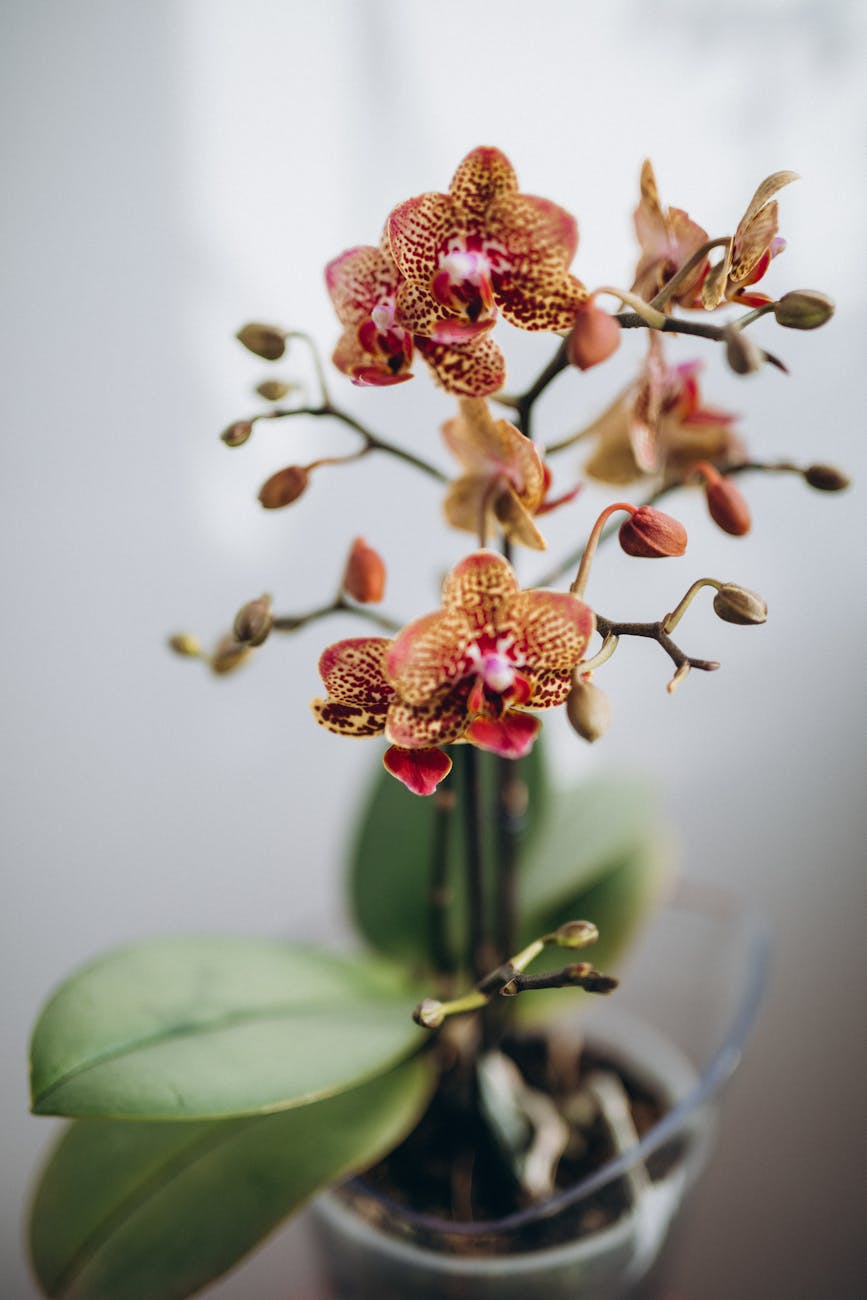
Orchids are among the most popular houseplants in the world thanks to their elegant blooms and exotic beauty. But if you’re a new plant keeper, you might find yourself wondering: Why won’t my orchid bloom again? You’re not alone, many orchid owners enjoy the first flush of flowers only to see their plant enter a long resting phase.
The good news is, encouraging an orchid bloom isn’t as mysterious as it seems. With the right care light, water, temperature, and a little patience you can coax those breathtaking flowers back year after year.
In our guide, you’ll learn:
- The natural blooming cycle of orchids
- Why orchids stop flowering and what that means
- Beginner-friendly steps to rebloom your orchid
- Common mistakes to avoid
- Practical tips from orchid enthusiasts
Whether you’ve just received your first Phalaenopsis as a gift or you’re adding orchids to your growing houseplant collection, this guide will give you everything you need to bring back those vibrant blooms.

Understanding the Orchid Bloom Cycle
Orchids don’t bloom continuously but they do bloom for a long time. They follow a rhythm. Once those striking flowers fade, your plant isn’t dying; it’s entering a resting stage. This period allows it to recharge energy through healthy leaves and roots before the next flowering season.
Dormancy vs. Decline: A healthy orchid in rest mode still has firm green leaves and healthy roots. A declining orchid shows shriveled leaves, mushy roots, or yellowing foliage. Beginners often panic when blooms drop, but this is natural think of it as your orchid “catching its breath” before the encore.

The Most Common Types of Orchids for Beginners
Not all orchids behave the same way.
- Phalaenopsis (Moth Orchid): The most beginner-friendly, often reblooms once or twice per year indoors.
- Dendrobium: Known for cane-like stems; prefers seasonal temperature changes.
- Cattleya: Produces large, fragrant blooms but requires more light.
Understanding which orchid you have is half the battle in predicting when and how it will bloom again.
Light Requirements for Orchid Blooms
Light is the single biggest factor in whether an orchid blooms again. Without enough light, orchids will happily grow leaves but never produce flowers.
Window Placement: East-facing windows are best for Phalaenopsis. South or west-facing can work with filtered curtains. North windows rarely provide enough light.
Grow Lights: LED grow lights can supplement during winter months, especially in low-light homes.

Temperature and Humidity: Bloom Triggers
Orchids evolved in tropical and subtropical climates where day/night temperature differences trigger blooms.
- Phalaenopsis orchids often need a nighttime drop of 10–15°F for several weeks to initiate spikes.
- Humidity should hover around 50–70%. You can achieve this with pebble trays or small humidifiers.
Many beginners over focus on fertilizer, but often it’s the lack of a temperature shift holding back blooms.
Watering Practices That Support Flowering
Watering is a balancing act.
- Overwatering suffocates roots, leading to rot.
- Underwatering shrivels roots and slows bloom development.
A good rule is to water when the potting medium feels nearly dry but not bone-dry. Clear pots help you see root health plump green roots signal hydration; silvery roots signal thirst.
Fertilizer Strategies for Strong Blooms
Fertilizer fuels blooming.
- Use a balanced orchid fertilizer (20-20-20) during growth.
- Switch to a bloom booster (higher phosphorus) before expected blooming.
- Follow the “weakly, weekly” rule dilute to half-strength and feed every week.
Avoid overfertilizing it burns roots and delays flowers.

Pruning and Spike Care After Flowering
Once blooms drop, examine the spike.
- If it’s green and healthy, you may get a side branch and more flowers.
- If it’s brown and dry, cut it at the base.
This small choice can save months of waiting for rebloom.
Repotting and Pot Choice for Reblooming Success
Repot orchids every 1–2 years, especially when the bark mix breaks down. Stale media suffocates roots.
- Best mixes: Bark, perlite, and sphagnum moss combinations.
- Pot choice: Clear nursery pots help monitor roots. Decorative pots are fine if they have drainage holes.
Common Mistakes That Prevent Orchids From Blooming
- Overwatering and overfertilizing
- Keeping orchids in low light for months
- Ignoring seasonal cues (temperature and day length)
Unique tip: Don’t repot while spikes are forming it can shock the plant and stall blooming.
How Long Does It Take Orchids to Rebloom?
- Phalaenopsis: 6–12 months after last bloom
- Dendrobium: once a year, typically in spring
- Cattleya: once or twice yearly depending on variety
Patience is crucial forcing a bloom too soon weakens the plant long-term.

Troubleshooting Non-Blooming Orchids
If months go by with no spike, ask:
- Is my orchid getting enough light?
- Did I provide a temperature shift?
- Are roots healthy?
If all looks well, your orchid may just need more time. Joining a local orchid society can give you tailored advice.
Quick Takeaways
- Orchids naturally rest after blooming it’s not a sign of failure.
- Light and temperature changes are the biggest bloom triggers.
- Proper watering and “weakly, weekly” feeding support healthy spikes.
- Prune wisely: green spikes can rebloom, brown ones should be cut.
- Patience is your best tool reblooming takes months, not weeks.
FAQs About Orchid Bloom Care
1. Why won’t my orchid bloom again?
Usually due to insufficient light or lack of temperature change.
2. How long does it take orchids to rebloom?
Phalaenopsis can take 6–12 months, while other types follow seasonal cycles.
3. Should I cut the orchid spike after blooms drop?
Yes, if it’s brown. If green, you can leave it for potential side blooms.
4. Do orchids need fertilizer to bloom?
Yes, but lightly use diluted fertilizer weekly during growth and before blooming.
5. Can I use regular potting soil for orchids?
No. Orchids need airy mixes like bark or moss for healthy root growth.
Encouraging an orchid bloom isn’t about luck it’s about understanding the plant’s natural rhythm and giving it the right environment to thrive. For new houseplant keepers, the most important lessons are patience, consistency, and observation. Watch your orchid’s leaves and roots, adjust light and temperature when needed, and don’t panic during the resting stage.
When you succeed and those flower spikes emerge, the reward is worth the wait. With these beginner-friendly tips, you’ll not only bring your orchids back to bloom but also develop confidence in caring for one of the most enchanting houseplants in the world.
So grab your watering can, adjust that window placement, and start watching for signs of life your next orchid bloom may be just around the corner.
Want To Learn More?
IF YOU LIKE THIS POST
You might also like these:
- How to Display Your Orchids
- Orchid Care Mistakes your Making
- Orchid Potting Mix and the Perfect Pots
We’d love to hang out with you on our social channels. You can subscribe to our blog and find us on Facebook, Youtube, Instagram and Pinterest! Feel free to reach out if you have any plant questions!
DISCLOSURE
This blog post may contain affiliate links. Which means if you click on a link and go on to buy the product I recommend, I may get a small commission at no extra cost to you.
Thank you for your support. It means the world to us!

The Thrifted Planter
Ciearra is a gardener and houseplant enthusiast of over 10 years! She has been growing indoors and outdoors. Supplying food for her family and beautifying her home with annuals, perennials and houseplants! Ciearra is passionate about sharing her knowledge of plant care with anyone who needs help or a quick plant growth tip! When she’s not blogging you can find her tending to her chickens, dogs and hanging out with her family
One response to “How to Get Orchids to Bloom Again (Beginner-Friendly Guide)”
Leave a Reply
Nestera Chicken Coop

Park Seed
Garden Tower Project
Vego Garden Beds

Botanical Interests
Amazon Favorites!

Hoselink
Web Stories


[…] How to Get Your Orchids to Bloom Again! […]