Pilea Aquamarine Plant Care
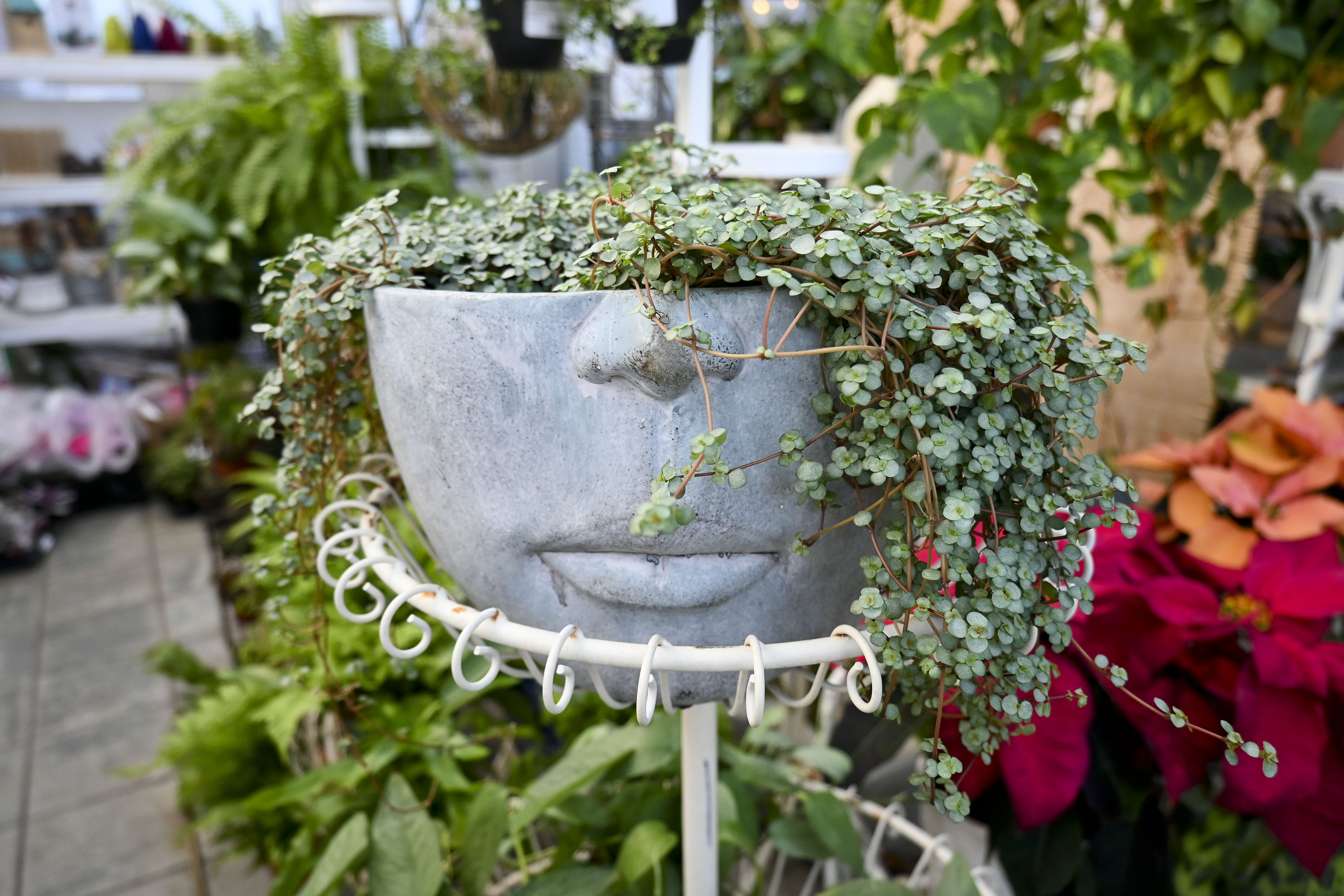
The Pilea aquamarine is a beautiful foliage plant, with its compact and bushy growth habit it can fit anywhere in your home. The plant typically remains relatively small, making it an excellent choice for tabletops, shelves, or as part of a decorative arrangement. Its small size, combined with its eye-catching tiny foliage, has made it a popular choice among indoor plant enthusiasts and collectors.
Pilea aquamarine, also known as Pilea glauca ‘Aquamarine’, is native to the rainforests of Central and South America. While its exact origin point within these regions isn’t always specified, information suggests it thrives in the humid and shaded undergrowth of the rainforest floor like a ground cover. Because of this we can infer that this plant may like lower filtered light and humidity.

Pilea Aquamarine Plant
Caring for a Pilea aquamarine is relatively “easy”, making it suitable for both beginners and experienced plant enthusiasts. Pilea plants thrive in bright, indirect light, but they can tolerate lower light conditions. In it’s natural habitat as an understory plant it likely received filtered light.
Pileas prefer well-draining soil and should be watered moderately, allowing the top inch of soil to dry out between waterings. Overwatering should be avoided to prevent root rot.
The Pilea aquamarine is known for its ability to produce “pups” or offsets, allowing it to propagate easily. These small plantlets can be separated and potted. They are great for sharing with other plant loving people!
As with many houseplants, the Pilea aquamarine has gained popularity not just for its ease of care but also for the joy it brings through its vibrant appearance, making it a delightful addition to any indoor plant collection. Whether placed on a desk, a windowsill or as part of a decorative display, the Pilea aquamarine adds a touch of elegance and natural beauty to indoor spaces. It makes a great plant to take to work and have on your desk.
Why the Pilea Aquamarine Plant?
Below is a brief overview followed by our in depth care guide.
Easy care:
- Low maintenance: They don’t require constant attention and thrive with neglect, making them ideal for busy plant parents.
- Tolerant: They adapt to a range of light conditions, from medium to bright indirect light, and can survive occasional underwatering or overwatering.
- Slow growth: They grow relatively slowly, so you won’t need to repot them frequently.
Aesthetic appeal:
- Unique foliage: Their delicate, silvery-green leaves with contrasting red stems add a touch of elegance and texture to any room.
- Trailing habit: They can be grown in hanging baskets or allowed to trail over pot edges, creating a cascading effect.
- Non-toxic: They’re safe for pets and children, making them a worry-free addition to any household.
Additional benefits:
- Air purification: They help purify the air by removing pollutants like formaldehyde and benzene.
- Stress relief: Studies suggest caring for plants can reduce stress and improve mood.
However, there are a few things to keep in mind:
- Humidity: They prefer slightly higher humidity than average but can tolerate normal household humidity. Misting the leaves occasionally can be beneficial.
- Cold sensitivity: They’re not frost-hardy and should be protected from temperatures below 40°F (4°C).
- Susceptibility to pests: While generally pest-resistant, they can attract mealybugs or spider mites, especially in dry conditions.
Related Posts you may be interested in:
- The Best Aroid Soil Mix for Aroids
- How to Propagate Peperomia Raindrop
- Philodendron Gloriosum Care Guide

Pilea Aquamarine Plant Care Guide:
Light
The aquamarine pilea thrives in medium to bright indirect sunlight. This means they appreciate plenty of light but not harsh, direct sunbeams.
Let’s breakdown the best lighting conditions:
Ideal lighting:
- East-facing window: This provides abundant morning light without the scorching afternoon sun.
- North-facing window: Offers consistent, filtered light throughout the day.
- West-facing window: This can work if filtered by sheer curtains or placed slightly away from the window to avoid too much light in the afternoon.
Bad Lighting:
- South-facing window: Direct sunlight can burn the delicate leaves.
- Deep shade: Low light will lead to leggy growth and pale foliage.
Signs of bad lighting:
- Lanky growth with large gaps between leaves indicates too little light.
- Pale or yellowing leaves can also be a sign of insufficient light.
- Sunburned patches or brown, crispy leaves occur with too much direct sunlight.
Tips for proper lighting:
- Rotate your plant regularly to ensure even growth.
- During winter months, when natural light is reduced, consider using a grow light to supplement the lighting needs.
- Pay attention to your plant’s response and adjust the position as needed.
Remember: Aquamarine pileas are versatile and can adapt to a range of light conditions. However, providing them with the right amount of light will ensure they thrive and showcase their beautiful foliage. If your home lacks the right amount of light you can add in artificial light with grow lights.
Temperature:
The ideal temperature range for growing Pilea glauca ‘Aquamarine’ indoors falls between 65°F and 75°F (18°C and 24°C). They love a cozy environment and thrive in these warm, temperate conditions.
Let’s break down temperature:
Optimal range (65°F – 75°F):
- Happy plant: Your Pilea will exhibit healthy growth, and vibrant foliage, and potentially even produce baby plantlets.
- Active growth: The warmer temperature fosters efficient nutrient uptake and photosynthesis, leading to optimal growth.
Cooler temperatures (below 60°F):
- Stunted growth: Your Pilea may grow slower or even stall altogether.
- Leaf drop: Lower temperatures can stress the plant, causing it to drop leaves to conserve energy.
- Dormancy: If the temperature goes down significantly, your Pilea might enter a dormant state, where growth slows down or stops completely.
Hotter temperatures (above 80°F):
- Increased water demand: The plant will require more frequent watering to avoid dehydration.
- Sunburn risk: Direct sunlight can be harsher at higher temperatures, potentially scorching the leaves.
- Stress: Very hot temperatures can stress the plant, leading to wilting, drooping, and potential leaf loss.
Tips for maintaining ideal temperatures:
- Place your Pilea away from drafts, windowsills, or air conditioners to avoid sudden temperature fluctuations.
- Use a thermostat to monitor the room temperature and adjust accordingly.
- Grouping plants together can help create a microclimate with slightly higher humidity and more stable temperatures.
- During peak summer, provide shading if your Pilea receives direct sunlight, especially during the hottest hours.
Remember: Consistency is key. Sudden temperature changes can stress your Pilea. Aim to maintain a comfortable, stable temperature range within the ideal zone as much as possible for optimal growth and well-being.

Pilea Aquamarine Soil Mix
The best soil mix for your Pilea aquamarine should achieve the delicate balance between moisture retention, aeration, and excellent drainage. Below are some soil mixes for you to consider.
Commercial potting mixes:
- Light and well-draining: Look for pre-mixed soil labeled for cacti and succulents, African violets, or indoor foliage plants. These often contain a blend of peat moss, perlite, and coco coir, offering good drainage and aeration.
- Adding additional perlite: Even with a pre-mixed option, consider adding 10-20% extra perlite to further enhance drainage, especially if your pot doesn’t have drainage holes.
DIY potting mix:
- Classic recipe: Mix equal parts peat moss or coco coir, perlite, and compost or worm castings. This offers a balance of moisture retention, drainage, and nutrients.
- Alternative recipe: For faster drainage, consider a 2:1:1 ratio of peat moss/coco coir, perlite, and compost/worm castings.
Important considerations:
- Drainage is crucial: Pilea aquamarine dislikes soggy soil and is prone to root rot if your drainage is bad. Ensure your pot has drainage holes and choose a soil mix that drains well.
- Avoid heavy or clay-based soils: These can retain too much moisture and suffocate the roots.
Additional tips:
- Top-dress your soil with compost or worm castings every few months to provide additional nutrients.
- Repot your Pilea every 2-3 years using fresh potting mix to ensure optimal drainage and avoid soil compaction.
Remember, the best soil mix is a well-drained soil the one that works best for your specific conditions. Watch your Pilea and adjust the mix or watering frequency if needed. If you’re unsure, opting for a commercial potting mix with good drainage is a safe bet.
Repotting Pilea Aquamarine
Your Pilea enjoys being slightly rootbound and doesn’t require frequent repotting. However, when it does outgrow its current pot or shows signs of needing a refresh, knowing the right method and timing for repotting is crucial for its continued health and happiness.
When to repot Pilea Aquamarine:
- Signs of root boundness: Look for roots peeking out of drainage holes, circling the soil mass tightly, or even pushing the plant up out of the pot. Slow growth, wilting despite consistent watering, and soil drying out very quickly can also indicate rootboundness.
- Pot size: If the current pot is less than 2 inches larger than the root ball, consider repotting to provide more space for growth.
- Soil compaction: After two to three years, your potting mix can compact, inhibiting drainage and aeration. Repotting with fresh soil refreshes the environment for your plant.
How to repot Pilea Aquamarine:
- Choose the right pot: Select a pot slightly larger than the existing one, ideally 1-2 inches wider in diameter. Opt for a pot with drainage holes to avoid waterlogging.
- Prepare the new pot: Fill the new pot with a well-draining potting mix suitable for pilea plants. Adding perlite or pumice to the mix further improves drainage.
- Gently remove the plant: Carefully tip the old pot on its side and gently tap the sides to loosen the soil. Slide the plant out, holding the foliage to avoid damage.
- Loosen the roots: Tease apart the root ball slightly without breaking them too much. Remove any dead or circling roots.
- Position the plant: Place the Pilea glauca in the new pot at the same depth as it was in the old one. Fill the pot with fresh potting mix, gently firming it around the base of the plant.
- Water thoroughly: Water the repotted plant until water drains freely from the drainage holes.
Aftercare:
- Place the plant in bright, indirect light.
- Water moderately: Allow the top inch of soil to dry before watering again. Avoid overwatering, especially in the immediate days after repotting.
- Mist the leaves occasionally: This can help the plant adjust to the new environment, especially if the humidity is low.
- Avoid fertilizing for a few weeks: Allow the plant to recover from repotting before feeding it again.
Additional tips:
- Repotting is best done in spring or summer when the plant is actively growing.
- If your Pilea glauca is flowering, you can wait until the blooms fade before repotting.
- You can replant multiple Pilea glauca together in a slightly larger pot for a fuller look.

How to water your Pilea Aquamarine Plant
Here are some tips for watering your Pilea:
General principles:
- Water when the top inch of soil feels dry to the touch. Sticking your finger in the soil is the best way to gauge moisture. Avoid watering on a schedule, as soil drying time can vary based on factors like pot size, temperature, and sunlight.
- Thorough but infrequent watering is ideal. Water the soil until it flows freely out the drainage holes, then wait until the top inch dries again before watering again. Avoid shallow watering that only moistens the surface.
- Empty the drainage tray after watering. Don’t let the plant sit in water, as this can lead to root rot. Allow excess water to drain from the pot then empty the drip tray.
Seasonal adjustments:
- Water more frequently in summer, especially if your Pilea receives direct sunlight or the temperature is high. Aim for watering every 1-2 weeks.
- Water less frequently in winter, as the plant goes into a slightly slower growth phase. Watering every 2-3 weeks might be sufficient, depending on the temperature and humidity.
Signs of overwatering:
- Wilting leaves: This can be counterintuitive, but wilting can occur due to root rot from overwatering.
- Yellowing or browning leaves: This could indicate waterlogging or nutrient deficiency due to root damage.
- Dropping leaves: Excessive leaf drop is a sign of stress, and overwatering is a common culprit.
- Soft, mushy stems: This is a clear sign of advanced root rot, requiring immediate action.
Tips for avoiding overwatering:
- Use a pot with good drainage holes. Clay pots with drainage holes provide better aeration and evaporation compared to plastic pots.
- Choose the right soil mix. A well-draining mix with perlite or pumice will help water drain through quickly.
- Don’t water on a schedule. Always check the soil moisture before watering, and adjust the frequency based on your specific conditions.
- Avoid direct sunlight: Intense sunlight can increase water evaporation, leading to more frequent watering needs. Make sure your Pilea receives enough light for healthy growth.
Your pilea aquamarine is a forgiving plant, and it can often recover from mild overwatering if caught early. If you suspect your plant is overwatered, stop watering immediately and allow the soil to dry completely before resuming watering with the tips above in mind.
Does Pilea Aquamarine need Humidity?
While Pilea aquamarine doesn’t require high humidity to survive, they do appreciate slightly higher humidity than the average household level. Ideally, they prefer humidity levels around 50-60%. However, they can tolerate the typical indoor humidity of 40-50% without too much difficulty.
Here’s a breakdown of how humidity affects Pilea aquamarine:
Higher humidity (50-60%):
- Thriving plant: Higher humidity encourages healthy growth, promotes glossy foliage, and can reduce the risk of leaf curling or browning.
- Active Growth: Adequate humidity aids in transpiration, the process by which plants release water vapor through their leaves, which helps regulate temperature and nutrient transportation.
Lower humidity (40-50%):
- Tolerable but with potential for:
- Slower growth: Lower humidity can lead to less vigorous growth compared to ideal conditions.
- Leaf curling or browning: Dry air can cause the edges of leaves to curl or dry out and turn brown.
- Increased watering needs: To compensate for increased water loss through transpiration, you might need to water your Pilea more frequently.
Tips for increasing humidity:
- Group plants together: Plants naturally release moisture, so placing your Pilea with other houseplants can create a microclimate with higher humidity.
- Use a humidifier: This is the most effective way to directly increase humidity levels around your plant. Aim for a moderate setting in the 50-60% range.
- Place decorative pebble trays with water: While not as impactful as a humidifier, placing a tray with pebbles and water beneath your Pilea can create some localized humidity.
- Misting: While not a long-term solution, occasionally misting the leaves can provide a temporary boost in humidity. Do this sparingly, however, as excess moisture on leaves can attract fungal diseases.

How to Fertilize the Pilea Aquamarine Plant
Pilea aquamarine is relatively low-maintenance when it comes to fertilization. They don’t require frequent feeding and can easily grow happily with just the nutrients from a fresh potting mix. However, if you want to give them a little boost or encourage extra lushness and blooms, here are some tips for fertilizing them:
Frequency:
- Less is more: Pilea aquamarine is sensitive to over fertilization, so it’s better to err on the side of caution. Fertilize them monthly during the active growing season (spring and summer). During fall and winter, when growth slows down, reduce fertilization to once every 2-3 months or stop altogether.
Type of fertilizer:
- Balanced fertilizer: Choose a balanced fertilizer with an NPK ratio close to 1:1:1, representing equal parts nitrogen (N), phosphorus (P), and potassium (K). This provides a well-rounded nutrient spectrum for healthy growth.
- Liquid fertilizer: These are gentler and easier to control than granular fertilizers, making them ideal for sensitive plants like Pilea aquamarine.
- Organic fertilizers: Opting for organic options like fish emulsion or worm castings is a good choice for those who prefer natural approaches.
Application:
- Dilute: Always dilute the fertilizer to half the recommended strength to avoid burning the roots. Follow the instructions on the product label and adjust accordingly.
- Apply to moist soil: Never fertilize dry soil, as this can concentrate the fertilizer and damage the roots. Water your Pilea thoroughly before applying any fertilizer.
- Avoid the leaves: Keep the fertilizer off the leaves as it can cause burns. Apply it directly to the soil around the base of the plant.
Signs of over fertilization:
- Burnt leaf tips: Brown or crispy edges on the leaves can indicate fertilizer burn. Flush the soil with plenty of water to dilute the fertilizer and remove any buildup.
- Stunted growth: Ironically, overfertilization can sometimes lead to slow growth instead of boosting it. This is because the high salt content in fertilizer can damage the roots.
- Leaf drop: Excessive leaf drop can also be a sign of stress caused by over fertilization.
Remember: Consistency is key. Sticking to a regular but light fertilization schedule during the growing season will provide your Pilea aquamarine with the extra nutrients it needs to thrive. Fish emulsion and worm castings are my favorite way to fertilized plants.
They are natural and are less likely to cause fertilizer burn on your plants. Make sure to always observe your plant and adjust the frequency or type of fertilizer based on its response. This will help you find the perfect balance for optimal growth and vibrant foliage.
How to Propagate Pilea Aquamarine
Here are two easy methods for propagating Pilea plants:
1. Stem cuttings:
- Take cuttings: Choose healthy, non-flowering stems with several leaves. Ideally, cut just below a node (the little bump where a leaf meets the stem). Use sterilized scissors or shears to avoid introducing pathogens.
- Prepare the cuttings: Remove the bottom leaves, leaving 2-3 sets of leaves on each cutting. This reduces water loss and encourages root growth.
- Rooting method: Choose your preferred method:
- Water: Place the cuttings in a clean glass or jar with water, ensuring the nodes are submerged. Change the water every 2-3 days to prevent bacteria growth. You should see roots forming within a week or two. Once the roots are about an inch long, pot the cuttings in well-draining soil.
- Soil: Dip the cut ends of the stems in rooting hormone (optional) and plant them directly in small pots with a well-draining potting mix. Keep the soil slightly moist but not soggy. You should see new growth within a few weeks.
- Care for your new plants: Place the potted cuttings in bright, indirect sunlight and water them when the top inch of soil feels dry. Mist the leaves occasionally to maintain humidity, especially during the rooting stage.
- Enjoy your new Pileas! With proper care, your propagated Pilea Aquamarine should start thriving and putting out new leaves soon.
2. Pups:
- Separate pups: Sometimes, Pilea Aquamarine spontaneously produces little baby plants, or pups, at the base of the main plant. These pups have their own root system and can be easily separated.
- Gently remove the pups: Use a clean knife or your fingers to carefully separate the pups from the mother plant, minimizing root disturbance.
- Pot the pups: Plant the pups in individual pots with a well-draining potting mix. Water them when the top inch of soil feels dry.
- Provide similar care: Treat the pups like regular Pilea Aquamarine, offering bright, indirect light and moderate watering.
Tips for successful propagation:
- Use sharp, sterilized tools to prevent infections.
- Choose healthy, actively growing plant parts for cuttings.
- Ensure proper drainage for the new plants to avoid root rot.
- Maintain consistent moisture but avoid overwatering.
- Be patient! Rooting and new growth might take a few weeks to appear.
Common Pilea Glauca Issues
Pilea aquamarine is generally considered robust and resistant to pests and diseases. However, no plant is entirely immune, and it’s good to be aware of potential threats to keep your Pilea happy and healthy.
Common pests:
- Mealybugs: These fuzzy, white insects suck sap from leaves and stems, causing yellowing, wilting, and sticky residue. Look for their cottony masses, especially around leaf nodes and crevices.
- Spider mites: Tiny, web-spinning pests that feed on plant cells, causing pale or speckled leaves, webbing, and leaf drop. Inspect the undersides of leaves for signs of webbing or tiny moving dots.
- Aphids: Soft-bodied pests that cluster on leaves and stems, sucking sap and causing distorted leaves, stunted growth, and honeydew (sticky liquid). Look for green, brown, or black aphids gathered on foliage.
- Fungus gnats: These tiny flying insects don’t directly harm the plant, but their larvae feed on roots, potentially causing stunting and wilting. Look for adult gnats hovering around the soil and consider checking for root damage if suspicious.
Less common pests:
- Thrips: Tiny, slender insects that leave silvery streaks or scars on leaves and can cause distorted growth. Inspect the undersides of leaves for thrips and their droppings.
- Scales: Armored insects that suck sap from leaves and stems, leaving raised bumps or crusty formations. Check for these hard, immobile pests on various plant parts.
Diseases:
- Root rot: The most common disease, caused by overwatering and poor drainage. Symptoms include yellowing leaves, wilting, and mushy roots.
- Fungal leaf spots: Brown or black spots on leaves may indicate a fungal infection, often related to humidity or poor air circulation.
Tips for prevention and control:
- Inspect your Pilea regularly: Look for signs of pests or diseases at an early stage for easier treatment.
- Provide proper care: Good lighting, drainage, and watering practices make your Pilea less susceptible to problems.
- Isolate infected plants: Separate any affected plants to prevent pest or disease spread.
- Natural methods: Use insecticidal soap, neem oil, or horticultural oil sprays for mild pest infestations. For fungal issues, consider fungicides with copper or neem oil.
- Severe infestations or diseases: In severe cases, consider systemic insecticides or fungicides or consult a professional.
Early detection and intervention are key to managing pests and diseases effectively. By monitoring your Pilea Aquamarine closely and providing proper care, you can keep them thriving and avoid any problems before they get out of control.

Common Pilea Plants
There are a TON of fantastic Pilea varieties, each with their own unique charm!
Here are some of the most common and easy to find varieties:
By leaf shape:
- Round leaves:
- Chinese Money Plant (Pilea Peperomioides): The ever-popular “Pancake Plant” with adorable plump leaves.
- Friendship Plant (Pilea Involucrata): Delicate, almost translucent leaves with a sweet, bell-shaped inflorescence.
- Small leaves:
- Baby Tears (Pilea Depressa): Tiny, coin-shaped leaves that cascade beautifully in hanging baskets.
- Artillery Plant (Pilea Microphylla): A classic, dense foliage plant with tons of tiny leaves.
- Unique shapes:
- Moon Valley Plant (Pilea Mollis): Deeply textured, ruffled leaves with a beautiful purple flush.
- Norfolk Friendship Plant (Pilea Spruceana): Striking bronze-brown leaves with shimmering silver stripes.
- Clearweed (Pilea Pumila): Delicate, fern-like leaves with a slightly transparent quality.
Other features:
- Variegation:
- Aluminum Plant (Pilea Cadierei ‘Variegata’): Silvery stripes on deep green leaves, earning it the “Aluminium Plant” nickname.
- Pilea Peperomioides ‘White Splash’: Green leaves splashed with vibrant white variegation.
- Trailing habit:
- Creeping Charlie (Pilea Nummulariifolia): Tiny, round leaves cascading from trailing stems.
- Pilea Repens: Black-leaved beauty with a vining growth habit.
- Unusual features:
- Pilea Globosa: A miniature, almost spherical succulent pilea.
- Pilea Serpyllacea: Features tiny, blue-green leaves and contrasting red stems.
This is just a teeny glimpse into the wonderful world of Pileas! With so many to choose from, you’re sure to find a perfect one for your home. Check your local garden centers for more easy to find varieties!
Our guide makes Pilea Aquamarine plant care easy! If you follow our tips you will grow a thriving and healthy houseplant! If you have any further questions about Pilea care or temperature management, feel free to ask! I’m always happy to help you keep your houseplants happy and thriving.
Happy Gardening!
One response to “Pilea Aquamarine Plant Care”
Leave a Reply
Nestera Chicken Coop

Botanical Interest
Garden Tower Project
Vego Gardens

Botanical Interests
Amazon Favorites!

Hoselink
Web Stories


[…] Pilea Aquamarine Plant Care […]