Essential Guide to Growing African Violets
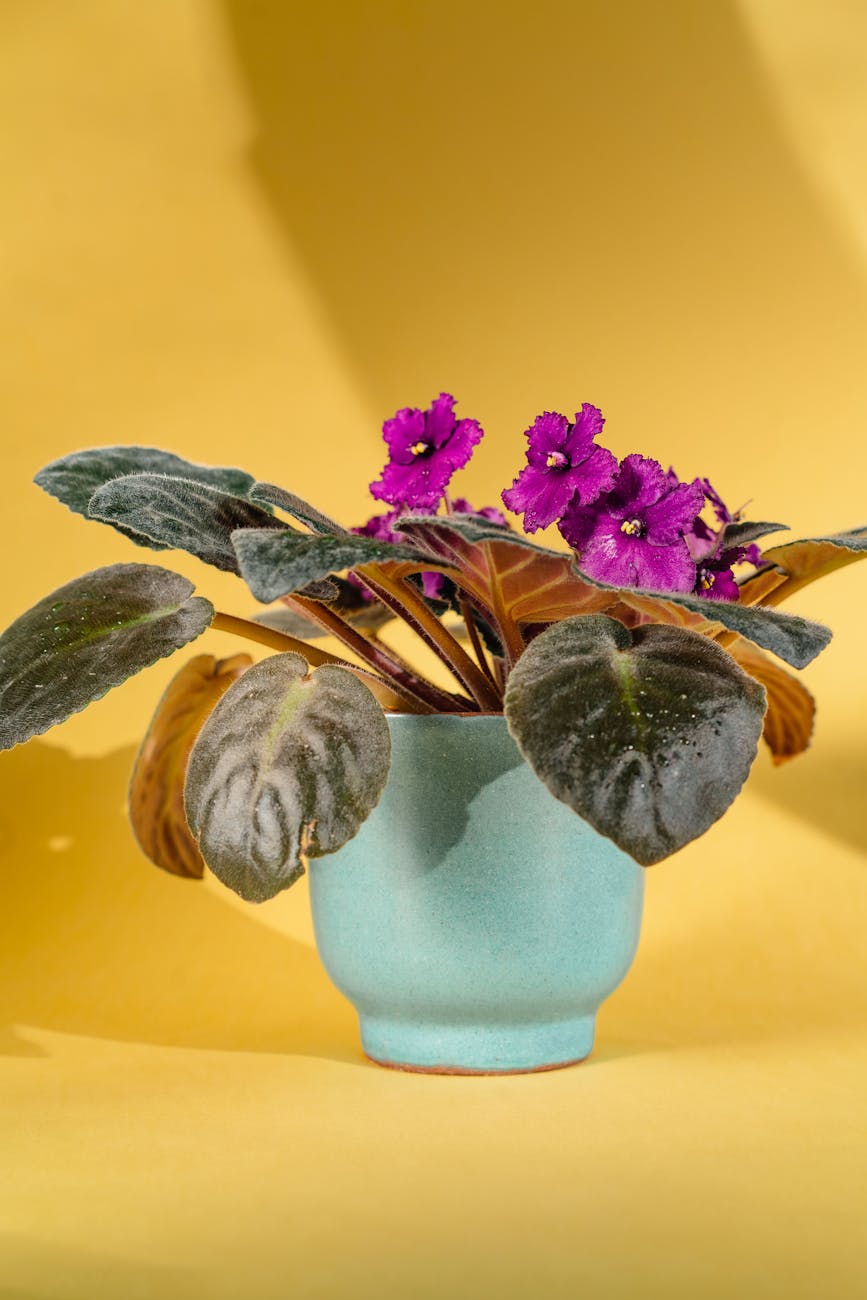
African Violets are gorgeous fuzzy cute plants that every houseplant lover needs to have in their collection. These sweet little plants, with their velvety leaves and colorful blooms, are surprisingly easy to grow once you know what they need. We’ve tailored this guide especially for people new to growing African Violet plants, we’ll walk you through everything: from ideal light, soil, watering, humidity, and fertilizing practices, to propagation, pest control, and blooming encouragement. You’ll learn how to keep them healthy year-round, troubleshoot common issues, and even how to multiply your collection through leaf cuttings.

Understanding African Violets
African violets (genus Saintpaulia, now Streptocarpus sect. Saintpaulia) originate from East Africa’s cloud-forest regions in Tanzania and Kenya. These plants thrive in humid, filtered shade and rocky crevices. This explains why they flourish in bright, indirect sunlight and love moderate humidity.
African violet plants typically stay compact (6–15 cm tall, up to 30 cm wide), making them perfect for windowsills and small spaces. Varieties span single, double, frilled, and ruffled flowers in violet, white, pink, and bicolor shades. Cultivars such as EverFloris or Artist’s Palette offer color variety and extended blooming periods.
Light Requirements
African violets grow best in bright, indirect light. Ideal placements include east- or north-facing windows where they receive gentle morning sun or filtered daylight. Direct southern or western sun can scorch the velvety leaves.
If natural light is limited, especially during winter, LED or fluorescent grow lights are excellent alternatives. Position lights 10–12 inches above the leaves, providing 12–16 hours of light daily followed by 8–10 hours of darkness. This mimics their natural rhythm and encourages flowering.
Signs of insufficient light include lack of blooms, leggy stems, and dark green leaves. Too much light can cause pale, scorched, or yellow-spotted foliage. Rotate the plant weekly to encourage even growth.
Soil and Potting Mix
Use a light, well-draining mix composed of peat moss, perlite, and vermiculite. The soil should be slightly acidic (pH 6.2–6.5) and loose enough to allow root aeration.
Avoid heavy garden soil or compact mixes that retain too much water. Choose a pot that is 1/3 the diameter of the plant’s leaf span and always ensure there’s a drainage hole at the bottom.

Watering Best Practices
African violets are sensitive to overwatering and cold water. The best method is bottom watering: place the pot in a saucer of room-temperature water for 20–30 minutes, allowing the roots to absorb moisture. Never let the plant sit in water for long periods.
Avoid getting water on the leaves, as this can cause brown spots or fungal issues. A self-watering pot or wick system can help maintain consistent moisture.
Temperature and Humidity
African violets prefer consistent temperatures between 65°F and 80°F. Avoid sudden drafts, cold windowsills in winter, or heat vents. They also thrive in humidity levels between 40–60%.
To raise humidity, use a pebble tray, group plants together, or place a humidifier nearby. Avoid misting, as their fuzzy leaves trap moisture and promote rot.
Fertilizing and Feeding
Use a balanced, water-soluble fertilizer formulated for African violets, ideally one higher in phosphorus to promote blooms. Apply at half strength every 2–4 weeks or use the “weekly, weakly” method for consistent feeding.
Avoid over-fertilizing, which can lead to leaf burn or excessive foliage growth at the expense of blooms. Watch for signs of nutrient deficiency, such as pale leaves or stunted growth.

Encouraging Continuous Blooming
To keep African violets blooming, deadhead spent flowers regularly and keep the plant slightly root-bound. Ensure adequate light and proper feeding. Some growers find that slightly reducing water or changing light exposure can trigger blooming.
Don’t move the plant frequently or drastically change its environment. African violets appreciate stability.

Propagation Techniques
The easiest way to propagate African violets is by leaf cuttings. Select a healthy leaf, cut the stem at a 45-degree angle, and place it in moist soil or water. In 6–8 weeks, small plantlets will emerge and can be potting up into their own pots.
You can also divide multi-crown plants during repotting. Be gentle to avoid damaging the delicate root system.
Repotting and Root Management
Repot African violets once a year or when they become root-bound. Signs include leaf drop, reduced blooming, or roots growing out of the drainage hole.
Use fresh, sterile potting mix and a clean pot. Trim any dead or mushy roots before replanting. Keep the crown of the plant above the soil line to prevent rot.

Common Pests and Diseases
Common pests include mealybugs, spider mites, and thrips. Fungal issues include crown rot, root rot, and powdery mildew.
Prevent problems by maintaining good air circulation, using sterile soil, and removing debris. Neem oil or insecticidal soap can help treat infestations. Avoid overhead watering to reduce fungal risks.
Troubleshooting Common Issues
- Yellowing leaves: Overwatering, poor drainage, or nutrient deficiencies.
- Brown spots on leaves: Cold water splashed on leaves or fungal disease.
- No blooms: Insufficient light, too much nitrogen, or overcrowded roots.
- Leggy growth: Light is too weak or far away.
Seasonal Care Adjustments
- Winter: Provide supplemental light, reduce watering, and increase humidity.
- Summer: Protect from harsh sunlight and ensure good airflow.
Consistency is key throughout the year. Minor seasonal tweaks help prevent stress.

FAQs
Q1: How often should I water my African Violet? Once a week or when the soil feels dry to the touch. Use bottom watering and avoid cold water.
Q2: Why isn’t my African Violet blooming? Usually due to low light, over-fertilizing, or being in too large a pot.
Q3: Can I mist African Violet leaves? No. Misting can cause leaf spots and promote rot.
Q4: Is propagation from leaf cuttings easy? Yes! Use a healthy leaf and you’ll see new growth in 6–8 weeks.
Q5: What pests should I watch for? Mealybugs, spider mites, and thrips. Treat with neem oil and good sanitation.
With just a bit of care and consistency, African violets can reward you with months of blooms and years of enjoyment. Their compact size, ease of propagation, and forgiving nature make them perfect for beginners.
Start with one or two plants, experiment with lighting and watering methods, and enjoy the process. Share your successes with fellow plant lovers, and don’t be afraid to try propagating your own!
Happy growing! 🌿
I’d Love Your Feedback!
Which tip are you most excited to try? Drop a comment below or share a photo of your blooming African Violet! Don’t forget to pin or share this post with fellow plant lovers.
Want To Learn More?
IF YOU LIKE THIS POST
You might also like these:
We’d love to hang out with you on our social channels. You can subscribe to our blog and find us on Facebook, Youtube, Instagram and Pinterest! Feel free to reach out if you have any plant questions!
DISCLOSURE
This blog post may contain affiliate links. Which means if you click on a link and go on to buy the product I recommend, I may get a small commission at no extra cost to you.
Thank you for your support. It means the world to us!

The Thrifted Planter
Ciearra is a gardener and houseplant enthusiast of over 10 years! She has been growing indoors and outdoors. Supplying food for her family and beautifying her home with annuals, perennials and houseplants! Ciearra is passionate about sharing her knowledge of plant care with anyone who needs help or a quick plant growth tip! When she’s not blogging you can find her tending to her chickens, dogs and hanging out with her family

Nestera Chicken Coop

Park Seed
Garden Tower Project
Vego Garden Beds

Botanical Interests
Amazon Favorites!

Hoselink
Web Stories


