Essential Guide to Growing African Violets
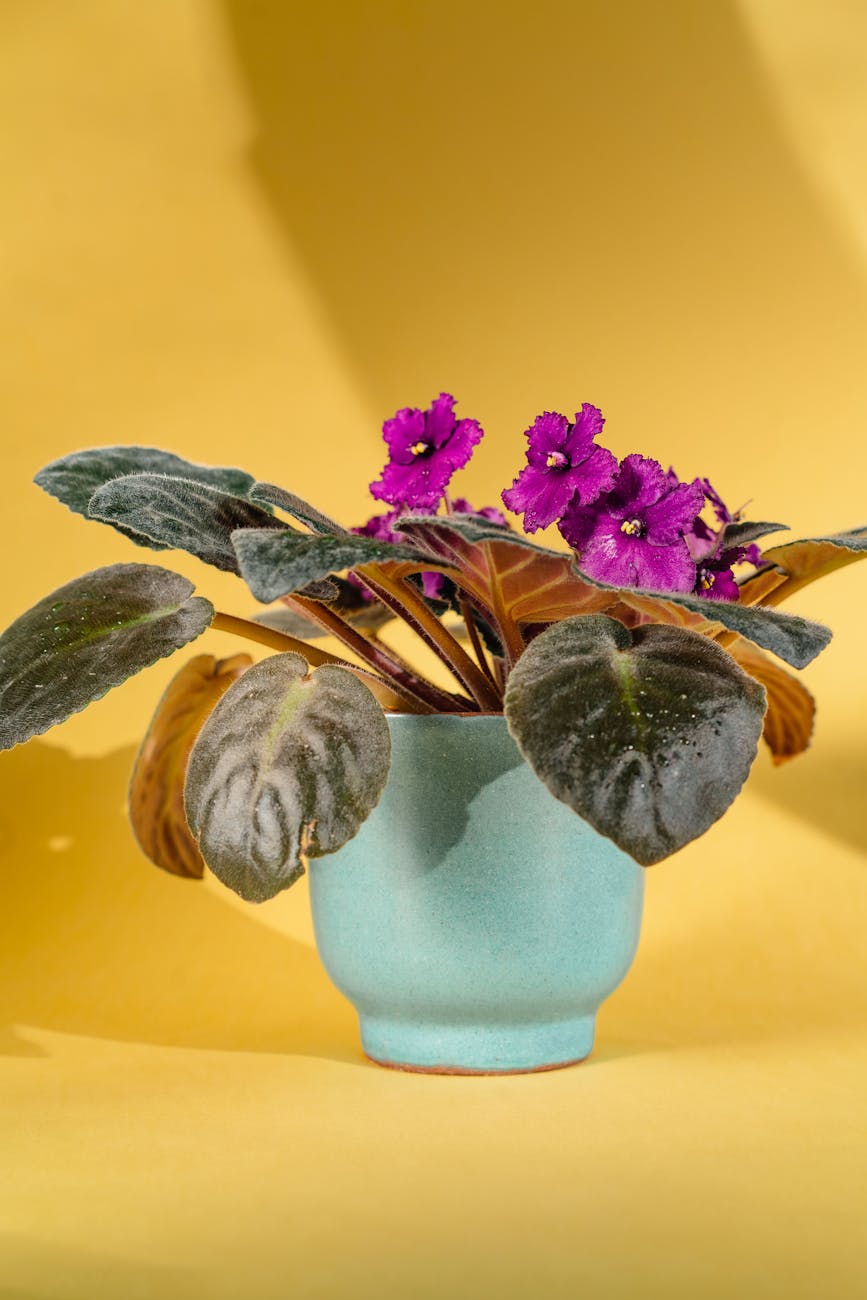
African violet plants are charming, fuzzy houseplants that deserve a place in every indoor plant collection. Their soft, velvety leaves and vibrant blooms bring year-round color to your home, and despite their reputation for being fussy, they’re surprisingly easy to grow once you understand their basic care needs.
Whether you’re bringing home your very first African violet or looking to help an existing plant thrive, this complete African violet care guide will walk you through everything you need to know. You’ll learn how to provide the right light, water, soil, humidity, and fertilizer to keep your plants healthy and blooming. We’ll also cover propagation, repotting, common pests, troubleshooting, and simple tips to encourage more flowers throughout the year.
By the end of this guide, you’ll have the confidence to grow beautiful African violets and enjoy these classic flowering houseplants for many years to come.
This blog post may contain affiliate links. Which means if you click on a link and go on to buy the product I recommend, I may get a small commission at no extra cost to you.

Understanding African Violets
African violets (Streptocarpus sect. Saintpaulia) are beloved flowering houseplants native to the tropical cloud forests of eastern Africa, where they grow naturally in Tanzania and southeastern Kenya. In their native habitat, they thrive beneath the forest canopy in warm, humid conditions with filtered sunlight and excellent drainage.
Understanding where African violets come from makes it much easier to care for them indoors. Because they naturally grow in bright, indirect light, they don’t tolerate harsh afternoon sun. Their shallow root systems prefer loose, well-draining soil, and they appreciate moderate humidity similar to the humid forest environment they evolved in.
One of the reasons African violets have remained popular for generations is their compact size. Most plants grow just 4 to 6 inches tall and 6 to 12 inches wide, making them perfect for windowsills, desks, shelves, and small spaces. Despite their small size, they produce an impressive display of blooms in shades of purple, pink, white, blue, red, and even bi-colored varieties. Many modern cultivars also feature ruffled petals, double blooms, variegated foliage, or miniature growth habits, making them fun plants to collect.
With proper care, African violets can bloom repeatedly throughout the year, bringing long-lasting color to your indoor garden.
Light Requirements
Providing the right amount of light is one of the most important factors in keeping African violets healthy and blooming. These plants prefer bright, indirect light, similar to the filtered sunlight they receive beneath the trees in their native habitat.
An east-facing window is often the ideal location because it provides gentle morning sunlight without the intense afternoon heat. North-facing windows can also work well, while south- or west-facing windows may need a sheer curtain to protect the fuzzy leaves from scorching.
If your home doesn’t receive enough natural light, African violets grow exceptionally well under LED or fluorescent grow lights. Position the lights about 10 to 12 inches above the plant and provide 12 to 16 hours of light each day, followed by 8 to 10 hours of darkness. This consistent light cycle encourages healthy growth and regular flowering throughout the year.
Your plant will let you know if the lighting isn’t quite right.
Signs your African violet needs more light:
- Few or no flowers
- Long, stretched stems
- Smaller leaves
- Dark green foliage
Signs your plant is getting too much light:
- Pale or bleached leaves
- Brown or crispy spots
- Yellow patches on the foliage
- Curled leaf edges
To encourage even growth, rotate your African violet a quarter turn every week so all sides receive equal light.
Best Soil for African Violets
African violets have delicate root systems that require plenty of air circulation, so choosing the right potting mix is essential. Heavy garden soil or dense potting mixes hold too much moisture and can quickly lead to root rot.
Instead, use a lightweight, well-draining African violet potting mix or create your own by combining peat moss (or coco coir), perlite, and vermiculite. This type of mix holds enough moisture to keep the roots hydrated while allowing excess water to drain freely.
African violets also prefer slightly acidic soil with a pH between 6.2 and 6.5, which helps them absorb nutrients more efficiently.
When selecting a pot, remember that African violets bloom best when they are slightly root-bound. Choose a container that is approximately one-third the diameter of the plant’s leaf spread and always use a pot with drainage holes. A pot that’s too large holds excess moisture around the roots and often results in fewer flowers and a greater risk of root rot.

How to Water African Violets
Learning how to water African violets properly is one of the biggest keys to keeping them healthy and blooming year after year. These plants like consistently moist soil, but they don’t like sitting in water. In fact, overwatering is one of the most common reasons African violets develop root rot, yellow leaves, or stop flowering altogether.
Instead of watering on a strict schedule, let the soil tell you when it’s time. Check the potting mix every few days by inserting your finger about an inch into the soil. If it feels dry, it’s time to water. If it’s still slightly moist, wait another day or two before checking again.
Many experienced growers prefer bottom watering because it allows the roots to absorb only the moisture they need while keeping the fuzzy leaves dry. To bottom water, place the pot in a shallow dish of room-temperature water for 20 to 30 minutes. Once the surface of the soil feels damp, remove the pot and allow any excess water to drain away completely. Never allow the plant to sit in standing water for extended periods.
You can also water from the top if you prefer. Simply pour room-temperature water slowly around the edge of the pot, directing it onto the soil rather than the leaves or the center of the plant. Water that sits on the velvety leaves can leave unsightly spots, while moisture trapped in the crown may lead to crown rot.
No matter which watering method you choose, consistency is more important than frequency. African violets prefer evenly moist soil, but they should never remain soggy. If you’re away from home often or tend to forget to water, a self-watering pot or wick watering system can help maintain consistent moisture with very little effort.
Temperature and Humidity
Because African violets are native to the warm, humid forests of eastern Africa, they grow best in conditions similar to those found in most homes. Aim to keep temperatures between 65°F and 80°F throughout the year. They appreciate stable conditions and don’t respond well to sudden changes in temperature.
Avoid placing your African violet near drafty windows, exterior doors, fireplaces, heating vents, or air-conditioning vents. Cold drafts and blasts of hot, dry air can stress the plant, slow its growth, and reduce flowering.
Humidity is another important part of African violet care. These plants prefer humidity levels between 40% and 60%, although they often adapt well to average household conditions. If your home’s air becomes especially dry during the winter, you may notice brown leaf edges, slower growth, or fewer flowers.
Fortunately, increasing humidity is simple. You can place your plant on a pebble tray filled with water, group it with other houseplants to create a naturally humid microclimate, or run a small humidifier nearby.
Although misting is often recommended for tropical plants, it’s best to avoid misting African violets. Their fuzzy leaves trap moisture, which can encourage fungal diseases, crown rot, and unattractive water spots. Raising the humidity around the plant is much safer than spraying the foliage directly.
Fertilizing African Violets
African violets are known for their ability to bloom repeatedly throughout the year, but producing all of those flowers requires a steady supply of nutrients. Regular fertilizing encourages healthy foliage, strong root development, and continuous blooming.
Choose a balanced, water-soluble fertilizer formulated specifically for African violets or flowering houseplants. Many gardeners prefer fertilizers that contain slightly more phosphorus, as phosphorus supports flower production. Another popular approach is the “weekly, weakly” method, where a diluted fertilizer is added to the watering can each week. This provides a gentle, consistent supply of nutrients and helps prevent fertilizer burn.
If you prefer a simpler routine, feed your African violet every two to four weeks during the spring and summer growing season. As daylight decreases and growth naturally slows in fall and winter, reduce fertilizing until the plant begins actively growing again.
While fertilizer is important, more isn’t always better. Overfertilizing can cause brown leaf edges, salt buildup in the soil, or an abundance of healthy green leaves with very few flowers. If you notice white mineral deposits on the soil surface, occasionally flush the pot with clean water to remove excess fertilizer salts.
Your African violet may benefit from feeding if you notice:
- Slow or stunted growth
- Pale or light green leaves
- Smaller flowers than usual
- Fewer blooms throughout the year
When combined with proper light, careful watering, and the right potting mix, a consistent fertilizing routine will reward you with vigorous growth and beautiful blooms for many months of the year.g, will help keep your African violet blooming beautifully throughout the year.
Try this fertilizer! It has everything your African Violets need to thrive!

How to Encourage African Violets to Bloom
One of the reasons African violets have remained popular for generations is their ability to produce beautiful flowers almost year-round. If your plant isn’t blooming as much as you’d like, don’t worry. A few simple adjustments to its care routine can often encourage more flowers.
The most important factor is light. African violets need plenty of bright, indirect light to produce buds. If your plant has healthy green leaves but no flowers, it’s often a sign that it isn’t receiving enough light. Moving it to a brighter location or supplementing with a grow light can make a noticeable difference.
Regular fertilizing also plays an important role. Feed your African violet with a balanced fertilizer formulated for flowering houseplants every two to four weeks during the growing season. Avoid fertilizers that are too high in nitrogen, as they encourage leafy growth at the expense of blooms.
Believe it or not, African violets actually bloom best when they are slightly root-bound. If your plant is growing in a pot that’s too large, it may spend its energy producing roots instead of flowers. Choose a pot that’s approximately one-third the diameter of the plant’s leaf spread for the best results.
Removing spent flowers, also known as deadheading, encourages the plant to direct its energy into producing new blooms instead of forming seeds. At the same time, remove any yellowing or damaged leaves to keep the plant healthy and attractive.
Finally, African violets thrive on consistency. They appreciate stable temperatures, regular watering, and a predictable environment. Try to avoid moving your plant frequently or exposing it to sudden temperature changes, as stress can temporarily reduce flowering.
If your African violet is receiving bright indirect light, regular fertilizer, proper watering, and the right pot size, it will often reward you with beautiful blooms for much of the year.
Trouble Shooting Bloom issues
| Problem | Possible Cause |
|---|---|
| Lots of leaves but no flowers | Not enough light or too much nitrogen |
| Flower buds fall off | Temperature fluctuations or underwatering |
| Small flowers | Needs fertilizer or repotting |
| No blooms for months | Pot too large or insufficient light |

How to Propagate African Violets
One of the most rewarding things about growing African violets is how easy they are to propagate. With just a single healthy leaf, you can grow an entirely new plant to keep for yourself or share with friends and family.
Propagating African Violets from Leaf Cuttings
Leaf cuttings are the most popular and reliable way to propagate African violets.
Choose a healthy, mature leaf from the middle row of the plant. Avoid using very young leaves from the center or older leaves from the bottom, as they are less likely to produce strong new plants.
Using clean, sharp scissors or pruning snips, cut the leaf stem (petiole) at a 45-degree angle, leaving about 1 to 2 inches of stem attached.
You can root the cutting in either water or soil. Some growers like to use a rooting hormone but it’s not necessary to growing roots but can be helpful.
To propagate in soil:
- Fill a small pot with a light, well-draining African violet potting mix.
- Insert the stem about an inch into the soil.
- Lightly water the soil and keep it evenly moist.
- Place the pot in bright, indirect light.
To propagate in water:
- Place only the cut stem in a small container of room-temperature water.
- Make sure the leaf itself stays above the water line.
- Change the water every few days to keep it fresh.
Under the right conditions, roots typically begin forming within a few weeks. Tiny plantlets usually appear in 6 to 8 weeks, although some varieties may take a little longer. Once the baby plants have developed several leaves and their own root systems, they can be carefully separated and potted into individual containers.
Dividing Mature Plants
Some African violets eventually produce multiple crowns, creating several plants growing together in one pot. During repotting, these crowns can be gently separated into individual plants.
Carefully remove the plant from its pot and loosen the root ball. Using clean hands or a sterilized knife, separate the crowns while preserving as many roots as possible. Pot each division in fresh African violet potting mix and keep the soil lightly moist until new growth appears.
Propagation is not only an affordable way to expand your collection, but it’s also a wonderful way to preserve favorite varieties for years to come.
Propagation Timeline
| Stage | What to Expect |
|---|---|
| Week 1–2 | Leaf cutting remains healthy and begins forming callus tissue |
| Week 3–5 | New roots begin developing |
| Week 6–8 | Tiny plantlets emerge at the base of the leaf |
| Month 2–3 | Separate and pot up new plants once they have several leaves |
| Month 6–12 | Young African violets begin producing their first blooms |
Repotting African Violets
Repotting is an important part of African violet care and helps keep plants healthy, compact, and blooming. Even though African violets like being slightly root-bound, they still benefit from fresh potting mix every year or two.
You may need to repot your African violet if you notice:
- Roots growing through the drainage holes
- The soil drying out very quickly
- Fewer flowers than usual
- Slower growth
- A long, exposed stem (often called a “neck”)
- Soil that has become compacted or no longer drains well
Choose a clean pot with drainage holes that is only slightly larger than the existing root ball. Oversized pots hold excess moisture and often reduce flowering.
Before repotting, gently remove the plant from its container and inspect the roots. Healthy roots should be firm and light-colored. Trim away any soft, dark, or mushy roots using sterilized scissors, as these are signs of root rot.
Fill the new pot with fresh African violet potting mix and position the plant so the crown remains just above the soil surface. Planting the crown too deeply can increase the risk of crown rot.
After repotting, water the plant lightly and place it in bright, indirect light. Avoid fertilizing for the first few weeks while the roots become established.
Repotting may seem intimidating at first, but it’s one of the best ways to rejuvenate an older African violet and encourage healthy new growth and abundant blooms.
Crown Rot vs. Root Rot: What’s the Difference?
Root rot and crown rot are two of the most serious problems African violet growers encounter, but they affect different parts of the plant and often have different causes.
Root rot develops below the soil when roots remain in constantly wet conditions. Healthy roots should be firm and white or tan, but rotting roots become dark, mushy, and may have an unpleasant smell. Plants suffering from root rot often have limp leaves, yellow foliage, and soil that stays wet for days.
Crown rot affects the center of the plant where new leaves emerge. Water sitting in the crown, poor air circulation, or cool, damp conditions can cause the growing point to become soft, brown, and mushy. Because the crown is where all new growth originates, severe crown rot can quickly kill the entire plant.
The best way to prevent both problems is to use a well-draining soil mix, choose a pot with drainage holes, avoid overwatering, and water the soil instead of the center of the plant.
If root rot is caught early, trimming away damaged roots and repotting in fresh soil can often save the plant. Crown rot is more difficult to treat, but healthy leaves may still be propagated to start a new plant if the center cannot be saved.
Why Does My African Violet Have a Long Neck?
As African violets mature, they naturally lose their oldest leaves. Over time, this creates a bare stem between the soil and the remaining foliage that many gardeners refer to as the plant’s “neck.”
A long neck isn’t necessarily a sign that your plant is unhealthy—it simply means it has been growing for several years. However, an exposed stem can make the plant look leggy and may become unstable if it continues to lengthen.
Fortunately, this problem is easy to fix during repotting.
Remove the plant from its pot and gently scrape away the dry, corky outer layer from the exposed stem. Then repot the African violet slightly deeper so the bare stem is buried beneath fresh potting mix. The buried stem will often develop new roots, helping rejuvenate the plant and encourage stronger growth.
Regular repotting every year or two helps prevent excessively long necks and keeps your African violet looking compact and full.
African Violet Care Throughout the Year
Although African violets are indoor plants, their growth changes with the seasons. Adjusting your care routine throughout the year will keep your plant healthier and encourage nearly continuous blooms.
Spring
As daylight increases, African violets begin actively growing again. This is the perfect time to repot root-bound plants, divide mature plants, propagate leaves, and begin fertilizing on a regular schedule.
Summer
Summer is often the most productive growing season. Continue watering consistently, fertilize every two to four weeks, and watch for common pests like spider mites or mealybugs. If your home becomes very warm, avoid placing plants in direct afternoon sun.
Fall
As days become shorter, growth naturally slows. Continue providing bright light, but begin reducing fertilizer if your plant is producing less new growth.
Winter
Many homes become darker and drier during winter. Water less frequently, keep plants away from cold windows and heating vents, and consider using a grow light if natural light is limited. With proper care, many African violets will continue blooming even during the winter months.

Common African Violet Pests and Diseases
Like most houseplants, African violets can occasionally develop pest or disease problems. The good news is that healthy plants grown in the right conditions rarely experience serious issues. Regularly inspecting your plants and addressing problems early is the best way to keep them thriving.
Common Pests
Several common houseplant pests are attracted to African violets.
Mealybugs appear as small white, cotton-like clusters on leaves, stems, and in leaf joints. They feed on plant sap, causing slow growth and distorted new leaves.
Spider mites are tiny pests that are difficult to see with the naked eye. They often leave behind fine webbing on the undersides of leaves and can cause stippled, faded foliage.
Thrips are slender insects that feed on flowers and young leaves. Damaged blooms may appear streaked, discolored, or fail to open completely.
Fungus gnats are another common nuisance, especially if the soil remains consistently wet. While the adult insects are mostly a nuisance, their larvae feed on organic matter and may damage young roots in overly moist soil.
Most pest infestations can be treated by isolating the affected plant and applying insecticidal soap or neem oil according to the product label. For severe infestations, repeated treatments every 7 to 10 days are often necessary to break the pest life cycle.
Common Diseases
Most African violet diseases are caused by excessive moisture and poor air circulation.
Root rot develops when the soil stays wet for extended periods. Affected plants often have yellow leaves, wilt despite moist soil, and develop soft, dark roots.
Crown rot occurs when water collects in the center of the plant, causing the growing point to become soft, brown, and mushy. Because the crown produces all new growth, this disease can quickly become fatal if left untreated.
Powdery mildew appears as a white, powder-like coating on leaves and flowers. It is most common in humid environments with poor air circulation.
The best way to prevent disease is to use a well-draining potting mix, water only when needed, avoid leaving water on the leaves, and provide good airflow around your plants.
Troubleshooting Common African Violet Problems
Even experienced gardeners occasionally run into problems with African violets. Fortunately, your plant’s leaves and flowers usually provide clues about what’s wrong.
| Problem | Most Likely Cause | How to Fix It |
|---|---|---|
| Yellow leaves | Overwatering, poor drainage, aging leaves, or nutrient deficiencies | Allow the soil to dry slightly between waterings, improve drainage, and remove older leaves as they naturally age. |
| Brown spots on leaves | Cold water, direct sunlight, or water sitting on fuzzy leaves | Water with room-temperature water and avoid wetting the foliage. Move the plant out of harsh afternoon sun if necessary. |
| Soft, mushy stems | Root rot or crown rot | Remove affected tissue, repot into fresh, well-draining soil, and reduce watering. |
| Drooping leaves | Soil is too dry, root rot, or sudden temperature changes | Check the soil moisture and inspect the roots to determine whether the plant needs water or has been overwatered. |
| No flowers | Insufficient light, oversized pot, lack of fertilizer, or too much nitrogen | Move the plant to brighter indirect light, fertilize regularly, and keep it slightly root-bound. |
| Small flowers | Low light or nutrient deficiencies | Increase light exposure and maintain a consistent fertilizing schedule. |
| Leggy growth | Not enough light | Move the plant closer to a bright window or place it under a grow light. |
| Curling leaves | Temperature stress, pests, or inconsistent watering | Inspect for insects and maintain stable temperatures and consistent moisture. |
| White crust on the soil | Fertilizer salt buildup or hard water minerals | Flush the soil occasionally with clean water and avoid overfertilizing. |
| Long bare stem (“neck”) | Natural aging of the plant | Repot the African violet deeper, burying the exposed stem to encourage new root growth. |
Most African violet problems can be corrected with a few simple changes to watering, lighting, or soil conditions. The sooner you identify the issue, the easier it is to help your plant recover. Healthy African violets are resilient and often bounce back quickly once they’re growing in the right environment.

African Violet Mistakes Beginners Make
| Mistake | What Happens | Better Approach |
|---|---|---|
| Using a pot that’s too large | Fewer blooms and soggy soil | Choose a pot about one-third the width of the plant |
| Watering the leaves | Water spots and possible crown rot | Water the soil or use bottom watering |
| Keeping the soil constantly wet | Root rot | Let the top of the soil become slightly dry before watering again |
| Placing in direct afternoon sun | Scorched leaves | Bright, indirect light is ideal |
| Skipping fertilizer | Reduced flowering | Feed regularly during the growing season |
FAQs
Q1: How often should I water my African Violet? Once a week or when the soil feels dry to the touch. Use bottom watering and avoid cold water.
Q2: Why isn’t my African Violet blooming? Usually due to low light, over-fertilizing, or being in too large a pot.
Q3: Can I mist African Violet leaves? No. Misting can cause leaf spots and promote rot.
Q4: Is propagation from leaf cuttings easy? Yes! Use a healthy leaf and you’ll see new growth in 6–8 weeks.
Q5: What pests should I watch for? Mealybugs, spider mites, and thrips. Treat with neem oil and good sanitation.
African violets have been treasured as houseplants for generations, and it’s easy to see why. Their compact size, colorful blooms, and ability to flower throughout the year make them one of the most rewarding plants you can grow indoors.
While they have a few care requirements that differ from other houseplants, they aren’t difficult once you understand what they need. By providing bright, indirect light, watering carefully, using the right pot and soil, and fertilizing regularly, you can enjoy healthy plants and beautiful blooms for many years.
Whether you’re caring for your very first African violet or adding another variety to your collection, don’t be discouraged if you run into a few challenges along the way. Every plant is an opportunity to learn, and with a little patience, your African violet can become one of the most reliable flowering houseplants in your home.
I’d Love Your Feedback!
Which tip are you most excited to try? Drop a comment below or share a photo of your blooming African Violet! Don’t forget to pin or share this post with fellow plant lovers.
Want To Learn More?
IF YOU LIKE THIS POST
You might also like these:
We’d love to hang out with you on our social channels. You can subscribe to our blog and find us on Facebook, Youtube, Instagram and Pinterest! Feel free to reach out if you have any plant questions!
DISCLOSURE
This blog post may contain affiliate links. Which means if you click on a link and go on to buy the product I recommend, I may get a small commission at no extra cost to you.
Thank you for your support. It means the world to us!

The Thrifted Planter
Ciearra is a gardener and houseplant enthusiast of over 10 years! She has been growing indoors and outdoors. Supplying food for her family and beautifying her home with annuals, perennials and houseplants! Ciearra is passionate about sharing her knowledge of plant care with anyone who needs help or a quick plant growth tip! When she’s not blogging you can find her tending to her chickens, dogs and hanging out with her family
Nestera Chicken Coop

Botanical Interest
Garden Tower Project
Vego Gardens

Botanical Interests
Amazon Favorites!

Hoselink
Web Stories


