What Bulbs to Plant In Fall
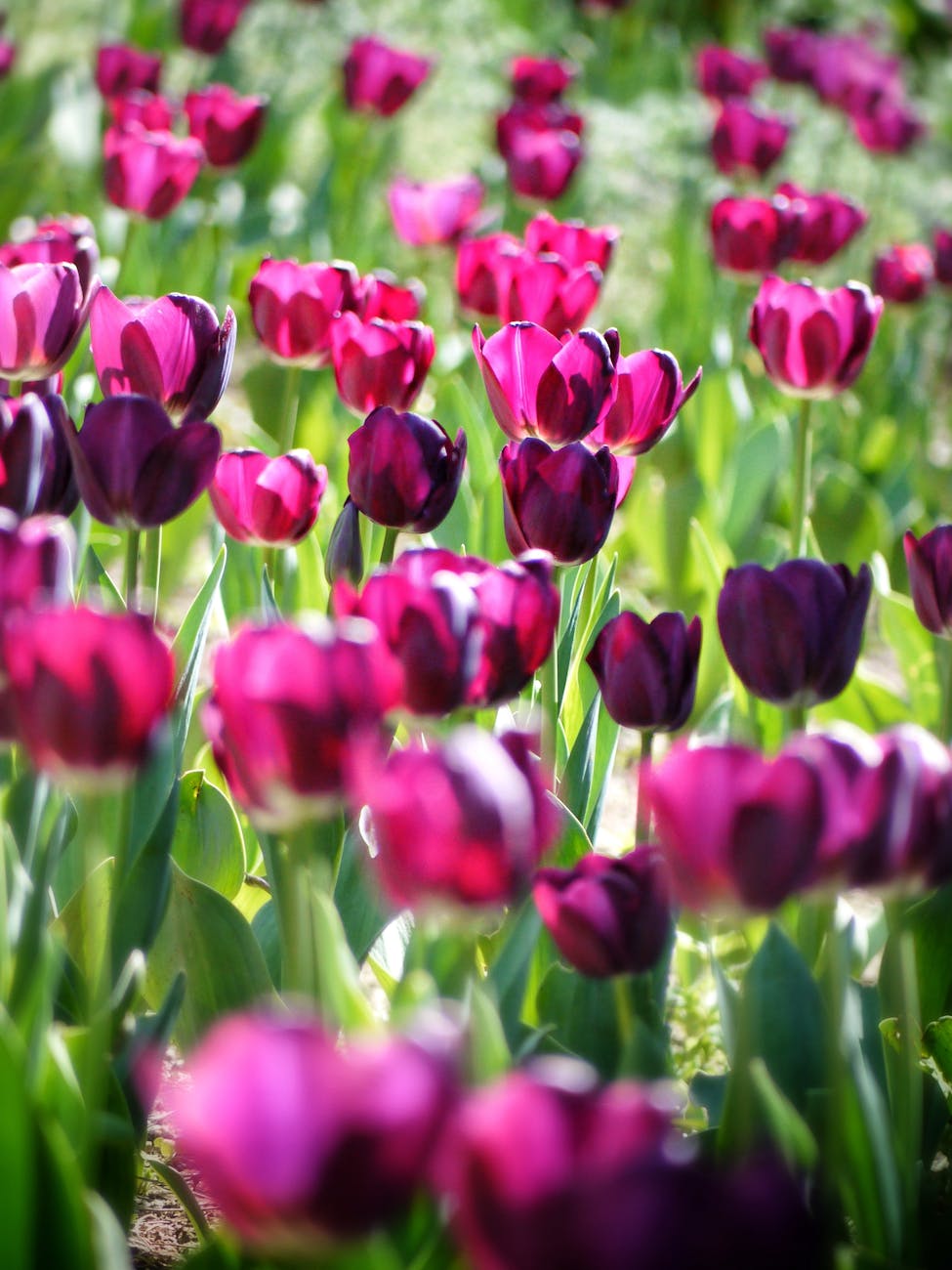
Fall is the best time to plant spring-flowering bulbs for a burst of color and beauty in your garden next spring. Planting bulbs in the fall allows them to establish roots before the ground freezes, ensuring they bloom beautifully in early spring. We are going to walk you through the best bulbs to plant in fall and provide tips for successful planting.

What Bulbs to Plant in Fall
Why Plant Bulbs in Fall?
Planting bulbs in the fall is important for so many reasons, especially for those that bloom in the spring, such as tulips, daffodils, and crocuses. Here are the main reasons why fall is the best time to plant bulbs for most garden zones:
1. Root Development: Planting bulbs in the fall allows them to establish a strong root system before winter sets in. This root development is crucial for supporting the plant’s growth and bloom in the spring.
2. Chilling Requirement: Many spring-blooming bulbs require a period of cold dormancy to trigger their growth cycle. This chilling period, typically provided by the winter cold, is necessary for the bulbs to break dormancy and bloom properly.
3. Timing of Bloom: Planting bulbs in the fall ensures that they are ready to bloom as soon as the temperatures warm up in the spring. If planted too late, the bulbs might not have enough time to develop properly before the growing season starts.
4. Avoiding Competition: By planting in the fall, bulbs have the advantage of developing roots before the competition from weeds and other plants that start growing in the spring.
5. Weather Conditions: Fall generally offers cooler temperatures and more consistent rainfall, which are ideal conditions for bulbs to establish themselves without the stress of summer heat and drought.
6. Pest Avoidance: Some pests that might be attracted to bulbs are less active in the cooler fall weather, giving bulbs a better chance to settle in without disturbance.
Overall, planting bulbs in the fall sets the stage for a healthy and vibrant spring display, as it aligns with the natural growth cycle and environmental conditions they need to thrive.
Fall planting is crucial for spring-blooming bulbs because it gives them enough time to develop strong root systems before the ground freezes. This preparation leads to healthy plants and vibrant blooms in the following spring. Here are some of the best fall bulbs to consider for your garden:

Best Bulbs to Plant in Fall
1. Tulip Bulbs
Tulip bulbs are among the most popular spring-flowering bulbs. They thrive in well-drained soil and a sunny spot, making them perfect for rock gardens and flower beds. Tulips offer a variety of colors and can be planted in early fall for best results.

2. Daffodil Bulbs
Daffodils are hardy and deer-resistant plants that bloom in early spring. Planting these bulbs in late fall is a good rule of thumb. Daffodils prefer full sun or partial shade and are perfect for planting around deciduous trees.

3. Crocus Bulbs
Crocuses are early bloomers that can add a burst of color to your spring garden. Plant these small bulbs in well-drained soil and full sun for the best results. They are ideal for rock gardens and around the bases of trees.

4. Grape Hyacinths
Grape hyacinths produce beautiful bell-shaped flowers in early spring. These bulbs thrive in sunny spots and well-draining soil. Plant grape hyacinths in late September to enjoy their delightful blooms next year.

5. Allium Bulbs
Alliums have tall stems and round flower heads, making them great cut flowers. They are best planted in the fall for late spring or early summer blooms. Alliums prefer full sun and can be planted in bulb beds or alongside other garden plants.

6. Hyacinth Bulbs
Hyacinths are known for their fragrant flowers and vibrant colors. Plant these bulbs in fall for spring blooms. They prefer well-drained soil and can be planted in garden beds or containers.

7. Iris Reticulata
This early-blooming iris is perfect for adding color to your garden in late winter or early spring. Plant these bulbs in a sunny spot with well-draining soil. Iris reticulata is ideal for rock gardens and along pathways.

8. Winter Aconite
Winter aconite produces bright yellow flowers that bloom in late winter or early spring. These bulbs are best planted in partial shade and well-drained soil. They add a cheerful touch to any spring garden.

9. Dutch Iris
Dutch iris bulbs produce elegant flowers in late spring. They are perfect for cut flowers and can be planted in the fall for blooms next spring. These bulbs prefer full sun and well-drained soil.

More Posts you May be Interested In:
Tips for Planting Bulbs
– Choose the Right Time: Plant bulbs in early fall, around late September, to allow enough time for root development before the ground freezes.
– Select the Right Location: Ensure the planting site receives hours of direct sunlight and has well-draining soil. Sandy soil or amended clay soil with organic matter is ideal.
– Prepare the Soil: Use a bulb planter or a trowel to dig holes at the right planting depth. A good rule of thumb is to plant bulbs at a depth equal to three times the diameter of the bulb.
– Ensure Good Drainage: Add organic matter or sand to improve drainage if you have clay soil. Good drainage prevents bulb rot.
– Position Bulbs Correctly: Place bulbs with the pointy end facing up. Cover with soil and water well to settle them in place.
– Consider Companion Plants: Pair bulbs with perennial plants or ground cover to create a beautiful spring garden.
– Provide Protection: Use blood meal or other deterrents to protect bulbs from pests like deer and rodents.

Planting bulbs in the fall is the perfect way to ensure a colorful and vibrant spring garden. Choose the best bulbs to plant in fall for your garden, consider their light and soil requirements, and plant them at the right time for the best results. Whether you’re planting tulip bulbs, grape hyacinths, or winter aconite, fall planting sets the stage for a stunning display of spring flowers in the next year. Enjoy the process and look forward to the burst of color that will brighten your garden in the following spring!
Happy Gardening!
Want More?
Houseplants are gorgeous living home decor. It is worthwhile learning how to properly care for them.
IF YOU LIKE THIS POST
You might also like these:
- How to properly water your houseplants
- Best soil to tropical houseplants
- Best Indoor Trailing Houseplants
We’d love to hang out with you on our social channels. You can subscribe to our blog and find us on Facebook, Youtube, Instagram and Pinterest! Feel free to reach out if you have any plant questions!
DISCLOSURE
This blog post may contain affiliate links. Which means if you click on a link and go on to buy the product I recommend, I may get a small commission at no extra cost to you.
Thank you for your support. It means the world to us!

The Thrifted Planter
Ciearra is a gardener and houseplant enthusiast of over 10 years! She has been growing indoors and outdoors. Supplying food for her family and beautifying her home with annuals, perennials and houseplants! Ciearra is passionate about sharing her knowledge of plant care with anyone who needs help or a quick plant growth tip! When she’s not blogging you can find her tending to her chickens, dogs and hanging out with her family

Nestera Chicken Coop

Park Seed
Garden Tower Project
Vego Garden Beds

Botanical Interests
Amazon Favorites!

Hoselink
Web Stories


