The Ultimate Guide to Fall Bulb Planting (Best Bulbs + Planting Tips)
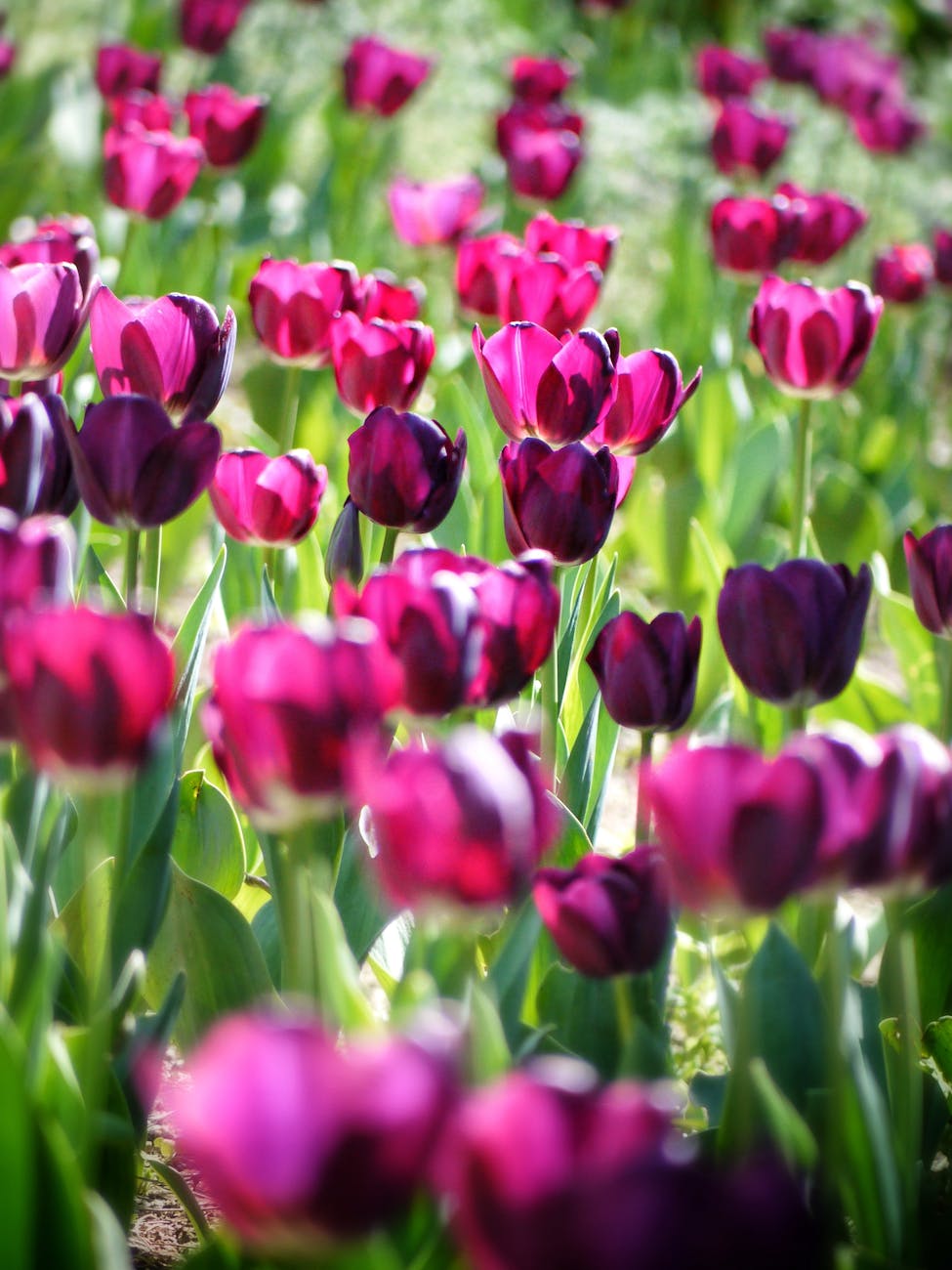
Few gardening tasks offer a bigger reward for so little effort than planting flower bulbs in the fall. While your garden may be slowing down for the season, this is actually the perfect time to prepare for a colorful spring display. By planting bulbs before the ground freezes, you’re giving them the cold dormancy they need to produce healthy roots and beautiful blooms when warmer weather returns.
Whether you’re dreaming of cheerful daffodils, vibrant tulips, fragrant hyacinths, or early-blooming crocuses, fall-planted bulbs can transform your garden with weeks of color after a long winter. Many spring-flowering bulbs are also easy to grow, making them an excellent choice for beginner gardeners and experienced green thumbs alike. Once established, several varieties will naturalize and return year after year with very little maintenance.
In this guide, I’ll walk you through the best bulbs to plant in fall, when and how to plant them, and tips for helping them thrive through the winter. You’ll also discover which bulbs are best for attracting pollinators, resisting deer, growing in containers, and creating a stunning spring garden you’ll look forward to every year.

Quick Answer
The best bulbs to plant in fall include tulips, daffodils, crocus, hyacinths, alliums, grape hyacinths, snowdrops, fritillaria, Dutch iris, and anemones. Plant them 6–8 weeks before your first hard freeze in well-drained soil for colorful spring blooms.
What Bulbs to Plant in Fall
Why Plant Bulbs in Fall?
Planting bulbs in the fall is important for so many reasons, especially for those that bloom in the spring, such as tulips, daffodils, and crocuses. Here are the main reasons why fall is the best time to plant bulbs for most garden zones:
1. Root Development: Planting bulbs in the fall allows them to establish a strong root system before winter sets in. This root development is crucial for supporting the plant’s growth and bloom in the spring.
2. Chilling Requirement: Many spring-blooming bulbs require a period of cold dormancy to trigger their growth cycle. This chilling period, typically provided by the winter cold, is necessary for the bulbs to break dormancy and bloom properly.
3. Timing of Bloom: Planting bulbs in the fall ensures that they are ready to bloom as soon as the temperatures warm up in the spring. If planted too late, the bulbs might not have enough time to develop properly before the growing season starts.
4. Avoiding Competition: By planting in the fall, bulbs have the advantage of developing roots before the competition from weeds and other plants that start growing in the spring.
5. Weather Conditions: Fall generally offers cooler temperatures and more consistent rainfall, which are ideal conditions for bulbs to establish themselves without the stress of summer heat and drought.
6. Pest Avoidance: Some pests that might be attracted to bulbs are less active in the cooler fall weather, giving bulbs a better chance to settle in without disturbance.
Overall, planting bulbs in the fall sets the stage for a healthy and vibrant spring display, as it aligns with the natural growth cycle and environmental conditions they need to thrive.
Fall planting is crucial for spring-blooming bulbs because it gives them enough time to develop strong root systems before the ground freezes. This preparation leads to healthy plants and vibrant blooms in the following spring. Here are some of the best fall bulbs to consider for your garden:

🍂 Get Your FREE Printable Fall Garden Preparation Checklist
Planning your fall garden? Download my free printable checklist so you can easily keep track of every task before winter arrives. Print it out, take it to the garden, and check off each chore as you complete it.
✔ Vegetable garden tasks
✔ Flower garden cleanup
✔ Soil preparation
✔ Greenhouse prep
✔ Wildlife-friendly cleanup
Enter your email below and I’ll send it straight to your inbox!
Tulips
Tulips (Tulipa spp.) are among the most iconic spring flowers, prized for their elegant blooms and incredible range of colors, shapes, and sizes. From classic red and yellow flowers to deep purple, soft pink, white, and even multi-colored varieties, tulips can complement nearly any garden style. Whether you’re planting a formal flower bed, creating a cottage garden, or growing flowers for cutting, tulips are a beautiful addition to the spring landscape.
Fall is the ideal time to plant tulip bulbs because they require a period of cold dormancy to produce flowers. Plant them 6 to 8 weeks before the ground freezes, when soil temperatures have cooled but the ground is still workable. Tulips grow best in full sun and well-drained soil, as overly wet conditions can cause the bulbs to rot during the winter.
Unlike daffodils, not all tulips reliably return year after year. Many modern hybrid tulips are grown as annuals because their blooms often become smaller after the first season. However, several varieties—including Darwin Hybrid, Species, and Fosteriana tulips are known for their ability to perennialize and bloom for multiple years when planted in the right conditions.
Tulips look stunning when planted in groups or drifts rather than in straight rows. Planting clusters of 10 to 20 bulbs together creates a fuller, more natural display that makes a much bigger impact in the garden. They also pair beautifully with daffodils, hyacinths, grape hyacinths, alliums, and forget-me-nots for a colorful spring display with overlapping bloom times.
Because tulips are favorites of squirrels, chipmunks, rabbits, and deer, you may need to take extra precautions after planting. Covering newly planted bulbs with chicken wire until the ground freezes or adding a layer of mulch can help discourage animals from digging them up.
Tulips also make exceptional cut flowers. Harvest stems just as the buds begin to show color but before they fully open, and they’ll continue blooming indoors in a vase for several days. Growing your own tulips gives you access to unique varieties that are often unavailable in grocery stores or florist bouquets.
Tulip Growing Tips
- 🌷 Bloom Time: Mid to late spring (varies by variety)
- ☀️ Light: Full sun
- 🌱 USDA Zones: 3–8 (pre-chill bulbs in warmer climates)
- 📏 Planting Depth: 6–8 inches
- 📐 Spacing: 4–6 inches apart
- 💧 Water Needs: Water thoroughly after planting; avoid consistently wet soil
- 🦌 Deer Resistant: No
- 🐝 Pollinator Friendly: Yes
Pro Tip
For the biggest visual impact, plant tulips in odd-numbered groups or large clusters instead of single bulbs. Mixing early-, mid-, and late-season tulip varieties will also extend your bloom season, giving you colorful flowers for several weeks instead of just one.

Daffodil Bulbs
Daffodils (Narcissus spp.) are one of the easiest and most rewarding flower bulbs to plant in the fall. Their bright yellow, white, orange, and even peach-colored blooms are often among the first signs that spring has arrived, adding cheerful color to garden beds after a long winter. Because they’re hardy, low-maintenance, and reliably return year after year, daffodils are an excellent choice for both beginner and experienced gardeners.
One of the biggest advantages of growing daffodils is that they are perennial bulbs. Unlike some tulip varieties that may decline after a few seasons, daffodils often naturalize, meaning they multiply underground and produce even more flowers over time. A small planting can gradually grow into a beautiful drift of blooms with very little effort.
Daffodils thrive in full sun to partial shade and prefer well-drained soil. Plant the bulbs in the fall, about 6 to 8 weeks before the ground freezes, placing them approximately 6 to 8 inches deep with the pointed end facing upward. Water them thoroughly after planting to help establish their roots before winter dormancy.
Another reason gardeners love daffodils is that they are naturally deer and rabbit resistant. The bulbs and foliage contain compounds that most animals find unpalatable, making them a dependable choice if wildlife frequently visits your garden.
Daffodils also make wonderful companions for other spring-flowering bulbs. Pair them with tulips, hyacinths, grape hyacinths, or crocuses to create a layered display of blooms that lasts for weeks. They’re equally beautiful planted along walkways, beneath deciduous trees, in cottage gardens, or in large drifts throughout the landscape.
Daffodil Growing Tips
🌼 Bloom Time: Early to mid-spring
☀️ Light: Full sun to partial shade
🌱 USDA Zones: 3–8
📏 Planting Depth: 6–8 inches
📐 Spacing: 4–6 inches apart
💧 Water Needs: Moderate; water after planting and during prolonged dry spells
🦌 Deer Resistant: Yes
🐝 Pollinator Friendly: Yes, an early nectar source for bees emerging in spring
Pro Tip
After your daffodils finish blooming, resist the urge to cut back the foliage right away. Allow the leaves to remain in place until they turn yellow and die back naturally. During this time, the leaves continue to photosynthesize and store energy in the bulb, helping produce even bigger and healthier blooms the following spring. deciduous trees.

Crocus
Crocuses (Crocus spp.) are one of the very first flowers to bloom at the end of winter, often pushing through snow-covered ground to announce that spring is on its way. Their delicate, cup-shaped flowers may be small, but they create a big impact when planted in large groups. Available in shades of purple, white, yellow, lavender, and striped varieties, crocuses bring much-needed color to the garden when little else is blooming.
These hardy bulbs (technically called corms) are an excellent choice for gardeners who want an easy, low-maintenance plant that returns year after year. Once established, crocuses naturalize readily, multiplying over time to form beautiful carpets of blooms that require very little care.
Crocuses thrive in full sun to partial shade and grow best in well-drained soil. Plant the corms in the fall, about 6 to 8 weeks before the ground freezes, placing them 3 to 4 inches deep with the pointed end facing upward. Since they are much smaller than tulip or daffodil bulbs, they can be planted closer together to create a dense display of flowers.
One of the reasons crocuses are so valuable in the garden is that they provide one of the earliest food sources for bees and other pollinators emerging after winter. Their nectar and pollen help support beneficial insects at a time when very few other flowers are available.
Crocuses are incredibly versatile and can be planted in flower beds, borders, containers, rock gardens, and even lawns. Many gardeners enjoy naturalizing crocuses in grassy areas, where the flowers bloom before the lawn begins actively growing in spring. If you plant them in your lawn, simply wait until the foliage has yellowed before mowing so the corms can store energy for next year’s blooms.
For an even longer season of color, pair crocuses with snowdrops, grape hyacinths, daffodils, and early tulips. Their overlapping bloom times create a succession of flowers that keeps your garden vibrant from late winter into spring.
While crocuses are relatively easy to grow, squirrels and chipmunks sometimes dig up newly planted corms. Applying mulch after planting or covering the area with chicken wire until the ground freezes can help protect them during the fall.
Crocus Growing Tips
- 🌸 Bloom Time: Late winter to early spring
- ☀️ Light: Full sun to partial shade
- 🌱 USDA Zones: 3–8
- 📏 Planting Depth: 3–4 inches
- 📐 Spacing: 2–3 inches apart
- 💧 Water Needs: Water after planting; avoid soggy soil
- 🐝 Pollinator Friendly: Excellent early-season nectar source
- 🦌 Deer Resistant: Generally yes, though no plant is completely deer-proof
Pro Tip
Plant crocuses in large drifts of 25 or more corms instead of scattering individual plants throughout the garden. Their small flowers make a much bigger visual impact when they bloom together, creating a colorful blanket that signals the arrival of spring.

Hyacinths
Hyacinths (Hyacinthus orientalis) are beloved for their intensely fragrant flowers and vibrant spring colors. While many spring bulbs add beauty to the garden, hyacinths also fill the air with a sweet perfume that can be enjoyed from several feet away. Their dense flower spikes bloom in shades of pink, purple, blue, white, yellow, peach, and deep magenta, making them a favorite for flower beds, borders, walkways, and containers.
Plant hyacinth bulbs in the fall, about 6 to 8 weeks before the ground freezes, so they have time to establish roots before winter arrives. They perform best in full sun to partial shade and prefer fertile, well-drained soil. Like most spring-flowering bulbs, hyacinths dislike soggy conditions, so avoid planting them in areas where water tends to collect after rain or snowmelt.
One of the reasons gardeners love hyacinths is their versatility. Their compact size makes them perfect for planting along sidewalks, near patios, or beside entryways where you can fully appreciate their fragrance each spring. They also look beautiful mixed with tulips, daffodils, grape hyacinths, and pansies to create colorful layered displays that bloom over several weeks.
Hyacinths are excellent for growing in containers, making them a great option if you have limited garden space. You can also use them in a technique known as bulb lasagna, where bulbs with different bloom times are layered in the same container for a long-lasting spring display. Plant hyacinths above larger tulip bulbs and below smaller crocus bulbs to enjoy continuous blooms throughout the season.
Another benefit of hyacinths is that they are generally deer and rabbit resistant. The bulbs contain compounds that most browsing animals avoid, making them a dependable choice in areas where wildlife frequently visits the garden.
Although hyacinths often return for several years, the flower spikes may gradually become smaller over time. Many gardeners refresh their displays every few years by planting new bulbs each fall. If you’d like to encourage repeat blooming, allow the foliage to die back naturally after flowering so the bulbs can store energy for the following spring.
Hyacinth Growing Tips
- 🌸 Bloom Time: Early to mid-spring
- ☀️ Light: Full sun to partial shade
- 🌱 USDA Zones: 4–8 (pre-chill bulbs in warmer climates)
- 📏 Planting Depth: 4–6 inches
- 📐 Spacing: 4–6 inches apart
- 💧 Water Needs: Water after planting and during extended dry periods
- 🦌 Deer Resistant: Yes
- 🐝 Pollinator Friendly: Yes
Pro Tip: Wear gardening gloves when handling hyacinth bulbs. Some people experience mild skin irritation from the natural compounds found in the bulbs, especially when planting large quantities. Once planted, add a layer of mulch to help regulate soil temperature and protect the bulbs through the winter.
Pro Tip
Wear gardening gloves when handling hyacinth bulbs. Some people experience mild skin irritation from the natural compounds found in the bulbs, especially when planting large quantities. Once planted, add a layer of mulch to help regulate soil temperature and protect the bulbs through the winter.

Allium
Alliums (Allium spp.) are show-stopping fall-planted bulbs known for their unique globe-shaped flower heads and architectural beauty. Related to onions, garlic, and chives, ornamental alliums bring a dramatic look to the spring and summer garden with tall stems topped by clusters of tiny star-shaped flowers. Their bold structure makes them a favorite among gardeners who want to add height, texture, and interest to flower beds.
Available in shades of purple, pink, white, and blue, alliums come in a wide range of sizes. Some varieties produce small blooms that are perfect for borders, while others, like Giant Allium (Allium giganteum), can reach several feet tall with large flower heads that create a stunning focal point in the garden. Their unique shape adds contrast when planted among softer spring flowers like tulips, peonies, and roses.
Fall is the best time to plant allium bulbs because they need a period of winter chilling to develop strong roots and produce flowers. Plant bulbs about 6 to 8 weeks before the ground freezes, usually in early to late fall depending on your growing zone. Alliums prefer full sun and well-drained soil, making them a great choice for sunny garden beds, cottage gardens, pollinator gardens, and cutting flower gardens.
One of the biggest benefits of growing alliums is that they are extremely low-maintenance. Once planted, they require very little care and often return year after year. Many varieties will also naturalize, slowly multiplying and creating larger groups of blooms over time. They are an excellent choice for gardeners who want beautiful flowers without a lot of upkeep.
Alliums are also one of the best bulbs for attracting pollinators. Bees, butterflies, and other beneficial insects are drawn to their nectar-rich flower heads, making them a valuable addition to wildlife-friendly gardens. Their blooms appear when many pollinators are becoming more active, providing an important food source.
Another reason gardeners love alliums is their natural resistance to common garden pests. Because they belong to the onion family, their scent and compounds make them less appealing to deer, rabbits, and many rodents. This makes them a great companion plant for gardens where browsing animals are a challenge.
After alliums finish blooming, don’t remove the flower heads right away. The dried seed heads add winter interest and can look beautiful covered in frost or snow. Many gardeners also enjoy using dried allium blooms in floral arrangements because they maintain their unique shape long after flowering.
Allium Growing Tips
- 🌸 Bloom Time: Late spring to early summer
- ☀️ Light: Full sun
- 🌱 USDA Zones: 3–9 (varies by variety)
- 📏 Planting Depth: 4–8 inches (depending on bulb size)
- 📐 Spacing: 6–12 inches apart
- 💧 Water Needs: Low to moderate; avoid soggy soil
- 🦌 Deer Resistant: Yes
- 🐝 Pollinator Friendly: Excellent
Pro Tip
Plant alliums in groups of at least 5 to 10 bulbs for the biggest visual impact. Their tall stems and round blooms create a dramatic display when planted in clusters, especially when combined with shorter spring bulbs like tulips and daffodils.

Iris
Iris bulbs and rhizomes are a beautiful addition to the garden, offering elegant blooms in a wide range of colors including purple, blue, yellow, white, pink, and bi-color combinations. Known for their unique flower shape and upright growth habit, irises add height, texture, and a touch of sophistication to spring and early summer gardens. Depending on the variety, irises can be grown from bulbs or thick underground stems called rhizomes, making them a versatile choice for many landscapes.
One of the most popular fall-planted varieties is the Dutch iris (Iris hollandica), which grows from bulbs and produces slender, graceful flowers that are excellent for both garden beds and cut flower arrangements. Dutch irises are especially valued by flower gardeners because their long stems and elegant blooms make beautiful additions to bouquets.
Fall is the ideal time to plant iris bulbs because they need time to establish roots before winter arrives. Plant Dutch iris bulbs about 4 to 6 inches deep in the fall, approximately 6 to 8 weeks before your ground freezes. Choose a location with full sun and soil that drains well, as iris bulbs can rot in areas that remain consistently wet.
Iris plants perform best when planted in areas that receive plenty of sunlight. While they can tolerate some afternoon shade, too little light can result in fewer flowers and weaker stems. Amending heavy clay soil with compost or organic matter can help improve drainage and create better growing conditions.
One of the reasons gardeners love iris is their versatility. They work beautifully in cottage gardens, cutting flower gardens, perennial borders, and mixed flower beds. Dutch iris pairs especially well with tulips, daffodils, alliums, and peonies, creating a colorful succession of blooms throughout spring.
Iris flowers are also excellent for pollinators. Their showy blooms attract bees and other beneficial insects while adding beauty to the landscape. If you enjoy growing flowers for bouquets, iris is a wonderful choice because the blooms have a graceful shape and can last several days in a vase.
After iris flowers fade, allow the foliage to remain in place until it naturally yellows and dies back. The leaves continue photosynthesis after blooming, helping the plant store energy for future growth. Removing foliage too early can weaken the bulb and reduce next year’s blooms.
Iris Growing Tips
- 🌸 Bloom Time: Late spring to early summer
- ☀️ Light: Full sun
- 🌱 USDA Zones: 5–9 (varies by variety)
- 📏 Planting Depth: 4–6 inches for Dutch iris bulbs
- 📐 Spacing: 3–6 inches apart
- 💧 Water Needs: Moderate; avoid constantly wet soil
- 🦌 Deer Resistant: Generally yes
- 🐝 Pollinator Friendly: Yes
- 💐 Great For: Cutting gardens, borders, containers
Pro Tip
For the best spring display, plant iris bulbs in groups rather than individually. Clusters of iris flowers create a much fuller look and provide a beautiful vertical accent when mixed with lower-growing bulbs like crocus and grape hyacinth.

Winter Aconite
Winter aconite (Eranthis hyemalis) is a charming early-blooming flower that brings a burst of sunshine to the garden when most plants are still dormant. With bright yellow, buttercup-like flowers surrounded by green leafy bracts, winter aconite is one of the first flowers to emerge at the end of winter or very early spring. These cheerful blooms often appear while snow is still on the ground, making them a welcome sign that warmer days are approaching.
Although winter aconite is not as commonly planted as tulips or daffodils, it is a wonderful choice for gardeners looking to create an early-season display and support pollinators. Its golden flowers provide an important source of nectar and pollen for early-emerging bees and other beneficial insects at a time when very few flowering plants are available.
Winter aconite grows from small underground tubers rather than true bulbs. The tubers should be planted in the fall, ideally 6 to 8 weeks before the ground freezes, so they have time to establish roots before winter. Because they can dry out easily, soaking the tubers in water for several hours before planting can help improve germination and encourage successful growth.
Choose a location with full sun to partial shade and rich, well-drained soil. Winter aconite naturally grows in woodland environments, so it performs especially well under deciduous trees, along garden paths, beneath shrubs, or in naturalized areas where it can slowly spread. It prefers soil that stays slightly moist in spring but should not be planted in areas with standing water.
One of the best features of winter aconite is its ability to naturalize. Once established, these flowers can multiply over time, creating beautiful carpets of golden blooms throughout the garden. They are especially stunning when planted in groups or allowed to spread naturally through lawns, woodland gardens, and shady borders.
Winter aconite is also a great companion plant for other early spring flowers. Pair it with snowdrops, crocuses, hellebores, and early daffodils to create a succession of blooms from late winter into spring.
Because winter aconite belongs to the buttercup family, all parts of the plant can be toxic if eaten. While this is generally not a concern in the garden, it’s a good idea to wear gloves when handling the tubers and keep them away from curious pets and children who may dig them up.
Winter Aconite Growing Tips
- 🌼 Bloom Time: Late winter to early spring
- ☀️ Light: Full sun to partial shade
- 🌱 USDA Zones: 4–7
- 📏 Planting Depth: 2–3 inches
- 📐 Spacing: 2–4 inches apart
- 💧 Water Needs: Moderate; prefers moist but well-drained soil
- 🐝 Pollinator Friendly: Excellent early-season food source
- 🦌 Deer Resistant: Generally yes
- 🌿 Naturalizing: Excellent
Pro Tip
Plant winter aconite in large groups for the greatest impact. A handful of tubers may seem small when planted in the fall, but over time they can multiply into a stunning golden carpet that welcomes spring before many other flowers begin blooming.

Snowdrops
Snowdrops (Galanthus spp.) are delicate, charming flowers that bring beauty to the garden at one of the coldest times of the year. Often blooming while snow is still covering the ground, these small white flowers are one of the earliest signs that spring is approaching. Their nodding, bell-shaped blooms and blue-green foliage create a magical woodland feel, making them a favorite among gardeners who enjoy early-season flowers.
Unlike many spring bulbs that wait for warmer temperatures, snowdrops are incredibly cold hardy and can emerge during late winter or very early spring. Their ability to bloom in chilly conditions makes them a valuable addition to gardens where winter seems to linger. For gardeners looking to create a landscape with flowers blooming in succession, snowdrops are an excellent first layer before crocuses, daffodils, tulips, and other spring bulbs begin flowering.
Snowdrops grow from small bulbs that should be planted in the fall, ideally 6 to 8 weeks before the ground freezes. Because the bulbs can dry out quickly, it’s best to plant them soon after purchasing. Choose a location with partial shade to full sun and soil that is rich, moist, and well-drained. Snowdrops naturally grow in woodland environments, so they thrive especially well beneath deciduous trees, along shaded pathways, around shrubs, or in naturalized garden areas.
Plant snowdrop bulbs about 2 to 3 inches deep with the pointed end facing upward. Unlike larger bulbs, snowdrops look best when planted in groups or drifts. A few scattered flowers may be easy to overlook, but large clusters create a breathtaking display that becomes more impressive each year.
One of the best features of snowdrops is their ability to naturalize. Over time, they slowly multiply and spread, creating beautiful colonies of flowers with very little maintenance. Once established, they can return year after year and often thrive for decades in the right location.
Snowdrops are also valuable plants for pollinators. Because they bloom so early, their flowers provide an important source of nectar and pollen for bees and other beneficial insects emerging after winter. Planting snowdrops alongside winter aconite, crocus, and hellebores can create an early pollinator garden that supports wildlife before many other flowers are available.
These tiny flowers are also generally resistant to deer and rabbits, making them a great option for gardens where wildlife pressure is a problem. Their low-growing habit makes them perfect for woodland gardens, rock gardens, cottage gardens, and shaded borders.
Snowdrop Growing Tips
- 🌸 Bloom Time: Late winter to early spring
- ☀️ Light: Partial shade to full sun
- 🌱 USDA Zones: 3–8
- 📏 Planting Depth: 2–3 inches
- 📐 Spacing: 2–3 inches apart
- 💧 Water Needs: Moderate; prefers consistently moist but well-drained soil
- 🦌 Deer Resistant: Yes
- 🐝 Pollinator Friendly: Excellent early-season food source
- 🌿 Naturalizing: Excellent
Pro Tip
Plant snowdrops in areas you visit often, such as near walkways, garden gates, or windows, so you don’t miss their short but beautiful bloom period. Their arrival is one of the earliest reminders that the garden is waking up after winter.

Bloom Chart
| Bulb | Bloom Time | Sun | Deer Resistant |
|---|---|---|---|
| Tulip | Mid Spring | Full Sun | ❌ |
| Daffodil | Early Spring | Full Sun | ✅ |
| Crocus | Very Early Spring | Sun/Part Shade | Usually |
| Allium | Late Spring | Full Sun | ✅ |
| Hyacinth | Early Spring | Full Sun | Mostly |
| Snowdrops | Late Winter | Part Sun | Yes |
| Grape Hyacinth | Early Spring | Full Sun | Yes |
| Dutch Iris | Late Spring | Full Sun | Usually |
Best Fall Bulbs to Plant for Every Garden Goal
Choosing the right flower bulbs for your garden depends on what you want to achieve. Whether you’re looking for easy-care flowers, early spring color, pollinator-friendly plants, or bulbs that can handle hungry deer and rabbits, there are plenty of fall-planted bulbs that can fit your gardening needs.
Best Bulbs for Beginner Gardeners
If you’re new to growing flowers from bulbs, start with varieties that are reliable, low-maintenance, and forgiving. These bulbs require very little care once planted and will reward you with beautiful spring blooms year after year.
Best beginner-friendly bulbs include:
🌼 Daffodils – One of the easiest spring bulbs to grow, daffodils return reliably each year and often multiply over time.
🌷 Crocus – These tiny early bloomers are easy to plant and are often one of the first signs that spring has arrived.
💜 Grape Hyacinths (Muscari) – These small, fragrant flowers naturalize easily and create beautiful clusters over time.
🌸 Alliums – Ornamental alliums require little maintenance and add dramatic height and texture to the garden.
Best Bulbs for Pollinators
Spring can be a challenging time for pollinators because few flowers are available after winter. Planting early-blooming bulbs provides bees and other beneficial insects with an important source of nectar and pollen.
The best pollinator-friendly fall bulbs include:
🐝 Crocus – One of the earliest food sources for emerging bees.
🐝 Snowdrops – Bloom during late winter and provide nourishment when few other flowers are available.
🐝 Winter Aconite – Bright yellow flowers attract early-season pollinators.
🐝 Alliums – Their large flower heads provide nectar for many types of beneficial insects.
🐝 Grape Hyacinths – Small but valuable flowers that bloom when pollinators are becoming active.
Best Deer and Rabbit Resistant Bulbs
If wildlife frequently visits your garden, choosing bulbs that animals tend to avoid can save you frustration. While no plant is completely deer-proof, some bulbs are naturally less appealing because of their scent or compounds.
The best deer-resistant fall bulbs include:
🦌 Daffodils – One of the most reliable choices for gardens with deer pressure.
🦌 Alliums – Their onion-like scent makes them less attractive to browsing animals.
🦌 Fritillaria – Known for their unusual blooms and strong scent.
🦌 Hyacinths – Generally avoided by many animals due to their natural compounds.
Best Bulbs for Container Gardens
You don’t need a large garden bed to enjoy spring bulbs. Many varieties grow beautifully in containers, making them perfect for patios, balconies, porches, and small-space gardens.
Great bulbs for containers include:
🪴 Tulips – Create a stunning spring display in pots and planters.
🪴 Daffodils – Compact varieties work especially well in containers.
🪴 Crocus – Their small size makes them perfect for shallow containers.
🪴 Hyacinths – A wonderful choice for containers near doors and seating areas where their fragrance can be enjoyed.
Best Bulbs for Naturalizing
Naturalizing bulbs are plants that spread and return year after year, creating a more established and effortless-looking garden. These are excellent choices if you want a landscape that becomes more beautiful over time.
The best naturalizing bulbs include:
🌱 Daffodils – Slowly multiply and create large drifts of spring flowers.
🌱 Snowdrops – Spread gradually and can thrive for many years once established.
🌱 Crocus – Multiply over time and create colorful carpets of blooms.
🌱 Grape Hyacinths – Easily naturalize and fill garden spaces with clusters of flowers.
🌱 Winter Aconite – Creates beautiful colonies of bright yellow blooms.
Best Bulbs for Cut Flower Gardens
If you love bringing flowers indoors, some fall-planted bulbs make excellent cut flowers. Growing your own spring bouquet ingredients allows you to enjoy unique varieties that may not be available at local stores.
Best bulbs for cutting gardens include:
💐 Tulips – Available in countless colors and varieties for beautiful spring bouquets.
💐 Dutch Iris – Produces elegant flowers on tall stems.
💐 Alliums – Add unique texture and structure to floral arrangements.
💐 Hyacinths – Bring beautiful fragrance indoors.
Tip: When planting bulbs for cutting flowers, plant them in groups or dedicated rows so they are easy to harvest without disturbing the rest of your garden.
More Posts you May be Interested In:

Fall Bulb Planting Timeline: When to Plant Spring Bulbs
Knowing when to plant flower bulbs in the fall is one of the most important steps for a successful spring garden. Fall-planted bulbs need time to develop strong roots before the ground freezes, but planting them too early can expose them to warm temperatures that may encourage premature growth.
The ideal planting time depends on your USDA growing zone, your first frost date, and your local weather conditions. A general rule is to plant spring-flowering bulbs 6 to 8 weeks before the ground freezes in your area.
For gardeners in colder climates, this often means planting in early to mid-fall. Gardeners in warmer climates may need to wait until later in the season when soil temperatures have cooled.
July–August: Plan and Prepare
While most bulbs are not planted yet, late summer is the perfect time to start planning your spring garden.
During this time:
- 🌷 Browse bulb catalogs and order your favorite varieties before they sell out
- 🌱 Decide where you want spring color in your garden
- ☀️ Evaluate areas for sunlight and drainage
- 📝 Plan color combinations and bloom times
- 🪴 Prepare containers and garden beds
Popular bulbs like tulips, daffodils, alliums, crocus, and hyacinths are often available for ordering during late summer, and the most unique varieties can sell out quickly.
September: Start Planting in Cooler Climates
September is often the beginning of fall bulb planting season, especially for gardeners in colder USDA zones.
This is a great time to plant:
- Snowdrops
- Winter aconite
- Crocus
- Daffodils
- Fritillaria
Before planting, prepare your soil by loosening the top several inches and adding compost if needed. Remember that proper drainage is essential because bulbs can rot in wet soil.
October: Prime Bulb Planting Season
For many gardeners, October is the perfect month to plant spring-flowering bulbs. The soil is still warm enough for root development, but temperatures are cool enough to prevent early growth.
Great bulbs to plant in October include:
- 🌷 Tulips
- 🌼 Daffodils
- 💜 Hyacinths
- 🌿 Alliums
- 🌸 Dutch Iris
- 🌱 Grape Hyacinths
This is also an excellent time to plant bulbs in containers and create layered “bulb lasagna” arrangements for spring.
November: Finish Planting Before the Ground Freezes
November is often the final opportunity to get bulbs into the ground before winter arrives.
If you haven’t planted yet, don’t panic. Many spring bulbs can still be planted as long as the soil is workable and not frozen.
Late-season planting tips:
- Plant bulbs as soon as possible
- Water thoroughly after planting
- Add a layer of mulch for winter protection
- Mark planting locations so you remember where bulbs are located
December and Beyond: Can You Still Plant Bulbs?
Ideally, bulbs should be planted before the ground freezes, but gardeners sometimes find themselves with leftover bulbs late in the season. If the soil can still be worked, you may be able to plant them.
If the ground is frozen solid:
- Store bulbs in a cool, dry location
- Plant them in containers if possible
- Consider forcing bulbs indoors for winter blooms
A late planting may result in smaller or delayed blooms, but planting late is often better than leaving bulbs unused.
Quick Bulb Planting Guide by USDA Zone
| USDA Zone | Best Planting Time |
|---|---|
| Zones 3–4 | September–early October |
| Zones 5–6 | September–November |
| Zones 7–8 | October–December |
| Zones 9–10 | November–January (may require chilling) |
Pro Tip
Don’t rely only on the calendar. Soil temperature matters more than the date. The best time to plant fall bulbs is when nighttime temperatures consistently stay between 40–50°F and the soil is cool but still workable.

How to Plant Fall Flower Bulbs for Spring Blooms
Planting flower bulbs in the fall is one of the easiest ways to prepare your garden for a beautiful spring display. While bulbs are low-maintenance plants, taking the time to plant them correctly will give them the best chance of developing strong roots and producing healthy blooms.
Follow these simple steps to successfully plant your fall bulbs.
Choose Healthy Flower Bulbs
The quality of your bulbs plays a big role in how well they grow and bloom in spring. When purchasing bulbs, look for ones that are firm, plump, and free from mold, soft spots, or damage.
Avoid bulbs that feel mushy, appear dried out, or have signs of rot. Larger bulbs typically have more stored energy, which can lead to bigger and healthier flowers.
When shopping for bulbs, consider:
- 🌷 Choose bulbs recommended for your USDA growing zone
- 🌱 Look for varieties that match your garden conditions
- ☀️ Check whether the bulbs need full sun or partial shade
- 🌸 Select a mix of early-, mid-, and late-blooming varieties for a longer flower season
Choose the Right Location
Most spring-flowering bulbs perform best in areas with plenty of sunlight and good drainage. Before planting, observe your garden throughout the day to determine how much light the area receives.
Most bulbs prefer:
- ☀️ Full sun: 6+ hours of direct sunlight daily
- 🌱 Well-draining soil: Prevents bulbs from sitting in wet conditions
- 🌿 Loose, fertile soil: Allows roots to grow easily
Avoid planting bulbs in low areas where water collects after rain or snow melts. Excess moisture is one of the most common causes of bulb rot.
Prepare the Soil
Healthy soil helps bulbs establish strong roots before winter arrives. Before planting, loosen the soil to a depth of about 8 to 12 inches using a garden fork or shovel.
To improve your planting area:
- Remove weeds, rocks, and old plant debris
- Loosen compacted soil
- Mix in compost or organic matter if your soil is poor
- Improve drainage in heavy clay soils by adding organic matter
Bulbs do not need extremely rich soil, but they do need soil that allows water to drain away from the roots.
Plant Bulbs at the Correct Depth
Planting depth is one of the most important factors for successful bulb growth. A common rule is to plant bulbs 2 to 3 times as deep as the bulb is tall.
General planting depths:
| Bulb | Planting Depth |
|---|---|
| Crocus | 3–4 inches |
| Snowdrops | 2–3 inches |
| Grape Hyacinth | 3–4 inches |
| Daffodils | 6–8 inches |
| Tulips | 6–8 inches |
| Hyacinths | 4–6 inches |
| Alliums | 4–8 inches |
Always plant bulbs with the pointed end facing upward and the flatter root end facing downward.
If you accidentally plant a bulb upside down, don’t worry. Many bulbs are surprisingly resilient and will often find their way upward, although it may take them longer to emerge.
Space Bulbs Properly
Spacing depends on the type of bulb and the look you want to create. For a natural garden appearance, plant bulbs in groups rather than scattering single bulbs throughout the landscape.
General spacing guidelines:
- Small bulbs: 2–4 inches apart
- Medium bulbs: 4–6 inches apart
- Large bulbs: 6–12 inches apart
For the biggest visual impact, plant bulbs in clusters of 5, 10, or more instead of planting one bulb at a time.
Water After Planting
After planting your bulbs, water the area thoroughly. This helps settle the soil around the bulbs and encourages root development before winter.
Fall bulbs generally do not need frequent watering after planting because cooler temperatures and winter moisture provide much of what they need.
Continue watering if:
- Fall weather is unusually dry
- The soil remains dry several inches below the surface
- You planted bulbs in containers
Avoid overwatering, as constantly wet soil can cause bulbs to rot.
Add Mulch for Winter Protection
A layer of mulch can help protect bulbs from temperature fluctuations and extreme cold. Mulch also helps retain moisture and suppress weeds.
Good mulch options include:
- Shredded leaves
- Straw
- Pine needles
- Compost
Apply a thin layer after the ground begins to cool. Avoid adding heavy mulch too early, as it can trap warmth and encourage premature growth.
Fertilizing Fall Bulbs
Many gardeners wonder if bulbs need fertilizer at planting time. While healthy bulbs contain stored nutrients, adding organic matter or a bulb fertilizer can help support long-term growth.
A few tips:
- Add compost when preparing the soil
- Use a fertilizer formulated for bulbs if needed
- Avoid high-nitrogen fertilizers, which encourage foliage instead of flowers
Bone meal is a traditional bulb fertilizer, but it is not always necessary if your soil already has good fertility.
Label Your Plantings
One of the easiest mistakes gardeners make is forgetting where bulbs were planted. Once planted, many bulbs disappear underground for months, and it can be easy to accidentally dig them up while planting annuals or other flowers.
Use:
- Plant markers
- Garden maps
- Labels on containers
This small step can save you frustration when spring arrives.
Pro Tip
Take photos of your bulb plantings after you finish planting. A quick picture of your garden beds can help you remember exactly where your bulbs are located before they emerge in spring.

Common Fall Bulb Planting Mistakes to Avoid
Planting spring bulbs in the fall is one of the easiest ways to create a beautiful garden, but a few common mistakes can prevent your bulbs from growing and blooming their best. The good news is that most bulb problems are easy to avoid with a little planning.
Whether you’re planting tulips, daffodils, crocus, hyacinths, or alliums, these tips will help you create a healthier spring garden.
Planting Bulbs Too Early
One of the biggest mistakes gardeners make is planting bulbs too early in the season. While bulbs need time to establish roots before winter, planting them while temperatures are still warm can encourage premature growth.
If bulbs sprout in the fall, new shoots can be damaged by freezing temperatures, which may weaken the plant.
How to avoid it:
Wait until temperatures cool and soil temperatures are consistently below 60°F. In most areas, this means planting bulbs in mid to late fall, depending on your growing zone.
Planting Bulbs Too Late
While planting late is usually better than not planting at all, waiting until the ground is frozen can make planting difficult and prevent bulbs from developing strong roots.
How to avoid it:
Aim to plant bulbs about 6 to 8 weeks before the ground freezes in your area. If you receive bulbs late in the season, plant them as soon as the soil is still workable.
Choosing the Wrong Location
Even the healthiest bulbs will struggle if planted in the wrong spot. Many spring bulbs require plenty of sunlight and well-draining soil to thrive.
Common location mistakes include:
- Planting shade-loving bulbs in full sun
- Planting sun-loving bulbs under dense trees
- Choosing areas where water collects
- Planting bulbs in heavy, compacted soil
How to avoid it:
Always check the light and soil requirements for each bulb variety before planting.
Planting Bulbs Too Shallow
Bulbs planted too close to the soil surface are more vulnerable to temperature changes, drying out, and animals digging them up.
How to avoid it:
Follow the general rule of planting bulbs about 2 to 3 times as deep as the bulb is tall.
Forgetting Which Bulbs You Planted
Many gardeners have accidentally dug up their bulbs because they forgot where they planted them months earlier.
How to avoid it:
- Add garden markers
- Take pictures after planting
- Keep a garden journal
- Create a simple planting map
Cutting Back Foliage Too Soon
After spring bulbs bloom, it can be tempting to remove the fading leaves. However, the foliage is still working to store energy for next year’s flowers.
How to avoid it:
Allow leaves to turn yellow and die back naturally before removing them.
Overwatering Bulbs
Bulbs do not like constantly wet soil. Too much moisture can lead to fungal problems and bulb rot.
How to avoid it:
- Improve drainage before planting
- Avoid planting in low areas
- Water after planting, but don’t keep soil saturated
Planting Only One Type of Bulb
A garden filled with only one spring bulb variety may have a short bloom period.
How to avoid it:
Plant a combination of early-, mid-, and late-season bulbs for months of color.
For example:
- Early spring: snowdrops and crocus
- Mid spring: daffodils and hyacinths
- Late spring: tulips and alliums
Pro Tip
The best spring gardens are created in the fall. A little extra planning now can give you months of flowers later.

How to Plant a Bulb Lasagna for Months of Spring Flowers
If you want to maximize your spring blooms in a small space, bulb lasagna planting is a fun and creative technique worth trying. Also called layered bulb planting, this method involves planting different types of bulbs at different depths in the same container or garden bed.
Just like a traditional lasagna, each layer contains something different. The deepest bulbs bloom later in the season, while the bulbs planted closer to the surface bloom earlier, creating a succession of flowers from one container.
How Bulb Lasagna Works
Bulbs are planted in layers based on their planting depth and bloom time.
Bottom Layer: Late Spring Bulbs
The deepest layer usually contains larger bulbs that bloom later.
Examples:
- Tulips
- Daffodils
- Alliums
Middle Layer: Mid-Spring Bulbs
The middle layer adds flowers that bloom after the earliest bulbs fade.
Examples:
- Hyacinths
- Dutch iris
Top Layer: Early Spring Bulbs
The shallowest layer contains smaller bulbs that emerge first.
Examples:
- Crocus
- Snowdrops
- Grape hyacinths
How to Plant a Bulb Lasagna Container
- Choose a large container with drainage holes.
- Add a layer of potting soil.
- Plant your largest bulbs at the deepest level.
- Cover with soil and add the next layer.
- Continue layering smaller bulbs closer to the surface.
- Water thoroughly after planting.
- Place the container in a protected location through winter.
In spring, you’ll be rewarded with waves of flowers blooming one after another.
Best Bulbs for Bulb Lasagna Containers
- Tulips
- Daffodils
- Hyacinths
- Crocus
- Grape hyacinths
- Alliums
Pro Tip
Choose bulbs with different bloom times rather than planting multiple varieties that bloom at the same time. The goal is to create a continuous display from late winter through late spring.

Choosing Fall Bulbs by USDA Growing Zone
Your USDA growing zone plays an important role in choosing the right fall-planted bulbs for your garden. Most spring-flowering bulbs require a period of cold dormancy, but some varieties perform better in certain climates.
Knowing your zone can help you choose bulbs that will survive winter temperatures and return year after year.
Zones 3–5: Cold Climate Gardens
Gardeners in colder regions have excellent options because many spring bulbs naturally thrive after freezing temperatures.
Great choices include:
- Tulips
- Daffodils
- Crocus
- Snowdrops
- Alliums
- Hyacinths
- Winter aconite
Plant bulbs in early to mid-fall before the ground freezes.
Zones 6–7: Moderate Winter Gardens
Many popular spring bulbs grow beautifully in Zones 6 and 7.
Great choices include:
- Tulips
- Daffodils
- Crocus
- Hyacinths
- Alliums
- Dutch iris
- Grape hyacinths
Fall planting usually takes place from September through November depending on your first frost date.
Zones 8–9: Mild Winter Gardens
Gardeners in warmer areas may need to choose bulbs carefully because some varieties require a cold period to bloom.
Good options include:
- Daffodils
- Alliums
- Dutch iris
- Species tulips
Some tulips and hyacinths may need to be pre-chilled before planting.
Zones 10+: Warm Climate Gardens
Growing spring bulbs in warm climates can be challenging, but it is still possible with proper preparation.
Tips:
- Choose bulbs that perform well in warmer regions
- Purchase pre-chilled bulbs when needed
- Grow bulbs in containers
- Provide the required cold period
Pro Tip
Always check the specific growing requirements for your bulb variety. Even within the same plant family, cold requirements can vary significantly.

Frequently Asked Questions About Fall-Planted Bulbs
When is the best time to plant bulbs in the fall?
The best time to plant fall bulbs is about 6 to 8 weeks before your ground freezes. This allows bulbs enough time to develop roots before winter dormancy.
Can I plant bulbs after the first frost?
Yes! Many bulbs can still be planted after the first frost as long as the soil is not frozen and you can dig into the ground. Plant them as soon as possible.
Do flower bulbs come back every year?
Many bulbs return year after year, especially daffodils, crocus, alliums, and snowdrops. Some tulip varieties may bloom best as annuals, while others will reliably return.
How deep should I plant flower bulbs?
A general rule is to plant bulbs 2 to 3 times as deep as the bulb is tall. Larger bulbs typically need deeper planting than smaller bulbs.
Do I need to soak bulbs before planting?
Most bulbs do not require soaking before planting. However, some smaller bulbs, like winter aconite, may benefit from soaking because they can dry out easily.
Can I plant fall bulbs in containers?
Yes! Many spring bulbs grow beautifully in containers. Make sure your container has drainage holes and choose bulbs suited for container growing.
How do I keep squirrels from digging up bulbs?
To discourage squirrels and other animals:
- Cover planting areas with chicken wire
- Add a layer of mulch
- Plant less attractive bulbs like daffodils and alliums
What happens if I plant bulbs upside down?
Don’t worry! Many bulbs can correct themselves and grow upward, although it may take longer for them to emerge.
Should I fertilize bulbs when planting?
Healthy bulbs already contain stored nutrients, but adding compost or a bulb fertilizer can support growth. Avoid excessive nitrogen, which can encourage foliage instead of flowers.
When should I cut back bulb foliage?
Wait until foliage turns yellow and dies back naturally. The leaves are helping the bulb store energy for next year’s blooms.
Can I plant bulbs in spring instead of fall?
Most spring-flowering bulbs perform best when planted in fall because they need a winter chilling period. However, some bulbs can be planted in spring depending on your climate and variety.
Planting flower bulbs in the fall is one of the easiest ways to create a garden full of color, beauty, and life after a long winter. With a little planning now, you can enjoy a breathtaking display of spring blooms from tulips, daffodils, crocuses, hyacinths, alliums, and so many more.
The key to success is choosing bulbs that fit your garden’s growing conditions, providing the right amount of sunlight and well-draining soil, and planting them at the proper time before the ground freezes. Whether you’re creating a pollinator-friendly garden, filling containers with spring flowers, or designing a colorful flower bed, fall is the perfect season to prepare for the garden you want next year.
There is something magical about planting a small bulb in the quiet days of autumn and watching it transform into a beautiful flower months later. With a little patience and care, those hidden bulbs will reward you with a spring garden full of color, fragrance, and new growth.
Happy Gardening! 🌱
Want More?
Houseplants are gorgeous living home decor. It is worthwhile learning how to properly care for them.
IF YOU LIKE THIS POST
You might also like these:
We’d love to hang out with you on our social channels. You can subscribe to our blog and find us on Facebook, Youtube, Instagram and Pinterest! Feel free to reach out if you have any plant questions!
DISCLOSURE
This blog post may contain affiliate links. Which means if you click on a link and go on to buy the product I recommend, I may get a small commission at no extra cost to you.
Thank you for your support. It means the world to us!

The Thrifted Planter
Ciearra is a gardener and houseplant enthusiast of over 10 years! She has been growing indoors and outdoors. Supplying food for her family and beautifying her home with annuals, perennials and houseplants! Ciearra is passionate about sharing her knowledge of plant care with anyone who needs help or a quick plant growth tip! When she’s not blogging you can find her tending to her chickens, dogs and hanging out with her family
Nestera Chicken Coop

Botanical Interest
Garden Tower Project
Vego Gardens

Botanical Interests
Amazon Favorites!

Hoselink
Web Stories


