When to Plant Seeds in Ohio? Best Seed Starting Guide!
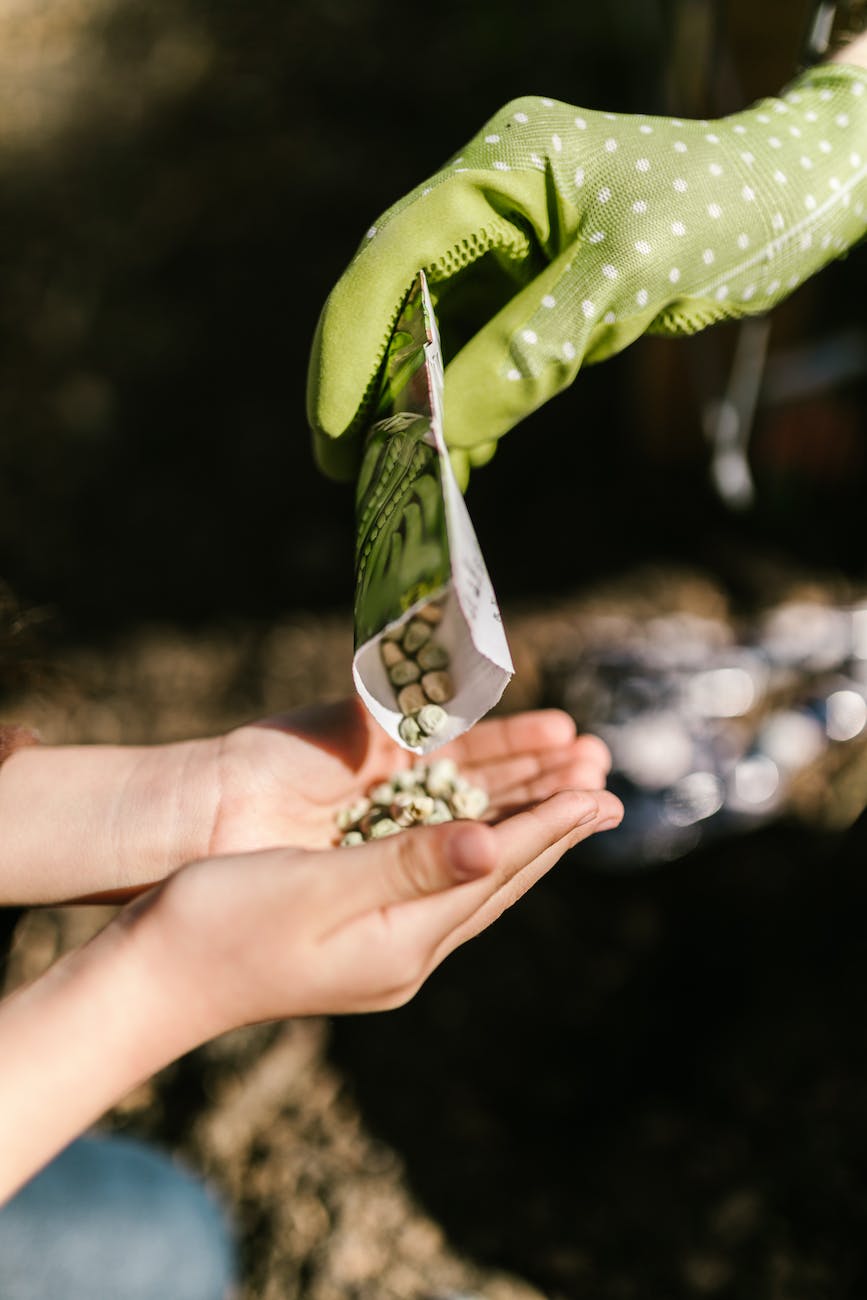
Seed starting season is an exciting time! You’re sitting back with your seed catalogs pouring through the pages searching for the best vegetable seeds and flower seeds you want to add to your garden this year. Seed shopping is the easy part of vegetable gardening. Growing a garden in Ohio is a joyous and also can be a turbulent experience and as we Ohioans know you can’t base this year’s potential growing season off of last year. Let’s start at the beginning with the big question. When to plant seeds in Ohio? This answer depends on many factors that we will dive into below but I’ve included an easy chart to help those looking for a quick answer.
Below we’ll give you an ideal time to start your vegetables in the state of Ohio. Here our garden zones range from 5b-7a so if you are outside of Ohio but are still in these zones this break down will still apply.

When To Plant Seeds in Ohio by Region
Here’s a quick general seed starting chart for Ohio based on the average last frost date in different regions. If you want more of a break down keep reading after this section:
- North Ohio (Cleveland, Toledo):
- Average Last Frost Date: May 15th
- Start Indoors (8-10 weeks before last frost):
- March 6th – March 20th
- Central Ohio (Columbus):
- Average Last Frost Date: May 5th
- Start Indoors (6-8 weeks before last frost):
- March 19th – April 2nd
- South Ohio (Cincinnati):
- Average Last Frost Date: April 25th
- Start Indoors (4-6 weeks before last frost):
- March 21st – April 4th
Common Vegetables and Their Seed Starting Times:
- Tomatoes, Peppers, Eggplants: 8-10 weeks before last frost
- Broccoli, Cabbage, Cauliflower: 6-8 weeks before last frost
- Cucumbers, Melons, Squash: 3-4 weeks before last frost
- Beans, Corn: Directly sow seeds outdoors after the last frost
Remember this is a general guideline, and you may need to adjust based on your specific circumstances and the needs of the particular plants you’re growing. Also, some plants prefer to be directly sown outdoors, while others benefit from an early start indoors. Always refer to the seed packets for specific recommendations for each plant species.
Read How to Find your Gardening Zone and Why it is important Here

When to Plant Seeds In Ohio
Knowing when to Plant seeds in Ohio depends on various factors such as the specific type of plants, local climate conditions, last expected frost date, soil temperatures, daytime temperatures, starting seeds indoors, plant hardiness zone, etc. Ohio experiences a temperate climate with distinct seasons, so it’s important to consider last spring frost dates for your specific region within the state.
Here’s what you need to think about before starting seeds:
Know Your Frost Dates:
- Last Spring Frost: In Ohio, the average last spring frost date ranges from late April to early May in the southern parts and mid-May to late May in the northern regions.
- First Fall Frost: The first fall frost date typically occurs in October.
- Find your first and last frost dates here .You can also find the last frost date for your area by using an online frost date map or by contacting your local county extension office.
Warm-Season Crops:
- Plants like tomatoes, peppers, and cucumbers are considered warm-season crops. It’s best to start these seeds indoors 6-8 weeks before the last expected spring frost. Transplant them outdoors after the danger of frost has passed.
Cool-Season Crops:
- Vegetables like lettuce, spinach, and peas are cool-season crops. These can be planted directly outdoors before the last frost or shortly afterward, as they tolerate cooler temperatures.
Frost-Tolerant Plants:
- Some plants are more tolerant of cooler temperatures and light frosts. These can be planted earlier in the spring. Examples include carrots, beets, and radishes.
Soil Temperature:
- Consider the soil temperature for planting. Some seeds germinate better when the soil has warmed up. Use a soil thermometer to monitor temperatures, and aim for the recommended range for each crop.
Use a Gardening Calendar:
- Many agricultural extension services provide planting calendars based on local climate data. These can give you specific recommendations for when to plant various crops in your area.
Pay Attention to Microclimates:
- Different areas of Ohio might have microclimates due to factors like elevation and proximity to bodies of water. Be aware of these variations when planning your planting schedule.
Keep an Eye on Weather Patterns:
- Weather conditions can vary, so stay informed about short-term weather forecasts. Unexpected late frosts can occur, so be prepared to protect your plants if needed.
Starting seeds is an essential and rewarding step in the gardening process, enabling individuals to grow a diverse array of plants from the very beginning of their life cycle. This practice allows gardeners to gain greater control over the entire growing process, from selecting specific plant varieties to nurturing seedlings until they are robust enough for transplantation outdoors.

Starting Seeds Indoors in Ohio
Starting seeds indoors can in some cases offer you better results than starting seeds outside in the ground. However, starting seeds indoors requires a lot of hands-on work to keep your seedlings alive. January is a great time to begin planning what you will start from seed and when.
The process typically begins indoors, several weeks before the last expected frost date in your region. This will allow you to get a head start on your vegetable garden.
It involves a few important steps:
- Seed Selection: Choose high-quality seeds from reputable sources. Consider factors such as your local climate, soil conditions, and the specific needs of the plants you want to grow. Some vegetable plants are best started from seeds, while others may be more suitable for direct sowing.
- Container and Soil Preparation: Select containers with good drainage to prevent waterlogging. Use a high-quality sterile seed-starting mix that provides a balanced combination of nutrients and a fine texture, promoting proper aeration and water retention.
- Sowing Seeds: Follow the recommended planting depth and spacing for each type of seed. This information is usually found on the back of the seed packets. Ensure uniformity in planting to facilitate consistent growth.
- Temperature and Light: Maintain an optimal temperature for germination, usually by placing the seed trays on a heat mat. Once the seedlings emerge, provide adequate light, either from a sunny windowsill or with the help of artificial grow lights. Adequate light is crucial for sturdy and healthy seedling development.
- Watering: Keep the soil consistently moist but not waterlogged. Water from the bottom to encourage root growth. Avoid overwatering, as this can lead to damping off, a fungal disease that affects seedlings.
- Transplanting: Once the seedlings have developed true leaves and are large enough to handle, transplant them into larger containers. This process helps prevent overcrowding and provides more space for root development.
- Hardening Off: For best results, it’s a good idea before transplanting seedlings outdoors to gradually acclimate them to outdoor conditions through a process known as hardening off. This involves exposing the plants to outdoor elements for increasing durations over a week or two.
Starting seeds indoors empowers you to extend your growing season, experiment with unique plant varieties, and ensure a strong and healthy start for your plants. It’s a skill that requires attention to detail, but the joy of seeing tiny seeds transform into vibrant seedlings is a gratifying experience for any gardening enthusiast.
Gardening in Ohio, with its diverse climate and fertile soil, offers ample opportunities for gardening enthusiasts of all levels. Whether you’re a seasoned gardener or just starting out, there’s something for everyone to enjoy in this gardening paradise.
More posts you may be interested in!
- Where to place a compost bin?
- Granular Fertilizers vs Liquid Fertilizers
- What is Homesteading and Why you need to Start one!

Do you Need a Soil Test?
Getting a soil test before starting your garden is crucial for ensuring your plants receive the nutrients they need to thrive and produce a bountiful harvest.
Here are some reasons why soil testing is essential for successful gardening:
- Identify Nutrient Deficiencies: Soil tests provide a detailed analysis of your soil’s nutrient content, including nitrogen (N), phosphorus (P), potassium (K), and other essential micronutrients. By knowing which nutrients are lacking, you can target your fertilization efforts effectively, preventing excessive or imbalanced nutrient applications that can harm plant growth.
- Optimize pH Levels: Proper soil pH is essential for plant nutrient uptake and overall health. Soil tests measure the pH level, indicating whether the soil is acidic, alkaline, or neutral. This information helps you determine which plants are well-suited for your soil conditions and whether lime or sulfur applications are necessary to adjust the pH balance.
- Detect Soil Issues: Soil tests can also reveal potential soil problems, such as high levels of salts or heavy metals, that could negatively impact plant growth. Early detection of these issues allows for appropriate remediation measures to ensure the soil is suitable for healthy plant development.
- Maximize Yields and Quality: By optimizing soil conditions with targeted fertilization and pH adjustments, you can maximize the potential of your garden for abundant yields and high-quality produce. Healthy plants are better equipped to resist pests and diseases, leading to a more productive and enjoyable gardening experience.
- Sustainable Gardening Practices: Soil testing promotes sustainable gardening practices by minimizing the need for excessive or inappropriate fertilizer applications. This approach conserves resources and reduces the environmental impact of your gardening efforts.
- Educate Yourself About Your Soil: The results of a soil test provide valuable insights into your soil’s unique characteristics and nutrient needs. Understanding this information empowers you to make informed decisions about soil management and plant selection, fostering a deeper connection with your garden and the natural world.
A soil testing is an invaluable tool for any gardener, regardless of experience level. It provides essential information about your soil’s health and nutrient status, allowing you to mitigate any deficiencies or overabundance in your soil

Ohio’s Growing Season
Ohio’s growing season typically runs from about May to October, providing ample time to cultivate a variety of crops. The state’s climate ranges from humid subtropical in the south to humid continental in the north, with average temperatures ranging from the mid-30s to the mid-80s Fahrenheit. This range allows for a wide variety of plants to thrive, from cool-season crops like lettuce and spinach to warm-season favorites like tomatoes and peppers.
Choosing a Plot
When selecting your garden space, consider factors such as sunlight exposure, soil quality, and drainage. Aim for a location that receives at least six hours of full sun per day. Soil testing can help you identify any nutrient deficiencies or pH imbalances that may need to be addressed. Ensure adequate drainage to prevent waterlogging, which can lead to root rot and other plant diseases.
Selecting Plants
With the growing zones in Ohio, you can choose from a wide range of plants to suit your taste and needs. For early spring planting, consider cool-season crops like lettuce, spinach, broccoli, and peas. As the weather warms up, introduce warm-season favorites like tomatoes, peppers, eggplant, and cucumbers. Herbs, such as basil, oregano, and thyme, thrive in Ohio’s climate and can be grown in containers or directly in the garden.
Garden Maintenance
Regular watering is essential for maintaining healthy plants. Water deeply and infrequently, allowing the soil to dry slightly between waterings. Mulching around your plants helps conserve moisture, suppress weeds, and regulate soil temperature. Regularly inspect your plants for pests and diseases and take action promptly to control them.
Enjoying the Harvest
The fruits of your labor are a rewarding part of gardening. Harvest your crops regularly to encourage continued production. Enjoy your homegrown vegetables fresh from the garden, share them with friends and family, or preserve them for later use.
Gardening in Ohio is a rewarding and enjoyable experience that can connect you with nature, provide fresh produce for your table, and teach valuable life lessons. With a little planning and care, you can transform your backyard into a thriving oasis and reap the benefits of homegrown goodness.

Seed Starting Tips
Tips for planting seeds in Ohio:
- Prepare your soil by tilling it to a depth of 6-8 inches and adding organic matter, such as compost or manure.
- Learn your soil type before planting. You will want to strive for well-drained soil for your plot.
- Choose a planting site that receives at least 6 hours of direct sunlight per day.
- Water your seeds regularly, especially during the first few weeks after planting.
- Thin your young plants to give them enough room to grow.
- Fertilize your plants every few weeks to help them grow strong and healthy.
Gardening in Ground vs Gardening in Raised Beds

Both gardening in the ground and gardening in raised beds have their advantages and disadvantages. The best choice for you will depend on your individual needs and preferences.
Gardening in the ground is the traditional method of gardening and is often seen as the most natural way to grow plants. It is also the most cost-effective method, as you do not need to purchase any materials for raised beds. However, gardening in the ground can be more challenging, as you may need to amend the soil to make it suitable for planting. You may also have more difficulty with pests and weeds.
Gardening in raised beds is a more recent method of gardening that has become increasingly popular in recent years. Raised beds are essentially boxes of soil that are elevated above the ground. This makes them easier to access and work with, and it can also help to improve drainage and prevent soil compaction. Raised beds can also be a good option for gardeners with limited space.
Here are some additional factors to consider when making your decision:
- Your experience level: If you are a new gardener, raised beds may be a good option for you as they are easier to manage.
- The type of plants you want to grow: Some plants, such as tomatoes and peppers, do better in raised beds because they have better drainage.
- Your available space: If you have limited space, raised beds are a good option.
- Your budget: Raised beds can be more expensive than gardening in the ground, so you will need to factor in the cost of materials.

6 seeds/bulbs you will want to start as early as possible:
1. Onion seeds or Sets
2. Native Seed
3. Perennial plant seed
4. Plants with a slow growth rate
5. Seeds that require a longer growing season (Germination Periods 20+ days)
6. Bulbs and Tubers that are slow to start like (Caladiums or Begonias)
Why it’s important to read and follow seed packet instructions
Reading your seed packet before starting seeds is crucial for successful and stress-free gardening! It’s like having a personal roadmap for each plant you want to grow, packed with vital information that optimizes your efforts and helps you avoid common pitfalls.
Here’s why it’s so important:
1. Planning Your Planting Timeline:
- Germination & Maturity Dates: Learn how long it takes for your seeds to sprout and reach maturity. This helps you plan your planting timeline, ensuring you sow indoors at the right time for transplanting outdoors before frost, or directly sow at the appropriate outdoor temperatures.
- Days to Harvest: Knowing when to expect your harvest allows you to plan your meals and garden space accordingly. Some seeds take weeks, while others take months, so this information is key for efficient garden management.
2. Understanding Sowing Requirements:
- Direct Sowing vs. Indoor Start: Not all seeds are created equal! Some need the protection and controlled environment of indoor starting, while others thrive when directly sown outdoors. The packet specifies which method is best for your chosen plant.
- Planting Depth & Spacing: Seeds have specific depth and spacing preferences for optimal germination and growth. The packet tells you exactly how deep to bury them and how much space to leave between them, preventing overcrowding and stunting.
3. Providing the Right Growing Conditions:
- Sun & Light Preferences: Some plants need full sun, while others prefer partial shade. The packet guides you on the ideal light conditions for your seeds, ensuring they receive the right amount for healthy development.
- Soil & Water Requirements: Different plants have varying soil and water needs. The packet advises on the best soil type and watering schedule for your seeds, guaranteeing they flourish in the right environment.
4. Addressing Specific Needs:
- Pre-treatments: Certain seeds benefit from pre-treatments like scarification or stratification before planting, which promote germination. The packet specifies if this is necessary for your chosen variety.
- Special Care: Some plants might require specific care like thinning seedlings or supporting climbing vines. The packet often provides helpful tips and considerations for optimal growth.
5. Choosing the Right Variety:
- Disease & Pest Resistance: Seed packets often highlight if a variety is resistant to specific diseases or pests common in your region. This helps you choose resilient plants that require less intervention.
- Pollination Needs: Some plants require cross-pollination by bees or other insects to produce fruit. The packet will clarify if your chosen variety needs a pollinator, allowing you to plan accordingly.
Remember: Every seed is unique, and its packet holds the key to unlocking its full potential. By taking the time to read and understand the information it provides, you’ll set yourself up for a successful and rewarding gardening experience!

When to plant Fall seeds in Ohio
Starting seeds for a fall crop in Ohio involves counting backward from the expected first fall frost date. In Ohio, the first fall frost date typically occurs in October. To determine the ideal time to start seeds for a fall crop, follow these general guidelines:
Identify the First Fall Frost Date:
- Find out the average first fall frost date for your specific location in Ohio. This information is crucial for planning the timing of your fall planting.
Determine Seed Starting Time:
- Count backward from the first fall frost date to determine the number of weeks your chosen crops need to grow from seed to transplant-ready size. This information can be found on seed packets or in gardening references.
Consider the Type of Crops:
- Different crops have different growth rates. Cool-season crops, such as lettuce, spinach, and broccoli, can be started later in the summer, while warm-season crops like tomatoes and peppers require a longer growing season and need to be started earlier.
Adjust for Transplanting Time:
- Consider the time your seedlings need to grow strong enough for transplanting. This may require an additional 2-4 weeks, depending on the type of crop.
Calculate the Start Date:
- Calculate your seed starting date by subtracting the total number of weeks required for seedlings to grow from the first fall frost date. For example, if a crop needs 6 weeks to grow and you want to transplant it 2 weeks before the frost date, start the seeds 8 weeks before the frost date.
Keep Microclimates in Mind:
- Be aware of microclimates in your area. Factors such as elevation, proximity to water, and urban heat islands can influence local temperature variations.
Use a Gardening Calendar:
- Gardening calendars and guides specific to your region can provide additional guidance on when to start seeds for a fall crop in Ohio.
Starting seeds for a fall crop in Ohio often involves beginning the process in mid to late summer, allowing enough time for the plants to mature before the first fall frost. Adjustments may be necessary based on the specific requirements of the crops you’re growing and local climate conditions.
Ohio is a great place to live and garden. We don’t have as long of a season as some states but we make the most of it! We can grow big beautiful and bountiful crops with a little patience and determination!
Happy Gardening!

Nestera Chicken Coop

Park Seed
Garden Tower Project
Vego Garden Beds

Botanical Interests
Amazon Favorites!

Hoselink
Web Stories


