A Perfect Monstera Adansonii Soil Recipe for Healthy Plants
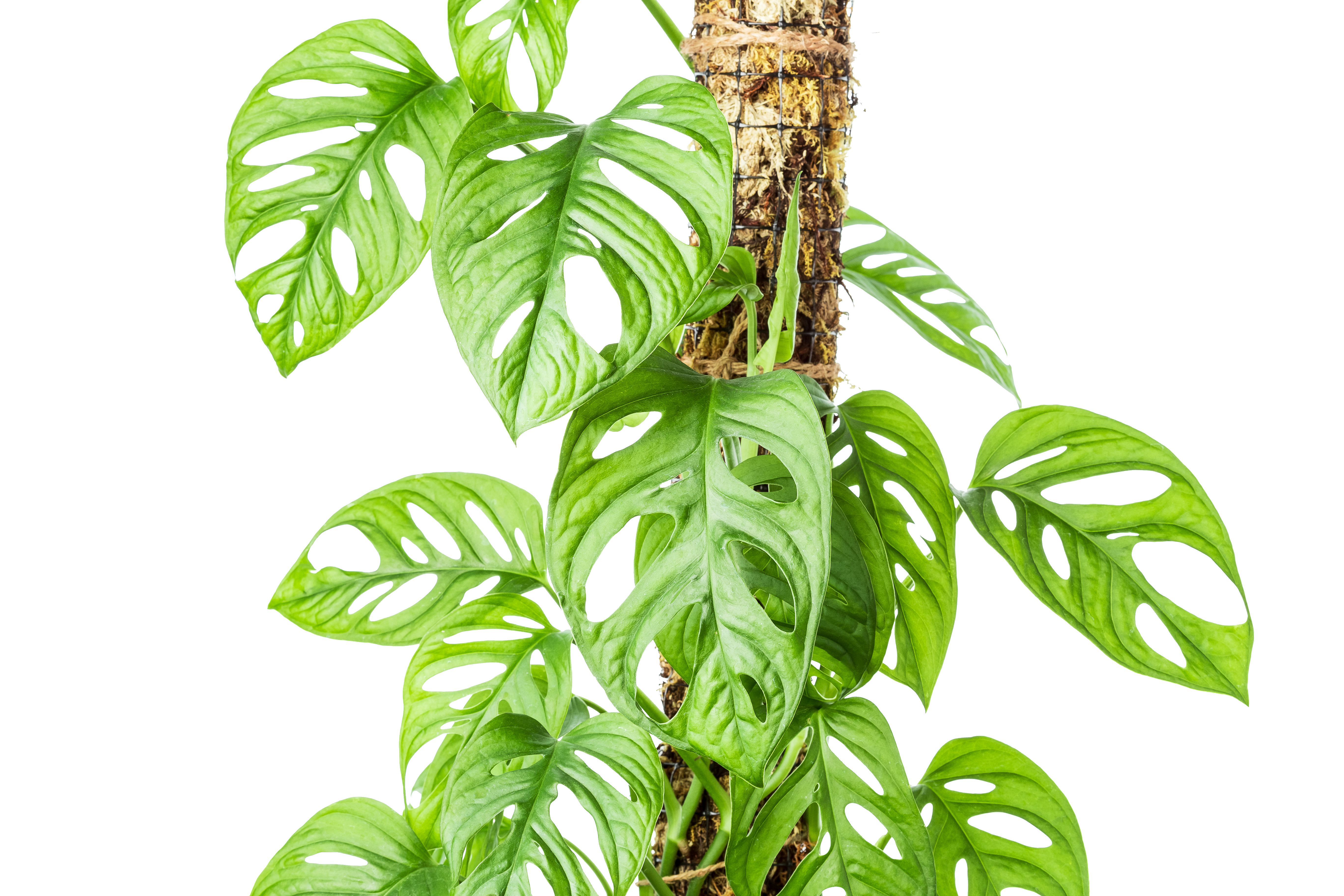
The Monstera Adansonii, also known by its common name The Swiss Cheese Plant, is a gorgeous and easy-to-care-for houseplant. In this post we will teach you all about soil and give you our Monstera Adansonii Soil Recipe along with our plant care tips. But first lets dip into some history and plant characteristics.

The Adansonii is native to the tropical rainforests of Central America and South America, particularly Peru, Ecuador, and Colombia.
Reaching up to 5-10 feet in height indoors but can grow much taller in its natural habitat, this low-growing vine features dark green, oval-shaped leaves with distinctive holes or “windows” that give it its iconic name. These holes are not caused by pests or diseases, but rather by a natural process called fenestration, which helps the plant absorb more light on the lower foliage and allows rainwater to reach the vines and roots.
History:
- This plant was first described by French botanist Michel Adanson in 1763.
- It was originally named Philodendron pertusum but was later reclassified as Monstera Adansonii in the 1840s.
- The Monstera Adansonii became popular as a houseplant in the Victorian era, and its popularity has only increased in recent years through the help of social media.
Interesting facts:
- The holes in the leaves are thought to have evolved to help the plant survive in the dense rainforest canopy, where sunlight is scarce.
- The Monstera Adansonii is also known as the “five holes plant” or the “monkey mask plant” because of the shape of its leaves.
- It’s a relatively low-maintenance plant that’s tolerant of a wide range of conditions, making it a perfect choice for beginner plant parents.
- It’s also said to be air-purifying, removing toxins and pollutants from the atmosphere.
If you’re looking for a beautiful, easy-to-care-for houseplant the Monstera Adansonii is a great choice. With its lush foliage and distinctive holes it will add a touch of the tropics to your home.


Monstera Deliciosa Vs Monstera Adansonii
In case you were wondering the Monstera Deliciosa (commonly known as the Swiss Cheese Plant) and Monstera Adansonii are cousins! They belong to the same genus, Monstera, within the Araceae family. This means they share a common ancestor and have similar characteristics, even though they differ in some ways. Many new plant parents may get these two mixed up so let’s get into some detail so you know which plant is which!
Similarities:
- Both are climbing vines with aerial roots that can attach to surfaces for support.
- Both have large, heart-shaped leaves with the potential for fenestrations (holes) as they mature.
- Both prefer bright, indirect sunlight and moderate humidity.
- Both are considered relatively easy-care houseplants.
Differences:
- Leaf shape: Monstera deliciosa leaves have wider lobes and a more pronounced “drip” tip, while Monstera Adansonii leaves are narrower and more oval-shaped.
- Fenestrations: Monstera deliciosa develops larger and more numerous holes compared to the smaller, subtler holes on Monstera Adansonii.
- Growth habit: Monstera deliciosa can grow significantly larger and bushier than Monstera Adansonii, reaching up to 10 feet tall indoors.
- Flowering: Both can flower, but Monstera deliciosa’s flowers are larger and cream-colored, while Monstera Adansonii’s are smaller and white.
Monstera Deliciosa and Monstera Adansonii are closely related cousins within the Monstera family. They share many characteristics but also have distinct features that make them unique and appealing houseplants in their own right.
If you want more information about the Monstera Deliciosa checkout our plant care guide.
So, whether you prefer the classic Swiss Cheese Plant look with its big, dramatic leaves or the smaller, daintier charm of the Monstera Adansonii, you’re bringing a piece of tropical beauty into your home.

Monstera Adansonii Characteristics and Growth Habits
Characteristics:
Foliage: Deep green, heart-shaped leaves with distinctive holes or “windows” (fenestrations) that develop as the plant matures. These holes allow for better light penetration and rainwater drainage.
- Growth habit: This is a climbing vine! It starts out with compact, bushy growth, but as it matures, aerial roots emerge from the nodes. These roots attach to surfaces like poles or trellises, allowing the plant to climb and reach impressive heights (up to 10 feet or more!).
- Stems: Long, slender, and aerial, providing support for the climbing habit. They can be green, cream, or even reddish-brown.
- Flowering: While not as common indoors, Monstera Adansonii can produce white flowers with a hood-like spathe. These flowers are followed by fruits that resemble small ears of corn, but they’re not edible.
Growth habit variations:
Narrow form: The classic Swiss Cheese Plant, with more elongated leaves and prominent holes.
- Round form: Features broader, rounder leaves with fewer fenestrations, creating a fuller appearance.
Additional details:
Relatively fast-growing, especially when provided with bright, indirect light and adequate moisture.
- Tolerates low light conditions but thrives in brighter settings.
- Enjoys moderate humidity but adapts to average room humidity.
- Regular pruning encourages bushier growth and prevents legginess.
Overall, Monstera Adansonii is a versatile plant that can adapt to various indoor environments. Its unique foliage, climbing habit, and relatively easy care make it a popular choice for beginners and experienced plant enthusiasts alike.

Why Soil is important to Plants
Soil plays a crucial role in the health of our plants. It’s like a living ecosystem that provides essential support and essential nutrients for plant growth development and long term health of your plants.
Here are some key ways soil contributes to plant health:
Physical support: The roots of a plant anchor it to the ground, allowing it to stand tall and resist wind and rain. Soil particles act like tiny building blocks, creating a structure that holds the plant upright and prevents it from toppling over.
Water storage: Soil acts like a sponge, soaking up water and releasing it slowly to the plant’s roots. This is vital for plant survival, especially during dry periods.
Nutrient reservoir: Soil is rich in nutrients, like nitrogen, phosphorus, and potassium, which are essential for plant growth and metabolism. These nutrients are absorbed by the roots and transported throughout the plant. Making sure your houseplant soil is rich in nutrients is key to good growth.
Beneficial organisms: Soil teems with tiny creatures, fungi, and bacteria. These organisms decompose organic matter, releasing nutrients for plants and improving soil aeration and drainage.
Soil pH: The pH level of the soil indicates its acidity or alkalinity. Different plants thrive in specific pH ranges. Soil pH can affect nutrient availability and the activity of beneficial organisms.
Having healthy soil leads to healthy plants. Poor-quality soil, on the other hand, can hinder plant growth and make them more susceptible to diseases and pests.
By understanding how soil works, we can better care for our plants.

Monstera Adansonii Soil Recipe
Key characteristics of good soil:
- Well-draining: Monsteras hate soggy roots, so drainage is key.
- Airflow: The roots need air to breathe, so avoid dense, compacted soils.
- Nutrient-rich: Provide enough nutrients for healthy growth, but not too much to burn the roots.
Soil Recipe
- DIY Mix: You can create your own mix by combining ingredients like:
- Peat moss or coco coir: Holds moisture but can become soggy if not mixed with other elements.
- Perlite or pumice: Improves drainage and aeration.
- Orchid bark: Adds structure and air pockets, and slowly decomposes to release nutrients.
- Charcoal: Improves drainage and prevents fungal growth.
Proportions:
- A good starting point is a ratio of 1 part potting mix to 1 part perlite or orchid bark.
- You can adjust based on your plant’s needs and your growing environment.
- If your Monstera is prone to drooping leaves, add more perlite for drainage.
- If the leaves are browning or curling at the edges, try adding more peat moss or coco coir for moisture retention.
Additional tips:
- Use fresh, high-quality ingredients.
- Avoid reusing soil from sick plants.
- Top-dress with compost or worm castings every few months for added nutrients.
- Repot your Monstera when the roots start circling the pot or it outgrows its current container.
Remember, there’s no one-size-fits-all answer when it comes to the perfect Monstera Adansonii soil mix. The best you can do is observe your plant and adjust the proportions as needed to find the sweet spot for optimal growth.

Common Houseplant Soil Issues
Overwatering:
Signs: Soft, mushy leaves, wilting despite seemingly moist soil, yellow leaves or dropping leaves, root rot.
- Cause: Excessive watering that doesn’t allow the soil to dry out between waterings, leading to waterlogged roots and oxygen deprivation.
- Fix: Reduce watering frequency significantly. Allow the top inch of soil to dry completely before watering again. Check for drainage holes and ensure they’re not clogged. Repot in fresh, well-draining soil if root rot is present.
Underwatering:
Signs: Dry, crispy leaves, wilting, slowed growth, stunted development, leaf drop.
- Cause: Not enough water reaching the roots, leading to dehydration and stress.
- Fix: Increase watering frequency, but avoid overwatering. Check soil moisture regularly and water when the top inch feels dry. Adjust watering based on the plant’s individual needs and pot size.
Compacted soil:
Signs: Poor drainage, water pooling on the surface, stunted growth, difficulty inserting a finger into the soil.
- Cause: Over time, soil particles can pack together, reducing air pockets and hindering drainage and root growth.
- Fix: Gently loosen the top layers of soil with a fork or chopstick providing good aeration. Repot in fresh, well-draining soil if compaction is severe.
Nutrient deficiency:
Signs: Pale leaves, slow growth, stunted development, yellowing between leaf veins.
- Cause: Lack of essential nutrients in the soil due to infrequent fertilization or using spent soil.
- Fix: Fertilize regularly during the growing season (usually spring and summer) with a balanced liquid fertilizer diluted to half strength. Choose fertilizers specific to your plant’s type. Consider repotting in fresh soil if deficiency persists.
Learn how to properly Fertilizer your Monstera Adansonii Here!
Incorrect soil pH:
Signs: Yellowing leaves, stunted growth, leaf curling or dropping, poor overall health.
- Cause: Some plants thrive in acidic or alkaline soil, while others prefer neutral pH. Planting in the wrong type can lead to nutrient lockout.
- Fix: Choose a potting mix formulated for your plant’s preferred pH range or use our soil recipe above and amend based on your plants needs. If repotting, amend the soil with acidic or alkaline components like peat moss or lime to adjust the pH.
Remember, prevention is key! Use well-draining soil, and water appropriately, and fertilize regularly to avoid these common issues. By understanding the signs and taking action, you can keep your houseplants happy and healthy, ensuring they continue to thrive in your home.

How to Re Pot Your Monstera Adansonii
Gather your supplies:
- New pot: Choose a pot with drainage holes that’s 2-4 inches larger in diameter than your current pot. Terracotta or ceramic pots are breathable and recommended.
- Fresh potting mix: DIY with our soil recipe above or buy a potting mix and add in perlite, orchid bark, and charcoal.
- Watering can
- Moss pole (optional): If you want your Monstera to climb, you’ll need a moss pole and some zip ties or string.
- Pruning shears (optional): If your Monstera is leggy, you can prune some stems before repotting.
Here’s how to pot it up:
- Prepare the new pot: Add a layer of fresh potting mix to the bottom of the new pot, enough to raise the root ball slightly above the rim.
- Remove the Monstera from its old pot: Gently tip the pot upside down and tap the bottom to loosen the soil. Slide the plant out, holding the base of the stem.
- Inspect the roots: Remove any dead or rotten roots with your fingers or pruning shears. If the roots are tightly circling the pot, gently loosen them with your fingers.
- Position the Monstera: Place the Monstera in the new pot, ensuring the top of the root ball is level with the pot rim. Fill the gaps around the root ball with fresh potting mix, firming it gently as you go.
- Water thoroughly: Give your Monstera a good drink, soaking the soil until water runs out the drainage holes.
- Add a moss pole (optional): If you’re using a moss pole, push it into the soil near the base of the Monstera. Secure the aerial roots to the pole with zip ties or string.
- Place it in its new home: Choose a location with bright, indirect sunlight and moderate humidity.
How to Grow Your Monstera Adansonii | Plant Care Tips
Growing a Monstera Adansonii, also known as the Swiss Cheese Plant, is a breeze! This easy-going houseplant thrives with minimal fuss and rewards you with lush, fenestrated foliage.
Light:
- Monsteras prefer bright, indirect sunlight. Too much direct sunlight can scorch the leaves, while too little can make them leggy.
- East or west-facing windows are ideal. If you have a south-facing window, provide some shade during peak sun hours.
- Rotate your plant regularly for even growth and prevent leaning.
Water:
- Monsteras hate soggy roots, so avoid overwatering which can cause root rot. Let the top inch of soil dry between watering’s.
- In the winter, reduce watering frequency due to slower growth.
- Signs of overwatering: yellowing leaves, drooping stems, mushy soil.
- Signs of underwatering: wilting leaves, dry crispy edges, brown leaf tips.
Humidity:
- While Monsteras adapt to average room humidity, they thrive in higher levels (50-60%).
- Use a humidifier, pebble tray, or group plants to boost humidity.
- Misting the leaves is fine, but avoid overdoing it.
Nutrients:
- Feed your Monstera once a month during spring and summer with a balanced liquid fertilizer diluted to half-strength.
- Dilute your fertilizer down even farther during the winter months when plant growth slows down
- Signs of nutrient deficiency: pale leaves, slow growth, stunted development.
Climbing:
- Monsteras are natural climbers! Provide a moss pole, trellis, or other support structure for the aerial roots to attach to.
- This encourages bushier growth and prevents legginess.
- You can also prune long stems to promote branching and a fuller appearance.
Both trailing and growing your Monstera Adansonii on a moss pole have their own pros and cons, and the best choice for you will depend on your individual preferences and desired aesthetic.
Here’s our breakdown to help you decide:

Growing on a moss pole:
Pros:
- Encourages climbing habit: This is the natural growth habit of Monsteras, promoting bushier and more compact growth.
- Larger leaves with more fenestrations: Climbing Monsteras tend to produce bigger leaves with more pronounced holes, giving them a fuller and more dramatic look.
- Utilizes vertical space: Saves horizontal space and allows the plant to grow upwards, especially beneficial for smaller areas.
- Aids in aerial root development: Provides a natural surface for the roots to attach and climb, offering additional support and nutrient uptake.
Cons:
- Requires maintenance: Moss poles need regular misting and occasional replacement as they degrade.
- Can be tippy: Heavy vines on a tall moss pole can make the plant top-heavy and prone to tipping. Securing it to the pole or a support structure is necessary.
- Less cascading effect: You won’t get the flowing, trailing vines that some find appealing.
Letting it trail:
Pros:
- Low maintenance: No need for an additional moss pole, making it a simpler setup.
- Natural cascading effect: This creates a lush, waterfall-like look, adding a touch of softness and movement to your space.
- More forgiving for beginners: Less risk of overwatering or improper care compared to a moss pole.
Cons:
- Smaller leaves with fewer fenestrations: Trailing Monsteras tend to have smaller leaves with fewer holes due to less light exposure on lower stems.
- Sprawl and leggy growth: The vine can become long and straggly without support, taking up more horizontal space.
- Root damage: Aerial roots searching for support can easily dry out or damage furniture.
The choice is yours! Consider your needs:
- Do you want a bushier plant with large, fenestrated leaves? Opt for a moss pole.
- Do you prefer a flowing, cascading effect with minimal fuss? Let it trail.
- Limited space? A moss pole might be more space-efficient.
- New to plant care? Trailing might be easier to manage.
You can even experiment! Start with a moss pole for bushier growth and then let some stems trail down for a mixed look. Observe your plant and adjust your approach as needed.
Temperature:
- Maintain room temperature (65-75°F) for optimal growth.
- Monsteras can tolerate cooler temperatures (down to 55°F), but avoid freezing conditions.
Pests and diseases:
- Monsteras are generally resistant to pests and diseases. However, watch out for mealybugs, spider mites, and fungal infections.
- Treat any issues promptly with insecticidal soap, neem oil, or fungicide.
The Monstera Adansonii is a beautiful plant that if you plant it in the proper soil mix and take good care of it, will reward you with tons of growth and beautiful leaves! It’s one of many easygoing indoor plants that are perfect for new plant parents.
Happy Gardening!
Want More?
Houseplants are gorgeous living home decor. It is worthwhile learning how to properly care for them.
IF YOU LIKE THIS POST
You might also like these:
- How to properly water your houseplants
- Best soil to tropical houseplants
- Best Indoor Trailing Houseplants
We’d love to hang out with you on our social channels. You can subscribe to our blog and find us on Facebook, Youtube, Instagram and Pinterest! Feel free to reach out if you have any plant questions!
DISCLOSURE
This blog post may contain affiliate links. Which means if you click on a link and go on to buy the product I recommend, I may get a small commission at no extra cost to you.
Thank you for your support. It means the world to us!

The Thrifted Planter
Ciearra is a gardener and houseplant enthusiast of over 10 years! She has been growing indoors and outdoors. Supplying food for her family and beautifying her home with annuals, perennials and houseplants! Ciearra is passionate about sharing her knowledge of plant care with anyone who needs help or a quick plant growth tip! When she’s not blogging you can find her tending to her chickens, dogs and hanging out with her family
One response to “A Perfect Monstera Adansonii Soil Recipe for Healthy Plants”
Leave a Reply

Nestera Chicken Coop

Park Seed
Garden Tower Project
Vego Garden Beds

Botanical Interests
Amazon Favorites!

Hoselink
Web Stories


[…] The perfect Monstera Adansonii Soil Mix Recipe […]