How to propagate Raindrop Peperomia Guide & Easy Care Tips!
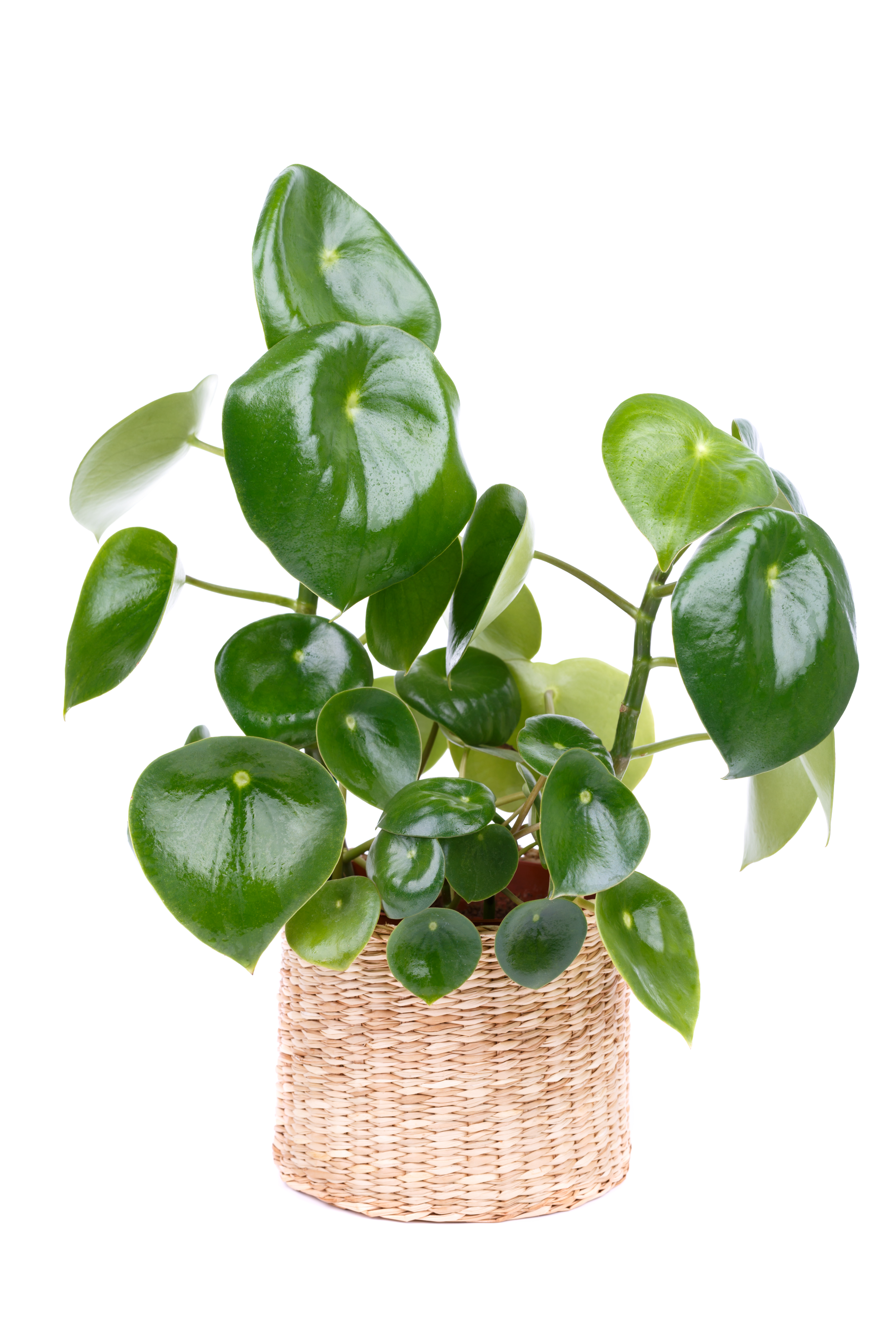
Peperomia Raindrop, also known as peperomia Polybotrya, is a popular houseplant known for its unique glossy raindrop-shaped leaves. The plant is native to South America and grows well in tropical climates. Peperomia raindrop plants are relatively easy to care for and are a good choice for beginners. What many may not know is that you can propagate Raindrop Peperomia pretty easily!
Many people confuse Raindrop peperomia with Pilea Peperomioides, also known as the Chinese Money Plant. While both the Peperomia Raindrop and Chinese Money Plant (Pilea Peperomioides) are popular tropical plants with similar care requirements and looks, they do have distinct characteristics that set them apart from each other.

Peperomia Raindrop vs Pilea Peperomioides
Peperomia Raindrop (Peperomia Polybotrya):
- Leaves: Teardrop-shaped, fleshy leaves with a glossy sheen
- Growth Habit: Compact and upright growth pattern
- Flowering: Produces small, inconspicuous flowers in spikes
- Propagation: Easily propagated from stem cuttings
Chinese Money Plant (Pilea Peperomioides):
- Leaves: Rounded, coin-shaped leaves with a smooth texture
- Growth Habit: Low-growing, spreading habit
- Flowering: Produces small, white flowers in clusters
- Propagation: Easily propagated from stem cuttings or division
Comparison Table:
| Feature | Peperomia raindrop | Chinese money plant |
|---|---|---|
| Leaf Shape | Teardrop | Rounded |
| Leaf Texture | Glossier | Smoother |
| Growth Habit | Upright | Spreading |
| Flowering | Inconspicuous | White clusters |
| Propagation | Stem cuttings | Stem cuttings or division |


Peperomia Raindrop and Chinese Money plant are beautiful and easy-to-care-for houseplants they make wonderful additions to any home. The choice between the two ultimately depends on your personal preference and the specific characteristics you desire in a houseplant.
Let’s take a deeper look at the distinctive characteristics of the Peperomia Raindrop plant:
Foliage:
- Shape: The most striking feature of the Peperomia raindrop is its teardrop-shaped leaves, resembling raindrops glistening on a leaf surface.
- Texture: The leaves are relatively thick and fleshy, giving them a plump and substantial appearance.
- Color: The leaves are typically a deep shade of green, ranging from emerald to olive hues.
- Surface: The leaves boast a glossy sheen that enhances their visual appeal and contributes to their raindrop-like appearance.
Growth Habit:
- Compact: The Peperomia raindrop maintains a compact and manageable size, making it ideal for indoor spaces and tabletops.
- Upright: The plant typically grows in an upright, bushy manner, with its stems supporting the cascading foliage.
- Non-invasive: Unlike some houseplants that tend to spread aggressively, the Peperomia raindrop remains well-behaved and doesn’t overwhelm its surroundings.
Now let’s dive into propagation and what it means
What is propagation?
Plant propagation is the process of creating new plants from a single parent plant. This can be done through a variety of methods, including sexual and asexual propagation. Sexual propagation involves the production of seeds, while asexual propagation involves taking a part of one parent plant and causing it to regenerate itself into a new plant.
Sexual propagation is the most common method of plant propagation in nature. It involves the union of male and female gametes to produce a zygote, which develops into a seed. The seed contains an embryo, which is a miniature plant that has all of the necessary organs to develop into a new plant. Seeds are dispersed by wind, water, or animals, and they can germinate in a variety of conditions. Many of us house plant collectors are not using sexual propagation as a means of creating more plants. However, there are some who are able to are able to complete this sometimes difficult task and those people are my idols.
Asexual propagation is a more controlled method of plant propagation. It involves taking a part of one parent plant, such as a stem, leaf, or root, and causing it to regenerate itself into a new plant. This process is called regeneration, and it is based on the plant’s ability to produce new cells from specialized cells called meristems.
There are many different methods of asexual propagation, including:
- Stem cuttings: Stem cuttings are made by taking a piece of stem from a parent plant and rooting it in water or moist soil. This is a common method of propagation for many houseplants.
- Root division: Root division is a method of propagation that is used for plants that have multiple crowns or suckers. The plant is dug up and divided into two or more sections, each with its own root system.
- Grafting: Grafting is a method of propagation that is used to combine two different plants into one. A piece of stem from one plant called the scion, is grafted onto the rootstock of another plant.
- Air layering: This method is a bit more complex than the others, but it can be used to propagate plants that are difficult to root from cuttings. To air-layer a plant, you will need to create a small incision in the stem and then wrap it in moist moss. After a few weeks, roots will develop at the incision, and you can then cut the stem and plant the new plant in soil.
- Tissue culture: This method is the most advanced and is typically only used by professionals. Tissue culture involves taking a small piece of plant tissue and growing it in a sterile laboratory environment. This method is used to produce large numbers of plants quickly and efficiently.
The best way to Propagate Peperomia Raindrop in my opinion is by stem cutting then rooting in soil propagation or water propagation. Here’s how to do both easily.

Propagate Raindrop Peperomia in Water
Propagating Peperomia raindrop in water is a straightforward process that can be done with very little supplies.
Materials Needed:
- Healthy Peperomia Raindrop plant
- Sharp knife or pruning shears
- Clear glass jar or plastic container
- Room-temperature water
Step-by-Step Instructions:
- Select a healthy stem: Choose a healthy, non-flowering stem from your Peperomia raindrop plant. The stem should be at least 3-4 inches long and have several nodes, the points where leaves grow from the stem.
- Make a clean cut: Use a sharp knife or pruning shears to make a clean cut just below a node. Remove any leaves from the bottom 1-2 inches of the stem.
- Prepare the rooting container: Choose a clear glass or plastic container that allows you to see the roots developing. Fill the container with room-temperature water.
- Place the stem in water: Insert the cut end of the stem into the jar of water, ensuring that at least one node is submerged.
- Position in a bright location: Place the container in a bright location with indirect sunlight. Avoid direct sunlight, which can scorch the stem. I put my cuttings in my kitchen windows.
- Change the water regularly: Change the water every 2-3 days to keep it fresh and prevent the growth of bacteria.
- Monitor root development: Keep an eye on the stem and look for signs of root growth or stem rot. New roots typically start to appear within 2-3 weeks.
- Roots: Once the roots are about 1-2 inches long, you can transfer the cutting to a pot with a well-draining potting mix.
Additional Tips:
- Use a rooting hormone (optional): Dipping the cut end of the stem in a rooting hormone can encourage faster root development.
- Increase humidity (optional): Placing a plastic bag over the container can help to increase humidity and create a favorable environment for root growth.
- Be patient: The rooting process can take several weeks, so be patient and allow the plant to develop roots at its own pace.
Propagate Raindrop Peperomia in soil
Propagating Peperomia raindrop in soil is a simple way to propagate! Make sure you use a good well draining soil and keep an eye out for stem root.
Materials Needed:
- Healthy Peperomia raindrop plant
- Sharp knife or pruning shears
- Well-draining soil
- Small pot with drainage holes
- Room-temperature water
Step-by-Step Instructions:
- Select a healthy stem: Choose a healthy stem from your Peperomia raindrop plant. The stem should be at least 3-4 inches long and have several nodes, the points where leaves grow from the stem. Cut off lower leaves and keep 2-3 mature leaves at the top of the cutting
- Make a clean cut: Use a sharp clean knife or pruning shears to make a clean cut just below a node. Remove any leaves from the bottom 1-2 inches of the stem.
- Prepare the potting mix: Fill the small pot with well-draining potting mix. Make sure the potting mix is moist but not soggy.
- Dip the stem in rooting hormone (optional): While not essential, dipping the cut end of the stem in a rooting hormone can encourage faster root development.
- Plant the stem: Insert the cut end of the stem into fresh soil mix, ensuring that at least one node is buried. Firm the potting mix around the base of the stem.
- Water the cutting: Give the cutting a thorough watering to settle the potting mix and provide initial moisture.
- Position in a bright location: Place the pot in a bright location with indirect sunlight. Avoid direct sunlight, which can scorch the stem.
- Maintain humidity: To maintain humidity, consider placing a plastic bag over the pot or using a humidity dome. This will help prevent the leaves from drying out and promote root growth.
- Monitor root development: After a few weeks, gently tug on the stem to check for root development. If there is resistance, the cutting is likely rooted and can be treated like a mature Peperomia raindrop plant. You will soon begin to see new growth on your plant.
Additional Tips:
- Provide warmth: Peperomia raindrop prefers warm temperatures, so keep the cutting in a location with a consistent temperature between 65-80°F (18-27°C).

Leaf Propagate Raindrop Peperomia
When you Propagate Raindrop Peperomia from leaf cuttings just know it may take slightly longer than stem cuttings, leaf cuttings are a fun way produce new plants.
Materials Needed:
- Healthy Peperomia raindrop plant
- Sharp knife or pruning shears
- Well-draining potting mix
- Small pot with drainage holes
- Clear plastic bag or humidity dome
- Room-temperature water
Step-by-Step Instructions:
- Select a healthy leaf: Choose a healthy, mature leaf from your Peperomia raindrop plant. The leaf should be firm and free of pests or diseases.
- Cut the leaf: Use a sharp knife or pruning shears to make a clean cut at the base of the leaf petiole, the stalk that attaches the leaf to the stem.
- Remove any extra petiole: Trim off any excess petiole, leaving about 1/4 inch remaining.
- Prepare the potting mix: Fill the small pot with well-draining potting mix. Make sure the potting mix is moist but not soggy.
- Lay the leaf on the potting mix: Place the cut end of the leaf petiole flat on the surface of the potting mix. Do not bury the petiole in the soil.
- Cover the pot: To maintain humidity, cover the pot with a clear plastic bag or use a humidity dome. This will help prevent the leaf from drying out and promote root development.
- Position in a bright location: Place the pot in a bright location with indirect sunlight. Avoid direct sunlight, which can scorch the leaf.
- Monitor root development and humidity: Check the pot regularly for signs of root growth. It may take several weeks for roots to form. Gently mist the leaf occasionally to keep it moist.
- Pot up the new plant: Once roots have developed, you can carefully transfer the leaf cutting to a new pot with a well-draining potting mix. Bury the petiole about 1/2 inch deep in the potting mix.
Propagation Problems
1. Stem cuttings not rooting
- Possible causes:
- Not enough humidity: Cuttings need high humidity to root properly. You can increase humidity by placing a plastic bag over the pot or by misting the cutting regularly.
- Not enough light: Cuttings need bright, indirect light to root. Avoid placing them in direct sunlight, which can scorch the leaves.
- Overwatering or underwatering: Overwatering a soil propagated plant can cause the stem to rot. Underwatering can prevent the stem from absorbing enough water to root. Water the cutting when the soil feels dry to the touch.
- Using the wrong potting mix: Use a well-draining potting mix
2. Leaf cuttings not rooting
- Possible causes:
- Not enough humidity: Leaf cuttings need even more humidity than stem cuttings. You can place the cutting in a terrarium or use a humidity dome.
- Not enough light: Leaf cuttings need bright, indirect light to root. Avoid placing them in direct sunlight, which can scorch the leaves.
- Underwatering: Leaf cuttings need to be kept moist at all times. Water the cutting when the soil feels slightly damp to the touch.
- Not enough node: Some leaf cuttings need to have a node to root. A node is the point where a leaf grows from the stem.
3. Rotting cuttings
- Possible causes:
- Overwatering: Overwatering is the most common cause of rotting cuttings. Water the cutting only when the soil feels dry to the touch.
- Using the wrong potting mix: Use a well-draining potting mix
- Not enough air circulation: Place the cutting in a pot with drainage holes and avoid placing it in a closed container that does not allow air circulation.
- Change water: When rooting cutting in water it’s important to change out the water ever few days.
4. Pests and diseases
- Possible causes:
- Using dirty tools: Always use clean, sanitized tools when taking cuttings. You can spread diseases between plants.
- Propagating from a diseased plant: Avoid propagating from plants that are showing signs of pests or diseases.
- Overcrowding: Overcrowding cuttings in the same pot can increase the risk of pests and diseases. Make sure your cuttings have enough space to breathe.

How to Grow Raindrop Peperomia Plants
Light
Peperomia raindrop plants need bright, indirect light to grow their best. They prefer to be placed near a window that receives plenty of natural light, but it’s important to avoid direct sunlight on your foliage. Direct sun without transitioning can burn the leaves and it’s very difficult for plants to recover when they’ve been burnt.
Ideal locations for Peperomia raindrop plants include east-facing or north-facing windows. If your home doesn’t have windows that receive enough natural light, you can supplement with a grow light. There are many low cost grow lights on the market right now so finding one should be pretty easy.
- Light intensity: Peperomia plants prefer bright, indirect light. This means that they should receive plenty of light, but it should be filtered or diffused to avoid being too harsh.
- Light duration: Peperomia plants need at least 6-8 hours of light per day. If they don’t get enough light, their leaves will start to turn pale and droopy.
- Light quality: Peperomia plants prefer full-spectrum light, which is the type of light that plants need to photosynthesize efficiently. If you’re using a grow light, make sure that it emits full-spectrum light.
Here are some important signs that your Peperomia Raindrop plant is not getting enough light:
- Pale leaves: If the leaves of your Peperomia Raindrop plant are pale or yellowish, it’s a sign that it’s not getting enough light.
- Drooping leaves: If the leaves of your Peperomia raindrop plant are drooping, it’s another sign that it’s not getting enough light.
- Slow growth: If your Peperomia raindrop plant is growing slowly, it’s a sign that it’s not getting enough light.
- Leggy Growth: If your plant is looking tall and lanky it’s likely stretching for light.
If you notice any of these signs, you should move your plant to a location that receives more light.
Water
Peperomia Raindrop plants are relatively low-maintenance, but they do require proper watering to thrive.
- Allow the soil to dry out slightly between watering’s: It’s important to allow the soil to dry out slightly between watering’s. Too much water can cause root rot. However, don’t let the soil dry out completely, as this can stress the plant.
- Consider bottom watering: Bottom watering is a good way to ensure that your Peperomia raindrop plant gets a thorough watering without getting water on the leaves. To bottom water, simply place the pot in a shallow dish of water and allow the soil to absorb the water from the bottom.
- Adjust the watering frequency based on the season and your plant’s needs: Peperomia raindrop plants will need less water during the winter when they are dormant. You may also need to adjust the watering frequency based on the humidity levels in your home.
- Monitor your plant for signs of overwatering or underwatering: Overwatered plants will have droopy, yellow leaves. Underwatered plants will have dry, crispy leaves. If you notice any of these signs, adjust your watering frequency accordingly.
Soil Mix
Here are some tips for selecting the best soil mix for your Peperomia Raindrop plant:
- Choose a well-draining potting mix: Peperomia raindrop plants are susceptible to root rot if they are kept in waterlogged soil. Therefore, it’s essential to use a well-draining potting mix that will allow excess water to drain away freely. A good potting mix for Peperomia raindrop plants is a combination of peat moss, perlite, and vermiculite.
- Consider adding orchid bark or coco coir: Orchid bark and coco coir are both excellent additions to potting mixes for Peperomia raindrop plants. They help to further improve drainage and aeration, which is essential for healthy root growth.
Make your Own Soil Mix:
If you prefer to make your own potting mix, you can combine the following ingredients:
2 parts peat moss
1 part perlite
1 part vermiculite
Fertilize Raindrop Peperomia
- Choose a balanced fertilizer: Peperomia raindrop plants prefer a balanced fertilizer with an equal ratio of nitrogen, phosphorus, and potassium (NPK). A 20-20-20 fertilizer is a good option.
- Dilute the fertilizer to half strength: Before using the fertilizer, dilute it to half strength with water. This will help to prevent fertilizer burn.
- Fertilize during the growing season: Peperomia raindrop plants are actively growing from spring to fall. Fertilize your plant once a month during this time and less during the winter months.
- Water the plant thoroughly before fertilizing: This will help to distribute the fertilizer evenly and prevent it from burning the roots.
- Apply the fertilizer to the soil: Do not apply the fertilizer to the leaves of the plant.
- Rinse off any excess fertilizer: After applying the fertilizer, rinse off any excess that may have gotten on the leaves of the plant.
- Avoid overfertilizing: Overfertilizing can damage the roots of your Peperomia raindrop plant. Only fertilize your plant once a month during the growing season.
Here are some additional tips for fertilizing your Peperomia raindrop plant:
- Do not fertilize your plant as often during the winter: Peperomia raindrop plants are dormant during the winter months and do not need a lot of fertilizer.
- If you notice any signs of fertilizer burn, such as yellowing or browning of the leaves, stop fertilizing your plant and flush the soil with water.
Liquid Fertilizer Vs Granular Fertilizer
Peperomia raindrop plants generally prefer liquid fertilizer over granular fertilizer. This is because liquid fertilizer is more readily absorbed by the roots, making it more effective for these plants. Granular fertilizer, on the other hand, needs to be dissolved in water before it can be absorbed by the roots, and this process can take longer, especially for plants with slow-growing roots like Peperomia raindrop.
Check out this handy table with the key differences between liquid and granular fertilizers for Peperomia raindrop:
| Feature | Liquid Fertilizer | Granular Fertilizer |
|---|---|---|
| Absorption rate | Faster absorption | Slower absorption |
| Nutrient availability | Nutrients are readily available | Nutrients need to be dissolved in water first |
| Application method | Watered into the soil | Spread onto the soil surface |
| Risk of overfertilization | Lower risk | Higher risk |
Overall, liquid fertilizer is a more convenient and effective option for Peperomia raindrop plants. It is easier to apply, provides nutrients more quickly, and has a lower risk of overfertilization.
The Perfect Pot for Raindrop Peperomia
The best type of pot for a Peperomia raindrop plant is one that has a drainage hole and is made of a material that allows air circulation.
- Terracotta: Terracotta is a porous material that allows air and water to pass through easily, which is essential for healthy root growth. Terracotta pots can also help to prevent root rot by drying out quickly after watering.
- Unglazed ceramic: Unglazed ceramic pots are another good option for Peperomia raindrop plants. They are similar to terracotta pots in that they allow air and water to pass through, but they are less likely to crack or chip.
- Glazed ceramic: Glazed ceramic pots can be a good option if you want a more decorative pot. However, it is important to make sure that the pot has drainage holes to allow excess water to escape.
- Plastic: Plastic pots are also a good option, but they can be less breathable than terracotta or ceramic pots. If you use a plastic pot, make sure that it has drainage holes and that you don’t overwater the plant.
No matter what type of pot you choose, it is important to make sure that it is the right size for your Peperomia raindrop plant. The pot should be slightly larger than the root ball of the plant, but not so large that the soil dries out too quickly.
Common Peperomia Issues to look out for
Peperomia plants are generally known for being relatively low-maintenance and pest-resistant. However, they are still susceptible to a few common pests and diseases. Here are some of the most common peperomia pests and issues to look out for:
Pests:
- Mealy bugs: Mealybugs are small, white insects that look like cotton balls. They feed on the sap of plants, which can cause them to become stunted and weak. Mealybugs can be controlled by rubbing them off with a cotton swab dipped in rubbing alcohol or by using a commercial insecticidal soap.
- Spider mites: Spider mites are tiny, eight-legged creatures that feed on the leaves of plants. They can cause the leaves to become yellow or brown and can also cause them to drop off. Spider mites can be controlled by increasing the humidity around the plant or by using a commercial insecticidal soap.
- Thrips: Thrips are tiny, slender insects that feed on the sap of plants. They can cause the leaves to become discolored and can also make them feel sticky. Thrips can be controlled by using a commercial insecticidal soap or by spraying the plant with a solution of neem oil.
Diseases:
- Root rot: Root rot is a fungal disease that affects the roots of plants. It is caused by overwatering or by using a potting mix that is not well-draining. Root rot can cause the leaves to become yellow or brown and can also cause them to drop off. Root rot can be controlled by using a well-draining potting mix and by watering the plant only when the soil feels dry to the touch.
- Fungal leaf spot: Fungal leaf spot is a fungal disease that causes brown spots to appear on the leaves of plants. It is caused by high humidity and poor air circulation. Fungal leaf spot can be controlled by increasing the air circulation around the plant and by avoiding overwatering.
- Powdery mildew: Powdery mildew is a fungal disease that causes a white powdery coating to appear on the leaves of plants. It is caused by high humidity and poor air circulation. Powdery mildew can be controlled by increasing the air circulation around the plant and by using a commercial fungicide.
Now that you know how to grow and propagate Raindrop Peperomia you are ready to get started!
Posts that you may be interested in:
- How to Propagate Begonia Maculata
- Best Fertilizer for Bird of Paradise Plants
- Make your Own ZZ Plant Sil Mix
Happy Propagating!
4 responses to “How to propagate Raindrop Peperomia Guide & Easy Care Tips!”
Leave a Reply

Nestera Chicken Coop

Park Seed
Garden Tower Project
Vego Garden Beds

Botanical Interests
Amazon Favorites!

Hoselink
Web Stories


[…] How to Propagate Peperomia Raindrop […]
[…] To read a FULL Raindrop Peperomia Propagation Guide Check out this post! […]
[…] How to Propagate Raindrop Pepperomia […]
[…] How to Propagate Raindrop Peperomia […]