Fern Care 101: Everything You Need to Know to Grow Beautiful Ferns
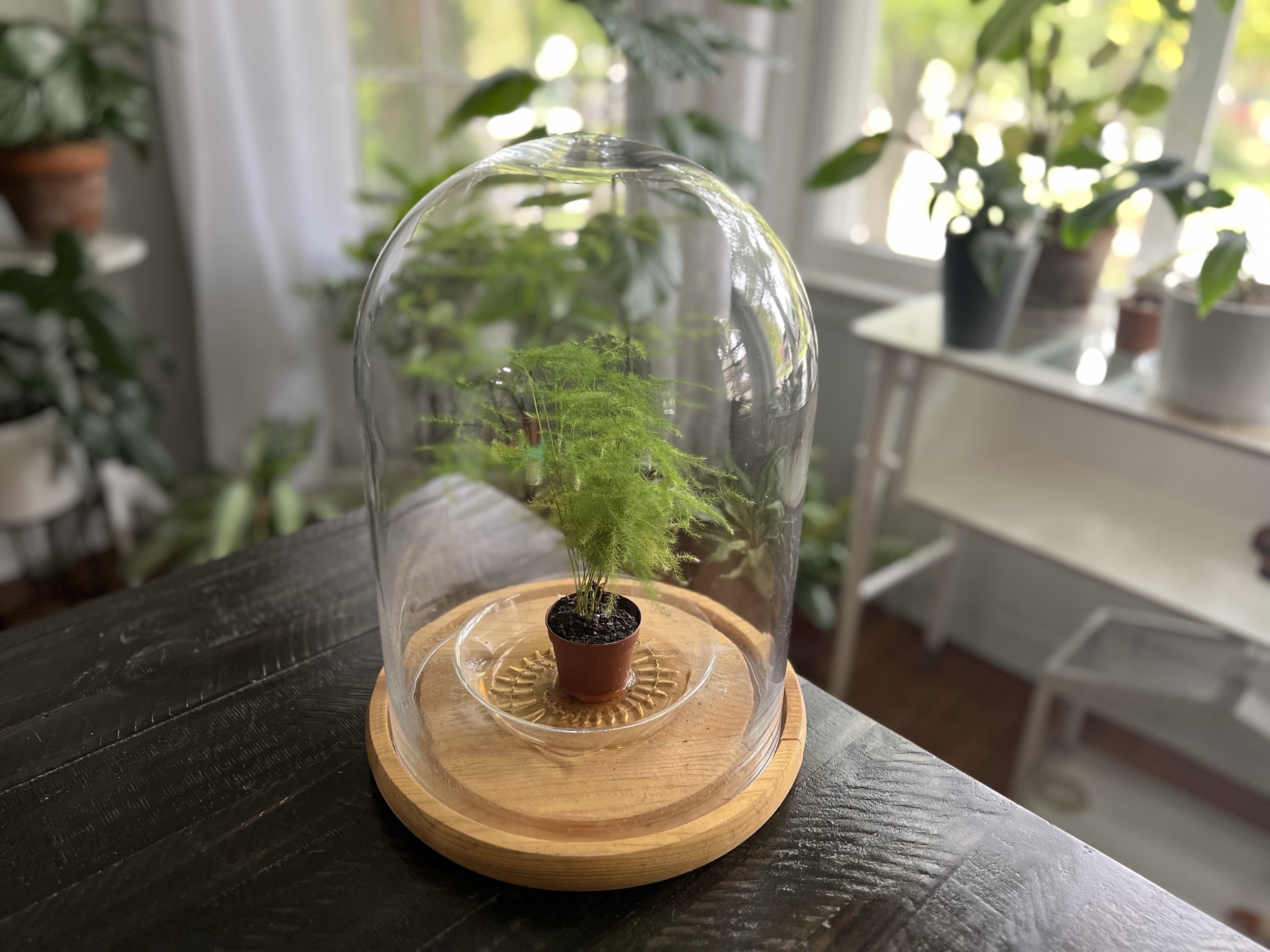
If you’ve ever brought home a beautiful fern only to watch it turn brown, crispy, and lifeless a few weeks later, you’re not alone. Ferns have a reputation for being difficult houseplants, but the truth is they’re simply misunderstood. Once you understand what these ancient plants need consistent moisture, humidity, and the right amount of light they’re surprisingly easy to grow. In this complete fern care guide, you’ll learn exactly how to keep a fern alive, thriving, and full of lush green fronds year-round.
This blog post may contain affiliate links. I may earn a small commission to fund my houseplant habit if you use these links to make a purchase. You will not be charged extra, and you’ll keep me in the garden. It’s a win for everyone, really.

Quick Care Cheat Sheet
| Feature | Fern Care |
|---|---|
| Light | Bright indirect light |
| Water | Keep soil evenly moist |
| Humidity | High (50–70%+) |
| Soil | Rich, well-draining |
| Temperature | 60–75°F |
| Fertilizer | Monthly in spring & summer |
| Pet Safe | Many popular ferns are pet-friendly, but always verify the specific species you have. |
Why Are Ferns So Hard to Keep Alive?
If you’ve ever watched a lush, green fern slowly turn brown and crispy after bringing it home, you’re not alone. Ferns have earned a reputation for being difficult houseplants, but the truth is they’re often misunderstood.
Unlike many popular houseplants that can tolerate dry air and occasional neglect, most ferns evolved in the humid, shaded understories of forests. They naturally grow where the soil stays consistently moist, the air is damp, and they’re protected from harsh, direct sunlight. When we bring them indoors, the conditions in our homes are often the exact opposite.
The good news? Once you understand what your fern needs, it’s much easier to keep it healthy and thriving.
The Biggest Reasons Ferns Struggle Indoors
Low Humidity
Low humidity is one of the most common reasons indoor ferns decline. During the winter, heating systems can dry out the air even more, causing the delicate fronds to develop crispy brown edges or wilt.
Most ferns prefer humidity levels of 50–70% or higher, while the average home often sits between 20–40%. Increasing humidity with a humidifier, pebble tray, or by grouping plants together can make a noticeable difference.
Quick Tip
If the tips of your fern’s fronds are turning brown while the soil is still moist, dry indoor air is often the culprit.
Inconsistent Watering
Ferns like their soil to remain evenly moist, but not soaking wet. Letting the soil dry out completely can quickly stress the plant, while constantly soggy soil can lead to root rot.
The key is consistency. Check the soil regularly and water when the top inch begins to feel slightly dry.
Too Much Direct Sunlight
Although ferns need light to grow, they generally don’t enjoy intense afternoon sun. Direct sunlight can scorch their delicate fronds, causing fading, browning, or crispy patches.
Most indoor ferns grow best in bright, indirect light or gentle morning sun.
Poor Placement
Where you place your fern matters just as much as how you care for it.
Avoid placing ferns:
- Next to heating vents
- Near air conditioning vents
- In drafty doorways
- Beside fireplaces
- Against hot, sunny windows
Sudden temperature changes and dry air can quickly stress even healthy plants.
Choosing the Wrong Fern for Your Space
Not all ferns have the same care requirements. Some, like Boston ferns, need consistently high humidity, while others, such as Blue Star ferns or Bird’s Nest ferns, are a bit more forgiving of average household conditions.
If you’re new to growing ferns, choosing a beginner-friendly variety can make all the difference.
Forgetting That Ferns Grow Slowly
Many gardeners worry when they don’t see rapid growth, but most ferns aren’t fast-growing plants. They naturally produce new fronds at a steady pace, especially during spring and summer.
As long as your fern is producing healthy green fronds, even if it’s only a few at a time, it’s likely doing just fine.
Did You Know?
Ferns are among the oldest plants on Earth, dating back more than 300 million years. They evolved long before flowering plants and still thrive today by growing in cool, humid environments.
Did You Know? Ferns are among the oldest plants on Earth, dating back more than 300 million years. They evolved long before flowering plants and still thrive today by growing in cool, humid environments.
The Secret to Keeping a Fern Alive
Despite their reputation, ferns aren’t difficult once you understand their natural habitat. Think about recreating the conditions of a shady forest floor: bright, indirect light, consistently moist soil, high humidity, and stable temperatures.
Instead of treating your fern like a drought-tolerant houseplant, give it the moisture and humidity it craves. With the right environment and a little consistency, your fern can reward you with lush, vibrant green fronds for years to come.
The Thrifted Planter Tip
I’ve found that consistency is the real secret to growing healthy ferns. They don’t need constant attention, but they do appreciate a predictable routine. Checking the soil every few days and keeping them away from dry heating vents has made a huge difference in keeping my ferns full, green, and thriving.
Light Requirements for Ferns
One of the biggest misconceptions about ferns is that they thrive in dark corners. While it’s true that many ferns tolerate lower light better than other houseplants, they still need plenty of light to stay healthy and produce lush, vibrant fronds.
In their natural habitat, ferns grow beneath the canopy of trees where they’re protected from harsh sunlight but still receive hours of filtered or dappled light throughout the day. Recreating these conditions indoors is the key to long-term success.
How Much Light Do Ferns Need?
Most indoor ferns grow best in bright, indirect light for at least 6 to 8 hours each day.
Bright, indirect light means your fern is in a well-lit room where sunlight reaches the plant without shining directly on the fronds. Too much direct sun can scorch the leaves, while too little light can lead to slow growth and sparse foliage.
If you’re unsure whether your fern is getting enough light, remember this simple rule:
Think “bright shade,” not darkness.
The Best Window for Ferns
The direction your windows face can make a big difference in how much light your fern receives.
East-Facing Windows (Best Choice)
East-facing windows provide gentle morning sunlight followed by bright indirect light for the rest of the day. This is ideal for most fern varieties because the morning sun is much less intense than the afternoon sun.
If you only have one spot for your fern, an east-facing window is often your best option.
North-Facing Windows
North-facing windows typically provide soft, indirect light all day long. Many ferns grow well here, especially in bright rooms with large windows.
If your north-facing room feels dim, consider moving the plant closer to the window or supplementing with a grow light.
South-Facing Windows
South-facing windows provide the brightest light in your home, but they can also expose your fern to intense midday sun.
To protect delicate fronds, place your fern a few feet back from the window or filter the sunlight with a sheer curtain.
West-Facing Windows
West-facing windows receive strong afternoon sunlight, which can be too intense for many fern species.
If you use a west-facing window, keep your fern out of the direct path of the sun or soften the light with curtains.
Can Ferns Grow in Low Light?
Many ferns are marketed as low-light houseplants, but “low light” doesn’t mean “no light.”
While ferns can survive in lower light conditions, they generally won’t thrive. Inadequate light often leads to:
- Slow or stalled growth
- Smaller fronds
- Thin, leggy growth
- Pale green foliage
- Reduced overall vigor
If your fern isn’t producing new fronds during the growing season, insufficient light may be part of the problem.
Using Grow Lights for Ferns
If your home doesn’t receive enough natural light, a full-spectrum LED grow light can help your fern flourish year-round.
Position the grow light about 12 to 18 inches above the plant and keep it on for 12 to 14 hours per day. This is especially helpful during the shorter days of fall and winter or in rooms with limited window light.
Grow lights are also a great option for bathrooms, offices, or apartments where natural light is limited.
Signs Your Fern Needs More Light
Your fern may not be getting enough light if you notice:
- Slow or no new growth
- Small, weak fronds
- Pale or faded leaves
- Thin, stretched stems
- Sparse or uneven growth
Try moving the plant closer to a bright window or adding a grow light for a few weeks to see if new growth improves.
Signs Your Fern Is Getting Too Much Light
Too much direct sunlight can damage the delicate fronds.
Watch for:
- Brown, crispy leaf edges
- Bleached or faded foliage
- Dry patches on the fronds
- Curling leaves
- Rapid soil drying
If you notice these symptoms, move your fern farther from the window or filter the sunlight with a sheer curtain.
Quick Tip
A simple way to test the light is to stand where your fern sits around midday. If the sun is shining directly on your face or casting harsh shadows, it’s probably too intense for most fern varieties.
The Thrifted Planter Tip
One thing I’ve noticed while growing ferns is that they don’t necessarily need the brightest spot in the house they need the right kind of light. My healthiest ferns are placed a few feet back from an east-facing window where they receive bright, filtered light without the harsh afternoon sun. Once I stopped treating them like low-light plants and started giving them consistent bright, indirect light, they rewarded me with fuller, greener fronds and steady new growth. This small change made one of the biggest differences in my fern care routine.

How Often Should You Water a Fern?
There’s no universal watering schedule because every home is different. Factors like the season, humidity, pot size, and the type of fern you have all affect how quickly the soil dries out.
Instead of watering on a set schedule, check the soil every few days.
Water your fern when the top ½ to 1 inch of soil feels slightly dry to the touch. The soil should remain evenly moist but never waterlogged.
During the warmer months, you may find yourself watering once or twice a week. In the winter, when growth slows and indoor temperatures are cooler, your fern may need less frequent watering.
Quick Tip
Stick your finger into the soil before reaching for the watering can. If the top layer still feels moist, wait another day and check again.
The Best Way to Water a Fern
When it’s time to water, give your fern a thorough soak rather than a light sprinkle.
Slowly pour water over the soil until it drains freely from the bottom of the pot. This ensures the entire root system receives moisture.
After watering, allow the excess water to drain completely and empty any saucer beneath the pot. Letting your fern sit in standing water for long periods can lead to root rot.
Should You Bottom Water Ferns?
Bottom watering can be a great option, especially if the potting mix has become dry or compacted.
To bottom water:
- Fill a sink or shallow container with a few inches of water.
- Place the pot in the water for 15 to 20 minutes.
- Allow the soil to absorb moisture through the drainage holes.
- Remove the pot and let any excess water drain away.
Many gardeners alternate between top watering and bottom watering to keep the soil evenly hydrated.
What Type of Water Is Best?
While most ferns do well with regular tap water, some varieties can be sensitive to high levels of minerals, chlorine, or fluoride.
If you notice brown leaf tips despite providing proper humidity and watering, try using:
- Rainwater
- Distilled water
- Filtered water
Allowing tap water to sit overnight before watering can also help some of the chlorine dissipate.
Signs Your Fern Needs Water
A thirsty fern often tells you when it’s ready for a drink.
Watch for:
- Slightly drooping fronds
- Dry soil
- Crispy leaf edges
- Dull or faded foliage
- Fronds that feel dry to the touch
Watering promptly can often revive a mildly dehydrated fern before permanent damage occurs.
Signs You’re Overwatering
Too much water is just as harmful as too little.
Common signs include:
- Yellowing fronds
- Soft, mushy stems
- Wilting despite wet soil
- Mold growing on the soil surface
- A sour smell coming from the pot
If you suspect overwatering, allow the soil to dry slightly before watering again and check that your container has adequate drainage.
Humidity: The Secret to Healthy Ferns
If watering is the first key to keeping a fern alive, humidity is the second.
Most houseplants tolerate average indoor humidity, but ferns are different. They evolved in tropical and woodland environments where the air is consistently moist. Unfortunately, the average home especially during winter can be much drier than what ferns naturally prefer.
Low humidity is one of the most common reasons fern fronds develop brown tips, crispy edges, and dry, brittle foliage.
How Much Humidity Do Ferns Need?
Most indoor ferns thrive when humidity levels stay between 50% and 70%, although some tropical species appreciate even higher levels.
For comparison, many homes drop below 30% humidity during the winter months, making it difficult for ferns to stay lush without a little extra help.
If you’re serious about growing healthy ferns, a small hygrometer is an inexpensive tool that lets you monitor the humidity in your home.
How to Increase Humidity Around Your Fern
Fortunately, there are several easy ways to create a more fern-friendly environment.
Use a Humidifier (Best Option)
A humidifier is one of the most effective ways to provide the consistent humidity that ferns love.
Running a humidifier nearby can dramatically reduce brown leaf tips and encourage healthier new growth.
Group Your Houseplants Together
Plants naturally release moisture into the air through a process called transpiration. Grouping several houseplants together creates a small pocket of higher humidity that benefits all of them.
Place Ferns in Naturally Humid Rooms
Bathrooms, laundry rooms, and kitchens often have higher humidity levels than the rest of the home.
If these rooms receive enough natural light, they can be ideal locations for growing ferns.
Use a Pebble Tray
Fill a shallow tray with pebbles and water, then place your fern’s pot on top of the stones. As the water evaporates, it slightly increases the humidity around the plant.
Just be sure the bottom of the pot sits on the pebbles not directly in the water.
Grow Ferns in a Greenhouse Cabinet or Sunroom
If you’re an avid houseplant collector, enclosed plant cabinets, sunrooms, or small indoor greenhouses naturally maintain higher humidity levels that many ferns appreciate.
Should You Mist Your Fern?
Misting is one of the most common fern care tips you’ll find online but it’s often misunderstood.
While a light misting can temporarily increase moisture on the leaves, the effect only lasts a short time and doesn’t significantly raise the humidity around the plant.
Instead of relying on daily misting, focus on providing consistently high humidity through a humidifier or by placing your fern in a naturally humid room.
Think of misting as a refreshing treat rather than a long-term humidity solution.
Common Humidity Mistakes
Avoid these common mistakes that can quickly stress your fern:
- Placing it next to heating or air conditioning vents
- Setting it in direct afternoon sun
- Allowing the soil to dry out completely
- Assuming occasional misting is enough
- Keeping it in extremely dry rooms during winter
The Thrifted Planter Tip
One of the biggest improvements I’ve made with my ferns was adding a humidifier nearby during the winter. Before that, I’d notice crispy brown tips no matter how carefully I watered. Once I focused on increasing the humidity instead of simply watering more often, my ferns stayed greener, fuller, and started producing healthier new fronds. It was a simple change that made a dramatic difference.

Types of Ferns
With more than 10,000 species of ferns growing around the world, there’s a fern for almost every home and garden. While each variety has its own unique appearance and care preferences, most thrive with bright, indirect light, consistently moist soil, and higher humidity.
Here are some of the most popular ferns you’ll find at garden centers and houseplant shops.
Boston Fern (Nephrolepis exaltata)
The Boston fern is one of the most recognizable and widely grown ferns. Its long, arching fronds make it a favorite for hanging baskets, front porches, and indoor plant displays.
Boston ferns prefer consistently moist soil, bright indirect light, and high humidity. They’re beautiful but can be a little dramatic if they dry out, often responding with crispy brown fronds.
Best For:
- Hanging baskets
- Bathrooms
- Covered porches
- Beginner plant collectors willing to keep up with watering
Kimberly Queen Fern (Nephrolepis obliterata)
If you’re looking for a fern that’s a little easier to care for, the Kimberly Queen fern is an excellent choice.
Unlike the Boston fern, its upright fronds are stiffer and more compact, making it less messy and more tolerant of average household conditions.
Best For:
- Containers
- Front porches
- Beginner gardeners
- Sunny patios with filtered light
Bird’s Nest Fern (Asplenium nidus)
Bird’s Nest ferns look completely different from traditional ferns. Instead of delicate, feathery fronds, they produce broad, glossy leaves that emerge from the center of the plant.
They tolerate average household humidity better than many other fern varieties, making them one of the easiest ferns to grow indoors.
Best For:
- Modern houseplant collections
- Low-maintenance indoor gardening
- Homes with moderate humidity
Maidenhair Fern (Adiantum)
Maidenhair ferns are known for their delicate, lacy foliage and elegant appearance.
They’re also one of the most challenging ferns to grow because they dislike drying out even briefly. Consistent moisture and high humidity are essential for success.
If you’re an experienced plant parent, they’re incredibly rewarding.
Best For:
- Experienced gardeners
- Humid bathrooms
- Plant cabinets
- Terrariums
Rabbit’s Foot Fern (Davallia fejeensis)
One of the most unique ferns available, Rabbit’s Foot ferns produce fuzzy rhizomes that creep over the edge of the pot and resemble little rabbit feet.
They’re relatively forgiving and make fascinating conversation pieces.
Best For:
- Hanging baskets
- Indoor plant collections
- Beginner to intermediate gardeners
Blue Star Fern (Phlebodium aureum)
Blue Star ferns have distinctive blue-green fronds that give them a modern, tropical look.
They’re generally more forgiving than Boston or Maidenhair ferns and tolerate average indoor humidity better than many other species.
Best For:
- Beginners
- Modern interiors
- Low-maintenance houseplant collections
Staghorn Fern (Platycerium)
Staghorn ferns are unlike any other fern. Instead of growing in soil, they’re epiphytic plants that naturally grow attached to trees in tropical forests.
Many gardeners mount them on wooden boards or display them in hanging baskets, creating living works of art.
Best For:
- Plant enthusiasts
- Mounted displays
- Tropical houseplant collections
Which Fern Is Best for Beginners?
If you’re just getting started with ferns, these varieties are the most forgiving:
- Kimberly Queen Fern
- Bird’s Nest Fern
- Blue Star Fern
- Rabbit’s Foot Fern
These ferns adapt more easily to average household conditions than delicate species like Maidenhair ferns.
The Thrifted Planter Tip
If you’re buying your first fern, don’t let appearance be your only guide. Some of the most delicate-looking ferns, like Maidenhair ferns, are also the most demanding. Starting with a forgiving variety such as a Kimberly Queen or Blue Star fern can help you build confidence before trying more challenging species.
Common Fern Problems
Even experienced plant lovers occasionally struggle with ferns. Fortunately, most problems can be traced back to a few common care mistakes and are easy to fix once you know what your plant is trying to tell you.
Brown Leaf Tips
Brown tips are probably the most common issue people experience with indoor ferns.
Possible Causes
- Low humidity
- Underwatering
- Mineral buildup from tap water
- Dry air from heating or air conditioning vents
How to Fix It
Increase humidity around your fern, keep the soil evenly moist, and consider switching to rainwater or filtered water if mineral buildup is an issue.
Crispy Brown Fronds
If entire fronds become dry and crispy, your fern has likely experienced prolonged drought or extremely dry air.
Solution
Water the plant thoroughly, remove damaged fronds, and increase humidity. New growth should emerge healthy once growing conditions improve.
Yellow Leaves
Yellowing leaves are usually a sign that something isn’t quite right below the soil surface.
Common Causes
- Overwatering
- Poor drainage
- Root rot
- Older fronds naturally aging
Solution
Allow the top layer of soil to dry slightly before watering again and make sure your container has drainage holes.
Dropping Fronds
It’s normal for older fronds to die off over time, but excessive leaf drop usually indicates stress.
Possible Causes
- Sudden temperature changes
- Drafts
- Underwatering
- Low humidity
- Repotting shock
Try to keep your fern in a stable environment with consistent moisture and temperatures.
Pale or Faded Leaves
Healthy fern fronds should have rich, vibrant color.
If new growth appears pale or washed out, your plant may need:
- More bright, indirect light
- Light fertilization during the growing season
- Fresh potting mix
Black or Mushy Fronds
Black stems or soft foliage often point to excessive moisture and root problems.
Remove damaged growth, inspect the roots, and repot into fresh, well-draining soil if necessary.
No New Growth
If your fern has stopped producing new fronds, consider these factors:
- Is it winter? Many ferns naturally slow their growth during the colder months.
- Does it have enough light?
- Has it become root-bound?
- Is it overdue for repotting or fertilizing?
Healthy ferns should begin producing fresh fronds once active growth resumes in spring.
Quick Tip
Don’t panic over one or two brown fronds. Like any plant, ferns naturally shed older growth. Focus on the health of the new fronds if they’re emerging green and strong, your plant is likely doing just fine.
Common Fern Pests
Although ferns are generally resilient, they can occasionally attract common houseplant pests, especially when they’re stressed by dry air or inconsistent watering.
The good news is that catching an infestation early makes it much easier to protect your plant.
Spider Mites
Spider mites are one of the most common pests found on indoor ferns.
Because they thrive in dry conditions, they’re especially active during the winter when indoor humidity drops.
Signs of Spider Mites
- Tiny webs between the fronds
- Fine yellow or white speckles on the leaves
- Browning foliage
- Weak new growth
How to Get Rid of Spider Mites
- Rinse the plant with lukewarm water.
- Increase humidity.
- Spray with insecticidal soap or neem oil if necessary.
- Isolate affected plants until the infestation is gone.
Mealybugs
Mealybugs appear as small white, cotton-like clusters, usually where fronds meet the stems.
They feed by sucking sap from the plant, weakening it over time.
Treatment
Remove visible insects with a cotton swab dipped in rubbing alcohol, then follow up with insecticidal soap if needed.
Scale Insects
Scale insects attach themselves firmly to stems and leaves, appearing as small brown or tan bumps.
Because they’re protected by a hard shell, they can be more difficult to control.
Gently scrape them off with your fingernail or a soft cloth before treating the plant with horticultural oil.
Fungus Gnats
Adult fungus gnats are mostly a nuisance, but their larvae feed on organic matter in consistently wet soil and can damage delicate roots.
Prevention
- Allow the top layer of soil to dry slightly between waterings.
- Use yellow sticky traps to catch adults.
- Improve drainage and avoid overwatering.
Aphids
Although aphids are more common on outdoor plants, they occasionally appear on ferns, especially during the warmer months.
A strong spray of water or insecticidal soap usually takes care of small infestations.
How to Prevent Pests on Ferns
Healthy ferns are much less likely to experience pest problems. A few simple habits can go a long way:
- Inspect new plants before bringing them indoors.
- Quarantine new houseplants for a week or two.
- Keep humidity levels high.
- Avoid overwatering.
- Remove dead or damaged fronds promptly.
- Check the undersides of leaves regularly for early signs of insects.
The Thrifted Planter Tip: One of the easiest ways to stay ahead of pests is to make inspecting your plants part of your watering routine. Every time I water my ferns, I take a quick look under the fronds and around the crown. Catching a few spider mites or mealybugs early is much easier than dealing with a full-blown infestation later.
The Best Fern Tip
Frequently Asked Questions About Fern Care
How do you keep a fern alive indoors?
The key to keeping a fern alive indoors is recreating its natural environment. Most ferns thrive in bright, indirect light, consistently moist soil, high humidity, and temperatures between 60°F and 75°F. Avoid placing your fern near heating vents, air conditioners, or in direct afternoon sun, as these conditions can quickly dry out the foliage.
How often should I water my fern?
Rather than watering on a strict schedule, check the soil every few days. Water when the top ½ to 1 inch of soil feels slightly dry. Most indoor ferns need water about once or twice a week during the growing season, but this can vary depending on your home’s temperature, humidity, and the size of the pot.
Do ferns like full sun?
No. Most ferns prefer bright, indirect light or gentle morning sun. Too much direct sunlight, especially in the afternoon, can scorch their delicate fronds and cause them to turn brown or crispy.
Can ferns survive in low light?
Many ferns tolerate lower light better than other houseplants, but they still need enough light to grow. A bright room with indirect light is ideal. In very dim spaces, ferns may survive but often produce fewer new fronds and slower growth.
Why are the tips of my fern turning brown?
Brown leaf tips are usually caused by low humidity, underwatering, mineral buildup from tap water, or dry air from heating and cooling systems. Increasing humidity and keeping the soil consistently moist often solves the problem.
Why is my fern turning yellow?
Yellow leaves are most commonly caused by overwatering or poor drainage. Check that your pot has drainage holes and allow the top layer of soil to dry slightly before watering again. Older fronds may also turn yellow naturally as part of the plant’s normal growth cycle.
Should I mist my fern?
Misting can temporarily add moisture to the leaves, but it doesn’t significantly increase humidity around the plant. For long-term success, use a humidifier, place your fern in a naturally humid room, or group it with other houseplants to create a more humid environment.
Do ferns like humidity?
Absolutely! Most indoor ferns thrive when humidity levels stay between 50% and 70%. If your home has dry air, especially during winter, increasing humidity can help prevent brown tips and encourage lush new growth.
What is the best place to put a fern in your house?
The best location is near an east- or north-facing window where the plant receives bright, indirect light. Bathrooms and kitchens with natural light are also excellent choices because they tend to have higher humidity than other rooms.
Can I grow a fern in a bathroom?
Yes! Bathrooms are often one of the best places for indoor ferns because showers naturally increase humidity. As long as the room receives enough natural or artificial light, many fern varieties will thrive there.
Are ferns hard to grow?
Ferns aren’t difficult once you understand what they need. They have a reputation for being fussy because many homes are much drier than their natural habitat. Providing consistent moisture, bright indirect light, and higher humidity makes caring for ferns much easier.
Can a fern recover after drying out?
In many cases, yes. If your fern has dried out, water it thoroughly, trim away completely brown fronds, and increase the humidity around the plant. While dead fronds won’t turn green again, healthy new growth often appears once the plant recovers.
Should I cut off brown fern leaves?
Yes. Brown or completely dead fronds won’t recover, so pruning them helps improve the plant’s appearance and allows it to direct energy toward producing healthy new growth. Use clean scissors or pruning snips and cut the damaged frond near the base.
How often should I fertilize a fern?
Feed your fern once a month during the spring and summer using a balanced, water-soluble fertilizer diluted to half strength. Most ferns don’t need fertilizer during the fall and winter when growth naturally slows.
Can ferns live outside?
Yes! Many fern varieties grow beautifully outdoors in shady gardens, woodland landscapes, or containers. Choose a species that’s hardy in your USDA Hardiness Zone, and provide moist, well-draining soil and protection from harsh afternoon sun.
Do ferns need repotting?
Most ferns benefit from repotting every two to three years or whenever they become root-bound. Choose a pot that’s only one size larger than the current container and refresh the potting mix to provide nutrients and improve drainage.
What is the easiest fern to grow indoors?
Some of the easiest ferns for beginners include:
- Kimberly Queen Fern
- Bird’s Nest Fern
- Blue Star Fern
- Rabbit’s Foot Fern
These varieties tend to be more forgiving of average indoor conditions than delicate species like Maidenhair ferns.
Are ferns safe for pets?
Many popular ferns, including Boston Ferns and Bird’s Nest Ferns, are considered non-toxic to cats and dogs. However, some plants commonly sold as “ferns” are not true ferns and may be harmful. Always identify your plant and verify its safety before allowing pets to interact with it.
Why isn’t my fern growing?
Slow growth can be caused by insufficient light, low humidity, cool temperatures, being root-bound, or the natural slowdown that occurs during winter. If your fern is healthy but not producing many new fronds, review its growing conditions and be patient until the active growing season returns.
How long do indoor ferns live?
With proper care, many indoor ferns can live for decades. Consistent watering, adequate humidity, regular pruning, and occasional repotting will help keep your fern healthy and beautiful for many years.
My Final Thoughts
Ferns may have a reputation for being difficult houseplants, but I truly believe they’re one of the most rewarding plants you can grow once you understand what they need. The biggest lesson I’ve learned is that ferns aren’t looking for perfect care they’re looking for consistency.
If you can provide bright, indirect light, keep the soil evenly moist, and give them a little extra humidity, you’ll be amazed at how quickly they reward you with lush, vibrant green fronds. Don’t be discouraged if your first fern loses a few leaves while it’s adjusting to your home. Even experienced plant parents have watched a fern get crispy now and then! The important thing is to learn from what your plant is telling you and make small adjustments along the way.
One of my favorite things about growing ferns is the feeling they bring to a space. Whether they’re spilling from a hanging basket on the porch, brightening up a bathroom, or adding texture to a shelf of houseplants, ferns instantly make a room feel more alive and inviting. Their graceful fronds have a timeless beauty that never goes out of style.
I hope this guide has given you the confidence to grow a healthy, thriving fern of your own. Gardening is always a learning experience, and every plant teaches us something new. Don’t be afraid to experiment, observe your plant, and enjoy the process.
If you found this guide helpful, be sure to explore some of my other houseplant care articles, where I share practical tips, troubleshooting advice, and beginner-friendly guides to help you grow with confidence. Happy growing!
Happy Gardening
Ciearra
Want To Learn More?
IF YOU LIKE THIS POST
You might also like these:
- How to Overwinter Elephant Ear Plants
- Indoor Elephant Ear Plant Care Guide
- 5 Reasons Your Elephant Ear Bulb wont Grow
- How to Grow Huge Elephant Ear Plants
- How to wake up you Elephant Ear Bulbs
We’d love to hang out with you on our social channels. You can subscribe to our blog and find us on Facebook, Youtube, Instagram and Pinterest! Feel free to reach out if you have any plant questions!
DISCLOSURE
This blog post may contain affiliate links. Which means if you click on a link and go on to buy the product I recommend, I may get a small commission at no extra cost to you.
Thank you for your support. It means the world to us!

The Thrifted Planter
Ciearra is a gardener and houseplant enthusiast of over 10 years! She has been growing indoors and outdoors. Supplying food for her family and beautifying her home with annuals, perennials and houseplants! Ciearra is passionate about sharing her knowledge of plant care with anyone who needs help or a quick plant growth tip! When she’s not blogging you can find her tending to her chickens, dogs and hanging out with her family
Nestera Chicken Coop

Botanical Interest
Garden Tower Project
Vego Gardens

Botanical Interests
Amazon Favorites!

Hoselink
Web Stories


