How to Grow Basil: The Complete Beginner’s Guide to Growing Healthy, Flavorful Basil
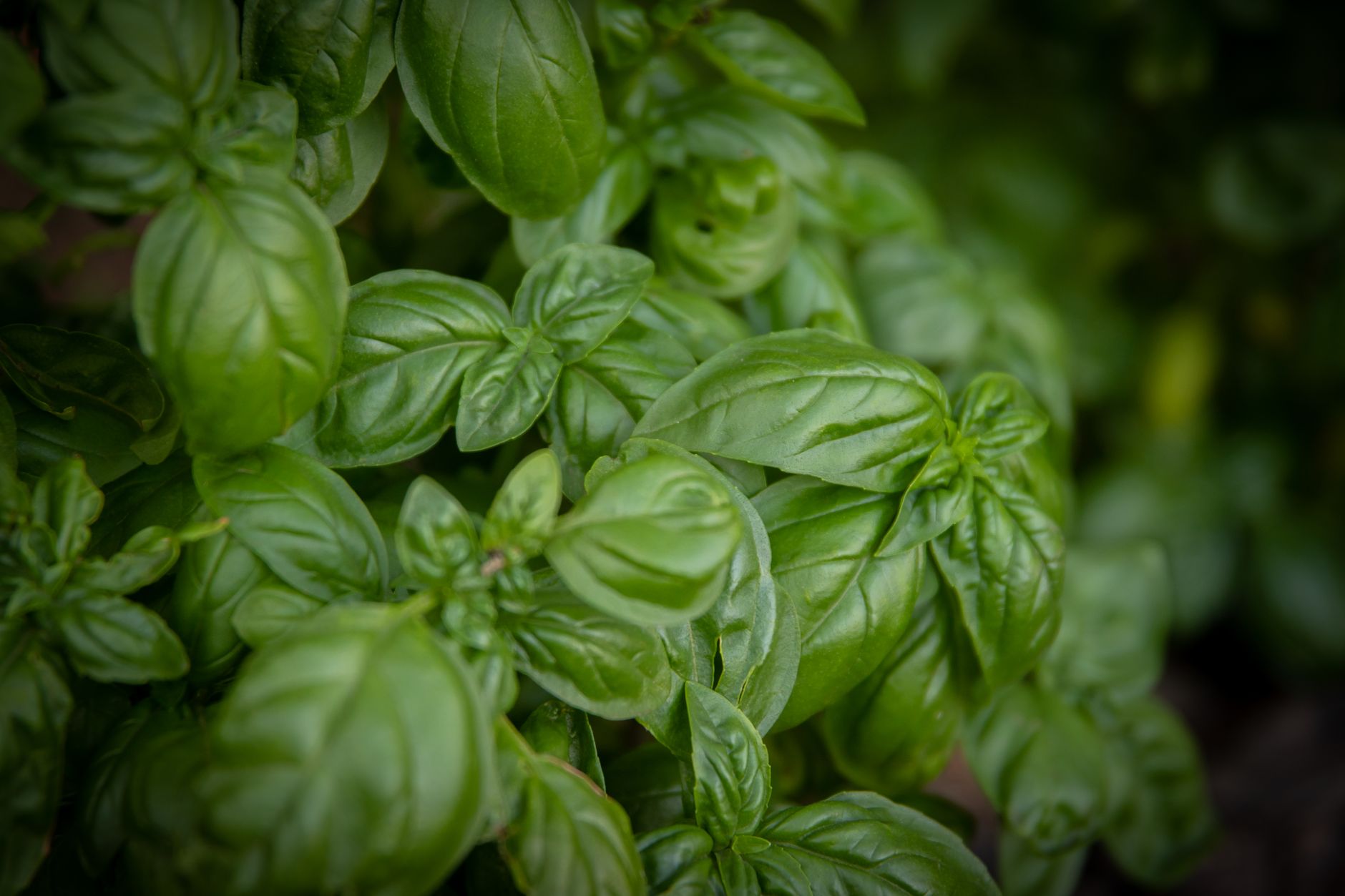
There’s a reason basil is one of the most popular herbs to grow at home. It’s fast-growing, incredibly productive, and adds fresh flavor to everything from pasta and pizza to salads and homemade pesto. Better yet, basil is one of the easiest herbs for beginners to grow, thriving in raised beds, containers, herb gardens, and even sunny windowsills.
With just a few simple care tips, a single basil plant can provide months of fresh harvests throughout the growing season. The secret is knowing when to plant, how to prune, and how to keep your plants healthy before problems like flowering, yellow leaves, or pests slow them down.
In this complete guide, you’ll learn everything you need to know about growing basil from starting seeds and choosing the best varieties to watering, fertilizing, harvesting, preserving, and troubleshooting common problems. Whether you’re planting your very first herb garden or looking to grow your biggest basil harvest yet, this guide will help you succeed every step of the way.

What Is Basil?
Basil (Ocimum basilicum) is a warm-season annual herb prized for its fragrant leaves and versatility in the kitchen. Native to tropical regions of Asia and Africa, basil thrives in hot weather and is a staple in herb gardens around the world. It’s a member of the mint family (Lamiaceae), along with rosemary, oregano, thyme, sage, and mint, but unlike many of its relatives, basil is highly sensitive to cold temperatures and cannot tolerate frost.
Known for its sweet, peppery flavor with hints of clove and anise, basil is commonly used in Italian, Mediterranean, Thai, and Vietnamese cuisine. Fresh basil leaves are delicious in pesto, pasta dishes, salads, soups, sandwiches, pizzas, and homemade sauces. Because the flavor is at its best when freshly picked, growing your own basil is one of the easiest ways to elevate your home cooking.
Beyond the kitchen, basil is also a beautiful addition to vegetable gardens, raised beds, containers, and pollinator gardens. Its nectar-rich flowers attract bees and other beneficial insects when allowed to bloom, although most gardeners pinch off flower buds to encourage the plant to produce more flavorful leaves.
One of the reasons basil is so popular among home gardeners is how quickly it grows. Under the right conditions, plants can go from seed to harvest in as little as 60 to 90 days, providing continuous harvests throughout the summer with regular pruning and care.
Whether you’re planting a single pot on your patio or filling an entire herb garden, basil is an easy, rewarding crop that offers months of fresh harvests with minimal effort.
Types of Basil
Not all basil tastes the same. While sweet basil is the variety most people recognize from the grocery store, there are dozens of basil varieties with unique flavors, aromas, colors, and growing habits. Choosing the right type depends on how you plan to use it in the kitchen and your gardening goals.
Sweet Basil
Sweet basil is the most widely grown variety and a favorite for home gardens. It produces bright green, tender leaves with the classic basil flavor that’s perfect for pesto, pasta sauces, salads, pizzas, and fresh summer dishes. If you’re growing basil for the first time, sweet basil is an excellent place to start.
Genovese Basil
Genovese basil is considered the gold standard for making traditional pesto. It has large, aromatic leaves and a rich, sweet flavor that’s slightly more intense than common sweet basil. This variety is highly productive and one of the most popular choices for kitchen gardens.
Thai Basil
Thai basil has narrow leaves, purple stems, and a bold flavor with notes of licorice and anise. Unlike sweet basil, it holds its flavor well during cooking, making it a favorite in stir-fries, curries, noodle dishes, and soups.
Lemon Basil
As its name suggests, lemon basil has a bright citrus aroma and flavor. It’s delicious in seafood dishes, teas, salads, fruit recipes, and desserts. The smaller leaves also make an attractive garnish.
Cinnamon Basil
Cinnamon basil combines the familiar flavor of basil with subtle notes of cinnamon and spice. It works well in teas, baked goods, fruit salads, and floral arrangements, thanks to its attractive purple flower spikes.
Purple Basil
Purple basil is grown as much for its striking appearance as its flavor. Its deep purple leaves add beautiful contrast to herb gardens and containers while offering a slightly stronger, clove-like taste. Purple basil also makes a colorful garnish and can be infused into vinegars or oils.
Holy Basil (Tulsi)
Holy basil, often called tulsi, is different from culinary basil. It has a spicy, peppery flavor and is traditionally grown for herbal teas and medicinal uses rather than cooking. Many gardeners also grow it because its flowers are highly attractive to bees and other pollinators.
Which Basil Variety Should You Grow?
If you’re unsure where to begin, choose Genovese or Sweet Basil. Both are easy to grow, highly productive, and incredibly versatile in the kitchen.
If you enjoy Asian-inspired cooking, Thai basil is an excellent addition to your garden. For gardeners looking to add color and variety, Purple basil, Lemon basil, or Cinnamon basil make beautiful companion plants while offering unique flavors you won’t typically find at the grocery store.
Many gardeners discover that growing two or three different basil varieties provides the best of both worlds plenty of classic basil for everyday cooking and unique flavors to experiment with throughout the season.
| Variety | Flavor | Best Uses | Beginner Friendly |
|---|---|---|---|
| Sweet Basil | Classic, sweet | Everyday cooking, pesto | ⭐⭐⭐⭐⭐ |
| Genovese | Rich, aromatic | Traditional pesto | ⭐⭐⭐⭐⭐ |
| Thai Basil | Licorice, anise | Curries, stir-fries | ⭐⭐⭐⭐☆ |
| Lemon Basil | Citrus | Seafood, tea, salads | ⭐⭐⭐⭐☆ |
| Cinnamon Basil | Warm spice | Tea, desserts | ⭐⭐⭐⭐☆ |
| Purple Basil | Bold, clove-like | Garnish, vinegar, containers | ⭐⭐⭐⭐☆ |
| Holy Basil | Peppery | Herbal tea, pollinators | ⭐⭐⭐☆☆ |

How to Grow Basil
Growing basil is surprisingly easy, making it one of the best herbs for beginner gardeners. As long as you provide plenty of warmth, sunlight, and well-draining soil, basil will reward you with an abundance of fragrant leaves throughout the growing season.
The key to success is understanding that basil is a tropical plant. It loves hot, sunny weather and struggles in cool temperatures. Waiting until all danger of frost has passed and the soil has warmed will give your plants the best possible start.
Whether you’re starting basil from seed or planting nursery transplants, choose a location that receives at least 6 to 8 hours of direct sunlight each day. Plant basil in nutrient-rich, well-draining soil, and keep the soil consistently moist without allowing it to become waterlogged. Regular watering, occasional feeding, and frequent harvesting will encourage your plants to produce lush, bushy growth instead of becoming tall and leggy.
One of the biggest mistakes new gardeners make is letting basil flower too early. Once the plant begins producing flowers, it shifts its energy away from growing leaves and toward producing seeds. Pinching off flower buds as soon as they appear helps extend the harvest and keeps your plants producing tender, flavorful leaves for much longer.
Another secret to growing healthy basil is harvesting often. Instead of picking individual leaves, prune stems just above a pair of healthy leaves. This encourages the plant to branch out, resulting in a fuller, more productive plant that continues producing throughout the summer.
With just a few minutes of care each week, basil can become one of the most rewarding herbs in your garden, providing fresh harvests from late spring until the first frost.
Where Does Basil Grow Best?
One of the best things about basil is its versatility. As long as it receives plenty of sunlight and warmth, it can thrive in a variety of growing spaces.
Raised Beds
Raised beds are one of the best places to grow basil because the soil warms quickly in spring and drains well after rain. Basil also pairs beautifully with vegetables like tomatoes and peppers, making it an excellent companion plant in raised bed gardens.
Containers
Basil is perfectly suited for container gardening. A pot at least 8 to 12 inches wide with drainage holes gives the roots plenty of room to grow while allowing you to move the plant to maximize sunlight or protect it from unexpected cold weather. Container-grown basil is also convenient to keep close to your kitchen for quick harvesting while cooking.
In-Ground Gardens
If you’re planting basil directly in the garden, choose a location with fertile, well-draining soil that receives full sun throughout the day. Avoid low-lying areas where water tends to collect, as consistently soggy soil can lead to root rot and other diseases.
Greenhouses
A greenhouse provides an ideal environment for basil by supplying the warmth and humidity this tropical herb loves. Gardeners in cooler climates can often extend their basil harvest well beyond the outdoor growing season by growing plants inside a greenhouse.
Indoors
Basil can also be grown indoors, provided it receives enough light. Place plants near a bright south-facing window where they’ll receive at least six hours of direct sunlight each day. If natural light is limited, a quality grow light can help produce healthy, compact plants year-round.
The Ideal Growing Conditions
No matter where you choose to grow basil, these conditions will help your plants thrive:
- Sunlight: 6–8+ hours of direct sun daily
- Temperature: 70–90°F (21–32°C) is ideal
- Soil: Rich, fertile, and well-draining
- Water: Consistently moist but never soggy
- Air circulation: Good airflow helps reduce fungal diseases
- Protection: Shield plants from frost and prolonged temperatures below 50°F (10°C)
If you can provide warmth, sunshine, and regular harvesting, basil will reward you with months of fresh, flavorful leaves whether you’re growing it in a backyard garden, on a patio, inside a greenhouse, or on a sunny windowsill.
Best Places to Grow Basil
| Growing Location | Difficulty | Harvest Potential | Best For |
|---|---|---|---|
| Raised Beds | ⭐⭐⭐⭐⭐ | Excellent | Large harvests |
| Containers | ⭐⭐⭐⭐⭐ | Excellent | Patios & balconies |
| In-Ground Garden | ⭐⭐⭐⭐☆ | Excellent | Traditional gardens |
| Greenhouse | ⭐⭐⭐⭐⭐ | Outstanding | Extended growing season |
| Indoors | ⭐⭐⭐☆☆ | Moderate | Year-round growing |
When to Plant Basil
Timing is one of the most important factors for growing healthy basil. Because basil is a warm-season herb, it should only be planted after the danger of frost has passed and both the air and soil have warmed.
For most gardeners, basil can be planted outdoors 1 to 2 weeks after your area’s last expected spring frost. Daytime temperatures should consistently reach at least 70°F (21°C), while nighttime temperatures should remain above 50°F (10°C). Planting too early can stunt growth or kill young plants if they’re exposed to cold weather.
If you’re eager to get a head start on the growing season, start basil seeds indoors 4 to 6 weeks before your last frost date. Once the weather warms and your seedlings have been hardened off, they can be transplanted into the garden.
You can also sow basil seeds directly into the garden after the soil has warmed to at least 60°F (16°C), although germination is faster and more reliable when soil temperatures are between 70 and 85°F (21–29°C).
Because basil grows quickly, many gardeners succession sow new seeds every 3 to 4 weeks throughout late spring and early summer. This simple practice ensures a continuous supply of fresh basil all season long.
Quick Planting Guide
- Start seeds indoors: 4–6 weeks before your last spring frost
- Direct sow outdoors: 1–2 weeks after the last frost
- Ideal soil temperature: 70–85°F (21–29°C)
- Minimum nighttime temperature: Above 50°F (10°C)
- Succession sow: Every 3–4 weeks for continuous harvests
Starting Basil From Seed
Growing basil from seed is inexpensive, easy, and allows you to choose from dozens of unique varieties that aren’t always available at garden centers.
Start by filling seed trays or small pots with a high-quality seed-starting mix. Moisten the soil before planting, then sow the seeds about ¼ inch deep. Lightly cover them with soil and gently mist the surface with water.
Place the containers in a warm location where temperatures remain between 70 and 80°F (21–27°C). Basil seeds germinate best in warm conditions and typically sprout within 5 to 10 days. A heat mat can help speed up germination if your home is cool.
Once the seedlings emerge, move them under bright grow lights or into a sunny window where they’ll receive 12 to 16 hours of light each day. Keep the soil consistently moist but never soggy.
When the seedlings develop two to three sets of true leaves, thin out weaker plants or transplant them into larger containers to give their roots room to grow.
Before moving basil outdoors, harden off your seedlings by gradually exposing them to outdoor conditions over the course of 7 to 10 days. This helps prevent transplant shock and allows the plants to adjust to wind, sun, and changing temperatures.
Tips for Success
- Use fresh seed for the best germination rates.
- Keep the soil warm during germination.
- Water gently to avoid washing away seeds.
- Provide plenty of light after sprouting to prevent leggy seedlings.
- Harden off plants before transplanting outdoors.

Growing Basil in Containers
Basil is one of the easiest herbs to grow in containers, making it an excellent choice for patios, balconies, porches, and small-space gardens. Growing basil in pots also allows you to move your plants to the sunniest location and protect them from unexpected cold weather.
Choose a container that is at least 8 to 12 inches wide with drainage holes in the bottom. Larger containers hold moisture more evenly and provide plenty of space for healthy root development.
Fill the pot with a high-quality potting mix rather than garden soil. Potting mixes are lighter, drain better, and help prevent root rot. Mixing in a small amount of compost can provide additional nutrients throughout the growing season.
Place your container where it will receive 6 to 8 hours of direct sunlight each day. During periods of extreme summer heat, basil appreciates a little afternoon shade, especially when grown in dark-colored pots that heat up quickly.
Because containers dry out faster than garden beds, check the soil daily during hot weather. Water whenever the top inch of soil feels dry, soaking the soil thoroughly until excess water drains from the bottom of the pot.
Feed container-grown basil with a balanced liquid fertilizer every 3 to 4 weeks during the growing season to replace nutrients that are washed out through frequent watering.
Regular harvesting is especially important for potted basil. Pinching stems just above a pair of leaves encourages the plant to branch, creating a fuller, bushier plant that continues producing fresh leaves throughout the season.
Best Container Tips
- Use a pot with drainage holes.
- Choose a container at least 8–12 inches wide.
- Fill with quality potting mix, not garden soil.
- Place in full sun.
- Water more frequently during hot weather.
- Fertilize every 3–4 weeks.
- Harvest often to encourage bushy growth.
Can You Grow Basil in a Pot?
Yes! Basil grows exceptionally well in containers and is one of the best herbs for small-space gardeners. A sunny location, well-draining potting mix, and regular harvesting are all you need to enjoy fresh basil all season long.
Growing Basil in Raised Beds
Raised beds are one of the best places to grow basil. The soil warms more quickly in the spring, drains better after heavy rain, and is easier to amend with compost and organic matter. These ideal growing conditions encourage strong root development and healthy, productive plants.
Choose a location that receives at least 6 to 8 hours of direct sunlight each day. Before planting, work several inches of compost into the soil to improve fertility and moisture retention. Basil prefers rich, loose soil that drains well, so avoid areas where water tends to pool after rain.
Space basil plants 10 to 12 inches apart to allow for good air circulation. Proper spacing helps reduce the risk of fungal diseases while giving each plant plenty of room to branch out as it grows.
One of my favorite ways to grow basil is alongside tomatoes and peppers in raised beds. Since these crops enjoy similar growing conditions, they’re easy to care for together, and basil makes an excellent companion plant for many summer vegetables.
After planting, apply a light layer of organic mulch, such as straw or shredded leaves, around the plants. Mulch helps conserve soil moisture, suppress weeds, and regulate soil temperature during the hottest months of summer. Just be sure to keep mulch an inch or two away from the base of each plant to prevent excess moisture around the stems.
Raised beds also make harvesting more convenient. Since basil benefits from frequent pruning, having plants at a comfortable working height encourages you to harvest often leading to fuller, bushier plants and larger harvests throughout the season.
Raised Bed Growing Tips
- Plant after all danger of frost has passed.
- Space plants 10–12 inches apart.
- Mix compost into the soil before planting.
- Mulch to retain moisture and suppress weeds.
- Harvest regularly to encourage branching.
Basil Light Requirements
If there’s one thing basil loves most, it’s sunshine. The more light your plants receive, the healthier, bushier, and more productive they’ll become.
For the best harvests, plant basil where it will receive 6 to 8 hours of direct sunlight each day. In cooler climates, even more sun can help plants grow vigorously. Morning sun is especially beneficial because it dries dew from the leaves and helps reduce fungal diseases.
During periods of extreme summer heat, especially in southern climates, basil may appreciate a little afternoon shade. This can help reduce moisture stress and prevent leaves from wilting during the hottest part of the day. However, too much shade often results in tall, leggy plants with fewer leaves and a weaker flavor.
If you’re growing basil indoors, place it in your brightest south-facing window. If natural light is limited, supplement with a grow light for 12 to 16 hours per day. Position the light 6 to 12 inches above the plants and adjust it as they grow.
Signs Your Basil Needs More Light
Your basil plant may not be getting enough sunlight if you notice:
- Long, stretched stems
- Large gaps between leaves
- Pale or light green foliage
- Slow growth
- Small leaves
- Plants leaning toward the light source
Moving your basil to a sunnier location is often enough to restore healthy growth within a couple of weeks.
Can you grow basil indoors?
Yes, basil grows well indoors if it receives at least 6 hours of bright light per day or a grow light for 12–16 hours.

Best Soil for Basil
Healthy basil starts with healthy soil. Because basil grows quickly and produces lots of leafy growth, it performs best in fertile, well-draining soil that’s rich in organic matter.
Aim for a soil pH between 6.0 and 7.5, which is slightly acidic to neutral. Before planting, mix several inches of compost or well-aged organic matter into the soil. Compost improves soil structure, increases water-holding capacity, and provides a slow, steady supply of nutrients throughout the growing season.
Whether you’re planting in raised beds, containers, or directly in the garden, avoid heavy clay soils that stay wet for long periods. Poor drainage can deprive roots of oxygen and increase the risk of root rot.
For container-grown basil, use a high-quality potting mix instead of garden soil. Potting mixes are designed to drain well while retaining enough moisture to keep roots healthy.
If your soil is sandy, adding compost helps retain moisture between waterings. If it’s heavy clay, incorporate compost and other organic matter to improve drainage and create a looser, more workable soil.
Characteristics of the Best Soil for Basil
- Rich in organic matter
- Well-draining
- Slightly acidic to neutral (pH 6.0–7.5)
- Loose and crumbly texture
- Holds moisture without becoming waterlogged
Starting with healthy soil is one of the simplest ways to grow stronger basil plants. When roots have access to air, moisture, and nutrients, they’ll support vigorous growth and abundant harvests all season long.
Growing Requirements
| Requirement | Ideal Conditions |
|---|---|
| Sunlight | 6–8+ hours of direct sun |
| Soil pH | 6.0–7.5 |
| Soil Type | Rich, well-draining, compost-amended |
| Spacing | 10–12 inches |
| Temperature | 70–90°F (21–32°C) |
| Water | Keep evenly moist, not soggy |
| Fertilizer | Light feeding every 3–4 weeks |
Watering and Fertilizing Basil
Proper watering and fertilizing are essential for growing healthy, productive basil plants. While basil isn’t a particularly demanding herb, consistent care will encourage lush growth, abundant harvests, and flavorful leaves throughout the growing season.
How Often Should You Water Basil?
Basil prefers consistently moist soil, but it doesn’t like sitting in water. Allow the top 1 to 2 inches of soil to dry before watering again. The exact frequency depends on the weather, your soil type, and whether you’re growing basil in the ground or in containers.
During cool spring weather, you may only need to water once or twice a week. As temperatures climb in the summer, especially during hot, dry spells, container-grown basil may need water every day while garden plants may require watering every few days.
Instead of watering on a schedule, check the soil with your finger. If the top inch feels dry, it’s time to water.
The Best Way to Water Basil
When watering basil, focus on soaking the soil rather than the leaves. Water deeply at the base of the plant early in the morning whenever possible. Morning watering allows excess moisture on the foliage to dry quickly, reducing the risk of fungal diseases like downy mildew.
Avoid frequent shallow watering, which encourages weak, shallow roots. Deep watering helps basil develop a stronger root system that’s better equipped to withstand periods of heat and drought.
Mulching around your basil plants can also help conserve moisture, reduce weed growth, and keep soil temperatures more consistent throughout the summer.
Signs You’re Watering Too Much
Overwatering is one of the most common mistakes gardeners make when growing basil. Watch for these warning signs:
- Yellowing leaves
- Wilting despite wet soil
- Soft or black stems
- Slow growth
- Mold on the soil surface
- A sour or musty smell coming from the soil
If you notice these symptoms, allow the soil to dry slightly before watering again and make sure your plants have excellent drainage.
Signs Your Basil Needs More Water
Basil will also let you know when it’s thirsty. Common signs include:
- Drooping or wilting leaves
- Dry, crumbly soil
- Crispy leaf edges
- Slower growth during hot weather
If your basil wilts in the afternoon but perks back up after sunset, it may simply be responding to extreme heat rather than needing additional water. Always check the soil before reaching for the watering can.
Fertilizing Basil
Basil doesn’t require heavy feeding, but regular fertilization helps replace nutrients as the plant produces new growth and is harvested throughout the season.
Before planting, enrich your soil with compost or well-aged organic matter. This often provides enough nutrition for the first several weeks of growth.
Once plants are established, feed them every 3 to 4 weeks with a balanced liquid fertilizer or fish emulsion according to the product’s directions. Container-grown basil usually benefits from more frequent feeding than plants growing in garden soil because nutrients wash out with regular watering.
Avoid over-fertilizing. Too much nitrogen can produce large, lush leaves with a milder flavor. The goal is steady, healthy growth—not excessive foliage.
Quick Watering & Fertilizing Tips
- Water when the top 1–2 inches of soil are dry.
- Water deeply at the base of the plant.
- Water in the morning whenever possible.
- Mulch to help retain soil moisture.
- Add compost before planting.
- Feed every 3–4 weeks during the growing season.
- Avoid excessive fertilizer to maintain the best flavor.
💡 Pro Gardener Tip
The more you harvest basil, the more it grows. Regular pruning is the secret to getting bushy, productive plants instead of tall, leggy ones.

Companion Plants for Basil
Basil isn’t just a flavorful culinary herb it’s also an excellent companion plant in the vegetable garden. Growing basil alongside certain crops can make your garden more productive, attract beneficial insects, and create an attractive, fragrant growing space.
While some gardeners believe basil naturally repels pests, the strongest evidence supports its role in attracting pollinators and beneficial insects when allowed to flower. Healthy biodiversity is one of the best natural defenses against garden pests.
Tomatoes
Tomatoes and basil are the classic garden pairing. Both plants enjoy full sun, rich soil, consistent moisture, and warm temperatures, making them easy to grow together. Many gardeners enjoy harvesting fresh tomatoes and basil at the same time for homemade sauces, salads, and sandwiches.
Peppers
Sweet peppers and hot peppers have nearly identical growing requirements to basil. Planting them together simplifies watering, fertilizing, and harvesting while making efficient use of garden space.
Asparagus
Basil grows well near asparagus because the crops have different root structures and don’t compete heavily for nutrients. Once established, asparagus provides a long-term home where annual basil can be tucked between plants each summer.
Lettuce
Leafy greens like lettuce can benefit from basil planted nearby. As basil matures during the warmer months, it may provide light afternoon shade that helps extend the lettuce harvest during hot weather.
Chamomile
Chamomile attracts beneficial insects such as hoverflies and parasitic wasps, making it a wonderful companion for basil and many other herbs and vegetables. Its delicate flowers also add beauty to the garden.
Marigolds
Marigolds are a favorite companion plant because their bright blooms attract pollinators while helping create a diverse, healthy garden ecosystem. They also pair beautifully with basil in raised beds and containers.
Oregano
As another Mediterranean herb, oregano enjoys similar growing conditions to basil. Together they create a productive herb garden that’s both beautiful and practical for home cooks.
What Makes a Good Companion Plant?
The best companion plants for basil:
- Enjoy similar sunlight and watering needs.
- Attract pollinators and beneficial insects.
- Make efficient use of garden space.
- Don’t compete aggressively for nutrients.
- Support a healthy, diverse garden ecosystem.
Best Companion Plants at a Glance
Growing basil alongside compatible plants creates a healthier, more resilient garden while making the most of every square foot of growing space.
| Companion Plant | Why It Works |
|---|---|
| Tomatoes | Similar care requirements and classic culinary pairing |
| Peppers | Thrive in the same warm, sunny conditions |
| Asparagus | Minimal root competition |
| Lettuce | Benefits from light afternoon shade |
| Chamomile | Attracts beneficial insects |
| Marigolds | Encourage pollinators and garden biodiversity |
| Oregano | Shares similar growing conditions |

Plants to Avoid Growing Near Basil
While basil is a generous companion plant for many vegetables and herbs, a few plants can stunt its growth, compete for nutrients, or invite the wrong pests if planted too close.
Avoid planting basil near:
- Rue – This herb inhibits basil’s growth and the two rarely thrive side by side.
- Sage – Sage prefers drier soil and different watering needs, and many gardeners report it slows basil’s growth when planted too close.
- Fennel – Fennel releases compounds into the soil that can suppress the growth of nearby plants, including basil.
- Cucumbers – Cucumbers are heavy feeders and can compete with basil for nutrients and water, often leading to weaker basil plants.
- Melons – Like cucumbers, melons are sprawling, nutrient-hungry plants that can crowd out basil’s root system.
If you’re short on space, simply give these plants a few feet of separation rather than avoiding them in the garden altogether. Basil still pairs beautifully with tomatoes, peppers, oregano, and marigolds.
How to Prune Basil
Regular pruning is the single best thing you can do for a bushy, productive basil plant. Pruning prevents flowering (which causes leaves to turn bitter) and encourages the plant to branch out instead of growing tall and leggy.
Steps to prune basil:
- Start early. Once your basil plant has at least 3-4 sets of true leaves (usually 6 inches tall), begin pruning.
- Pinch above a leaf node. Using clean scissors or your fingers, snip the stem just above a pair of leaves. This is where two new stems will branch out.
- Prune from the top down. Always cut from the top of the plant, never strip lower leaves first.
- Remove flower buds immediately. As soon as you see small white or purple flower spikes forming, pinch them off to keep the plant focused on leaf production instead of seed production.
- Prune every 1-2 weeks during the growing season to maintain a full, compact shape.
A well-pruned basil plant can produce two to three times more leaves over a season than one left to grow unchecked.
How to Harvest Basil
Basil is one of the few herbs where harvesting and pruning go hand in hand every time you pick leaves, you’re also encouraging new growth.
Best practices for harvesting basil:
- Harvest in the morning, after the dew has dried but before the heat of the day, when the leaves’ essential oils (and flavor) are most concentrated.
- Wait until the plant is established. Don’t harvest until your basil has at least 6-8 leaves and is roughly 6 inches tall.
- Cut, don’t pluck. Use scissors or pinch with your fingernails just above a leaf node, rather than pulling individual leaves, which can damage the stem.
- Never take more than one-third of the plant at a time. This keeps the plant strong enough to recover and regrow quickly.
- Harvest regularly. Frequent, light harvesting produces more leaves over the season than occasional large harvests.
If your basil does flower before you can harvest it, you can still use the leaves just expect a slightly more bitter, peppery flavor.

How to Store Fresh Basil
Fresh basil is delicate and bruises easily, so how you store it makes a big difference in how long it stays vibrant.
Short-term storage (3-7 days):
- Treat it like cut flowers. Trim the stem ends and place the bunch in a jar with about an inch of water.
- Keep it at room temperature, out of direct sunlight. Basil is sensitive to cold and will turn black if refrigerated.
- Loosely cover the leaves with a plastic bag to retain humidity without trapping too much moisture.
- Change the water every 1-2 days to keep it fresh.
For slightly longer storage (up to 2 weeks):
- Wrap unwashed leaves loosely in a slightly damp paper towel and place them in a partially sealed plastic bag or container in the refrigerator’s warmer zone (such as the door).
- Avoid washing basil before storing excess moisture speeds up wilting and browning. Wash leaves only right before you use them.
🐝 Garden Insight:
If you allow basil to flower, it becomes a powerful pollinator plant. Bees and beneficial insects love basil blooms, which can help improve the health of your entire garden.
How to Preserve Basil
If you have more basil than you can use fresh, preserving it lets you enjoy that summer flavor all year long.
Freezing:
- Pesto cubes: Blend basil with olive oil (skip the cheese and nuts if freezing) and freeze in ice cube trays. Pop out cubes as needed.
- Oil method: Puree leaves with a small amount of olive oil and freeze flat in a freezer bag, then break off pieces as needed.
- Whole leaf method: Flash-freeze whole or chopped leaves on a baking sheet, then transfer to an airtight bag.
Drying:
- Air-drying: Bundle stems together and hang upside down in a warm, dry, well-ventilated area out of direct sunlight for 1-2 weeks.
- Oven-drying: Lay leaves flat on a baking sheet and dry at the lowest oven setting (around 170°F) with the door slightly ajar, checking every 15-20 minutes.
- Dehydrator: Set to 95-115°F and dry for 1-4 hours, depending on humidity and leaf thickness.
- Store dried basil in an airtight container away from light; it will keep its flavor for up to a year.
Basil-infused oil or vinegar:
- Submerge fresh leaves in oil or vinegar and let the flavors infuse for 1-2 weeks before straining. (Note: infused oils should be refrigerated and used within a few weeks due to botulism risk.)
Common Basil Problems
Even experienced gardeners run into hiccups with basil. Here are the most frequent issues and what causes them:
- Yellowing leaves: Usually caused by overwatering, poor drainage, or nitrogen deficiency.
- Wilting despite moist soil: Often a sign of root rot from overly wet, compacted soil.
- Leggy, sparse growth: Typically caused by insufficient sunlight or infrequent pruning.
- Bitter-tasting leaves: Almost always the result of the plant flowering or “bolting,” often triggered by heat stress or letting flower buds go too long without pinching.
- Slow or stunted growth: Can result from cold temperatures (basil hates anything below 50°F), nutrient-poor soil, or overcrowding.
- Black or brown spots on leaves: Often a sign of fungal disease or cold damage from chilly nights or refrigeration.
Basil Pests and Diseases
Common pests:
- Aphids – Tiny insects that cluster on new growth and undersides of leaves, causing curling and stunted growth. Treat with a strong spray of water or insecticidal soap.
- Japanese beetles – Chew large, irregular holes in leaves. Hand-pick them or use row covers during peak activity.
- Slugs and snails – Leave ragged holes, especially in young plants. Beer traps or diatomaceous earth around the base can help.
- Whiteflies – Small white flying insects that suck sap and weaken plants. Yellow sticky traps and insecticidal soap are effective controls.
- Spider mites – Cause stippled, dry-looking leaves, especially in hot, dry conditions. Increase humidity and rinse plants regularly to deter them.
Common diseases:
- Fusarium wilt – A soil-borne fungus causing sudden wilting and stem discoloration. There’s no cure; infected plants should be removed and that soil avoided for basil in the future.
- Downy mildew – Appears as yellowing leaves with gray-purple fuzz on the undersides. Improve air circulation and avoid overhead watering to prevent it.
- Bacterial leaf spot – Causes dark, water-soaked spots on leaves. Remove affected leaves and avoid wetting foliage when watering.
- Root rot – Caused by overly wet, poorly draining soil. Prevent it by ensuring pots and garden beds drain well.
Prevention is far easier than treatment: give basil good airflow, avoid overhead watering, and don’t overcrowd plants.

Can You Grow Basil Indoors?
Yes, basil is one of the most popular herbs for indoor growing, and with the right conditions, it can thrive year-round on a sunny windowsill or under grow lights.
What basil needs indoors:
- Light: At least 6-8 hours of direct sunlight, ideally from a south-facing window. If natural light is limited, a grow light for 12-16 hours a day works well as a supplement or substitute.
- Temperature: Keep it between 60-75°F. Avoid cold drafts, air conditioning vents, and drafty windowsills.
- Pot and soil: Use a well-draining pot with drainage holes and a quality potting mix (not garden soil, which can be too dense and harbor pests).
- Watering: Water when the top inch of soil feels dry, and avoid letting the plant sit in standing water.
- Airflow: A small fan or regularly opened window can help prevent fungal issues and strengthen stems.
Indoor basil tends to grow more slowly than outdoor basil due to lower light intensity, but consistent pruning and harvesting will still keep it productive.
Growing Basil Year-Round
Basil is a warm-season annual that dies back at the first frost, but you can keep a steady supply going all year with a little planning.
How to keep basil growing year-round:
- Succession planting: Start new seeds indoors every 3-4 weeks so you always have young, productive plants coming up as older ones slow down.
- Bring plants indoors before frost: Pot up a healthy basil plant and transition it indoors a few weeks before your first expected frost date to reduce transplant shock.
- Take cuttings: Snip 4-inch stem cuttings from a healthy plant, root them in water for 1-2 weeks, then pot them up. This is often more reliable than overwintering a mature plant.
- Use grow lights: During shorter winter days, supplemental lighting is usually necessary to keep basil productive indoors.
- Maintain warmth: Keep indoor basil away from cold windows and drafts in winter, since basil is highly frost- and cold-sensitive.
With rotating cuttings and a sunny spot or grow light, many gardeners harvest fresh basil 12 months a year.
Frequently Asked Questions
How long does it take to grow basil from seed? Basil typically germinates in 5-10 days and is ready for its first light harvest in about 6-8 weeks from seed.
Why does my basil keep flowering? Flowering is usually triggered by heat stress, plant maturity, or infrequent pruning. Pinch off flower buds as soon as they appear to keep leaves growing.
Can I grow basil from a store-bought cutting? Yes. Place a healthy stem cutting in water, change the water every couple of days, and roots should form within 1-2 weeks before transplanting to soil.
How much sun does basil need? Basil needs at least 6 hours of direct sunlight a day, though 8 hours or more produces the strongest, most flavorful plants.
Does basil come back every year? No, basil is an annual in most climates and will die after frost. It can self-seed in some gardens, but for reliable year-after-year growth, most gardeners replant each season.
Why are my basil leaves small? Small leaves are often a sign of insufficient sunlight, overcrowding, or the plant being left to flower instead of being regularly pruned.

My Final Thoughts
Basil rewards a little consistent attention with an abundant, fragrant harvest all season long. The keys to success are simple: plenty of sunlight, well-draining soil, regular pruning, and frequent harvesting to keep the plant focused on leaf production. Whether you’re growing a single pot on a windowsill or a full garden bed, these habits will keep your basil lush, flavorful, and productive from spring through fall and with a few cuttings rooted indoors, even through the winter.
Want To Learn More?
IF YOU LIKE THIS POST
You might also like these:
We’d love to hang out with you on our social channels. You can subscribe to our blog and find us on Facebook, Youtube, Instagram and Pinterest! Feel free to reach out if you have any plant questions!

The Thrifted Planter
Ciearra is a gardener and houseplant enthusiast of over 10 years! She has been growing indoors and outdoors. Supplying food for her family and beautifying her home with annuals, perennials and houseplants! Ciearra is passionate about sharing her knowledge of plant care with anyone who needs help or a quick plant growth tip! When she’s not blogging you can find her tending to her chickens, dogs and hanging out with her family
Nestera Chicken Coop

Botanical Interest
Garden Tower Project
Vego Gardens

Botanical Interests
Amazon Favorites!

Hoselink
Web Stories


