How to Grow Herbs: The Complete Beginner’s Guide to Growing a Thriving Herb Garden
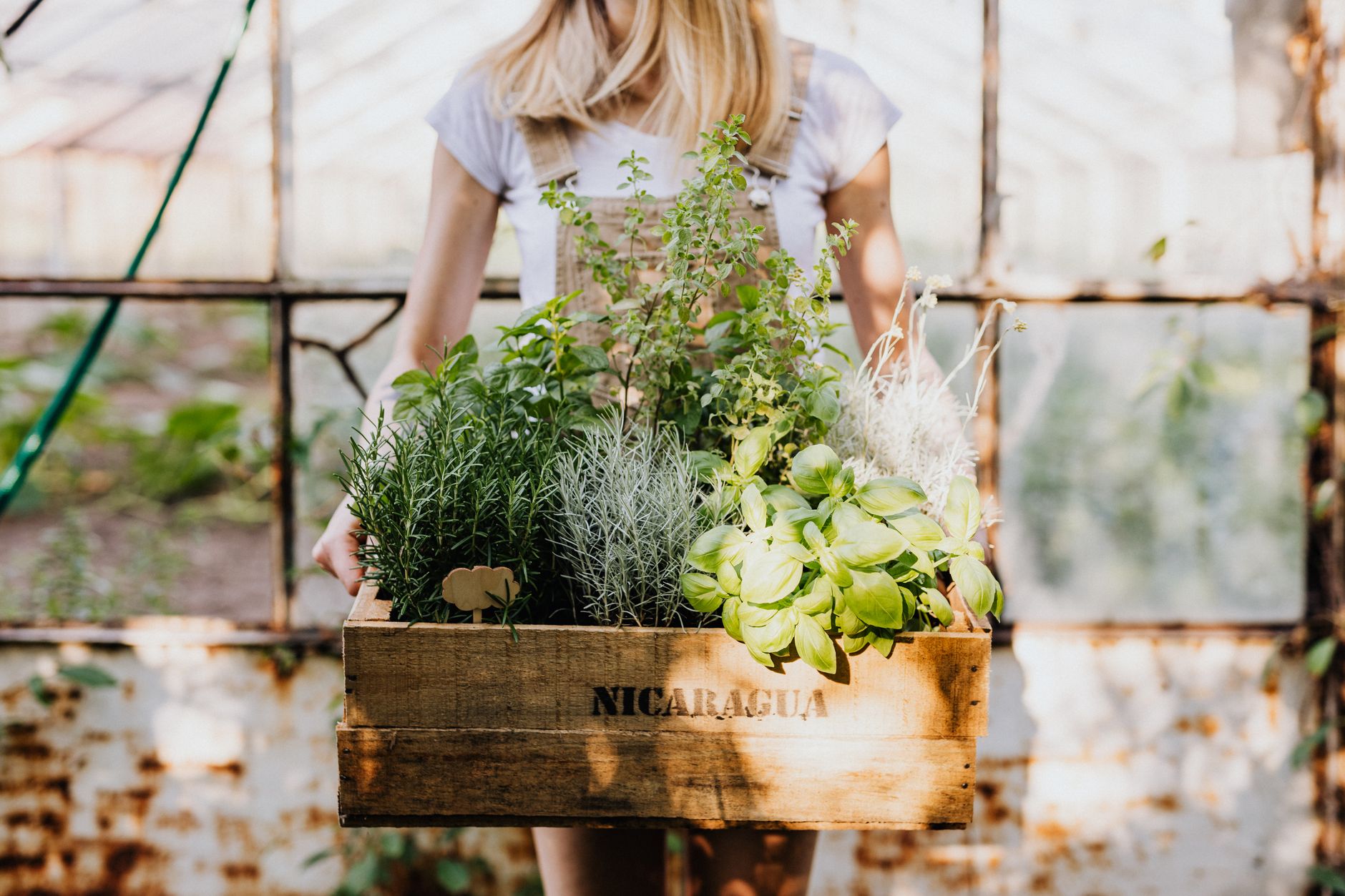
How to Grow Herbs: The Complete Beginner’s Guide
How to Grow Herbs
A complete beginner’s guide to growing fresh herbs in gardens, raised beds, containers, and indoors.
Grow basil, thyme, parsley, oregano, sage, and more right at home.
Imagine stepping outside your back door and snipping fresh basil for homemade pesto, fragrant rosemary for roasted potatoes, or cool mint for a refreshing glass of iced tea. Learning how to grow herbs is one of the easiest and most rewarding ways to start gardening and you don’t need a large backyard to do it.
Whether you’re planting a dedicated herb garden, filling a few containers on your patio, or tucking herbs into your vegetable beds, fresh herbs add incredible flavor, attract pollinators, and bring beauty to your garden all season long.
In this complete guide, you’ll learn everything you need to know about growing herbs successfully. We’ll cover choosing the best herbs for beginners, planting from seed or transplants, soil and sunlight requirements, watering, harvesting, preserving your harvest, and solving common growing problems. You’ll also find helpful charts, growing tips, and links to detailed guides for individual herbs like basil, parsley, thyme, oregano, sage, and more.
No matter your experience level, this guide will help you grow a thriving herb garden with confidence.
Quick Answer
🌿 Quick Answer
Herbs are some of the easiest plants to grow at home. Most culinary herbs thrive in full sun, well-draining soil, and moderate watering. Whether you’re growing herbs in raised beds, containers, or indoors, regular harvesting encourages healthy growth and provides fresh flavor for cooking all season long.
Affiliate Disclosure: This post may contain affiliate links. If you make a purchase through one of these links, I may earn a small commission at no additional cost to you. I only recommend products I personally use, trust, or believe will bring value to my readers. Thank you for supporting The Thrifted Planter!

🌿 Welcome to Your Herb Garden Journey
Herbs were some of the first edible plants I fell in love with growing because they’re beautiful, useful, and incredibly rewarding. My goal with this guide is to make growing herbs feel simple and approachable, whether you’re planting your first basil seed or creating the herb garden you’ve always dreamed of. I’ll continue updating this guide as I publish new herb-growing tutorials, so be sure to bookmark it and check back often!
What Are Herbs?
Herbs are plants that are valued for their leaves, stems, seeds, or flowers and are commonly used for cooking, flavoring, fragrance, or natural remedies. Most herbs are easy to grow and can thrive in gardens, raised beds, containers, or even indoor pots on a sunny windowsill.
In the kitchen, herbs are used to enhance the flavor of food without needing heavy seasoning or salt. Think basil in fresh pasta sauce, rosemary with roasted potatoes, or mint in refreshing drinks and teas.
Herbs are typically grouped into a few categories:
- Culinary herbs – used in cooking (basil, parsley, oregano, thyme)
- Aromatic herbs – grown for scent and oils (lavender, mint, lemon balm)
- Medicinal herbs – traditionally used in herbal remedies (chamomile, echinacea, calendula)
Most herbs grown in home gardens fall into the culinary category, but many overlap in use.
Another important distinction is that herbs can be:
- Annuals – complete their life cycle in one season (basil, dill)
- Perennials – return year after year (thyme, oregano, sage)
- Biennials – complete their life cycle over two years (parsley)
This variety is part of what makes herb gardening so rewarding. You can grow quick, fast-producing herbs alongside long-lasting perennial plants that return every spring with little effort.
Whether you have a large garden or just a few pots, herbs are one of the most accessible and useful plants you can grow at home.
Why Grow Your Own Herbs?
Growing herbs at home is one of the easiest and most rewarding ways to start gardening. Even if you’re brand new to growing plants, herbs offer quick success, fast harvests, and endless kitchen use.
Here are some of the biggest reasons gardeners love growing herbs:
🌱 Fresh flavor at your fingertips
Homegrown herbs taste far better than store-bought versions. You can harvest exactly what you need, right when you need it, and enjoy peak flavor and aroma.
💰 Save money at the grocery store
Fresh herbs from the store are often expensive and go bad quickly. A single herb plant can provide weeks or even months of harvests for a fraction of the cost.
🌿 Perfect for small spaces
Herbs don’t require large garden beds. They grow beautifully in containers, raised beds, hanging baskets, and even indoor kitchen gardens.
🐝 Great for pollinators
Many herbs produce flowers that attract bees, butterflies, and other beneficial insects that help your entire garden thrive.
🌼 Beginner-friendly gardening success
Herbs are some of the easiest plants to grow. They’re forgiving, fast-growing, and perfect for building confidence as a new gardener.
🌱 Continuous harvests
Unlike many vegetables, herbs can be harvested repeatedly throughout the season. The more you pick, the more many herbs grow back.
🌿 Beauty, scent, and function in one plant
Herbs don’t just belong in the kitchen they also add texture, fragrance, and beauty to your garden spaces.
Whether you’re growing a full backyard herb garden or just a few pots on a patio, herbs are one of the most practical and satisfying plants you can grow at home.

Choosing the Best Herbs for Beginners
If you’re new to herb gardening, the best place to start is with herbs that are easy to grow, forgiving, and quick to harvest. Some herbs thrive with very little effort, while others require more attention to soil, watering, or climate conditions.
Starting with beginner-friendly herbs helps you build confidence and enjoy quick success in your garden. Once you’re comfortable, you can expand into more challenging or specialty herbs.
Below are some of the best herbs to grow for beginners, along with how they compare in terms of difficulty, use, and growing habits.
🌱 Best Herbs for Beginners
| Herb | Difficulty | Perennial? | Container Friendly | Main Use | Notes |
|---|---|---|---|---|---|
| Basil | ⭐ Very Easy | No (Annual) | Yes | Cooking | Loves heat, grows fast |
| Parsley | ⭐ Very Easy | Biennial | Yes | Cooking | Slow to start but reliable |
| Oregano | ⭐ Very Easy | Yes | Yes | Cooking | Spreads quickly, hardy |
| Thyme | ⭐ Easy | Yes | Yes | Cooking | Drought tolerant |
| Sage | ⭐ Easy | Yes | Yes | Cooking | Woody perennial, low water |
| Mint | ⭐ Very Easy | Yes | Yes (best in pot) | Tea, cooking | Invasive if planted in ground |
| Chives | ⭐ Very Easy | Yes | Yes | Cooking | Continuous harvest plant |
| Rosemary | ⭐ Moderate | Yes | Yes | Cooking | Slow grower, needs drainage |
| Dill | ⭐ Easy | No (Annual) | Yes | Cooking, pickling | Self-seeds easily |
How to Choose Your First Herbs
When deciding which herbs to grow first, consider how you plan to use them:
- If you cook often, start with basil, parsley, oregano, and thyme.
- If you enjoy tea or calming herbs, try mint, chamomile, or lemon balm.
- If you want long-lasting plants, focus on perennial herbs like rosemary, sage, and chives.
A mix of annual and perennial herbs gives you both quick harvests and long-term garden structure.
👉 Best Beginner Herb Picks
If you’re just starting out, basil, parsley, oregano, thyme, and mint are the easiest herbs to grow with fast, reliable results.
Herb Garden Types (Choose Your Setup)
One of the best things about growing herbs is that there is no single “right way” to do it. Herbs are incredibly flexible and can thrive in many different setups depending on your space, lifestyle, and gardening goals.
Whether you have a full backyard garden or just a sunny windowsill, you can successfully grow herbs at home. Below are some of the most popular herb garden styles to help you decide what works best for you.
🌿 1. Raised Bed Herb Garden
A raised bed herb garden is one of the most productive and organized ways to grow herbs outdoors. It gives you full control over soil quality, drainage, and spacing, which herbs absolutely love.
Raised beds are perfect if you want to grow multiple herbs together in one contained space. You can easily mix basil, parsley, oregano, thyme, and chives in the same bed while keeping everything tidy and easy to harvest.
Best herbs for raised beds:
- Basil
- Parsley
- Oregano
- Thyme
- Sage
- Dill
Why gardeners love it:
- Excellent drainage
- Easy access for harvesting
- Organized and low-maintenance
- Great for companion planting
🌿 2. Container Herb Garden (Pots & Planters)
Container herb gardening is perfect for small spaces, patios, balconies, and beginners. You can grow almost any herb in a pot as long as it has good drainage and enough sunlight.
Containers also give you more control over aggressive growers like mint, which should always be grown in a pot to prevent it from spreading.
Best herbs for containers:
- Basil
- Mint (always in its own pot)
- Parsley
- Thyme
- Rosemary
- Chives
Why gardeners love it:
- Perfect for small spaces
- Easy to move plants around
- Great for renters
- Simple maintenance
🌿 3. Indoor Kitchen Herb Garden
An indoor herb garden brings fresh flavor right into your kitchen. With a sunny windowsill or grow lights, you can harvest herbs year-round, even in winter.
This setup works especially well for herbs you use often in cooking, so you can snip what you need while preparing meals.
Best herbs for indoors:
- Basil
- Parsley
- Chives
- Mint
- Cilantro (short-lived indoors but doable)
Why gardeners love it:
- Year-round harvests
- Convenient for cooking
- Beautiful kitchen greenery
- No outdoor space needed
🌿 4. Culinary Herb Garden (Cooking-Focused)
A culinary herb garden is designed specifically for cooking and everyday kitchen use. This setup focuses on herbs that are used frequently in savory dishes, sauces, and seasonings.
You can plant these in raised beds, containers, or mixed garden beds near your kitchen for easy access.
Best culinary herbs:
- Basil
- Oregano
- Thyme
- Rosemary
- Parsley
- Sage
Why gardeners love it:
- Constant fresh ingredients
- Reduces grocery costs
- Enhances home cooking
- Easy to maintain
🌿 5. Herbal Tea Garden
A herbal tea garden focuses on aromatic, calming, and flavorful herbs used for teas and infusions. This is one of the most relaxing and rewarding herb garden styles.
Many of these herbs also attract pollinators and bring beautiful fragrance to your garden space.
Best herbs for tea gardens:
- Mint
- Chamomile
- Lemon balm
- Lavender
- Lemon verbena
- Basil (some varieties)
Why gardeners love it:
- Relaxing and functional
- Great for pollinators
- Beautiful scents and blooms
- Perfect for evening harvests
🌿 6. Pollinator Herb Garden
A pollinator herb garden is designed to attract bees, butterflies, and beneficial insects. Many herbs produce flowers when allowed to bolt, creating a valuable food source for pollinators.
This type of garden not only supports wildlife but also improves the productivity of your entire garden.
Best herbs for pollinators:
- Lavender
- Thyme
- Oregano
- Sage
- Dill (when flowering)
- Mint (flowering stage)
Why gardeners love it:
- Supports pollinators
- Improves garden health
- Beautiful flowering herbs
- Low maintenance
👉 Which Herb Garden Is Best for You?
If you’re just starting out, container and raised bed herb gardens are the easiest and most flexible options. If you love cooking, focus on a culinary herb garden. If you enjoy relaxing spaces, a tea garden is a beautiful choice.

🌿 HOW TO START AN HERB GARDEN (STEP-BY-STEP)
Starting an herb garden is easier than most people think. Whether you’re growing in raised beds, containers, or a small indoor space, herbs follow the same basic needs: good sunlight, well-draining soil, and consistent care.
Below is a simple step-by-step guide to help you go from idea to harvest-ready herb garden with confidence.
🌿 STEP 1: CHOOSE YOUR LOCATION
Herbs grow best in a location that receives plenty of sunlight. Most culinary herbs need at least 6–8 hours of direct sun each day.
If you’re gardening outdoors, choose a sunny spot in your yard, raised bed, or patio. If you’re growing indoors, place herbs near a bright south-facing window or use a grow light to supplement natural light.
Good airflow is also important, especially in humid climates, to help prevent mildew and disease.
🌿 STEP 2: PICK YOUR HERBS
Once you’ve chosen your location, decide which herbs you want to grow. A good beginner herb garden usually includes a mix of fast-growing herbs and long-lasting perennials.
A simple starter combination includes:
- Basil (fast, productive, annual)
- Parsley (reliable, long harvest season)
- Oregano (hardy perennial)
- Thyme (low maintenance perennial)
- Chives (continuous harvest plant)
- Mint (best grown in a container)
Starting with just a few herbs helps you learn their growth habits without feeling overwhelmed.
👉 Beginner Herb Gardening Tip
Start small with 4–6 herbs. It’s better to successfully grow a few plants than to overwhelm yourself with too many at once.
🌿 STEP 3: PREPARE YOUR SOIL
Herbs prefer soil that drains well and doesn’t stay soggy. Heavy or compacted soil can lead to root rot and poor growth.
For garden beds, mix in compost to improve nutrients and texture. For containers, use a high-quality potting mix rather than garden soil.
Most herbs do not need rich fertilizer. In fact, too much fertilizer can reduce flavor intensity in culinary herbs.
🌿 STEP 4: PLANT YOUR HERBS
You can grow herbs from seeds or starter plants from a nursery.
- Seeds are more affordable but take longer to establish.
- Starter plants give you a faster harvest and are great for beginners.
When planting, follow spacing recommendations so herbs have room to grow and airflow between plants. Crowding can lead to disease and weak growth.
After planting, water gently to help roots settle into the soil.
🌿 STEP 5: WATERING AND CARE
Most herbs prefer consistent but moderate watering. The soil should stay slightly moist but never waterlogged.
A good rule is to water when the top inch of soil feels dry.
Container herbs may need more frequent watering than garden beds because pots dry out faster, especially in warm weather.
Avoid overhead watering when possible, as wet leaves can encourage disease.
🌿 STEP 6: HARVEST OFTEN
One of the best parts of growing herbs is that the more you harvest, the more they grow.
Start harvesting once the plant is established and has plenty of healthy growth. Always snip from the top or outer stems to encourage bushier growth.
Never remove more than one-third of the plant at a time, especially for younger herbs.
Regular harvesting keeps herbs productive and prevents them from becoming woody or going to seed too quickly.
👉 Harvesting Tip
Regular harvesting encourages fuller, bushier growth. Think of it as training your herbs to grow more abundantly.
🌿 STEP 7: KEEP THEM HEALTHY
Herbs are generally low-maintenance, but they still benefit from basic care:
- Remove dead or yellowing leaves
- Watch for pests like aphids or spider mites
- Trim back overgrown plants
- Ensure good airflow between plants
- Avoid overwatering or soggy soil
Many herbs are naturally pest-resistant due to their strong scents, making them excellent beginner plants.
🌿 BEST HERBS TO GROW (BEGINNER FAVORITES)
Best Herbs to Grow (Beginner Favorites)
If you’re just getting started with herb gardening, choosing the right herbs can make all the difference. Some herbs grow quickly, handle mistakes well, and provide continuous harvests all season long.
Below are some of the best beginner-friendly herbs, broken down by ease of growth, use, and growing conditions.
🌱 Beginner Herb Scorecard
| Herb | Difficulty | Growth Speed | Container Friendly | Perennial? | Best Use | Beginner Score |
|---|---|---|---|---|---|---|
| Basil | ⭐ Very Easy | Fast | Yes | No | Cooking | ⭐⭐⭐⭐⭐ |
| Parsley | ⭐ Very Easy | Medium | Yes | Biennial | Cooking | ⭐⭐⭐⭐⭐ |
| Oregano | ⭐ Very Easy | Medium | Yes | Yes | Cooking | ⭐⭐⭐⭐⭐ |
| Thyme | ⭐ Easy | Slow | Yes | Yes | Cooking | ⭐⭐⭐⭐ |
| Sage | ⭐ Easy | Medium | Yes | Yes | Cooking | ⭐⭐⭐⭐ |
| Rosemary | ⭐ Moderate | Slow | Yes | Yes | Cooking | ⭐⭐⭐ |
| Mint | ⭐ Very Easy | Fast | Yes (pot only) | Yes | Tea / Cooking | ⭐⭐⭐⭐⭐ |
| Chives | ⭐ Very Easy | Fast | Yes | Yes | Cooking | ⭐⭐⭐⭐⭐ |

🌿 HERBS BY USE
If your goal is to cook more from scratch and reduce grocery store herbs, these are the best culinary herbs to start with:
- Basil → pasta, pesto, sauces
- Oregano → pizza, Italian dishes
- Thyme → roasted vegetables, meats
- Rosemary → potatoes, bread, chicken
- Parsley → garnish, salads, soups
- Sage → butter sauces, stuffing
👉 These herbs form the foundation of most home cooking and are the easiest place to start your herb garden journey.
🌿 Best Herbs for Tea & Relaxation
If you’re interested in herbal teas or calming garden spaces, these herbs are perfect:
- Mint → refreshing tea, digestive support
- Chamomile → calming bedtime tea
- Lemon balm → stress relief, citrus flavor
- Lavender → floral tea, aromatherapy
- Basil (certain varieties) → light herbal teas
These herbs also attract pollinators and add fragrance to your garden.
🌱 Best Herbs for Containers & Small Spaces
Not all herbs need a large garden bed. Many thrive in containers, making them perfect for patios, balconies, and small spaces.
Best container herbs include:
- Basil
- Mint (always in its own pot)
- Parsley
- Thyme
- Chives
- Rosemary (in large pots)
Container gardening also gives you better control over soil and moisture, especially for beginners.
🌿 BEGINNER HERB GROWING LEVEL GUIDE
🌱 Herb Difficulty Levels Explained
| Level | What It Means | Herbs |
|---|---|---|
| ⭐ Very Easy | Almost foolproof, fast growth | Basil, Mint, Parsley, Chives |
| ⭐ Easy | Low maintenance, forgiving | Thyme, Sage, Oregano |
| ⭐ Moderate | Needs better drainage & patience | Rosemary, Tarragon |
| ⭐ Advanced (later topic) | Sensitive or picky growers | Cilantro (heat sensitive), Lavender |
Start with These 5 Herbs
Basil, parsley, oregano, thyme, and mint give you the fastest success and the most confidence as a new herb gardener.

🌿 HERB GROWING CONDITIONS (SUN, SOIL, WATER & FERTILIZER)
Once you’ve chosen your herbs, the next step is understanding what they need to thrive. While most herbs are easy to grow, they still perform best when their basic growing conditions are met.
The good news is that most culinary herbs share similar needs, making them easy to grow together in the same garden space.
🌿 SUNLIGHT REQUIREMENTS
Sunlight Requirements
Most herbs grow best in full sun, which means at least 6–8 hours of direct sunlight per day. Sunlight is essential for strong growth, flavorful leaves, and healthy plant structure.
However, not all herbs have identical light needs:
🌞 Full Sun Herbs (6–8+ hours)
- Basil
- Rosemary
- Thyme
- Oregano
- Sage
🌤 Partial Sun Herbs (4–6 hours)
- Parsley
- Cilantro
- Mint (can tolerate partial shade)
- Chives
If you are growing indoors, a south-facing window or grow light is essential for healthy herb production.
🌿 SOIL REQUIREMENTS
Soil Requirements
Herbs prefer soil that drains well and does not stay soggy. Heavy or compacted soil can lead to root rot and poor plant growth.
🌱 Ideal Soil Mix:
- Loose, well-draining soil
- Rich in organic matter (compost)
- Slightly sandy texture for drainage
Avoid overly rich or heavily fertilized soil, especially for Mediterranean herbs like rosemary, thyme, and oregano. Too much fertility can reduce flavor intensity.
🌿 WATERING NEEDS
Watering Needs
Most herbs prefer a “moderate but not excessive” watering routine. The goal is to keep soil slightly moist but never waterlogged.
💧 General Watering Guide:
- Water when the top 1 inch of soil feels dry
- Water deeply but less frequently
- Avoid constant damp soil
🌿 Special Notes:
- Mint prefers more consistent moisture
- Rosemary, thyme, and sage prefer drier conditions
- Container herbs dry out faster than garden beds
Overwatering is one of the most common mistakes in herb gardening.
🌿 FERTILIZER & FEEDING
Fertilizer & Feeding
Herbs generally do not require heavy feeding. In fact, too much fertilizer can reduce flavor quality and cause weak, fast growth.
🌱 Best approach:
- Light compost at planting time
- Occasional balanced organic fertilizer
- Avoid overfeeding during peak growth
Herbs grown in poor-to-average soil often develop stronger flavor than those grown in overly rich soil.

🌿 QUICK CONDITIONS REFERENCE TABLE
| Factor | Ideal Range | Notes |
|---|---|---|
| Sunlight | 6–8 hours full sun | Some herbs tolerate partial shade |
| Soil Type | Well-draining | Avoid heavy, soggy soil |
| Watering | Moderate | Let topsoil dry slightly |
| Fertilizer | Light feeding only | Too much reduces flavor |
| Container Drainage | Required | Never let pots sit in water |
Beginner Growing Tip
If you’re unsure where to start, focus on sunlight and drainage first. Most herb problems come from too little light or too much water.
🌿 Harvesting Herbs
Harvesting herbs is one of the most rewarding parts of growing your own garden. Picking fresh herbs not only gives you flavorful ingredients for cooking and tea, but it also encourages many plants to become fuller, bushier, and more productive throughout the growing season.
While each herb has its own ideal harvesting method, there are a few simple guidelines that apply to most varieties.
Harvest at the Right Time
For the best flavor, harvest herbs in the morning after the dew has dried but before the heat of the afternoon. This is when the essential oils that give herbs their fragrance and flavor are at their highest concentration.
Harvest Often
Regular harvesting encourages many herbs to produce new growth. Instead of removing large portions all at once, harvest a little at a time throughout the season.
As a general rule, avoid removing more than one-third of the plant during a single harvest. Leaving plenty of healthy foliage allows the plant to recover quickly.
Use Clean, Sharp Tools
Use clean garden snips or pruning scissors to make clean cuts. Tearing or crushing stems can damage the plant and increase the risk of disease.
Remove Flowers When Needed
Many culinary herbs begin to lose some of their flavor once they flower. Pinching off flower buds on herbs like basil helps direct the plant’s energy into producing more leaves.
However, allowing some herbs to bloom later in the season can provide valuable nectar for bees, butterflies, and other pollinators.
Know When to Stop Harvesting
As cooler weather approaches, perennial herbs begin preparing for winter. Stop heavy harvesting several weeks before your first expected frost so plants have time to harden off before dormancy.
🌿 Herb Harvest Guide
| Herb | First Harvest | How to Harvest | Harvest Often? |
|---|---|---|---|
| Basil | 6–8 weeks | Pinch stems above a leaf node | ✅ Yes |
| Parsley | When stems are 6–8 inches | Cut outer stems at the base | ✅ Yes |
| Thyme | After established | Snip young stems | ✅ Yes |
| Oregano | Before flowering | Cut stems several inches above soil | ✅ Yes |
| Sage | After plants mature | Harvest individual leaves or stems | ✅ Yes |
| Rosemary | After established | Trim soft new growth | ✅ Yes |
| Chives | 6 inches tall | Cut leaves 1–2 inches above soil | ✅ Yes |
| Mint | Anytime after establishment | Cut stems above leaf sets | ✅ Yes |
🌱 Pro Tip
The more consistently you harvest many herbs, the more productive they become. Frequent harvesting encourages bushier plants and helps delay flowering, especially for basil, parsley, and mint.
🌿 Preserving Your Herbs
One of the greatest advantages of growing herbs is being able to enjoy your harvest long after the growing season ends. Preserving herbs allows you to capture their flavor and fragrance for use throughout the year.
The best preservation method depends on the type of herb you’re growing and how you plan to use it.
Drying Herbs
Drying is one of the easiest and most popular ways to preserve herbs. Hardy herbs with lower moisture content generally dry very well and maintain their flavor for months when stored properly.
Great herbs for drying include:
- Oregano
- Thyme
- Rosemary
- Sage
- Dill
- Lavender
Store dried herbs in airtight glass jars away from heat, moisture, and direct sunlight for the best flavor.
Ready to Dry Herbs? Read this- How to Dry Herbs for Long-Term Storage
Freezing Herbs
Tender herbs often keep more of their fresh flavor when frozen rather than dried.
Excellent herbs for freezing include:
- Basil
- Parsley
- Cilantro
- Chives
- Mint
Freeze chopped herbs in ice cube trays with water or olive oil for convenient portions ready for cooking.
Refrigerating Fresh Herbs
If you plan to use herbs within a week or two, proper refrigeration helps extend freshness.
Many herbs stay fresh longer when stems are placed in a jar of water and loosely covered with a reusable bag before refrigerating.
Making Herb Butter & Infused Oils
Fresh herbs can also be preserved by making:
- Compound herb butter
- Herb-infused olive oil (follow safe food preservation guidelines)
- Herb vinegar
- Homemade seasoning blends
These make wonderful homemade gifts and are an excellent way to enjoy herbs year-round.

🌿 Best Preservation Method Chart
| Herb | Dry | Freeze | Refrigerate | Best Method |
|---|---|---|---|---|
| Basil | ⭐⭐ | ⭐⭐⭐⭐⭐ | ⭐⭐⭐ | Freeze |
| Parsley | ⭐⭐⭐ | ⭐⭐⭐⭐⭐ | ⭐⭐⭐⭐ | Freeze |
| Oregano | ⭐⭐⭐⭐⭐ | ⭐⭐⭐ | ⭐⭐⭐ | Dry |
| Thyme | ⭐⭐⭐⭐⭐ | ⭐⭐⭐ | ⭐⭐⭐ | Dry |
| Rosemary | ⭐⭐⭐⭐⭐ | ⭐⭐⭐ | ⭐⭐⭐⭐ | Dry |
| Sage | ⭐⭐⭐⭐⭐ | ⭐⭐⭐ | ⭐⭐⭐ | Dry |
| Chives | ⭐⭐ | ⭐⭐⭐⭐⭐ | ⭐⭐⭐ | Freeze |
| Mint | ⭐⭐⭐⭐ | ⭐⭐⭐⭐ | ⭐⭐⭐⭐ | Either works well |
Preservation Tip
Keeping herbs whole during storage helps preserve their essential oils. Crush or chop dried herbs just before cooking for the freshest flavor.
🌿Annual vs. Perennial Herbs
One of the first things you’ll notice when shopping for herbs is that some return year after year while others need to be replanted each spring. Understanding the difference will help you design an herb garden that’s productive season after season.
Annual Herbs
Annual herbs complete their entire life cycle in one growing season. They germinate, grow, flower, produce seed, and die after the first frost.
Popular annual herbs include:
- Basil
- Dill
- Summer savory
Because annual herbs grow quickly, they often provide abundant harvests throughout the summer. You’ll simply plant them again the following year.
Perennial Herbs
Perennial herbs survive for multiple years. Depending on your growing zone, they go dormant during winter and return with fresh growth in spring.
Common perennial herbs include:
- Thyme
- Oregano
- Sage
- Rosemary (in warmer climates)
- Chives
- Mint
- Lavender
These herbs become larger and more productive as they mature, making them an excellent long-term investment for your garden.
Biennial Herbs
A few herbs, such as parsley, are biennials. They spend their first year producing leaves and their second year flowering before completing their life cycle.
Many gardeners grow parsley as an annual because the leaves are at their best during the first season.
Which Should You Grow?
The best herb gardens include both annual and perennial herbs. Annuals provide fast-growing harvests, while perennials create a dependable foundation that comes back year after year.
| Type | Lives How Long? | Examples | Replant Each Year? |
|---|---|---|---|
| Annual | One growing season | Basil, Dill | ✅ Yes |
| Biennial | Two years | Parsley | Sometimes |
| Perennial | Many years | Thyme, Oregano, Sage, Chives, Mint | ❌ No |

🌿 Starting Herbs from Seed
Growing herbs from seed is one of the most affordable ways to build your garden. It also gives you access to many unique varieties that aren’t commonly sold at garden centers.
Some herbs germinate quickly and are perfect for beginners, while others require patience.
Easy Herbs to Start from Seed
Herbs That Take Longer
- Rosemary
- Lavender
- Thyme
Use a quality seed-starting mix, keep the soil evenly moist, and provide plenty of light once seedlings emerge. A grow light often produces stronger seedlings than a sunny windowsill alone.
Starting herbs indoors 6–8 weeks before your last frost can give you a head start on the growing season.
Seed Starting Table
| Herb | Easy From Seed? | Days to Germinate |
|---|---|---|
| Basil | ⭐⭐⭐⭐⭐ | 5–10 |
| Dill | ⭐⭐⭐⭐⭐ | 7–14 |
| Chives | ⭐⭐⭐⭐ | 10–20 |
| Parsley | ⭐⭐⭐ | 14–28 |
| Thyme | ⭐⭐⭐ | 14–28 |
| Rosemary | ⭐⭐ | 14–28+ |
🌿 Buying Herb Transplants
Buying Herb Transplants
If you’re eager to harvest sooner or don’t want to start seeds indoors, buying young herb plants from a local nursery is an excellent option.
When selecting transplants, look for:
- Bright green leaves
- Compact, bushy growth
- Strong stems
- Healthy roots
- No signs of insects or disease
Avoid plants that are yellowing, wilted, root-bound, or already flowering heavily, as these may struggle after transplanting.
After bringing your herbs home, harden them off if they’ve been growing in a protected greenhouse. Gradually introduce them to outdoor conditions over the course of a week before planting them in the garden.
🌿 Common Herb Problems
| Problem | Possible Cause | Quick Fix |
|---|---|---|
| Yellow leaves | Overwatering | Let soil dry slightly and improve drainage |
| Brown leaf edges | Underwatering or heat stress | Water deeply and mulch if outdoors |
| Wilting | Too much or too little water | Check soil moisture before watering |
| Leggy growth | Not enough sunlight | Move to a sunnier location or add a grow light |
| White powder on leaves | Powdery mildew | Improve airflow and remove affected leaves |
| Holes in leaves | Slugs, caterpillars, beetles | Inspect plants and hand-pick pests or use barriers |
| Sticky leaves | Aphids or whiteflies | Spray with water or insecticidal soap if needed |

🌿The Herb Growing Calendar
| Month | What To Do |
|---|---|
| January | Plan next season’s herb garden, order seeds, clean containers |
| February | Start slow-growing herbs like rosemary and lavender indoors |
| March | Start basil, parsley, and thyme seeds indoors; prepare garden beds |
| April | Harden off seedlings and direct sow cool-season herbs where appropriate |
| May | Plant outdoors after frost, mulch, begin regular watering |
| June | Harvest frequently, pinch basil, fertilize lightly if needed |
| July | Continue harvesting, dry herbs, watch for pests |
| August | Freeze herbs, divide chives if needed, sow a fall crop of cilantro |
| September | Plant perennial herbs in mild climates, harvest before frost |
| October | Dry the final harvest, mulch perennial herbs |
| November | Protect tender herbs, move containers indoors if needed |
| December | Plan next year’s herb garden and organize seeds |
🌿 FAQ: Growing Herbs
What are the easiest herbs to grow for beginners?
If you’re new to gardening, start with basil, parsley, oregano, mint, chives, and thyme. These herbs are forgiving, grow quickly, and produce generous harvests with basic care. Once you’ve had success with these, you can branch out into herbs like rosemary, lavender, or tarragon.
Which herbs come back every year?
Many popular herbs are perennials, meaning they return year after year in the right growing conditions. Some of the most common perennial herbs include oregano, thyme, sage, chives, mint, and lavender. Rosemary can also be perennial in warmer climates but may need winter protection in colder regions.
Can I grow herbs in containers?
Yes! Most herbs grow exceptionally well in containers as long as the pot has drainage holes and receives plenty of sunlight. Container gardening is perfect for patios, balconies, decks, and small spaces. Mint should always be grown in its own container because it spreads aggressively.
How much sunlight do herbs need?
Most culinary herbs need 6–8 hours of direct sunlight each day. Herbs like basil, rosemary, oregano, thyme, and sage thrive in full sun, while parsley, mint, and cilantro can tolerate some afternoon shade, especially in hot climates.
How often should I water herbs?
Rather than watering on a fixed schedule, check the soil first. Most herbs should be watered when the top inch of soil feels dry. Herbs growing in containers usually need water more often than those planted in the ground.
What type of soil is best for herbs?
Herbs prefer loose, well-draining soil enriched with compost. Heavy clay soil that stays wet for long periods can lead to root rot. If you’re growing herbs in containers, use a quality potting mix instead of garden soil.
Do herbs need fertilizer?
Most herbs are light feeders and don’t require much fertilizer. A yearly addition of compost or an occasional balanced organic fertilizer is usually enough. Overfertilizing can produce lush leaves with less concentrated flavor.
Can I grow herbs indoors?
Yes! Herbs can thrive indoors if they receive enough light. A sunny south-facing window is ideal, but many gardeners use grow lights during winter or in homes with limited natural light.
Should I grow herbs from seed or buy plants?
Both are great options. Starting from seed is more affordable and offers the widest variety, while nursery transplants provide a quicker harvest and are often easier for beginners.
When is the best time to plant herbs?
Most herbs are planted in spring after the danger of frost has passed. Some cool-season herbs, like parsley and cilantro, can tolerate cooler temperatures, while heat-loving herbs like basil should wait until the soil has warmed.
Can different herbs be planted together?
Yes, many herbs grow well together if they have similar sunlight and watering needs. For example, rosemary, thyme, oregano, and sage all enjoy drier conditions, while parsley and basil appreciate slightly more moisture.
Why are my herbs turning yellow?
Yellow leaves are often caused by overwatering, poor drainage, nutrient deficiencies, or a lack of sunlight. Before watering again, check the soil moisture and make sure excess water can drain away.
Why are my herbs flowering?
Flowering is a natural part of a plant’s life cycle. However, once many culinary herbs begin flowering, the leaves may become less tender or flavorful. Pinching off flower buds can help extend the harvest for herbs like basil.
Why are my herbs growing tall and leggy?
Leggy growth is usually a sign that your herbs aren’t receiving enough sunlight. Move them to a brighter location and harvest regularly to encourage fuller, bushier growth.
Can herbs survive winter?
Many perennial herbs can survive winter with little protection, depending on your USDA Hardiness Zone. Adding mulch around outdoor plants helps protect the roots from freezing temperatures.
When should I harvest herbs?
The best time to harvest herbs is in the morning after the dew has dried but before the heat of the day. Regular harvesting encourages continued growth throughout the season.
Can I dry all herbs?
Most herbs can be dried, but some preserve their flavor better than others. Oregano, thyme, rosemary, sage, and dill dry especially well, while basil often keeps its flavor better when frozen.
How long do dried herbs last?
When stored in airtight containers away from heat, moisture, and direct sunlight, dried herbs typically maintain their best flavor for about 6–12 months. They remain safe to use beyond that, but their aroma and flavor gradually fade.
Can herbs attract pollinators?
Absolutely. If allowed to flower, many herbs become magnets for bees, butterflies, and other beneficial insects. Lavender, thyme, oregano, sage, dill, and chives are especially attractive to pollinators.
What herbs should every beginner grow?
If you’re building your first herb garden, I recommend starting with:
- Basil
- Parsley
- Oregano
- Thyme
- Chives
- Mint (in a separate container)
These herbs are productive, versatile in the kitchen, and relatively easy to grow.
Can herbs grow in partial shade?
Yes. While most herbs prefer full sun, parsley, mint, cilantro, lemon balm, and chives can grow well with 4–6 hours of sunlight, particularly in hot summer climates.
How long does it take herbs to grow?
Growth rates vary by herb. Basil may be ready to harvest in 6–8 weeks from seed, while rosemary and lavender take much longer to establish. Buying transplants is the quickest way to begin harvesting.
Which herbs grow well together?
Group herbs with similar growing needs. For example:
- Mediterranean herbs: rosemary, thyme, oregano, sage
- Moisture-loving herbs: basil, parsley, cilantro
Avoid planting herbs with very different watering needs in the same container.
Can I grow herbs from grocery store plants?
Yes, but success depends on the plant’s condition. Grocery store herbs are often grown for short-term harvest rather than long-term growth. Repotting them into fresh soil and separating overcrowded plants can improve their chances of thriving.
What are the biggest mistakes new herb gardeners make?
The most common mistakes include:
- Overwatering
- Planting herbs in too much shade
- Forgetting to harvest regularly
- Using containers without drainage holes
- Planting mint directly in the garden
- Overfertilizing herbs

Explore Individual Herb Growing Guides
Ready to learn about a specific herb? Start with one of these in-depth guides:
🌿 Basil
🌿 Parsley (Coming Soon)
🌿 Oregano
🌿 Thyme (Coming Soon)
🌿 Sage (Coming Soon)
🌿 Rosemary (Coming Soon)
🌿 Mint (Coming Soon)
My Final Thoughts
Growing herbs is one of the easiest and most rewarding ways to begin gardening. Whether you’re planting your first basil in a small container or creating an entire backyard herb garden, every harvest is a step toward a more self-sufficient and flavorful lifestyle.
The best part about growing herbs is that you don’t have to do everything at once. Start with a few varieties you love to cook with, learn what works in your garden, and expand your herb collection one season at a time. Before you know it, you’ll be harvesting fresh herbs for homemade meals, drying them for winter, sharing plants with friends, and enjoying the simple satisfaction of growing your own food.
I hope this guide gives you the confidence to start your herb gardening journey and serves as a resource you can return to throughout the seasons. As I continue growing my own garden here at The Thrifted Planter, I’ll be adding more in-depth herb guides, growing tips, and tutorials to help you become an even more successful gardener.
Happy growing, and I’ll see you in the garden! 🌿
Want To Learn More?
IF YOU LIKE THIS POST
You might also like these:
We’d love to hang out with you on our social channels. You can subscribe to our blog and find us on Facebook, Youtube, Instagram and Pinterest! Feel free to reach out if you have any plant questions!
Affiliate Disclosure: This post may contain affiliate links. If you make a purchase through one of these links, I may earn a small commission at no additional cost to you. I only recommend products I personally use, trust, or believe will bring value to my readers. Thank you for supporting The Thrifted Planter!

The Thrifted Planter
Ciearra is a gardener and houseplant enthusiast of over 10 years! She has been growing indoors and outdoors. Supplying food for her family and beautifying her home with annuals, perennials and houseplants! Ciearra is passionate about sharing her knowledge of plant care with anyone who needs help or a quick plant growth tip! When she’s not blogging you can find her tending to her chickens, dogs and hanging out with her family
Nestera Chicken Coop

Botanical Interest
Garden Tower Project
Vego Gardens

Botanical Interests
Amazon Favorites!

Hoselink
Web Stories


