Orchid Watering Guide: How Much & How Often to Water
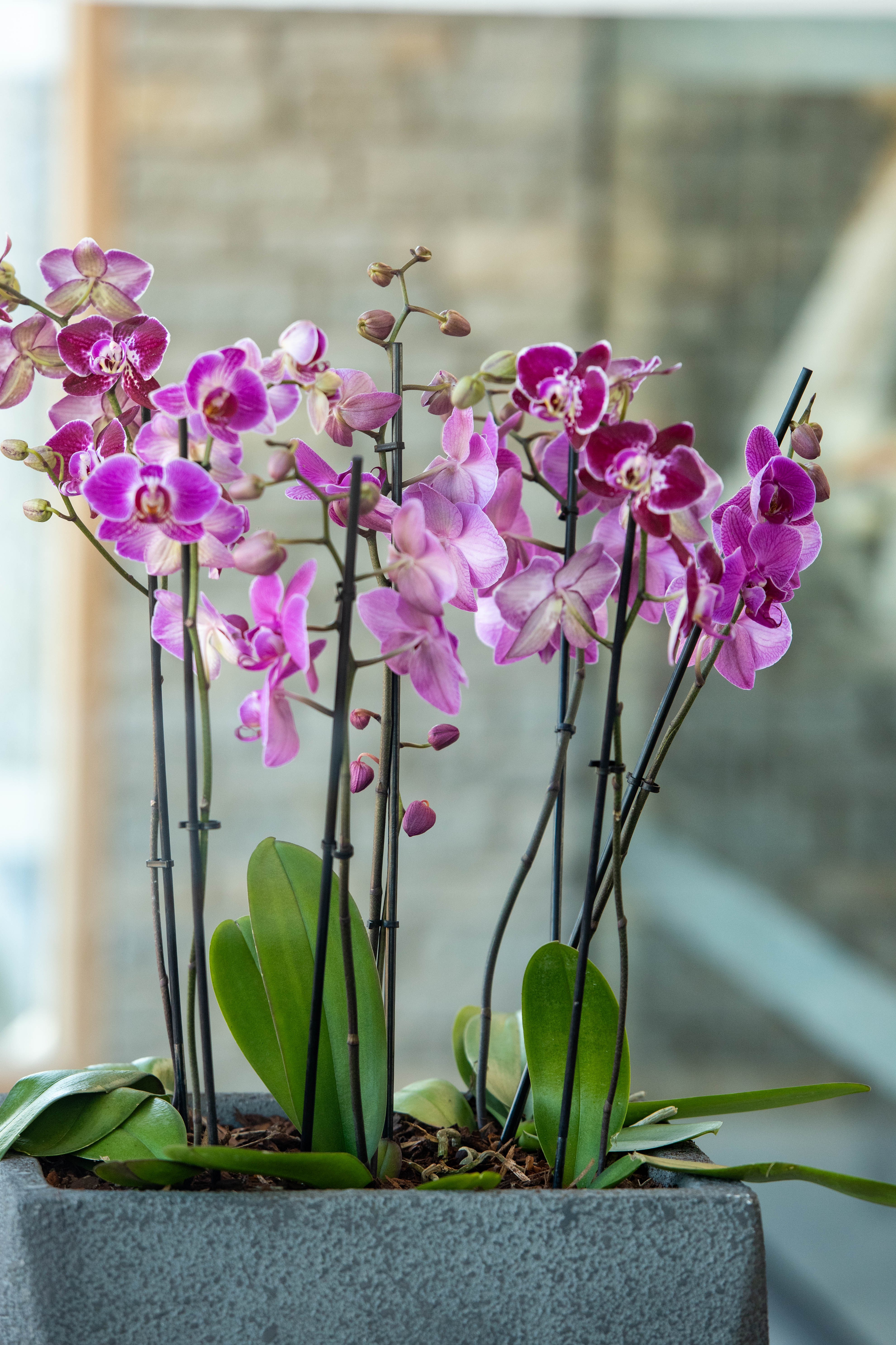
Every Orchid keeper who has struggled with watering, not knowing whether you’ve given too much or too little this guide is for you. Watering is one of the toughest parts of orchid watering care: get it wrong, and you risk root rot, wilted leaves, or buds that drop; nail it, and your orchid rewards you with vivid growth and frequent blooms.
We are going to demystify every aspect of orchid watering: how much water orchids really need (not guesswork), when to water properly, how your potting mix, pot type, season, and environment affect things, and concrete signs that your plant needs water or needs rest.
We’ll also walk you through tools and tricks for testing moisture, common mistakes that keep orchid keepers from achieving healthy roots, and what to do if you’ve already overwatered or underwatered. By the end, you’ll have a good watering plan you can adapt to your orchid’s type, home climate, and schedule. Let’s take the stress out of watering orchids and help you finally get it just right.

Why Getting Orchid Watering Right Is Crucial
Water is life and for orchids, it’s especially true. The roots of most house orchids are delicate; they require moisture balanced with airflow. Water supports photosynthesis, nutrient uptake, and bloom formation. But too much water causes root rot (fungus, bacteria), crown rot, poor aeration, loss of oxygen to roots. Too little leads to dehydration, slow growth, wrinkled leaves, maybe dropped buds.
Many orchid keepers watch leaves and blooms first but roots are the true starting line. If roots are healthy, many problems downstream (leaf color, flowering) tend to resolve. So when in doubt, examine roots (via clear pot or gently remove from pot) before changing many other parameters.

How Much Water Does an Orchid Need?
Determining how much water to give isn’t one-size-fits-all. It depends heavily on these variables:
- Pot size: Large pots hold more medium, so require more water, but dry slower.
- Media type: Bark, moss, or mixes differ in how much water they retain. Moss retains more; bark drains and dries quicker.
- Orchid type: Orchids with pseudobulbs (e.g. Cattleyas, Dendrobiums) can store water; those without (like Phalaenopsis) rely more on frequent moisture. Fairchild Garden describes that orchids with pseudobulbs can be allowed to dry more between watering; for orchids without storage, water just before dryness.
- Environment: Humidity, temperature, air movement matter a lot. High humidity ≈ slower drying; warm/dry air speeds drying.
Example: An orchid in bark mix in a south-facing room with strong air circulation may dry within 5 days; the same orchid in moss in a cooler, shady room may take 10-12 days.
When Should You Water: Timing & Schedule
Knowing when to water is just as important as how much.
Media Dryness vs Fixed Schedule
Rather than rigid schedules, the better method is observing the potting medium. Insert a finger or a wooden skewer into the media if it comes out damp, hold off; if dry about 1-2 “fingers” deep, it’s time. Some growers use pot weight: lift the pot when watered vs when dry to feel difference.
Differences by Orchid Type
- Phalaenopsis / Moth orchids (no pseudobulbs): prefer staying barely moist, not soggy; water before the mix is bone dry.
- Cattleyas and Dendrobiums (with pseudobulbs): let the medium dry more between waterings. Drying helps trigger flowering in some of these.
Seasonal Adjustments
- Summer / warm seasons: higher temps, more light, more evaporation → water more often.
- Winter / dormant / low light periods: reduce frequency; moisture lingers longer; avoid letting media stay moist for too long to prevent rot.
- Also consider humidity drops (due to indoor heating in winter) they can make media dry faster than expected.

Potting Media, Pots & How They Change Watering Needs
The mixture in which your orchid grows and the pot it sits in heavily affect watering behavior.
- Media types:
- Bark → drains quickly, needs more frequent watering.
- Moss or media with moss → holds water longer, risks staying soggy.
- Mixed media (bark + charcoal + perlite) provide a balance. (My favorite mix for Orchids)
- Pot material & drainage: Plastic pots retain moisture; clay / terra-cotta pot may allow faster drying. Clear plastic pots allow you to see roots to check watering status. Ornamental pots need proper drainage holes if used.
How to Water Properly: Techniques & Best Practices
Doing “how” correctly prevents many watering problems.
- Soaking / Drenching: Place the orchid in sink or bathtub; water the media fully until water runs through drainage holes. Don’t let water stand in the bottom. Fairchild recommends watering copiously rather than light misting.
- Water in the morning: Leaves, crown dry faster during day; water at night or in darkness increases risk of crown rot or fungal growth. Love Orchids suggests water in the morning.
- Avoid water collecting in the crown: Be careful when watering that you don’t let water stay trapped in the center of the plant (where leaves meet). If water sits there, it can rot crown.
- Drain & airflow: After watering, allow excess water to drain fully. Media should not stay soggy. Good air movement helps dry roots between waterings.
Common Mistakes: Overwatering & Underwatering
Symptoms of Overwatering
- Roots become brown, soft or mushy. Some may collapse or smell rotten.
- Leaves become yellow, may drop; crown rot possible.
- Media breaks down quickly, smells, retains excessive moisture.
Symptoms of Underwatering
- Leaves appear wrinkled or limp, not firm.
- Roots turn silvery or grey (especially the velamen). Dry roots lose capacity to take up water.
- Slowed growth, delayed flowering, buds may drop early.
Why They Often Look Similar & How to Distinguish
Some symptoms overlap (droopy leaves, limp look) but root condition, media weight, smell, stem firmness can help distinguish. Always check roots + moisture of medium.

Testing Moisture: Tools & Tricks
- Pot Weight Test: Learn the weight of your orchid pot when wet vs when dry. After watering, lift then later lift again when you expect dryness. If significantly lighter, it needs watering.
- Finger / Skewer / Wooden Stick Method: Insert into mix; if it comes out damp, wait; if dry and mix feels crumbly, water.
- Root Color / Velamen Check: For orchids in clear pots, silvery / grey velamen means dryness; green = moisture present.
- Top Media Surface Feel: The top layer dryness can indicate whole pot dryness (especially in moss mixes).
Often to Water: General Guidelines
Putting all this together, here are some broad, adaptable guidelines:
| Orchid / Situation | Watering Frequency Estimate* |
|---|---|
| Phalaenopsis in bark mix, indoors, warm room | Every 7-10 days |
| Phalaenopsis in moss mix, moderate light/humidity | Every 10-14 days |
| Orchids with pseudobulbs (Cattleyas, Dendrobiums) | Once medium dries significantly; maybe every 10-14 or more |
| In very dry climates or during summer | 5-7 days or more often if media dries quickly |
| In cool or low light winter conditions | Every 10-14 days or longer, reduce frequency |
*These are just estimates; your orchid’s conditions (media, pot, light, humidity, temp) may require adjustments.
Adjusting Watering for Your Environment
Because your home / climate is different, these factors matter:
- Humidity: If your room is dry (under ~50%), media dries faster. Use trays, pebble trays, humidifiers.
- Temperature: High temps = more evaporation; also warm air holds more moisture but dries media faster. Cold rooms slow evaporation.
- Airflow: Good air circulation helps dry roots and prevents fungal diseases.
- Light Level: More light often means higher metabolic activity, more water usage.
Water Quality: What Kind of Water to Use
What you water with matters:
- Rainwater or distilled water is safe. Tap water with high chlorine, salts, or hardness can leave deposits or stress roots.
- Warm or room temperature water is better; avoid cold water or using ice cubes cold shocks roots and may damage velamen.
- Let water reach ambient temperature if possible. Some growers let tap water sit to let chlorine dissipate.

What to Do If You’ve Overwatered
- Remove orchid from pot, inspect roots. Trim away rotten, mushy, black roots with sterile tools.
- Repot into fresh media with good drainage.
- Reduce frequency; allow medium to dry more between watering’s.
- Increase airflow; ensure pot isn’t sitting in water.
What to Do If You’ve Underwatered
- Soak the potting media fully, allow drainage.
- Increase humidity if possible.
- Adjust your schedule: maybe water more frequently but still allow drying between watering’s.
- Watch for new root growth and leaf firmness as recovery signs.
Quick Takeaways / Key Points
- Always check moisture in media or look at root/velamen color; avoid watering by strict calendar alone.
- Media type and pot type dramatically change how often you should water. Bark dries faster, moss holds moisture.
- Water in morning, ensure excess water drains fully; avoid letting water sit in the crown or base.
- Overwatering is more harmful than underwatering. Look for root rot, mushy roots, yellow leaves.
- Adjust watering schedule by season, environment, humidity, light. Watch for signs.

FAQs
- How often should I water my Phalaenopsis orchid?
Usually every 7-10 days when planted in bark mix, adjusting for environment. If planted in moss, it may be longer between watering’s because moisture retention is higher. - Can I use ice cubes to water orchids?
It is best avoided. Ice cubes can cool down the roots too much, especially since most orchids are tropical plants. - How do I tell if an orchid is overwatered or underwatered?
Overwatering signs include brown, mushy roots, yellow leaves, and sometimes crown rot. Underwatering shows wrinkled or limp leaves, silvery roots (dry velamen), and delayed growth. Always inspect roots and media moisture. - Should I water less in winter?
Yes. Growth slows in winter, light levels drop, and temperature/humidity often reduce. Orchids generally need less water during this period. Let media dry more before watering again. - Is rainwater or tap water better for orchids?
Rainwater is usually best, since it’s soft and low in salts. Tap water can be used if it’s not heavily chlorinated or hard; letting it sit or filtering helps. Warm or room-temperature water is important to avoid shocking the roots.
Watering orchids “exactly right” isn’t a fixed schedule it’s about reading signals: from your orchid’s roots and velamen, from the potting media, and from your environment. The key is balance. Too much water leads to root rot and disease; too little causes dehydration and poor growth.
For orchid keepers who struggle with watering, start by choosing a good potting media, verifying drainage, and observing your orchid regularly. Use tools like pot weight, root color, and touch to guide watering. Water thoroughly, let excess drain away, water in morning, and adjust frequency by season and type. It takes a few cycles to dial in what your orchid needs but once you do, your plant will show it: strong, healthy roots, vibrant leaves, and more frequent blooms.
Now is the time to pick one thing: maybe change your watering timing, maybe adjust media or pot, maybe switch water quality. Try that change, observe over the next week or two, and you’ll start seeing your orchid come back to life. Your orchid is counting on you happy watering!

Did any of these watering tips help you see improvement in your orchids? What’s one thing you’re going to try differently this week maybe checking root color, or testing media dryness, or changing watering timing? Share your experience in the comments! If this guide helped you, please share it or pin it let your fellow orchid keepers benefit too. 🌿
Want To Learn More?
IF YOU LIKE THIS POST
You might also like these:
- How to Get Your Orchids to Bloom Again!
- How to Display Your Orchids Beautifully
- Orchid Care Mistakes to Avoid!
We’d love to hang out with you on our social channels. You can subscribe to our blog and find us on Facebook, Youtube, Instagram and Pinterest! Feel free to reach out if you have any plant questions!
DISCLOSURE
This blog post may contain affiliate links. Which means if you click on a link and go on to buy the product I recommend, I may get a small commission at no extra cost to you.
Thank you for your support. It means the world to us!

The Thrifted Planter
Ciearra is a gardener and houseplant enthusiast of over 10 years! She has been growing indoors and outdoors. Supplying food for her family and beautifying her home with annuals, perennials and houseplants! Ciearra is passionate about sharing her knowledge of plant care with anyone who needs help or a quick plant growth tip! When she’s not blogging you can find her tending to her chickens, dogs and hanging out with her family
Nestera Chicken Coop

Park Seed
Garden Tower Project
Vego Garden Beds

Botanical Interests
Amazon Favorites!

Hoselink
Web Stories


