Best Indoor Trailing Plants
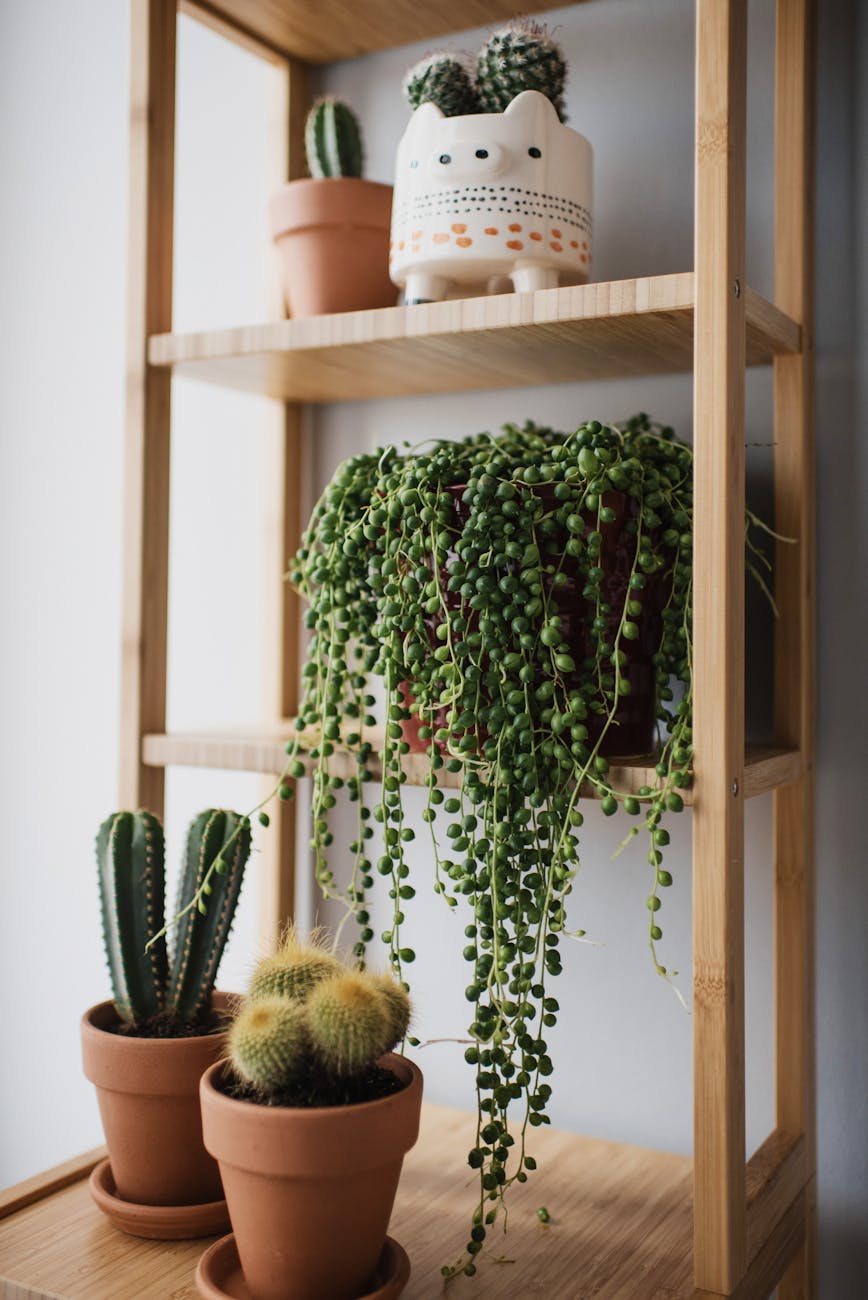
Best Indoor Trailing Houseplants for Your Home
Adding Indoor trailing houseplants are a great way to bring a touch of greenery into your home, especially if you have limited floor space. These plants can cascade beautifully from hanging baskets or pots, adding a lush, vibrant feel to any room. In this blog post, we will explore some of the best indoor trailing plants and their unique qualities.

Spider Plant (Chlorophytum Comosum)
Spider Plant, known for its long, arching green leaves with white stripes, is one of the most popular choices for indoor trailing plants. This plant is incredibly hardy and easy to care for, making it perfect for beginners.
– Light Requirements: Thrives in bright indirect light but can tolerate low-light conditions.
– Watering: Requires little water, but make sure to water thoroughly when the soil is dry to avoid root rot.
– Additional Benefits: Spider plants are known for their air-purifying qualities, making them a healthy addition to any living space.

String of Hearts (Ceropegia woodii)
The String of Hearts is a delicate trailing plant with heart-shaped leaves and a lovely trailing habit. It’s an excellent choice for hanging pots or baskets.
– Light Requirements: Prefers bright light with some direct sunlight but can adapt to light shade.
– Watering: Needs less water, allowing the soil to dry out between watering’s.
– Additional Features: Its slender vines and unique foliage make it a perfect plant for small spaces.

Devil’s Ivy (Epipremnum aureum)
Also known as Golden Pothos, Devil’s Ivy is a fast-growing plant with glossy, heart-shaped leaves. It is one of the easiest plants to care for and can grow in various conditions.
– Light Requirements: Thrives in low light conditions but grows best in bright indirect light.
– Watering: Requires little water; water when the top inch of soil feels dry.
– Additional Features: Its ability to adapt to different environments makes it a great option for office spaces or new places.

String of Pearls (Senecio rowleyanus)
The String of Pearls is an eye-catching trailing plant with bead-like leaves that can add a whimsical touch to your indoor space.
– Light Requirements: Prefers bright indirect light but can tolerate some direct sunlight.
– Watering: Needs less water, as its succulent leaves store water efficiently.
– Additional Features: It is a delicate plant, so handle it with care when moving or repotting.

Philodendron Scandens
The Philodendron Scandens, or Heartleaf Philodendron, is a trailing houseplant with lush, heart-shaped leaves that add a tropical vibe to any room.
– Light Requirements: Thrives in bright indirect light but can also tolerate low-light conditions.
– Watering: Requires moderate watering; keep the soil consistently moist but not soggy.
– Additional Benefits: It’s a fast-growing plant that is easy to propagate, allowing you to create new plants easily.

String of Dolphins (Senecio peregrinus)
The String of Dolphins is a unique trailing succulent with leaves shaped like jumping dolphins, making it a statement plant for any collection.
– Light Requirements: Needs bright indirect light to maintain its dolphin-like shape.
– Watering: Requires less water; allow the soil to dry out completely between watering’s.
– Additional Features: Its playful appearance and trailing habit make it an excellent choice for hanging planters.

Satin Pothos (Scindapsus pictus)
The Satin Pothos is known for its velvety green leaves with silver spots. It is a versatile plant that can thrive in various light levels.
– Light Requirements: Prefers bright indirect light but can adapt to low light conditions.
– Watering: Needs little water; water when the soil is dry to the touch.
– Additional Features: Its attractive foliage and easy care make it a popular choice among houseplant enthusiasts.

Wax Plant (Hoya)
The Wax Plant is a beautiful trailing plant with slender, waxy leaves and fragrant flowers.
– Light Requirements: Thrives in bright indirect light and can handle some direct sunlight.
– Watering: Requires moderate watering; keep the soil slightly moist but not waterlogged.
– Additional Features: Its fragrant blooms and trailing habit make it a perfect plant for hanging baskets.

Lipstick Plant (Aeschynanthus radicans)
The Lipstick Plant is a vibrant trailing plant with tubular red flowers resembling a tube of lipstick.
– Light Requirements: Prefers bright indirect light but can tolerate light shade.
– Watering: Requires moderate watering; keep the soil consistently moist but not soggy.
– Additional Features: Its bright flowers add a splash of color, making it a great choice for indoor hanging plants.
Blog Posts you May be interested In:

Fishbone Cactus (Epiphyllum anguliger)
The Fishbone Cactus, also known as the Zig zag Cactus, is a fascinating trailing plant with unique, zigzag-shaped stems.
– Light Requirements: Prefers bright indirect light but can tolerate some direct sunlight.
– Watering: Requires less water; water when the top of the soil is dry.
– Additional Features: Its unusual shape and ease of care make it a great option for hanging planters in both indoor and outdoor spaces.

Tips for Caring for Indoor Trailing plants
– Choose the Right Pot: Select a hanging pot or basket with good drainage to prevent water accumulation.
– Monitor Light Levels: Adjust the location of your plants to provide them with the right amount of light, avoiding direct sunlight for delicate plants.
– Watering Needs: Each type of plant has different water requirements. Use distilled water to avoid mineral buildup in the soil, especially for plants sensitive to tap water.
– Humidity and Temperature: Most trailing plants prefer high humidity and moderate temperatures. During colder months, move plants away from drafts and cold windows.
Indoor Trailing plants add a lush and vibrant touch to any indoor space, with their cascading vines and beautiful foliage creating a natural, flowing aesthetic. Here are the top care tips to ensure your trailing houseplants thrive and remain healthy:

Choose the Right Spot
– Light Requirements: Most trailing houseplants prefer bright, indirect light. However, some varieties like the Pothos or Heartleaf Philodendron can tolerate lower light conditions. Place them near a window with filtered light or in a well-lit room.
– Avoid Direct Sunlight: Direct sunlight can scorch the leaves, especially in species with delicate foliage. If your plant receives too much sun, consider using sheer curtains to diffuse the light.

Water Properly
– Check the Soil: Allow the top inch of soil to dry out between watering’s. Use your finger to test the soil moisture level.
– Watering Schedule: Water thoroughly until water drains from the bottom of the pot. Empty the saucer after watering to prevent root rot.
– Adjust for Season: Reduce watering frequency during the fall and winter months when the plant’s growth slows down.

Provide Adequate Humidity
– Humidity Levels: Trailing houseplants often thrive in higher humidity environments. Increase humidity by using a humidifier, placing a tray of water near the plants, or grouping plants together.
– Misting: Regularly mist the leaves to increase humidity, especially in dry climates or during the winter months when indoor air can be particularly dry.
Fertilize During the Growing Season
– Fertilization: Feed your trailing plants with a balanced liquid fertilizer every 4-6 weeks during the spring and summer. Follow the recommended dosage on the fertilizer label to avoid over-fertilization.
– Reduce Fertilizer: Decrease feeding frequency in the fall and winter when plant growth naturally slows down.

Pruning and Maintenance
– Prune Regularly: Trim back leggy or overgrown stems to encourage bushier growth and maintain the plant’s shape. Use clean, sharp scissors or pruning shears to make cuts just above a leaf node.
– Remove Dead Leaves: Regularly remove any yellow or dead leaves to promote healthy growth and prevent disease.
Support and Styling
– Hanging Baskets: Use hanging baskets to showcase your trailing plants and allow them to cascade naturally.
– Trellises and Poles: For more structured growth, use trellises, poles, or hoops to guide and support the vines.
Repotting
– Repot as Needed: Trailing houseplants should be repotted every 1-2 years or when they become root-bound. Choose a pot that is one size larger with drainage holes.
– Fresh Soil: Use a high-quality potting mix suitable for the specific plant type when repotting.

Pest Control
– Inspect Regularly: Check for common pests such as spider mites, aphids, and mealybugs. Look for signs of pests on the undersides of leaves and stems.
– Treatment: Treat infestations promptly with insecticidal soap, neem oil, or by wiping leaves with a damp cloth.
Monitor for Health Issues
– Yellowing Leaves: Yellow leaves can indicate overwatering, underwatering, or inadequate light. Adjust care practices accordingly.
– Wilting or Browning: Wilting or browning tips can be a sign of too much direct sunlight, low humidity, or inconsistent watering.

Indoor trailing plants are a perfect way to enhance your living space with lush greenery and vibrant foliage. From the easy-care Spider Plant to the unique String of Dolphins, there are plenty of options to suit your home’s light and space conditions. By understanding the light requirements and care needs of each plant, you can create a thriving indoor jungle that adds beauty and freshness to your home all year round.
Happy Gardening!
Want More?
Houseplants are gorgeous living home decor. It is worthwhile learning how to properly care for them.
IF YOU LIKE THIS POST
You might also like these:
- How to properly water your houseplants
- Best soil to tropical houseplants
- Best Indoor Trailing Houseplants
We’d love to hang out with you on our social channels. You can subscribe to our blog and find us on Facebook, Youtube, Instagram and Pinterest! Feel free to reach out if you have any plant questions!
DISCLOSURE
This blog post may contain affiliate links. Which means if you click on a link and go on to buy the product I recommend, I may get a small commission at no extra cost to you.
Thank you for your support. It means the world to us!

The Thrifted Planter
Ciearra is a gardener and houseplant enthusiast of over 10 years! She has been growing indoors and outdoors. Supplying food for her family and beautifying her home with annuals, perennials and houseplants! Ciearra is passionate about sharing her knowledge of plant care with anyone who needs help or a quick plant growth tip! When she’s not blogging you can find her tending to her chickens, dogs and hanging out with her family
13 responses to “Best Indoor Trailing Plants”
Leave a Reply

Nestera Chicken Coop

Park Seed
Garden Tower Project
Vego Garden Beds

Botanical Interests
Amazon Favorites!

Hoselink
Web Stories


[…] Best Indoor Trailing Houseplants […]
[…] Best Indoor Trailing Houseplants […]
[…] Best Indoor Trailing Houseplants […]
[…] Best Indoor Trailing Houseplants […]
[…] Best Indoor Trailing Houseplants […]
[…] Best Indoor Trailing Houseplants […]
[…] Best Indoor Trailing Houseplants […]
[…] Best Indoor Trailing Houseplants […]
[…] Best Indoor Trailing Houseplants […]
… [Trackback]
[…] Read More here: thethriftedplanter.org/2024/08/12/best-indoor-trailing-plants/ […]
[…] Best Indoor Trailing Houseplants […]
[…] Best Indoor Trailing Houseplants […]
[…] Best Indoor Trailing Houseplants […]