The Best Soil for Aglaonema Houseplants
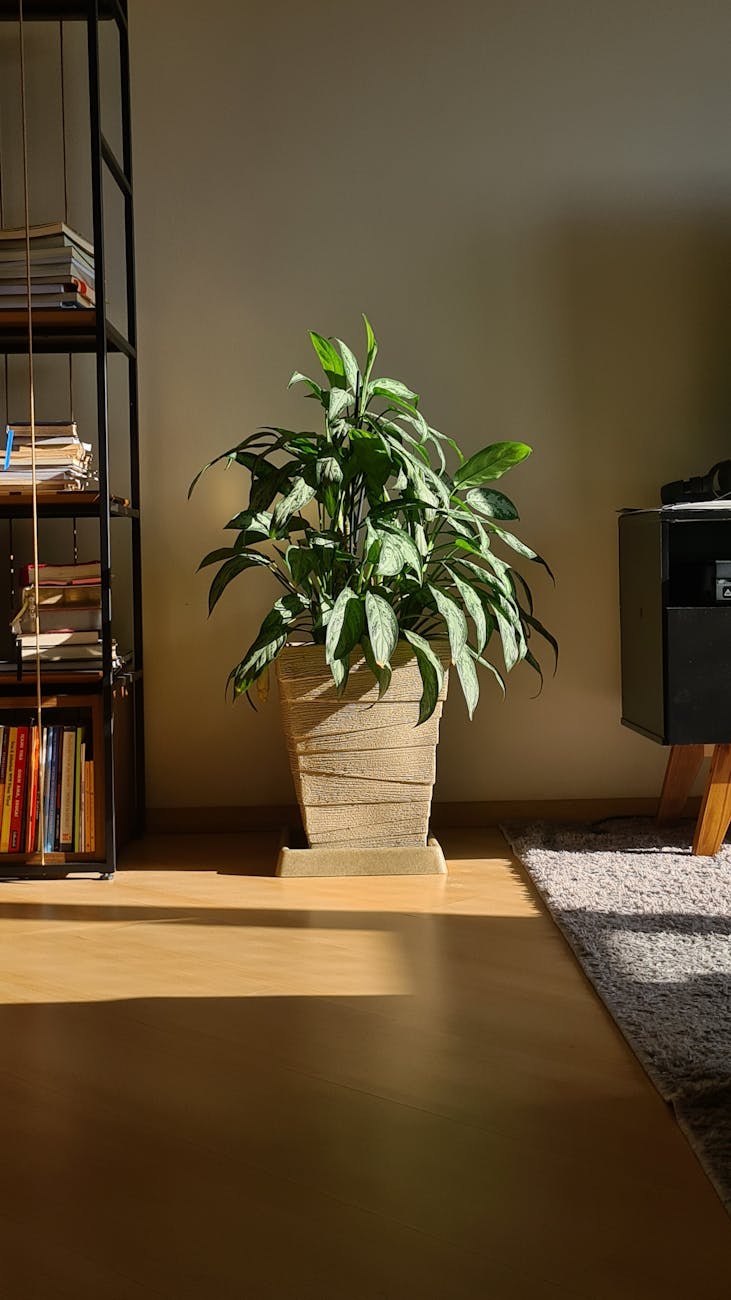
Aglaonema plants, commonly known as Chinese evergreen plants, are popular houseplants prized for their lush foliage and ability to thrive in low-light conditions. They are often thought of as the perfect plant for new plant parents because of how easy it is to get these gorgeous plants. With the right soil and care, these tropical plants can be the perfect addition to any indoor space. Let’s learn about Aglaonemas and the best soil for the Aglaonema, ensuring your plants remain healthy and vibrant.

Understanding Aglaonema Plants
Often referred to by their common name, Chinese evergreen. They belong to the genus Aglaonema and are known for their beautiful foliage, which comes in various colors, including dark green, silver, and red. Some popular aglaonema varieties include the Silver Queen, Silver Bay, and Red Star.
These slow-growing plants are ideal for indoor environments due to their adaptability to low light levels and minimal care requirements. This makes them a great option for forgetful plant owners and those new to gardening.

What Makes Aglaonemas Great Houseplants
Attractive Foliage
One of the most appealing aspects of Aglaonemas is their beautiful and diverse foliage. The leaves come in shades of green, silver, red, and pink, often with striking patterns and variegation. This wide range of colors and patterns adds visual interest and can complement any home décor. As a result, Aglaonemas serve as a decorative element while purifying the air.
Low Light Tolerance
Known for their ability to thrive in low-light conditions, which makes them perfect for indoor environments with limited natural light. They can adapt to fluorescent lighting, making them suitable for offices and dimly lit rooms. While they prefer bright, indirect light for optimal growth and coloration, their tolerance for low light means they will continue to thrive even in less-than-ideal lighting conditions.
Easy Care
They are incredibly low-maintenance plants, requiring minimal effort to keep them healthy. They do not need frequent watering and can tolerate periods of neglect. It is best to let the top inch of soil dry out between waterings, as overwatering can lead to root rot. This infrequent watering schedule is ideal for those new to plant care, as it reduces the risk of common watering mistakes.
Temperature and Humidity Adaptability
These resilient plants prefer temperatures between 65°F and 80°F (18°C – 27°C), typical of most indoor environments. Aglaonemas can tolerate a range of humidity levels, although they prefer slightly higher humidity. For those living in dry climates, occasionally misting the plant or placing it on a pebble tray with water can help maintain adequate humidity levels. This adaptability makes them suitable for various indoor climates, contributing to their reputation as beginner-friendly plants.


Pest Resistance
Aglaonemas are relatively resistant to pests, another reason why they are great for new plant enthusiasts. While they can occasionally be affected by common houseplant pests such as spider mites or mealybugs, regular inspection and maintenance can keep these issues at bay. Insecticidal soap or neem oil can effectively treat any infestations, should they occur.
Air Purification
In addition to their aesthetic appeal, Aglaonemas contribute to a healthier indoor environment by purifying the air. They have been shown to remove toxins such as formaldehyde and benzene from the air, promoting better indoor air quality. This quality makes them beneficial to have around the house, particularly in areas with limited ventilation.
Encouragement for New Enthusiasts
For new houseplant enthusiasts, the success of growing a plant like Aglaonema can be encouraging and boost confidence. Their resilience and forgiving nature mean they can handle minor care errors, allowing new plant parents to learn and adjust without the fear of losing their plant. This experience can inspire new gardeners to explore other plant species and expand their indoor gardens.

The Best Soil For Aglaonema
The best soil for aglaonema is crucial for maintaining the health of the plant’s roots and preventing common issues such as root rot, which is often caused by excess water. Aglaonema plants require a well-draining soil mix that allows water to pass through easily while retaining enough moisture for healthy growth.
Key Ingredients for the Best Soil Mix
Peat Moss: This is an essential component of a soil mix for aglaonema plants as it helps retain moisture without causing excess water accumulation. Peat moss also provides organic matter that enriches the soil.
Perlite or Vermiculite: These materials improve soil aeration and drainage, reducing the risk of root rot by preventing excess moisture from lingering around the plant’s roots.
Organic Matter: Adding compost or other organic materials to your soil mix will enhance its nutrient content and support healthy plant growth.
General Purpose Potting Soil: A high-quality, general-purpose potting soil can be the base for your soil mix. Ensure it has good drainage to prevent excess water retention.

Create Your Potting Mix
To create the ideal potting mix for your aglaonema, combine the following:
– 1 part peat moss
– 1 part perlite or vermiculite
– 1 part general-purpose potting soil enriched with organic matter
This mix ensures well-draining soil that retains the right amount of moisture for healthy growth. Be sure your pot has drainage holes at the bottom to allow excess water to escape, preventing waterlogging and root rot.

More Posts you may be interested in:
- The Best Plants for Your College Dorm Room
- Big Plants for Your Living Room
- Best Soil for Peperomia Plants
Best Practices for Planting and Care
Potting: When planting aglaonema, place the root ball gently into the pot, ensuring the plant’s roots are well-covered with soil. Leave enough space at the bottom of the pot for drainage.
Watering: Water your aglaonema when the top inch of soil feels dry. Avoid overwatering, as excess moisture can lead to root rot. Use warm water to maintain a comfortable temperature for the plant.
Light and Humidity: These plants prefer bright indirect light but can tolerate low light conditions. High humidity levels promote healthy growth, so consider placing your plant on a pebble tray filled with water or using a humidifier.
Fertilization: During the growing season, which typically occurs in the summer months, apply a slow-release fertilizer or general-purpose houseplant fertilizer to support the plant’s development. Avoid using too much fertilizer, as this can harm the plant’s leaves.
Temperature: Aglaonema plants thrive in warm climates but should be kept away from cold drafts and lower temperatures during the winter months.

Common Problems and Solutions
Root Rot: Often caused by overwatering or poor drainage. Ensure well-draining soil and pots with drainage holes.
Yellow Spots and Lower Leaves: May indicate a lack of nutrients or excessive moisture. Adjust watering and fertilization practices accordingly.
Pests: Watch out for common pests like spider mites and fungus gnats. Regularly inspect your plants and treat infestations promptly with appropriate insecticides.
Propagation and New Growth
Aglaonemas are easy-care houseplants and can be propagated through stem cuttings or tissue culture. The best time for propagation is during the growing season when the plant is actively producing new growth. This allows you to create new plants and expand your collection of aglaonema cultivars.

Aglaonema Care Tips
Choose the Right Location
- Light: Aglaonema plants thrive in indirect, bright light but can tolerate low light conditions. However, for optimal growth and vibrant leaf color, place them in a spot with filtered sunlight. Avoid direct sunlight, as it can scorch the leaves.
- Temperature: These plants prefer temperatures between 65°F and 80°F (18°C – 27°C). Keep them away from drafts, air conditioners, and heaters, as extreme temperatures can stress the plant.
Use the Right Soil
- Soil Mix: Use a well-draining potting mix, such as a blend of peat moss, perlite, and potting soil. This mix ensures good aeration and prevents root rot, which can occur in poorly draining soils.
Watering
- Frequency: Water the plant when the top inch of soil feels dry to the touch. Aglaonemas prefer slightly moist soil but can suffer from overwatering.
- Method: Water thoroughly until it drains out of the bottom of the pot, then allow the soil to dry out slightly before watering again.
Humidity
- Preferred Levels: Aglaonema plants enjoy higher humidity levels but can tolerate average indoor conditions.
- Increasing Humidity: If the air is dry, consider using a humidifier, placing the plant on a pebble tray with water, or misting the leaves occasionally.
Fertilizing
- Type and Frequency: Fertilize your Aglaonema every 4-6 weeks during the growing season (spring and summer) with a balanced liquid fertilizer diluted to half strength. Reduce fertilization during fall and winter when the plant’s growth slows down.

Pruning and Maintenance
- Pruning: Trim any yellow or damaged leaves to maintain the plant’s appearance and health. This also encourages new growth.
- Cleaning Leaves: Wipe the leaves with a damp cloth to remove dust, which can block sunlight and hinder photosynthesis.
Repotting
*When buying your Aglaonemas from big box stores or some nurseries you may find upon repotting that your Aglaonemas have a small black basket around their root balls. This is something that large growers use to propagate plants. It is a pain to get them off but for the health of your Aglaonemas use clean pruners and carefully cut away the basket.*
- When to Repot: Repot the plant every 2-3 years or when it becomes root-bound. Choose a pot that is one size larger and has drainage holes.
- Process: Gently remove the plant from its current pot, shake off excess soil, and place it in the new pot with fresh potting mix.
Pest Management
- Common Pests: Aglaonemas can be susceptible to pests like spider mites, mealybugs, and aphids. Inspect the plant regularly for signs of pests.
- Treatment: Use insecticidal soap or neem oil to treat infestations. Ensure you apply it thoroughly to all parts of the plant, especially the undersides of leaves.
Encouraging Larger Growth
- Consistent Care: Provide consistent care with proper light, water, and nutrients.
- Rotate the Plant: Rotate the plant periodically to ensure even growth on all sides.
Monitor Plant Health
- Signs of Stress: Watch for signs of stress, such as yellowing leaves or stunted growth, and adjust care accordingly.

These hardy plants are among the best for new enthusiasts looking to dive into the world of indoor gardening. They are celebrated for their stunning foliage, low maintenance requirements, and adaptability to various indoor environments, making them an ideal starter plant.
These plants offer the perfect balance of beauty and simplicity, making them an excellent entry point into the world of houseplants. With an Aglaonema in your home, you can enjoy the benefits of indoor gardening while gaining valuable experience in plant care.
Happy Gardening!
One response to “The Best Soil for Aglaonema Houseplants”
Leave a Reply

Nestera Chicken Coop

Park Seed
Garden Tower Project
Vego Garden Beds

Botanical Interests
Amazon Favorites!

Hoselink
Web Stories


[…] Best Soil for Aglaonema Houseplants […]