The Best Raspberry Fertilizer and Care Guide
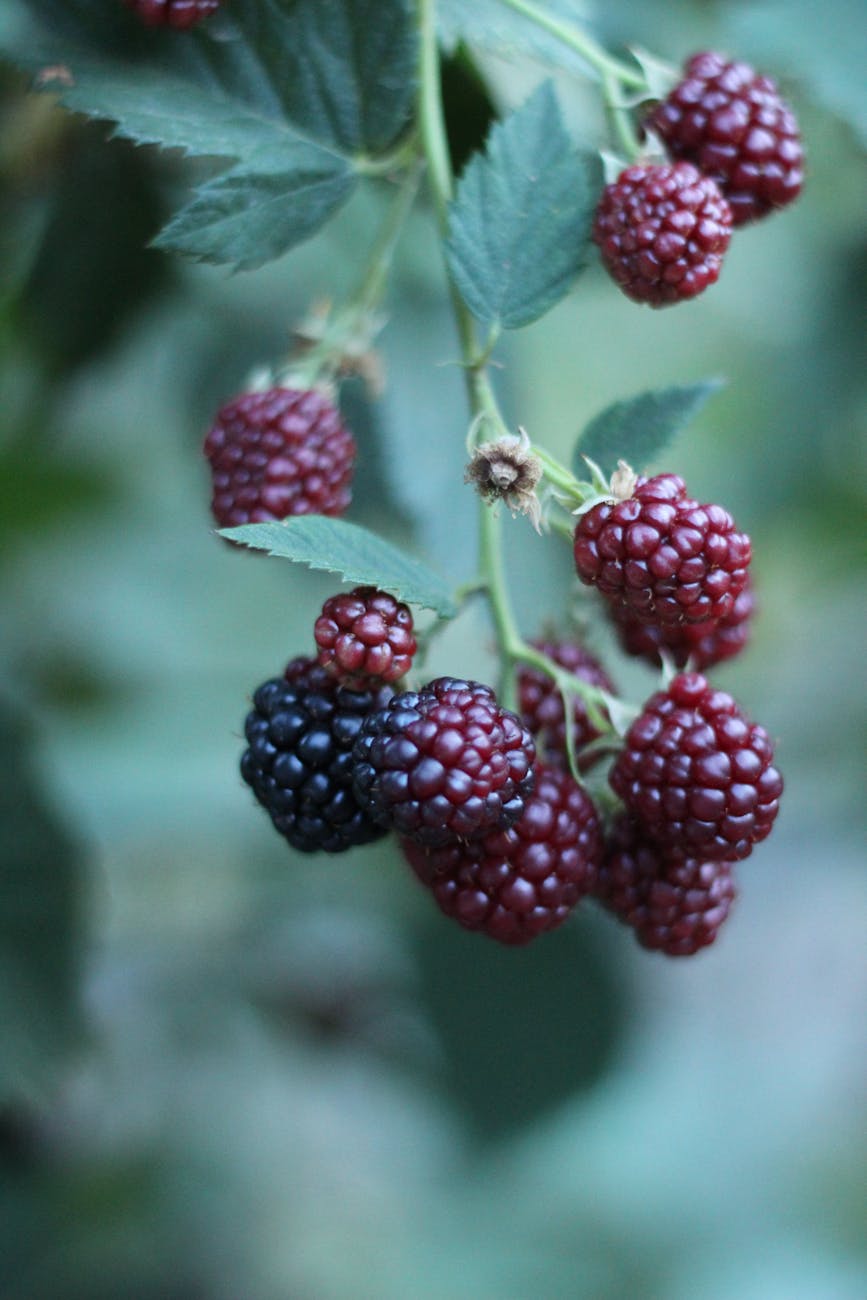
The Best Raspberry Fertilizer
Growing raspberries in your home garden can be a rewarding experience, especially when you get those vibrant red raspberries bursting with flavor. However, to grow a bountiful harvest, it’s crucial to provide your raspberry bushes with the right nutrients. The best time to start thinking about fertilizing your raspberries is in early spring, as new growth appears. Here’s a complete guide to help you choose the best raspberry fertilizer for your plants. First we will start with NPK!

What is NPK?
In fertilization, “NPK” refers to the three main nutrients that are essential for plant growth:
- N stands for nitrogen: Nitrogen is crucial for the growth of leaves and stems. It is a major component of chlorophyll, which is essential for photosynthesis.
- P stands for phosphorus: Phosphorus is important for root development, flowering, and fruiting. It also plays a role in energy transfer within the plant.
- K stands for potassium: Potassium is necessary for overall plant health and vigor. It helps in the formation of sugars and starches, regulates water uptake and transpiration, and contributes to disease resistance.
These three nutrients are often included in fertilizers in varying ratios depending on the specific needs of plants at different stages of growth. For example, a fertilizer labeled 10-5-5 would contain 10% nitrogen, 5% phosphorus (as phosphate), and 5% potassium (as potash). Different plants require different ratios of NPK depending on their growth stage and nutritional requirements.

Why is soil PH Important for Raspberries?
Soil pH is critical when growing raspberries because it directly affects the plant’s ability to absorb nutrients from the soil. Raspberries generally prefer slightly acidic to neutral soil conditions, ideally with a pH range between 5.5 and 6.5. Here’s why soil pH matters for raspberries:
- Nutrient Availability: The pH of the soil influences the availability of essential nutrients like nitrogen (N), phosphorus (P), potassium (K), calcium (Ca), magnesium (Mg), and others. When the pH is too low (acidic) or too high (alkaline), certain nutrients may become less available to the plant, even if they are present in the soil. Raspberries require balanced levels of nutrients to grow vigorously, produce healthy foliage, and yield good fruit.
- Root Health and Growth: Raspberries have shallow root systems, and their roots are sensitive to pH extremes. If the soil pH is too low (acidic) or too high (alkaline), it can affect root development and function. A pH that is too low can lead to aluminum toxicity and nutrient deficiencies, while a pH that is too high can limit nutrient uptake.
- Microbial Activity: Soil pH also influences the activity and diversity of beneficial soil microorganisms. These microorganisms play a crucial role in nutrient cycling and availability. A balanced pH encourages a healthy soil microbial community, which in turn supports the growth and health of raspberry plants.
- Disease Resistance: Raspberry plants are susceptible to certain diseases that can be influenced by soil pH. For example, Phytophthora root rot is more prevalent in poorly drained soils with a pH above 6.5. Maintaining the optimal pH range can help reduce the risk of diseases and improve the overall vigor of raspberry plants.
To ensure optimal growth and productivity of raspberries, it’s important to regularly test the soil pH and amend it as needed to keep it within the ideal range. This can be done by adding materials such as lime to raise pH (for acidic soils) or elemental sulfur to lower pH (for alkaline soils). Adjusting and maintaining the correct pH level will help raspberry plants thrive and produce abundant, high-quality fruit.
The Basics of Fertilizing Raspberry Bushes
Raspberry bushes thrive in well-drained soil rich in organic matter. Before you start fertilizing, it’s a good idea to conduct a soil test to determine the soil pH and nutrient levels. Raspberries prefer a slightly acidic to neutral soil pH (between 5.6 and 6.2). Knowing the type of raspberry you’re growing—be it red raspberries, black raspberries, purple raspberries, or yellow raspberries—can also guide your fertilization process.

When to apply Raspberry fertilizer?
Early spring is the best time to start feeding raspberries, as this is when new growth of canes begins. Organic fertilizers, such as well-rotted manure and compost, are excellent choices for enriching the soil. These organic materials not only provide essential nutrients but also improve soil structure and moisture retention.
Raspberry Fertilizer Options
Organic Fertilizers:
- Well-Rotted Manure: This is rich in nitrogen, which is crucial for the growth of new shoots and canes.
- Compost: Adds organic matter to the soil and helps maintain soil moisture.
- Fish Emulsion: A good source of nitrogen, phosphorus, and potassium.
- Bone Meal: High in phosphorus, promotes strong root development and flower formation.
- Blood Meal: An excellent source of nitrogen.
- Chicken Manure Pellets: Provide balanced nutrients and are a good way to boost soil fertility.
- Homemade Natural Comfrey Fertilizer: Packed with potassium, which is essential for fruit production.
Natural Slow-Release Granular Fertilizers:
- These provide a steady supply of nutrients over a longer period, reducing the need for frequent applications.
- Balanced Fertilizer (10-10-10): Provides equal amounts of nitrogen, phosphorus, and potassium.
- High Potash Fertilizer: Important for fruiting and the overall health of the plant.
Specific Fertilizer Recommendations:
- Purpose Natural Organic Fertilizer: Ideal for raspberries, providing a balanced mix of nutrients.
- Organic Plant Food: Enhances soil fertility and promotes healthy plant growth.
- Slow-Release Fertilizer: Ensures a continuous supply of nutrients throughout the growing season.

Fertilizer Application Schedule
- Early Spring: Apply compost or well-rotted manure around the crown of the plant. This provides a nutrient boost as the plant begins to grow.
- Late Spring to Early Summer: As the raspberry canes grow, apply a balanced fertilizer to support the growth of new canes and foliage.
- Late Summer: For summer-bearing raspberries, apply a high potash fertilizer to support fruit development.
- Early Fall: Apply a final round of organic fertilizer to help the plants store energy for the winter and following season.

Basic Raspberry Bush Care
Growing fruitful raspberry bushes requires attention to several key factors including site selection, soil preparation, planting, proper care, and maintenance. Here are steps to help you grow productive raspberry bushes:
- Choose the Right Variety: Select raspberry varieties that are well-suited to your climate and growing conditions. There are two main types of raspberries: summer-bearing (which produces fruit once a year) and ever-bearing or fall-bearing (which produces fruit in two crops, once in summer and once in fall). Choose varieties that are known for good fruit production and disease resistance in your area.
- Site Selection: Raspberries thrive in full sun, so choose a site that receives at least 6-8 hours of direct sunlight per day. The soil should be well-drained and rich in organic matter. Avoid low-lying areas where water may collect, as raspberries are susceptible to root rot in waterlogged soil.
- Soil Preparation: Prepare the soil before planting by incorporating organic matter such as compost or well-rotted manure. Raspberries prefer slightly acidic to neutral soil with a pH between 5.5 and 6.5. Test the soil pH and amend it as necessary to achieve the optimal range.
- Planting: Plant raspberry bushes in early spring or late fall when the plants are dormant. Space plants according to the variety: summer-bearing raspberries typically need 2-3 feet between plants and 8-10 feet between rows, while ever-bearing varieties can be spaced closer together. Dig a hole large enough to accommodate the roots without bending them, and plant at the same depth as they were in the nursery container.
- Support Structures: Many raspberry varieties benefit from support structures such as trellises or stakes. Erect these supports at planting time or shortly afterward to prevent damaging established roots. This helps keep the canes upright and makes harvesting easier.
- Watering: Keep the soil consistently moist, especially during dry periods and throughout the growing season. Raspberries require regular watering to produce juicy, flavorful fruit. Avoid overhead watering once the plants begin to bear fruit to reduce the risk of fungal diseases.
- Fertilization: Fertilize raspberries in early spring with a balanced fertilizer or compost. Avoid fertilizers high in nitrogen, as excessive nitrogen can promote lush foliage at the expense of fruit production.
- Pruning: Pruning is essential for maintaining raspberry bushes and promoting fruit production. Prune out dead or diseased canes in late winter or early spring before new growth begins. Summer-bearing raspberries should be pruned to remove old canes that have already borne fruit, leaving younger canes for the next season’s crop. Ever-bearing raspberries can be pruned to encourage two crops per year.
- Pest and Disease Management: Monitor raspberry plants regularly for signs of pests such as aphids, Japanese beetles, or raspberry cane borers. Manage pests using organic or integrated pest management techniques. Also, watch for diseases such as powdery mildew, anthracnose, or raspberry rust, and take appropriate measures such as proper spacing, good air circulation, and timely removal of infected plant parts.

Additional Tips for Growing Raspberries
- Annual Mulch: Use organic materials such as wood chips or straw to mulch around the plants. This helps with weed control, retains soil moisture, and adds nutrients as it decomposes.
- Container-Grown Plants: Raspberries grown in containers may need more frequent feeding due to limited soil volume. Use a balanced, water-soluble fertilizer for best results.
- Soil Moisture: Ensure consistent soil moisture, especially during dry spells. Mulching can help maintain soil moisture levels.
Common Challenges
- Fungal Diseases: Over-fertilizing can lead to lush foliage that is more susceptible to fungal diseases. Follow the recommended fertilizer application rates to avoid this.
- Winter Injury: Proper fertilization in late summer and early fall helps the plants build up reserves to withstand winter injury.

Benefits of adding Raspberries to your diet
Eating raspberries offers a range of potential health benefits due to their nutritional composition and phytochemical content. Here are some of the key health benefits associated with consuming raspberries:
- Rich in Nutrients: Raspberries are packed with vitamins and minerals, including vitamin C, manganese, vitamin K, and various B vitamins (such as folate). These nutrients are essential for overall health and well-being.
- High in Dietary Fiber: Raspberries are a good source of dietary fiber, which promotes digestive health by supporting regular bowel movements and feeding beneficial gut bacteria. Fiber also helps in managing blood sugar levels and may contribute to weight management by promoting a feeling of fullness.
- Antioxidant Properties: Raspberries contain powerful antioxidants such as anthocyanins, quercetin, and ellagic acid. These compounds help neutralize free radicals in the body, which can reduce oxidative stress and inflammation. Antioxidants are linked to a lower risk of chronic diseases such as heart disease, diabetes, and certain cancers.
- Heart Health: The fiber, antioxidants, and polyphenols in raspberries contribute to heart health by lowering blood pressure, improving cholesterol levels (reducing LDL cholesterol and increasing HDL cholesterol), and supporting healthy blood vessel function. These effects may help reduce the risk of heart disease.
- Anti-inflammatory Effects: Some compounds in raspberries have anti-inflammatory properties, which can help reduce inflammation in the body. Chronic inflammation is associated with various diseases, so consuming foods like raspberries may contribute to overall inflammation reduction.
- Blood Sugar Regulation: Raspberries have a relatively low glycemic index, meaning they do not cause large spikes in blood sugar levels after consumption. This makes them a suitable fruit choice for individuals with diabetes or those looking to manage blood sugar levels.
- Brain Health: The antioxidants and anti-inflammatory properties in raspberries may support brain health and cognitive function, potentially reducing the risk of age-related mental decline.
- Skin Health: The vitamin C and antioxidants in raspberries are beneficial for skin health. Vitamin C is important for collagen synthesis, which helps maintain skin elasticity and strength. Antioxidants protect skin cells from damage caused by free radicals, potentially slowing down the aging process and promoting youthful skin.
- Weight Management: Raspberries are relatively low in calories and carbohydrates while being high in fiber. This combination can help promote feelings of fullness and satisfaction, potentially aiding in weight management when consumed as part of a balanced diet.
To maximize the health benefits of raspberries, include them regularly in your diet either fresh, frozen, or in recipes such as smoothies, salads, or desserts. Combined with a variety of other fruits and vegetables, raspberries can contribute to a nutrient-rich diet that supports overall health and well-being.

Providing your raspberry bushes with the right nutrients at the right times is an important part of achieving a healthy and productive harvest. Whether you choose organic fertilizers, slow-release granular options, or a balanced fertilizer, ensuring your raspberries receive the essential nutrients they need will result in bountiful harvests of delicious, juicy berries. By Choosing the right raspberry fertilizer you can enjoy the fruits of your labor year after year.
Happy gardening!
Want More?
Houseplants are gorgeous living home decor. It is worthwhile learning how to properly care for them.
IF YOU LIKE THIS POST
You might also like these:
- How to properly water your houseplants
- Best soil to tropical houseplants
- Best Indoor Trailing Houseplants
We’d love to hang out with you on our social channels. You can subscribe to our blog and find us on Facebook, Youtube, Instagram and Pinterest! Feel free to reach out if you have any plant questions!
DISCLOSURE
This blog post may contain affiliate links. Which means if you click on a link and go on to buy the product I recommend, I may get a small commission at no extra cost to you.
Thank you for your support. It means the world to us!

The Thrifted Planter
Ciearra is a gardener and houseplant enthusiast of over 10 years! She has been growing indoors and outdoors. Supplying food for her family and beautifying her home with annuals, perennials and houseplants! Ciearra is passionate about sharing her knowledge of plant care with anyone who needs help or a quick plant growth tip! When she’s not blogging you can find her tending to her chickens, dogs and hanging out with her family

Nestera Chicken Coop

Park Seed
Garden Tower Project
Vego Garden Beds

Botanical Interests
Amazon Favorites!

Hoselink
Web Stories


