Raised Bed Soil Mix Recipe
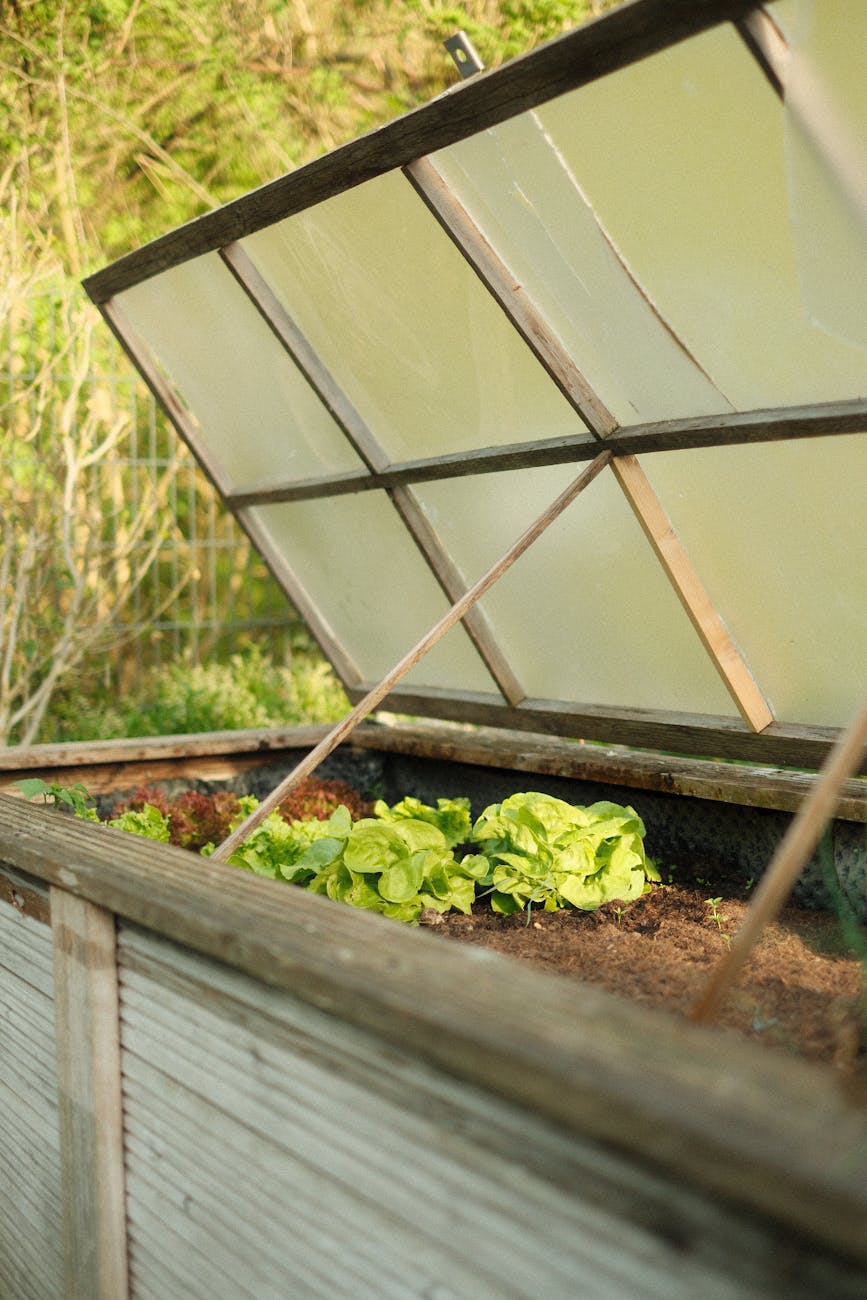
Few things are as essential as good garden soil when gardening. Whether you’re a seasoned green thumb or just starting out soil is everything! Understanding how to create the ideal raised bed soil mix can make all the difference in the health and vitality of your plants. With the right combination of organic matter, nutrients, and structure, you can set your garden up for success from the ground up.

Why Raised Bed Gardening?
Raised garden beds offer several advantages over traditional in-ground gardening. They provide better drainage, and warmer soil in the early spring, and can be filled with customized soil mixes, ensuring optimal growing conditions for your plants. Plus, they’re perfect for small spaces, allowing you to maximize your growing area even in limited areas like patios or balconies.
Importance of Soil Quality
Before we jump into our recipe for the perfect soil mix, it’s crucial to understand what makes soil “good.” Healthy soil is teeming with life, rich in organic matter, and well-structured to allow for proper aeration and drainage. It provides essential nutrients for plants to thrive and supports beneficial soil organisms like earthworms and microorganisms.
Good soil is essential for several reasons, impacting agriculture, the environment, and human health:

Plant Growth and Agriculture:
– Nutrient Supply: Good soil provides essential nutrients that plants need to grow, including nitrogen, phosphorus, potassium, and trace minerals.
– Water Retention: Healthy soil has the right balance of sand, silt, and clay to retain water, ensuring plants have a steady supply without becoming waterlogged.
– Root Support: Good soil structure allows roots to penetrate deeply and anchor plants securely, promoting healthy growth and reducing erosion.
Environmental Health:
– Carbon Sequestration: Healthy soils store carbon, helping to mitigate climate change by reducing the amount of carbon dioxide in the atmosphere.
– Water Filtration: Soil acts as a natural filter, purifying water as it percolates through, which is crucial for maintaining clean groundwater supplies.
– Biodiversity: Good soil supports a diverse range of organisms, from bacteria and fungi to insects and earthworms, all of which contribute to soil health and ecosystem stability.

Human Health:
– Food Quality: Nutrient-rich soil produces healthier, more nutritious crops, which directly impacts human nutrition and health.
– Disease Prevention: Healthy soils can reduce the presence of soil-borne pathogens and pests, decreasing the need for chemical pesticides that can harm human health.
Economic Impact:
– Agricultural Productivity: Farmers rely on good soil for high yields, which directly affects their livelihoods and the economy of agricultural regions.
– Cost Savings: Maintaining good soil health can reduce the need for fertilizers and pesticides, leading to cost savings for farmers.

Raised Bed Soil Mix Recipe
When it comes to creating a soil mix for raised garden beds, there are countless recipes and variations out there. Here’s what we like to use in our mix! Remember if you are new in your gardening journey you can buy premixed commercial soil. If you choose that route try to find an organic option.
- Peat Moss or Coconut Coir
2. Vermiculite
3. Perlite
4. Compost
Now let’s break all of these ingredients down so you can understand why you would want or not want in your raised bed soil mix.

Ingredient Break Down
Peat Moss or Coconut Coir: These materials provide excellent water retention, ensuring your plants have consistent moisture, especially during dry spells.
Peat vs Coir
Peat moss and coco coir are two popular soil amendments used in gardening and horticulture. They serve similar purposes but have distinct differences in terms of origin, properties, and environmental impact. Here’s a comparison:
Peat Moss:

– Peat moss is harvested from peat bogs, which are wetlands that accumulate plant material over thousands of years, primarily sphagnum moss.
Properties:
– pH Level: Acidic, with a pH of around 4.0 to 4.5.
– Water Retention: Excellent water retention capacity.
– Nutrient Content: Low in nutrients, often requiring additional fertilization.
– Texture: Light, fluffy, and able to improve soil aeration and drainage.
Environmental Impact:
– Sustainability: Peat bogs are slow to regenerate, and harvesting peat moss can lead to habitat destruction and release of stored carbon, contributing to climate change.
– Renewability: Non-renewable in the short term due to the long time it takes for peat bogs to form.
Coco Coir:

– Coco coir is made from the fibrous husks of coconuts, a byproduct of the coconut industry.
Properties:
– pH Level: Neutral to slightly acidic, with a pH around 5.2 to 6.8.
– Water Retention: Excellent water retention capacity, similar to peat moss.
– Nutrient Content: Contains some nutrients and is rich in potassium.
– Texture: Light and airy, improves soil aeration and drainage, and can hold water well.
Environmental Impact:
– Sustainability: More sustainable than peat moss, as coconuts are harvested regularly, making coco coir a renewable resource.
– Renewability: Highly renewable due to the regular production cycle of coconuts.
– Environmental Benefits: Using coconut coir helps reduce waste from the coconut industry.
Choosing between peat moss and coco coir depends on your specific gardening needs and environmental considerations. Coco coir is generally recommended for its sustainability and similar beneficial properties to peat moss.

Vermiculite or Perlite:
These lightweight materials improve soil aeration and drainage, preventing compaction and allowing plant roots to breathe.
Vermiculite vs Perlite
Vermiculite and perlite are both mineral-based soil amendments commonly used in gardening and horticulture to improve soil aeration, drainage, and water retention. However, they have different properties and uses. Here’s a comparison:
Vermiculite:

Origin:
– Vermiculite is a hydrated magnesium aluminum silicate mineral that expands when heated.
Properties:
– Water Retention: High water retention capacity; it can absorb water and nutrients, making them available to plants.
– pH Level: Neutral to slightly alkaline, with a pH of about 7.0 to 7.5.
– Density: Light but heavier than perlite.
– Appearance: Golden or brown, with a flaky, accordion-like structure.
– Cation Exchange Capacity (CEC): High CEC, meaning it can hold and exchange nutrients effectively.
Uses:
– Ideal for seed starting and rooting cuttings due to its water retention and nutrient-holding capabilities.
– Often used in potting mixes to retain moisture.
– Helps in soil aeration but less so than perlite.
Advantages:
– Retains moisture well.
– Helps with nutrient retention.
Disadvantages:
– Can compact over time, reducing aeration.
– More expensive than perlite.
Perlite:

Origin:
– Perlite is a form of volcanic glass that expands when heated, forming a lightweight, porous structure.
Properties:
– Water Retention: Lower water retention capacity compared to vermiculite, but still helps retain some moisture.
– pH Level: Neutral to slightly alkaline, with a pH of about 7.0 to 7.5.
– Density: Very light and porous.
– Appearance: White, with a granular, popcorn-like texture.
– Cation Exchange Capacity (CEC): Lower CEC than vermiculite, meaning it holds fewer nutrients.
Uses:
– Excellent for improving soil aeration and drainage.
– Commonly used in potting mixes to prevent soil compaction and promote root development.
– Ideal for hydroponics and other soilless growing systems.
Advantages:
– Enhances soil aeration and drainage.
– Does not compact over time.
– More affordable than vermiculite.
Disadvantages:
– Retains less moisture compared to vermiculite.
– Can float to the surface when watered, especially in containers.
Choosing between vermiculite and perlite depends on your specific gardening needs. For seed starting and moisture retention, vermiculite is preferable. For improving aeration and drainage, perlite is the better choice.
Compost:
A rich blend of organic matter, compost provides essential nutrients for plant growth and supports a thriving ecosystem of beneficial microbes.

The Best Compost for Raised Beds
The best compost for raised garden beds depends on several factors, including the types of plants you are growing, your soil’s current condition, and your preferences for composting materials. Here are some top considerations for choosing the best compost:
Types of Compost:
1. Homemade Compost:
– Ingredients: Made from kitchen scraps (vegetable peelings, fruit waste, coffee grounds), garden waste (grass clippings, leaves), and other organic materials (egg shells, cardboard).
– Benefits: You control the ingredients, ensuring a balanced mix of green (nitrogen-rich) and brown (carbon-rich) materials. It’s cost-effective and environmentally friendly.
– Drawbacks: Time-consuming to make and may require space for compost bins.
2. Commercial Compost:
– Ingredients: Made from a variety of organic materials, often including manure, food waste, yard trimmings, and sometimes biosolids.
– Benefits: Readily available and often certified for quality and safety. Convenient if you don’t have the time or space to make your own compost.
– Drawbacks: Can be expensive, and quality varies between brands.
3. Mushroom Compost:
– Ingredients: Made from the medium used to grow mushrooms, typically including straw, manure, and other organic materials.
– Benefits: Rich in nutrients and beneficial for many types of plants. Good for improving soil structure and moisture retention.
– Drawbacks: Can be high in salts, which might harm salt-sensitive plants.
4. Worm Castings (Vermicompost):
– Ingredients: Produced by earthworms breaking down organic materials.
– Benefits: Extremely rich in nutrients, enhances soil structure, promotes beneficial microbial activity, and improves water retention.
– Drawbacks: Expensive if bought in large quantities, but you can produce your own with a worm bin.
5. Manure-Based Compost:
– Ingredients: Made from animal manure, often mixed with straw or other bedding materials.
– Benefits: Very nutrient-rich, especially in nitrogen. Great for boosting soil fertility.
– Drawbacks: Must be well-aged or composted to avoid burning plants. Can sometimes contain weed seeds or pathogens if not properly composted.

Things to Consider:
– Nutrient Content: Ensure the compost is rich in essential nutrients like nitrogen, phosphorus, and potassium.
– pH Level: Most garden plants prefer slightly acidic to neutral pH (around 6.0 to 7.0). Check the compost’s pH to ensure compatibility with your plants.
– Texture: Good compost should be dark, crumbly, and smell earthy. It should not be too coarse or too fine.
– Source: If buying commercial compost, choose reputable brands and check for certifications indicating it has been tested for quality and safety.
– Specific Needs: Tailor your compost choice to the specific needs of your plants. For instance, high-nitrogen compost is beneficial for leafy greens, while flowering plants might need a balanced nutrient mix.
Best application Practices:
– Mixing: Mix compost with your existing soil in the raised bed, usually in a ratio of about 1:1 or 1:2 (compost to soil).
– Layering: Create layers in your raised bed with different types of compost and organic matter to improve soil structure and nutrient availability.
– Top-Dressing: Add a layer of compost on top of the soil each season to replenish nutrients and improve soil health.
A combination of different compost types can provide a balanced and nutrient-rich environment for your raised garden bed. For instance, mixing homemade compost with worm castings and commercial compost can create an optimal growing medium for a variety of plants.

Sourcing Your Ingredients
Many of the components for your soil mix can be found at local garden centers, nurseries, or home improvement stores like Home Depot. However, for specialty items like coconut coir or specific compost blends, you may need to visit a local landscaping company or garden supply store. Try and strive for all organic material for your garden if you want to maintain an organic garden. Additionally, consider sourcing materials from your own backyard, such as leaf litter or homemade compost, to reduce costs and environmental impact.
Assembling Your Raised Garden Beds
Once you have gathered all your ingredients, it’s time to fill your raised garden beds with the soil mix. Layer the components evenly, mixing them together thoroughly to ensure uniform distribution of nutrients and optimal soil structure. If you’re starting with new raised beds, consider lining the bottom with layers of newspaper or cardboard to smother weeds and prevent soil erosion.
The Rewards of Good Soil
By investing time and effort into creating the perfect soil mix for your raised garden beds, you’ll be rewarded with healthy, thriving plants throughout the growing season. From vibrant leafy greens to juicy tomatoes, your garden will flourish thanks to the ideal balance of organic matter, nutrients, and soil structure. Plus, with proper soil management practices like cover cropping and regular soil amendments, you can maintain soil health and fertility for years to come.

Raised bed gardening offers several benefits:
1. Improved Soil Quality: Since raised beds are filled with soil that you’ve chosen and prepared, you have greater control over its composition. This allows you to create optimal conditions for plant growth, such as the right balance of nutrients, drainage, and pH levels.
2. Better Drainage: Raised beds typically have better drainage than traditional in-ground gardens, which can prevent waterlogging and root rot, especially in areas with heavy rainfall.
3. Warmer Soil: Raised beds tend to warm up faster in the spring, extending the growing season. This is particularly advantageous in cooler climates where the soil takes longer to warm up naturally.
4. Reduced Compaction: Because you don’t walk on the soil in raised beds, there’s less compaction. This promotes healthier root growth and allows water and nutrients to penetrate the soil more easily.
5. Weed Control: Raised beds can help with weed control since they provide a physical barrier between your plants and surrounding weeds. Additionally, it’s easier to spot and remove weeds in a raised bed compared to a traditional garden.
6. Accessibility: Raised beds are easier to access, especially for people with mobility issues. They can be built at a height that reduces bending and stooping, making gardening more comfortable.
7. Pest Management: Depending on the height of the raised bed, it can provide some protection against pests like rabbits and ground-dwelling insects. Additionally, you can use barriers like floating row covers more effectively in raised beds.
8. Aesthetic Appeal: Raised beds can enhance the visual appeal of your garden. They provide defined borders for your plants and can be designed to complement the overall look of your outdoor space.
9. Optimal Planting Density: With raised beds, you can pack plants more closely together, maximizing your growing space. This can be particularly beneficial for small gardens or urban spaces where space is limited, so push the limits.
10. Easier Maintenance: Raised beds typically require less maintenance than traditional gardens. They’re easier to weed, water, and fertilize, and you can focus your efforts more precisely on the areas where your plants are growing.

What is the best material for raised garden beds?
The best material for a raised garden bed depends on various factors, including budget, aesthetics, durability, and environmental impact. Here are some popular options:
1. Wood:
– Cedar and Redwood: Naturally resistant to rot and insects, these woods are durable and have a pleasant appearance. They can be expensive.
– Pressure-Treated Lumber: Treated to resist rot and insects, but there are concerns about chemicals leaching into the soil. Modern pressure-treated lumber is safer than older types, but it’s still a consideration.
– Untreated Lumber: More affordable but less durable, will need to be replaced more frequently.
2. Composite Wood: Made from recycled wood fibers and plastic, composite wood is durable, rot-resistant, and low-maintenance. It can be more expensive than natural wood.
3. Recycled Plastic: Durable, rot-resistant, and environmentally friendly, these beds are made from recycled materials and require little maintenance. They can be more costly than other options.
4. Galvanized Steel or Corrugated Metal: Very durable and resistant to rot and pests. They have a modern look and can withstand harsh weather conditions. They may get hot in direct sunlight, potentially affecting plant roots.
5. Concrete Blocks or Bricks: Long-lasting and durable, they provide good insulation for plant roots. They can be heavy and more labor-intensive to install but offer a classic look.
6. Stone: Natural stone is highly durable and attractive but can be expensive and labor-intensive to build. It provides excellent insulation for plant roots.
Each material has its pros and cons, so the best choice depends on your specific needs and preferences.

In the world of gardening, soil is the foundation upon which everything else is built. By crafting the perfect soil mix for your raised garden beds, you can provide your plants with the best possible growing conditions, setting them up for success from the very beginning. Whether you’re a beginner or a seasoned gardener, the recipe for healthy soil is simple: organic matter, good drainage, and a little bit of know-how. With the right soil mix and proper care, your garden will flourish, providing you with bountiful harvests and endless enjoyment for years to come.
Happy Gardening!
Want More?
Houseplants are gorgeous living home decor. It is worthwhile learning how to properly care for them.
IF YOU LIKE THIS POST
You might also like these:
- How to properly water your houseplants
- Best soil to tropical houseplants
- Best Indoor Trailing Houseplants
We’d love to hang out with you on our social channels. You can subscribe to our blog and find us on Facebook, Youtube, Instagram and Pinterest! Feel free to reach out if you have any plant questions!
DISCLOSURE
This blog post may contain affiliate links. Which means if you click on a link and go on to buy the product I recommend, I may get a small commission at no extra cost to you.
Thank you for your support. It means the world to us!

The Thrifted Planter
Ciearra is a gardener and houseplant enthusiast of over 10 years! She has been growing indoors and outdoors. Supplying food for her family and beautifying her home with annuals, perennials and houseplants! Ciearra is passionate about sharing her knowledge of plant care with anyone who needs help or a quick plant growth tip! When she’s not blogging you can find her tending to her chickens, dogs and hanging out with her family

Nestera Chicken Coop

Park Seed
Garden Tower Project
Vego Garden Beds

Botanical Interests
Amazon Favorites!

Hoselink
Web Stories


