Best Fertilizer For Peony Flowers
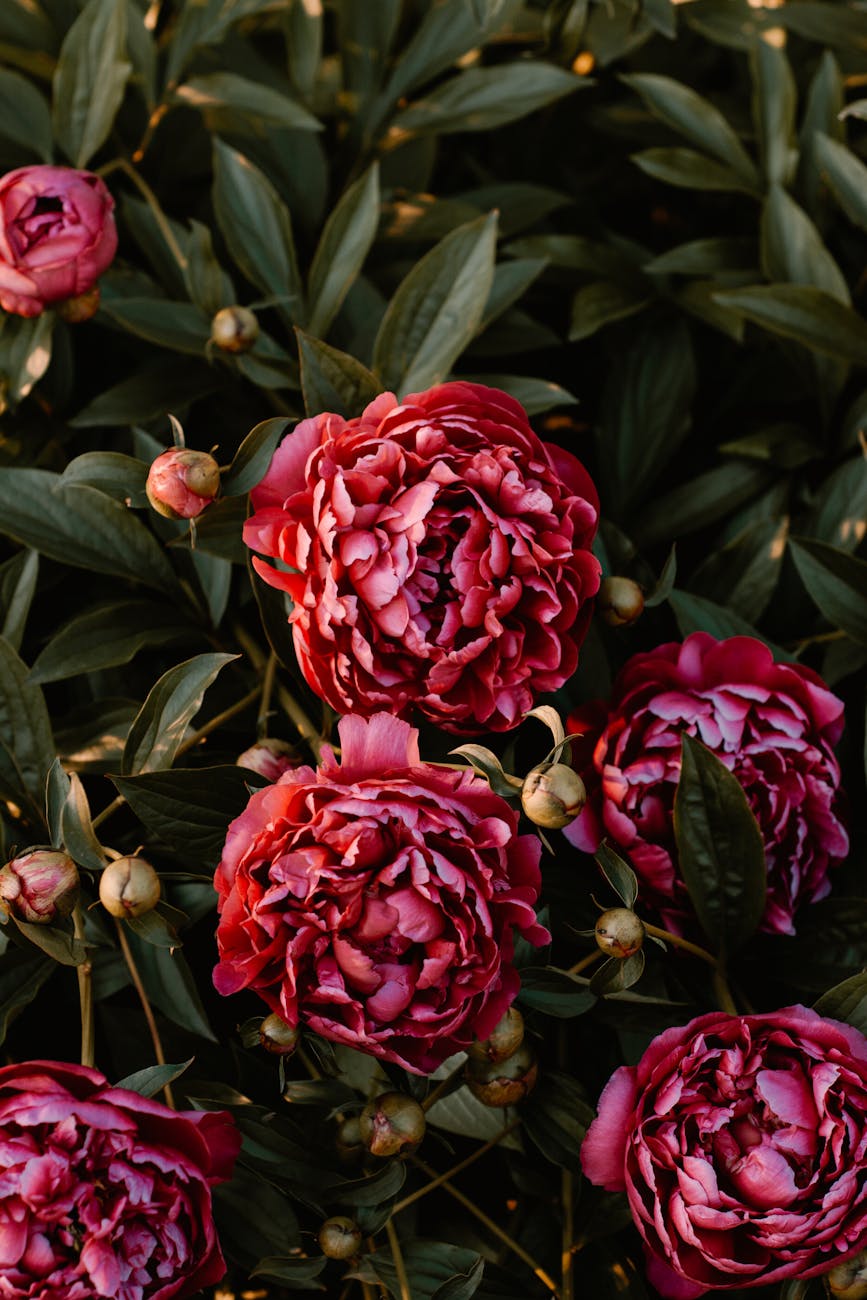
Peonies are tough plants revered for their stunning blooms and resilience in the garden, but achieving those picture-perfect flowers requires more than just planting and watering. One of the most crucial elements in peony care is selecting the right fertilizer. With a myriad of options available, it’s essential to understand the needs of these beloved flowering plants to ensure they thrive year after year. So lets look into the best fertilizer for Peony flowers!

Peony flowers bloom in late spring and early summer. This translates to around May and June in most temperate climates.
However, the exact flowering time can vary slightly depending on a few factors:
- Specific peony variety: There are early, midseason, and late-blooming peony varieties. If you know the particular type you have, you can research its exact bloom time.
- Local weather conditions: Warmer spring weather can trigger earlier blooms, whereas cooler springs might delay flowering by a week or two.
So, while late spring to early summer is the general timeframe, it’s always a good idea to keep an eye on your specific plants and local conditions to pinpoint the exact blooming time for your peonies.
Understanding Your Peony Plants
Before delving into fertilization, it’s important to grasp the basics of peony plants. There are three main types: herbaceous peonies, tree peonies, and intersectional peonies. Herbaceous peonies die back to the ground in winter. In contrast, tree peonies boast woody stems and intersectional peonies are a cross between the two. Each type has its own unique requirements and growth habits, influencing fertilizer choice and application.

Best Fertilizer for Peony Flowers
The best way to fertilize peonies is to look for an NPK ratio lower in nitrogen and higher in phosphorus and potassium.
- Nitrogen (N): Too much nitrogen can encourage excessive leafy growth at the expense of flowers. This can lead to floppy stems that may not be able to support the blooms.
- Phosphorus (P): Phosphorus is important for root development and flower formation. Peonies are heavy feeders of phosphorus, especially during the blooming stage.
- Potassium (K): Potassium helps with bud formation and overall plant strength, including stronger stems for those heavy peony blooms.
Here are some recommended NPK ratios for fertilizing peonies:
- 5-10-10: This is a widely recommended option that provides a good balance of nutrients for healthy peony growth and flowering.
- 3-4-5: This is another balanced option with a bit less nitrogen than the 5-10-10 ratio.
- Bone meal: This organic source of phosphorus is a natural way to boost flowering in peonies. You can sprinkle bone meal around the base of the peony plant in early spring.
Additional tips for fertilizing peonies:
- Time it right: The best time to fertilize peonies is in early spring, just as new growth emerges from the ground. Avoid fertilizing in late summer or late fall, as this can encourage new growth that won’t have time to harden off before winter.
- Slow and steady wins the race: Opt for slow-release fertilizers over quick-release ones. This helps ensure a steady supply of nutrients throughout the growing season without overwhelming the plant.
- Organic options: Organic fertilizers like compost or composted manure can also be beneficial for peonies. These provide nutrients while also improving soil health.

The Best Time for Fertilization
Early spring marks the beginning of the growing season and is the best time to kickstart your peony plants with the nutrients they need. As new growth emerges and flower buds form, providing the right fertilizer sets the stage for a season of healthy development and abundant blooms. Late spring is another critical period, supporting the continued growth and development of peony plants as they prepare to bloom.
Choosing the Right Fertilizer
When it comes to selecting the best fertilizer for peony flowers, several factors come into play. Organic fertilizers, such as compost and well-rotted manure, enrich the soil with essential nutrients while improving its structure and fertility. Slow-release fertilizers provide a steady supply of nutrients over time, promoting sustained growth and bloom production. Consider the NPK ratio of fertilizers, ensuring they provide the appropriate balance of nitrogen, phosphorus, and potassium for optimal peony health.
Organic Fertilizers vs Synthetic Fertilizers
Here’s the difference between organic and synthetic fertilizers to help you decide which might be right for your gardening needs:
Origin and Composition:
- Organic fertilizers: Derived from naturally occurring materials like animal manure, compost, plant residues, and rock powders. They often contain a wider range of nutrients in a less concentrated form but may take longer to release those nutrients to plants.
- Synthetic fertilizers: Manufactured through chemical processes. They provide concentrated, readily available nutrients in specific ratios, typically focusing on nitrogen (N), phosphorus (P), and potassium (K) – the big three on fertilizer labels (NPK ratio).
Impact on Soil Health:
- Organic fertilizers: Considered beneficial for soil health in the long run. As organic matter decomposes, it feeds the soil microbiome, promoting beneficial microbes and improving soil structure and drainage.
- Synthetic fertilizers: May not contribute as much to overall soil health in the long term. They can sometimes leave behind salt residues and disrupt the natural balance of soil microbes if overused.
Release of Nutrients:
- Organic fertilizers: Nutrients are released slowly over time as the organic matter decomposes. This can be a plus, as it reduces the risk of burning plants and provides a more consistent supply of nutrients.
- Synthetic fertilizers: Nutrients are readily available to plants, which can help address immediate deficiencies. However, if overused, they can leach out of the soil quickly, potentially harming the environment.
Choosing the right fertilizer depends on your priorities:
- Long-term soil health and promoting a natural ecosystem: Opt for organic material to fertilize your plants.
- Quick response to nutrient deficiencies or need for a specific NPK balance: Synthetic fertilizers can be a good choice.
- Balancing both: Consider using a combination of organic and synthetic fertilizers.
Additional factors to consider:
- Cost: Organic fertilizers are often more expensive per pound than synthetic fertilizers, but you may need to use them less frequently.
- Convenience: Synthetic fertilizers are typically easier to apply and measure.
- Gardening style: Organic gardening practices often favor organic fertilizers.
Ultimately, the best fertilizer is the one you’ll use consistently and effectively to keep your plants healthy and happy!

For peonies, granular fertilizers are generally considered the better choice compared to liquid fertilizers. Here’s why:
Nutrient Release:
- Granular Fertilizer: These are a slow-release fertilizer that releases nutrients slowly over time as they dissolve in water. This provides a steady supply of nutrients throughout the growing season, which is ideal for peonies. They require less frequent application compared to liquid fertilizers.
- Liquid: Liquid fertilizers release their nutrients quickly, which can be beneficial for addressing immediate deficiencies. However, for peonies, this quick release can be less efficient. The nutrients might leach out of the soil quickly before the plant can fully utilize them.
Feeding Needs of Peonies:
- Peonies are heavy feeders, especially during the blooming stage in late spring and early summer. They benefit from a consistent supply of phosphorus and potassium for strong roots and flower bud formation.
- Granular fertilizers with a lower nitrogen and higher phosphorus and potassium content (like 5-10-10 or 3-4-5 NPK ratio) meet these needs well with their slow release.
Other factors to consider:
- Convenience: Granular fertilizers are easier to store and apply compared to liquid fertilizers, which often require mixing and measuring.
- Environment: Overuse of liquid fertilizers can lead to nutrient runoff and potential harm to the environment. Granular fertilizers, with their slower release, are generally less prone to this issue.
However, liquid fertilizers can be a suitable option in some situations:
- Correcting a specific nutrient deficiency: If your peony is showing signs of a specific nutrient deficiency that needs to be addressed quickly, a liquid fertilizer with the missing nutrient can be helpful.
- Foliar feeding (optional): While not essential for peonies, some gardeners use diluted liquid fertilizers for foliar feeding, where the nutrients are absorbed directly through the leaves.
No matter which type you choose, always follow the application instructions on the fertilizer label to avoid over-fertilizing your peonies.
Application Techniques
Proper application of fertilizer is key to maximizing its effectiveness and minimizing the risk of overfeeding or burning delicate roots. Apply fertilizer at the base of the plant, avoiding direct contact with stems or foliage. Incorporating organic matter into the soil surface can also benefit peony plants, enhancing soil structure and moisture retention.
Additional Information
Doing a Regular soil test helps identify any deficiencies or imbalances in the soil, guiding fertilizer selection and application. Peonies thrive in well-drained soil with good drainage, making soil amendments such as perlite or sand beneficial for heavy or compacted soils. Mulching around peony plants helps conserve moisture, suppress weeds, and regulate soil temperature, creating an optimal environment for root development and bloom production.

Best types of Peonies to grow
Peonies are stunning flowers and come in various types, each with its unique charm. Here are some good choices to consider for your garden include:
- Herbaceous Peonies: These are the most common type, known for their large, showy flowers and strong fragrance. They die back to the ground in winter and regrow in spring.
- Tree Peonies: These woody shrubs produce large, elegant blooms and can live for decades, becoming more beautiful with age. They have a longer blooming period compared to herbaceous peonies.
- Intersectional (Itoh) Peonies: These are hybrids between herbaceous and tree peonies, combining the best traits of both. They have large, colorful flowers like tree peonies and strong stems like herbaceous peonies.
- Japanese Peonies: Known for their unique, bowl-shaped flowers, Japanese peonies come in a variety of colors and are prized for their beauty and elegance.
- Single and Semi-Double Peonies: These peonies have fewer petals than double-flowered varieties but are equally stunning. They often have a more delicate appearance and allow you to appreciate the intricate details of the flower.
When choosing peonies for your garden, consider factors such as your climate, soil type, and available space. It’s also a good idea to select a mix of early, mid, and late-blooming varieties to enjoy a longer peony season. Additionally, look for reputable nurseries or suppliers to ensure you get healthy, high-quality plants.
Common Peony Issues
Peonies are generally low-maintenance plants, but they can still face some challenges. Here are some of the common peony issues you might encounter:
Fungal Diseases:
- Botrytis blight: This fungal disease, also known as gray mold, thrives in cool, wet weather. It causes brown spots on leaves and stems, wilting, and rotting of buds. Good air circulation and avoiding overhead watering can help prevent it.
- Peony wilt: Another fungal disease that causes wilting stems, discolored leaves, and flower bud death. Removing and destroying infected plant parts and proper fall cleanup is important for prevention.
- Powdery mildew: This fungal disease appears as white powdery spots on leaves. While not usually fatal, it can weaken the plant. Ensuring good air circulation and using fungicides can help control it.
Pests:
- Thrips: These tiny insects feed on flower buds and leaves, causing distorted growth and silvery markings. Insecticidal soap or neem oil can be used to control them.
- Aphids: These small, soft-bodied insects suck sap from leaves and flower buds. They can be controlled with insecticidal soap or neem oil sprays.
- Japanese beetles: These metallic green beetles with coppery wing covers can munch on peony foliage. Handpicking or using traps can help control them.
Planting Problems:
- Improper planting depth: Peonies should be planted with the eyes (buds) no more than 1-2 inches below the soil surface. Planting them too deep can prevent flowering.
- Insufficient sunlight: Peonies need at least 6-8 hours of direct sunlight daily to flower abundantly. Planting them in too much shade can result in fewer blooms.
Other Issues:
- Flopping: The large peony blooms can cause the stems to bend over. Staking the plants early in the season can provide support.
- Bud rot: Cold spring weather can damage peony buds, causing them to turn black and not open. Planting late-blooming varieties or protecting buds from late frosts can help.

Ants on Peony plants
Finding ants on peony plants is a common occurrence, and it often prompts curiosity and concern among gardeners. However, the presence of ants on peony plants is not necessarily a cause for alarm. In fact, it’s typically a benign interaction that stems from the mutualistic relationship between ants and peonies.
Reasons for Ants on Peony Plants:
- Feeding on Sugary Substances: Peony buds produce a sweet, sticky substance called nectar, which attracts ants. This nectar serves as a food source for the ants, who feed on it as they forage around the plant. While the nectar is intended to attract pollinators like bees, ants often take advantage of this readily available food source as well.
- Protection from Predators: Ants are known to defend aphids and other sap-sucking insects from natural predators like ladybugs and lacewings. These predators can pose a threat to aphid colonies, which produce honeydew—a sugary substance that ants also feed on. By protecting aphids from predators, ants ensure a steady supply of honeydew, which benefits both the ants and the aphids.
- Seed Dispersal: Some peony species have seeds with elaiosomes—fleshy structures that attract ants. Ants are known to collect these seeds and carry them back to their nests, where they consume the elaiosomes and discard the seeds. This process helps to disperse the peony seeds and promote their germination in new locations.
More Posts you Maybe Interested in:
Should You Be Concerned?
While the presence of ants on peony plants is generally harmless, it can be a nuisance for some gardeners. Ants themselves do not harm peony plants—they do not eat the leaves or damage the flowers. However, if their presence becomes bothersome or if they are tending to aphid colonies that are damaging the plant, you may want to take action to manage the situation.
Managing Ants on Peony Plants:
- Physical Removal: If ants are congregating on your peony plants in large numbers, you can physically remove them by gently brushing them off or spraying them with a stream of water from a garden hose.
- Address Aphid Infestations: If ants are tending to aphid colonies on your peony plants, addressing the aphid infestation can help reduce ant activity. Use insecticidal soap or neem oil to control aphids and prevent them from damaging the plant.
By being aware of these common peony issues, you can take steps to prevent them or address them quickly if they arise. This will help ensure your peonies thrive and bring you years of enjoyment with their beautiful blooms.
Now let’s jump back to fertilizing Peony plants. When choosing the right fertilizer and applying it at the appropriate times, you can ensure your peony plants receive the nutrients they need to flourish. Whether you’re nurturing established peony bushes or planting new additions to your garden, understanding the needs of these beautiful flowering plants is the first step toward success. With proper care and attention, your peonies will reward you with years of stunning blooms and enjoyment.
Want More?
Houseplants are gorgeous living home decor. It is worthwhile learning how to properly care for them.
IF YOU LIKE THIS POST
You might also like these:
- How to properly water your houseplants
- Best soil to tropical houseplants
- Best Indoor Trailing Houseplants
We’d love to hang out with you on our social channels. You can subscribe to our blog and find us on Facebook, Youtube, Instagram and Pinterest! Feel free to reach out if you have any plant questions!
DISCLOSURE
This blog post may contain affiliate links. Which means if you click on a link and go on to buy the product I recommend, I may get a small commission at no extra cost to you.
Thank you for your support. It means the world to us!

The Thrifted Planter
Ciearra is a gardener and houseplant enthusiast of over 10 years! She has been growing indoors and outdoors. Supplying food for her family and beautifying her home with annuals, perennials and houseplants! Ciearra is passionate about sharing her knowledge of plant care with anyone who needs help or a quick plant growth tip! When she’s not blogging you can find her tending to her chickens, dogs and hanging out with her family
2 responses to “Best Fertilizer For Peony Flowers”
Leave a Reply

Nestera Chicken Coop

Park Seed
Garden Tower Project
Vego Garden Beds

Botanical Interests
Amazon Favorites!

Hoselink
Web Stories


[…] Best fertilizer for peony flowers […]
[…] Best Fertilizer for Peony Flowers […]