Is Swiss Chard a perennial?
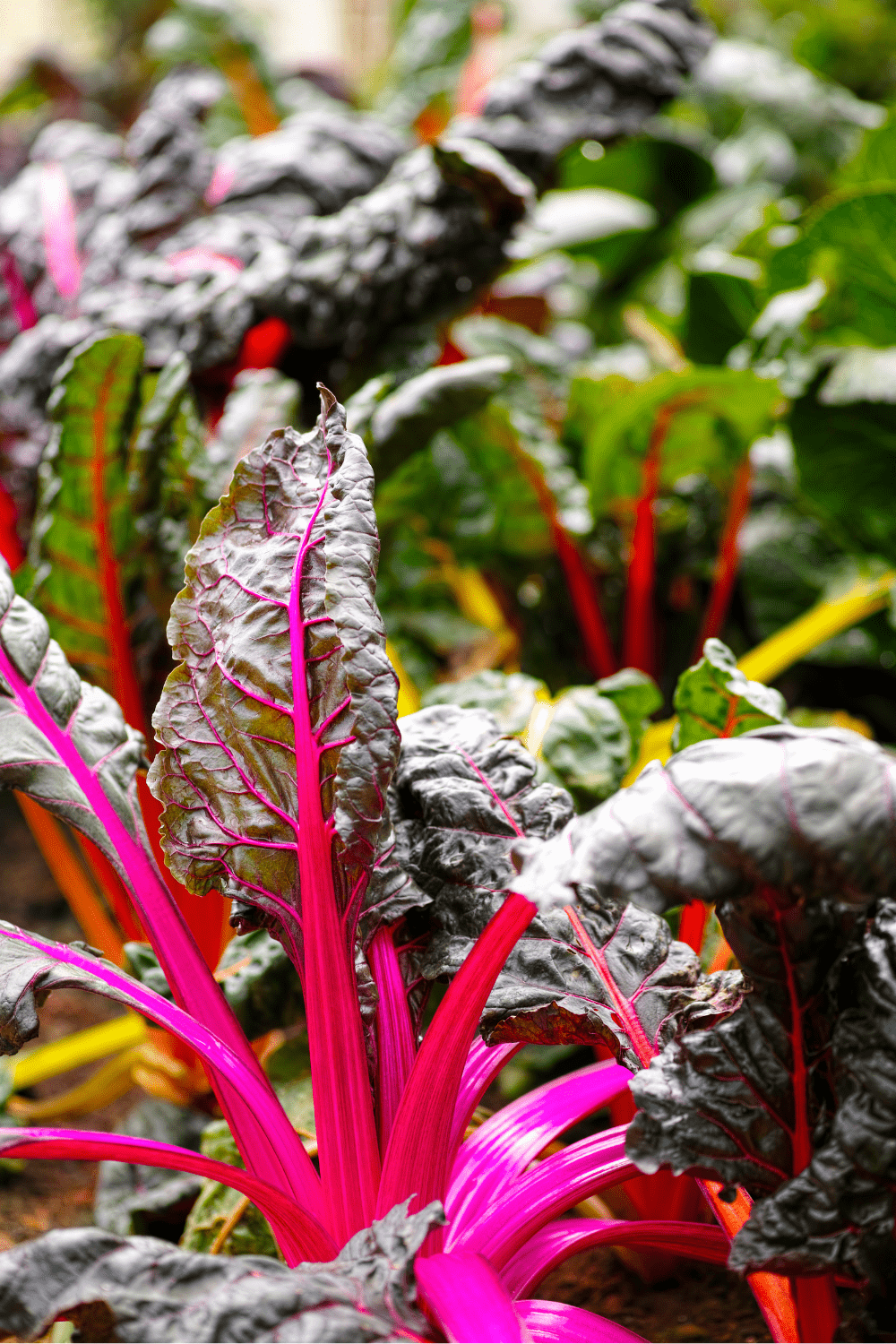
Swiss chard, with its vibrant leaves and colorful stems, is a leafy vegetable that has become a favorite in many home gardens. As gardening enthusiasts explore the possibilities of cultivating this nutritious vegetable, a common question arises: Is Swiss chard a perennial? Let’s delve into Swiss chard, exploring the growing season, ideal conditions, tips for a bountiful harvest and if Swiss Chard is a perennial.

Is Swiss Chard a Perennial?
Swiss chard is technically classified as a biennial, meaning its life cycle typically spans two years. However, depending on your climate and how you care for it, it can sometimes behave like a perennial, lasting for several years.
Here’s a breakdown:
- Typically: In its first year, Swiss chard focuses on vegetative growth, producing large leaves and storing energy in its roots. In the second year, it uses this stored energy to flower and set seeds, and then the plant dies.
- Possible perennial behavior: In milder climates with minimal frost, Swiss chard might not flower in its second year. If you overwinter the plant by protecting it from harsh freezes with mulch or a row cover, it may continue to produce leaves in the following spring and potentially even in subsequent years. However, the quality of the leaves might decline after the first year.

Here are some things to keep in mind if you want to try growing Swiss chard as a perennial:
- Climate: It’s more likely to succeed in warmer climates with mild winters.
- Overwintering: Provide protection from frost by mulching around the base of the plant or using a row cover in late fall.
- Harvesting: Harvest leaves sparingly during the second year, allowing the plant to conserve energy for continued growth.
- Replacement: Be prepared to sow new seeds every few years, even if the original plant survives, to ensure a consistent harvest.
Overall, while not strictly a perennial, Swiss chard can sometimes exhibit perennial-like behavior under favorable conditions. If you’re willing to experiment and provide winter protection, you might be able to extend its lifespan in your garden.

Understanding the Growing Season:
Swiss chard, scientifically known as Beta vulgaris subsp., is not a perennial but rather a biennial plant. Its life cycle spans two years, with the first year focused on vegetative growth and the second year on flowering and seed production. However, for those seeking a continuous harvest, Swiss chard is often treated as an annual, allowing for a steady supply of fresh leaves.
Optimal Growing Conditions:
To maximize the growth and productivity of Swiss chard, it’s crucial to provide the right conditions. Plant your Swiss chard seeds in early spring, in well-drained soil that receives full sun or partial shade. Good drainage is essential to prevent waterlogged roots, ensuring the plant thrives in moist but not soggy soil. Consider incorporating organic matter to enhance soil fertility.
Planting and Care Tips:
For a successful crop, sow Swiss chard seeds directly into the garden beds or containers. Thin plants as needed to allow for proper spacing, promoting air circulation and reducing the risk of disease problems. As the weather warms up in late spring and early summer, Swiss chard plants flourish, producing larger leaves that can be harvested continuously throughout the growing season.
Fertilizing Swiss Chard:
Properly fertilizing Swiss chard plants is essential for promoting healthy growth, vibrant leaves, and a bountiful harvest. Here’s a step-by-step guide on how to fertilize Swiss chard effectively:
- Soil Testing:
Begin by conducting a soil test to determine the nutrient levels in your garden soil. This will help you understand the specific needs of your Swiss chard plants and allow you to adjust the fertilizer accordingly. - Choose a Balanced Fertilizer:
Swiss chard generally benefits from a balanced fertilizer with equal or near-equal proportions of nitrogen (N), phosphorus (P), and potassium (K). A general-purpose granular fertilizer with a ratio of 10-10-10 or 14-14-14 is suitable. - Application Timing:
Fertilize Swiss chard at the right times during its growth cycle. Apply fertilizer when preparing the soil before planting, and then provide additional feedings during the growing season. - Initial Application Before Planting:
Incorporate a well-balanced, granular fertilizer into the soil before planting Swiss chard seeds or transplanting seedlings. Follow the recommended application rates on the fertilizer packaging. - Side-Dressing During Growth:
As Swiss chard grows, side-dress the plants with a balanced fertilizer when they are about 4-6 inches tall. Create a shallow trench or circle around the base of the plants, away from the stems, and apply the fertilizer. Water thoroughly to help nutrients reach the roots. - Frequency of Application:
Repeat side-dressing every 4-6 weeks throughout the growing season. However, avoid excessive fertilization, as overfeeding can lead to imbalances, burn the roots, and negatively impact the quality of the leaves. - Organic Options:
If you prefer organic fertilizers, consider using well-rotted compost or aged manure. Apply these organic amendments when preparing the soil and as a side-dressing during the growing season. - Mulching:
Mulch around Swiss chard plants with organic materials like straw or shredded leaves. Mulching helps conserve soil moisture, suppress weeds, and gradually release nutrients into the soil. - Watering After Fertilization:
Water the plants thoroughly after applying fertilizer to help dissolve the nutrients and ensure they reach the root zone. Consistent and even moisture is crucial for nutrient uptake. - Observation and Adjustments:
Monitor the health of your Swiss chard plants regularly. If you notice any signs of nutrient deficiencies, such as yellowing leaves, adjust your fertilization practices accordingly. Supplement with additional fertilizer if needed.

Remember that the specific needs of Swiss chard may vary based on your soil conditions and climate. Adjust your fertilization approach accordingly, and always follow the guidelines on the fertilizer packaging for the best results.

Harvesting and Pruning:
The best time to harvest Swiss chard is when the leaves are young and tender, making clean cuts near the base of the plant. Remove older leaves regularly to encourage new growth, ensuring a continuous harvest. Pruning outer leaves also helps prevent the build-up of disease and encourages the plant to focus energy on producing vibrant, nutritious inner leaves.
How to harvest using the cut-and-come-again method
The “cut and come again” method is an excellent way to harvest Swiss chard and other leafy greens while ensuring a continuous harvest throughout the growing season. Here’s a step-by-step guide on how to harvest Swiss chard using this method:
- Wait for Adequate Growth:
Allow your Swiss chard plants to reach a height of at least 6-8 inches before you begin harvesting. This ensures that the plants are mature enough to withstand the cutting process while promoting new growth. - Use Clean and Sharp Tools:
Ensure your pruning tools, such as scissors or gardening shears, are clean and sharp. Clean tools help prevent the spread of diseases, and sharp blades make clean cuts that promote faster regrowth. - Select Outer Leaves:
Identify the outer leaves of the Swiss chard plant. These are the oldest leaves and are typically larger than the inner leaves. Select leaves that are mature but not overly old, as very mature leaves may be tough. - Cut at the Base:
Use your scissors or shears to cut the selected leaves at the base of the plant, right above the soil level. Make clean cuts, and avoid damaging the growing point (the central part of the plant where new leaves emerge). - Leave Inner Leaves Intact:
Ensure you leave the inner leaves and the growing point untouched. These younger leaves will continue to grow, providing you with a continuous supply of fresh Swiss chard. - Regular Harvesting:
Continue harvesting the outer leaves regularly as they reach the desired size. Harvesting every few weeks, depending on the growth rate, encourages the plant to produce more leaves. - Avoid Harvesting Too Much at Once:
To maintain the health of the Swiss chard plant, avoid harvesting more than one-third of the leaves at a time. This ensures that the plant has enough foliage to photosynthesize and produce energy for ongoing growth. - Harvest Before Bolting:
Swiss chard is a biennial, and in the second year, it may bolt and produce flowers. Harvest the leaves regularly to prevent the plant from putting too much energy into flowering and seed production. The leaves are generally most tender before bolting. - Inspect for Pests and Diseases:
While harvesting, inspect the leaves for any signs of pests or diseases. Remove any damaged or infested leaves promptly to prevent the spread of issues to healthy parts of the plant. - Fertilize and Water:
To support continuous growth and regeneration, provide regular fertilization and maintain consistent soil moisture. This ensures that the Swiss chard plants have the nutrients they need for robust new growth.
When following the “cut and come again” method, you can enjoy a prolonged harvest of fresh, tender Swiss chard leaves throughout the growing season. This approach maximizes the productivity of your plants and allows you to savor the delicious and nutritious qualities of Swiss chard in your culinary creations.

Can you eat Swiss Chard Roots?
Swiss chard is primarily grown and consumed for its vibrant and nutritious leaves. While the leaves are the main edible part of the plant, they also have edible roots. The roots are typically not consumed in the same way as root vegetables like carrots or beets. In fact, Swiss chard roots are generally smaller and less flavorful compared to other root vegetables.
If you’re interested in minimizing waste and exploring the potential use of Swiss chard roots, here are a few ideas:
- Young Roots in Salads:
When Swiss chard plants are young, the roots can be tender. Clean and peel the roots, then slice them thinly. You can add these young roots to salads for a crunchy texture. They have a mild flavor that won’t overpower the salad. - Pickling:
Pickling is a method that can enhance the flavor and extend the usability of various vegetables. Try pickling Swiss chard roots by combining them with vinegar, water, sugar, and your choice of spices. Let them soak in the brine for a few days before enjoying it as a tangy condiment. - Soups and Stews:
If you have a surplus of Swiss chard roots, you can experiment by adding them to soups or stews. Cut them into small pieces and cook them along with other root vegetables. The cooking process may help mellow the flavor. - Sauteed or Roasted:
Saute or roast Swiss chard roots with olive oil, garlic, and your favorite herbs. While this won’t make them the star of the dish, it can add a unique texture and a hint of flavor. Be mindful not to overcook, as they may become too soft. - Experiment in the Kitchen:
Feel free to experiment with Swiss chard roots in the kitchen. Since they are not commonly used, you can get creative and try incorporating them into various recipes to see what works best for your taste preferences.
It’s important to note that Swiss chard roots may have a slightly bitter taste compared to the leaves, so consider cooking or preparing them in ways that complement or balance this flavor. Additionally, if you find the roots tough or unpalatable, it’s perfectly fine to focus on enjoying the delicious and nutritious leaves that Swiss chard is renowned for.

Dealing with Pests and Diseases:
Swiss chard is generally a hardy plant, but it can face challenges such as flea beetles and downy mildew. Combat these issues by employing insecticidal soaps for pests and ensuring good air circulation to prevent mildew. Companion planting with other vegetables, such as tomatoes and beans, can also help deter pests.
Overwintering and Beyond:
While Swiss chard is not a perennial in the traditional sense, it can withstand light frosts and continue to produce well into late fall. In colder climates, consider using a cold frame or covering the plants during colder spells to extend the growing season. In warmer regions, Swiss chard may persist through winter, providing a delightful addition to winter gardens.

Top Varieties Of Swiss Chard You Can Grow!
Swiss chard, with its colorful stems and nutritious leaves, comes in various varieties, each offering unique flavors and visual appeal. Here are some top varieties of Swiss chard that you might consider growing in your garden:
Bright Lights:
- Features: Perhaps the most popular and visually striking variety, Bright Lights Swiss chard comes in a mix of vibrant colors, including red, orange, pink, yellow, and white. The stems and veins are the main source of this kaleidoscope of colors.
- Use: This variety not only adds beauty to your garden but also brings a burst of color to your culinary creations.
Ruby Red/Rhubarb Chard:
- Features: Ruby Red Swiss chard is known for its deep red stems and veins. The dark green leaves provide a lovely contrast to the rich red color.
- Use: The intense coloration of Ruby Red Swiss chard makes it an attractive addition to salads and various dishes, offering both visual appeal and nutritional benefits.
Fordhook Giant:
- Features: Fordhook Giant Swiss chard is recognized for its large, broad leaves and white stems. It has a milder flavor compared to some other varieties.
- Use: This variety is versatile and can be used in a variety of dishes, from sautés to soups.
Rainbow Chard:
- Features: Similar to Bright Lights, Rainbow Chard boasts a mix of colorful stems and veins. The combination of red, orange, yellow, and pink creates a visually stunning effect.
- Use: Use Rainbow Chard in salads, stir-fries, or simply as a colorful garnish to elevate the presentation of your dishes.

Lucullus:
- Features: Lucullus Swiss chard is known for its broad, dark green leaves and white stems. It is a reliable and high-yielding variety.
- Use: Lucullus is versatile in the kitchen and can be used in a variety of cooked and raw dishes.
Argentata:
- Features: Argentata Swiss chard is characterized by its long, narrow, silver-green leaves. The stems are often white or pale green.
- Use: This variety is well-suited for cooking and works particularly well in Mediterranean and Italian dishes.
Peppermint Stick:
- Features: Peppermint Stick Swiss chard has vibrant pink and white-striped stems, resembling a peppermint candy. The leaves are dark green.
- Use: The attractive appearance of Peppermint Stick makes it an excellent choice for garnishing salads or as a decorative element in your garden.
When choosing Swiss chard varieties, consider factors such as flavor preferences, culinary uses, and the visual impact you desire in your garden. These top varieties offer a range of options to suit different tastes and preferences.
Swiss chard, with its versatile and nutritious leaves, is a fantastic choice for any vegetable garden. While not a true perennial, treating it as an annual allows for a continuous harvest throughout the growing season. By providing the right growing conditions, maintaining good plant care practices, and overcoming potential challenges, you can enjoy the vibrant hues and wholesome flavors of Swiss chard from early spring to late fall. So, whether you’re a seasoned gardener or just starting, consider making Swiss chard a staple in your garden for a year-round feast of leafy greens!
More Posts you Might be Interested In!
- Cold Stratify your Seeds for Better Germination
- How to Grow Sweet Potatoes in your Home Garden
- Where to place a compost bin
One response to “Is Swiss Chard a perennial?”
Leave a Reply

Nestera Chicken Coop

Park Seed
Garden Tower Project
Vego Garden Beds

Botanical Interests
Amazon Favorites!

Hoselink
Web Stories


[…] Is Swiss Chard a Perennial? […]