How to Grow Peperomia Raindrop Plant | Care Guide
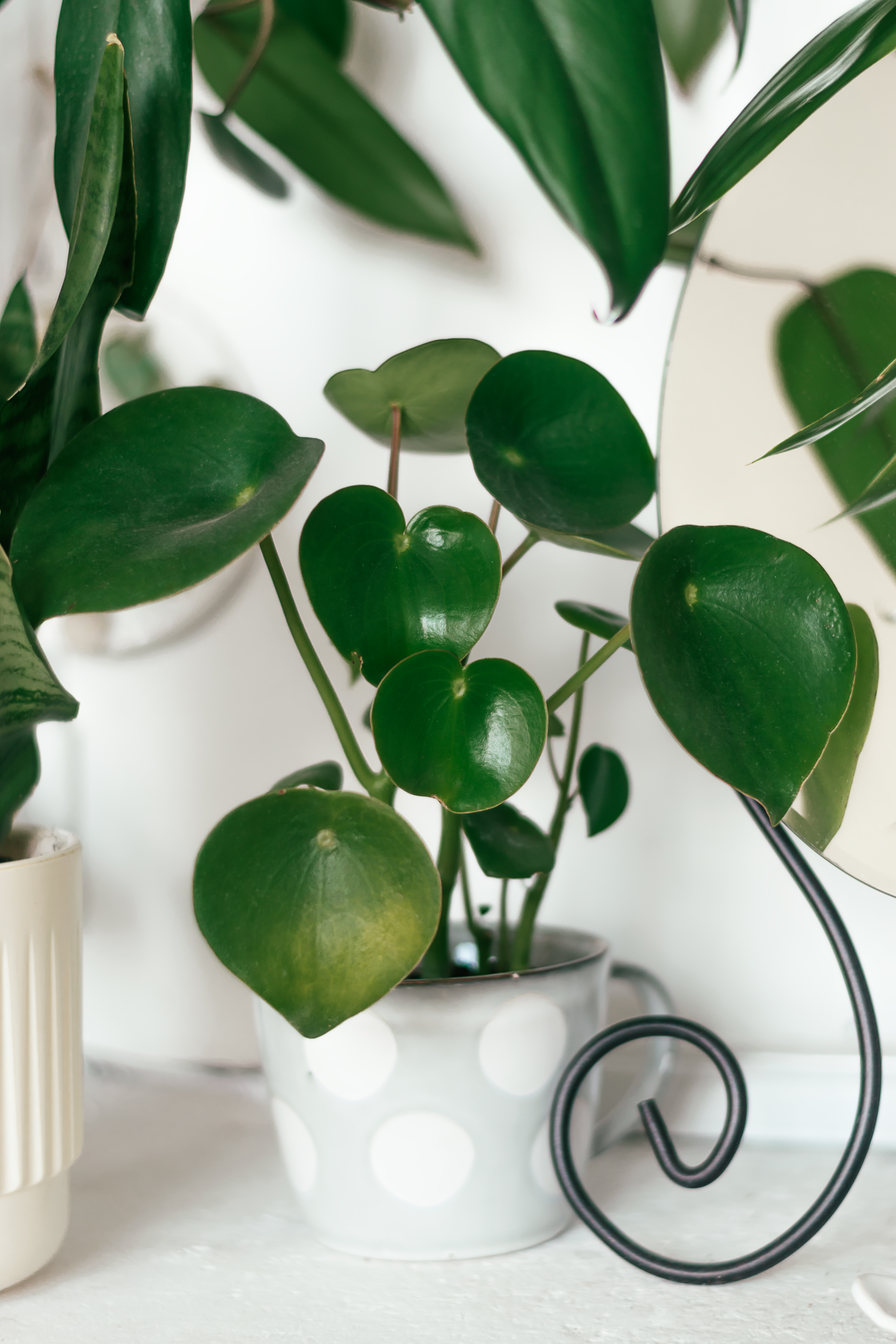
The Peperomia Raindrop plant, scientifically known as Peperomia Polybotrya Raindrop, is a popular indoor plant cherished for its attractive foliage and easy care requirements. Belonging to the Piperaceae family, this species is native to South America, where it thrives in the warm and humid climates of the rainforests, growing along the jungle floor. Its common name, “Raindrop,” is derived from the distinctive shape of its leaves, resembling water droplets, making it a unique and visually appealing addition to any indoor plant collection. Let’s learn more about Peperomia Raindrop Plant Care!

One of the key features of the Peperomia Raindrop is its compact form which is often described as bushy. Typically reaching a height of 12 to 18 inches, this plant has thick, succulent stems that give it a robust and sturdy appearance. The leaves are the highlight of the Raindrop, showcasing a teardrop or raindrop shape, with shiny leaves and textures that add to its overall charm. The foliage is often a vibrant shade of green, and some varieties may exhibit subtle variegation or unique patterns, enhancing its aesthetic appeal. It is a great choice for small spaces that need a pop of green!
Peperomia Raindrop plant care is relatively straightforward, making it an ideal choice for both novice and experienced plant enthusiasts. This plant thrives in indirect light conditions, making it suitable for indoor spaces with filtered sunlight. It is essential to avoid exposing the Raindrop to direct sunlight for extended periods, as this can lead to leaf burn. Additionally, maintaining a consistent watering routine is crucial. The soil should be kept evenly moist but not waterlogged, and allowing the top inch of the soil to dry out between watering’s is recommended. We will go into more detail later!
One of the reasons the Peperomia Raindrop is a favorite tropical plant among plant lovers is its adaptability to different environments. It can tolerate a range of humidity levels, making it well-suited for indoor settings where humidity may vary. Furthermore, this plant is relatively resistant to pests and diseases, contributing to its reputation as a low-maintenance and hardy houseplant.

Peperomia Raindrop Plant Care
Appearance and Features:
The most striking feature of the Peperomia Raindrop is, of course, its thick leaves. Shaped like raindrops, these lush, glossy leaves have a unique texture and an appealing deep green color. The leaves are fleshy and succulent, adding a touch of elegance to the overall appearance of the plant. The compact growth habit of the Peperomia Raindrop makes it well-suited for various settings, from desktops to shelves and hanging planters.
Fertilizing Peperomia Raindrop:
Here’s how to fertilize your Raindrop Peperomia:
Frequency:
- Spring and Summer: Once a month during the active growing season.
- Fall and Winter Months: Cut back on fertilizing. You can use a very diluted mix of fertilizer once a month.
Type of fertilizer:
- Choose a balanced fertilizer with an NPK ratio close to 10-10-10.
- You can also use a fertilizer specifically formulated for houseplants.
- Organic options like compost tea or diluted fish emulsion are also suitable.
Application:
- Always dilute the fertilizer to half the recommended strength. This is especially important for Raindrop Peperomias, as they are sensitive to fertilizer salts.
- Water your plant thoroughly before applying fertilizer. This helps prevent root burn.
- Apply the diluted fertilizer solution to the soil surface. Avoid getting it on the leaves.
- After fertilizing, water your plant again to flush the fertilizer through the soil.
Additional tips:
- Don’t fertilize your Raindrop Peperomia if it is stressed, such as from being underwatered or overwatered.
- If you see signs of fertilizer burn, such as browning or curling leaves, flush the soil with clear water.
- Repotting your Raindrop Peperomia in fresh potting mix once a year will provide it with the nutrients it needs and reduce the need for fertilizer.
Here are some specific things to keep in mind for Raindrop Peperomias:
- Less is more: It’s better to under-fertilize than to over-fertilize. Too much fertilizer can damage the roots and stunt growth.
- Watch for signs of over-fertilization: If you see a white crust on the soil surface, it’s a sign that fertilizer salts are accumulating. Flush the soil with clear water to remove them.
- Don’t fertilize new plants: Wait until your Raindrop Peperomia has been in its new pot for at least a month before fertilizing it.

Light Requirements:
One of the reasons the Peperomia Raindrop is an excellent choice for indoor gardening is its adaptable light preferences. While it thrives in bright light (some direct sun), or bright indirect light (no direct sun on foliage) it can also tolerate low light conditions. Avoiding direct sunlight is crucial, as prolonged exposure can scorch the leaves. Placing the plant near a window with filtered sunlight or in a well-lit room ensures optimal growth. If your home lacks adequate light you can supplement it with a grow light.
Watering Needs:
Like many Peperomia varieties, the Raindrop has specific watering requirements. It prefers slightly moist soil but can withstand short periods of drought. Overwatering is a common pitfall, so allowing the top inch of soil to dry out before the next watering is advisable. The use of a well-draining potting mix helps prevent waterlogged conditions, promoting a healthy root system.
Soil and Potting:
Choosing the right soil mix is essential for the Peperomia Raindrop’s well-being. A lightweight, well-aerated mix that provides good drainage but also retains some soil moisture is ideal. You want to aim for a Repotting should be done when the plant outgrows its current container, ensuring ample space for root development. Selecting a pot with drainage holes aids in preventing water accumulation at the root level.

Soil Mix:
The best soil for your Raindrop Peperomia should be well-draining, aerated, and retain some moisture.
Here are some good options for peperomia plant’s soil:
Commercial mixes:
- African Violet soil mix: This is a readily available option that meets most Raindrop Peperomia’s needs, as their requirements are similar to African Violets.
- Cactus and succulent mix: This mix is already well-draining, but you may want to add some perlite or coco coir for extra aeration and moisture retention.
DIY mixes:
- 50% perlite, 50% peat moss: This is a classic, well-draining mix that provides good aeration.
- 1 part perlite, 1 part coco coir, 2 parts potting mix: This mix offers good drainage, aeration, and moisture retention.
- Equal parts orchid bark, perlite, and worm castings: This airy mix is perfect for experienced growers who want to optimize drainage and provide nutrients.
Additional tips:
- No matter which mix you choose, make sure it has drainage holes in the pot.
- You can test the drainage by pouring water through the pot and making sure it drains quickly.
- If you’re repotting your Raindrop Peperomia, choose a pot that is only slightly larger than the root ball.
- Avoid using soil that is too heavy or dense, as this can lead to root rot.

Temperature and Humidity:
The Peperomia Raindrop thrives in average room temperatures, making it well-suited for indoor environments. While it can tolerate slightly cooler temperatures, it is essential to protect the plant from drafts and temperature extremes. Maintaining moderate to high humidity levels, especially during dry seasons, contributes to the plant’s overall health and vitality.
Maintenance and Pruning:
Keeping the Peperomia Raindrop in a compact, bushy form involves occasional pruning. Removing yellow or damaged leaves, as well as leggy stems, helps maintain the plant’s aesthetic appeal. The trimmed portions can be used for propagation, allowing you to expand your Peperomia Raindrop family or share it with fellow plant enthusiasts.
Pests and Common Issues
Here are some common issues and pests to watch out for:
Pests:
- Mealy bugs: These white, cottony insects love to hide in leaf axils and suck the sap from your plant. Look for wilting leaves and sticky honeydew, a sign of their presence. You can remove them with a cotton swab dipped in rubbing alcohol or use insecticidal soap.
- Spider mites: These tiny mites are hard to see with the naked eye, but you can spot their damage – yellow stippling on the leaves and fine webbing. Increase humidity around your plant and try a strong blast of water from the shower. Insecticidal soap or neem oil can also be effective.
- Aphids: These small, green sap-suckers can cause leaves to curl and become distorted. Treat them with insecticidal soap or neem oil.
Diseases:
- Root rot: This fungal disease thrives in overwatered soil. Symptoms include yellowing leaves, wilting, and mushy roots. If you suspect root rot, repot your plant in fresh, well-draining soil after removing the rotten roots.
- Leaf spot: This can be caused by fungus or bacteria and appears as brown, black, or yellow spots on the leaves. Improve air circulation and remove infected leaves. An antifungal spray may be helpful in severe cases.
Other issues:
- Overwatering: This is the most common problem with Raindrop Peperomias. Let the soil dry out almost completely between watering’s and avoid getting water on the leaves.
- Underwatering: While less common, underwatering can cause the leaves to wilt and become dry and crispy. Water your plant when the top inch of soil feels dry.
- Lack of light: Raindrop Peperomias prefer bright, indirect light. Too little light can make the leaves lose their color and become stretched out.
- Fertilizer burn: Be careful not to overfertilize your plant, as this can damage the roots and scorch the leaves. Use a diluted fertilizer according to the package instructions.
Prevention is key:
- Provide your Raindrop Peperomia with the right amount of light, water, and fertilizer.
- Maintain good air circulation around the plant.
- Inspect your plant regularly for pests and diseases.
- Quarantine any new plants before bringing them near your other houseplants.

How to propagate Raindrop Peperomia in water:
Propagating Peperomia Raindrop in water is an alternative method that can be quite successful. Propagating is a great way to make more raindrop peperomia plants for your home.
Here’s a step-by-step guide on how to propagate Peperomia Raindrop cuttings in water:
Materials Needed:
1. Peperomia Raindrop plant
2. Clean, sharp scissors or pruning shears
3. Glass or jar
4. Distilled or tap water
5. Optional: Rooting hormone
Propagation Steps:
1. Select a Healthy Parent Plant:
Choose a healthy and mature Peperomia Raindrop plant as the mother plant. Make sure it is free from pests and diseases.
2. Prepare the Cutting:
Use clean, sharp scissors or pruning shears to take a stem cutting. Aim for a cutting that is 4-6 inches long and has several leaves. Cut just below a leaf node.
3. Remove Lower Leaves:
Trim away the lower leaves from the cutting, leaving a few leaves at the top. This helps reduce moisture loss and encourages root development.
4. Optional: Apply Rooting Hormone:
While not strictly necessary, applying rooting hormone to the cut end of the stem can enhance the chances of successful rooting. Dip the cut end into rooting hormone powder or gel.
5. Place the Cutting in a jar of Water:
Fill a glass or jar with distilled or tap water. Submerge the cut end of the Peperomia Raindrop cutting in the water, ensuring that the nodes where the leaves were removed are submerged.
6. Change the Water Regularly:
To prevent the growth of bacteria and ensure a healthy environment for root development, change the water every few days. Use room temperature water.
7. Provide Indirect Light:
Place the glass or jar with the cutting in a location with a light source like a bright window light. Avoid direct sunlight, as too much light can be too intense for the developing roots. A bright spot near a window is ideal.
8. Monitor and Wait:
Keep an eye on the cutting as it develops roots in water. Root development typically takes a few weeks. Once the roots are a few inches long and appear healthy, the cutting is ready for planting in soil.
9. Plant in Soil:
Gently remove the cutting from the water and transplant it into a small container with well-draining potting mix. Plant the cutting at a depth where the roots are covered and the remaining stem with leaves is above the soil.
10.Water and Care:
Water the newly planted cutting and place it in a location with indirect light. Continue to care for it as you would for a mature Peperomia Raindrop plant and soon you will see new leaves on your plants!
To read a FULL Raindrop Peperomia Propagation Guide Check out this post!

The Peperomia Raindrop plant is a beautiful and easy going plant to grow and a great addition to your houseplant collection. Its low maintenance with a unique appearance, adaptability to various light conditions, and straightforward maintenance make it an excellent choice for both beginners and experienced plant parents. Whether placed on a sunny windowsill or in a cozy corner, the Peperomia Raindrop adds a touch of nature’s beauty to indoor spaces, bringing joy and tranquility to those who appreciate its charm.
More Posts you may be interested in!
- Can you plant Succulents in rocks? How to make a rock garden
- How to Propagate Watermelon Peperomia
- Painted Lady Plant Care

Nestera Chicken Coop

Park Seed
Garden Tower Project
Vego Garden Beds

Botanical Interests
Amazon Favorites!

Hoselink
Web Stories


