The Most Stunning Succulents with Purple Tips
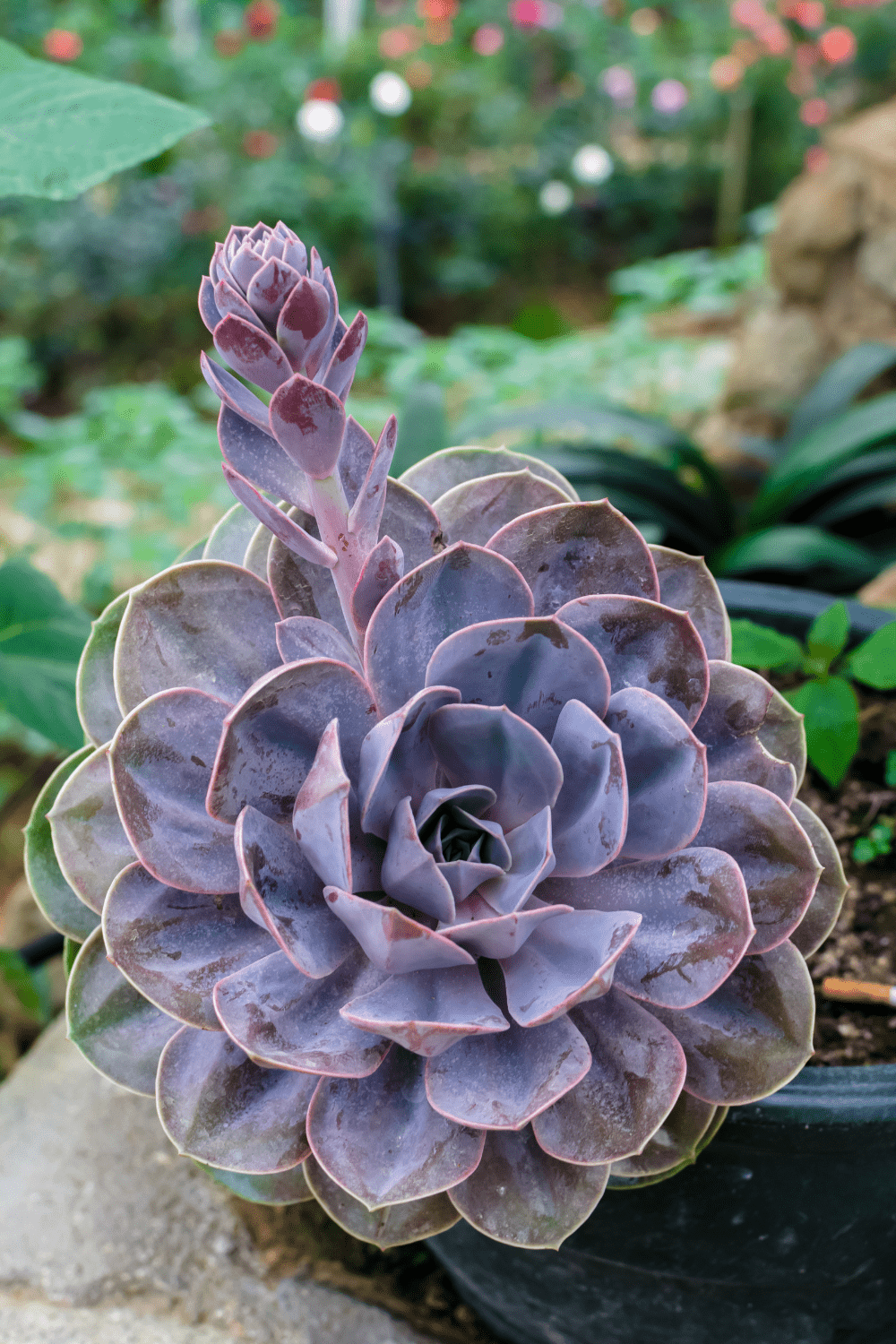
Succulents, with their unique appearance and plump, water-storing fleshy leaves and the endless variety of shapes and colors, have captivated gardeners and interior design enthusiasts alike. These fascinating plants add a touch of whimsy and resilience to any space, thriving in both arid climates, indoor and outdoor rock gardens, and urban apartments. Purple succulent plants are loved for their purple color foliage that often gets deeper in color when exposed to more light. We will share with you the best succulents with purple tips and how to grow them in your home. But what exactly are these leafy wonders, and how can you ensure they flourish under your care?

Succulents with Purple Tips
The intensity of purple coloring in succulents can vary based on factors like sunlight exposure, temperature, and the overall health of the plant. Providing adequate sunlight and proper care will help these succulents maintain their vibrant and eye-catching purple tips. Purple succulents add a touch of drama and intrigue to any garden or indoor space. Their vibrant shades range from powdery lavender to deep, almost black hues, making them stand out from their green counterparts. Here are some of the most popular succulents with purple tips and leaves to consider:
Kalanchoe:
- Kalanchoe luciae (Flapjack or Paddle Plant): The leaves of this succulent are paddle-shaped and take on a reddish-purple hue, particularly during periods of stress or when exposed to bright sunlight.

Echeveria:
- Echeveria ‘Black Prince’: This classic choice boasts deep purple leaves that are almost black with a powdery coating. It’s relatively easy to care for and thrives in bright, indirect light.
- Echeveria ‘Perle von Nurnberg’: This hybrid sports stunning rosettes with a gradient of lavender, pink, and gray. It requires well-draining soil and bright light.
- Echeveria ‘Cubic Frost’: This striking succulent features frosted lavender leaves with pointed tips. It grows in compact rosettes and prefers lots of sunlight.
- Echeveria agavoides ‘Lipstick:’ characterized by its triangular, pointed leaves that display a mix of green and red tones, with purple edges adding to its charm.
- Echeveria ‘Lola’: ‘Lola’ is known for its rosettes with pastel hues and purple edges. The leaves have a powdery coating, giving them a soft appearance.

Graptopetalum:
- Graptopetalum ‘Superbum’: This beauty showcases large, fleshy rosettes in shades of lavender and purple with a powdery sheen. It thrives in well-draining soil and bright light.
- Graptopetalum ‘Purple Delight’: True to its name, this succulent offers stunning rosettes with vibrant purple leaves and frosty edges. It needs good drainage and bright, indirect light.
- Graptopetalum paraguayense (Ghost Plant): The Ghost Plant has rosettes with grayish-green leaves that take on shades of purple or pink at the tips when exposed to sunlight. It has a delicate, ghostly appearance.

Aeonium:
- Aeonium Arboreum ‘Zwartkop’: This shrubby succulent boasts deep purple, almost black rosettes with a waxy finish. It tolerates full sun and well-draining soil.
- Aeonium Arboreum ‘Black Rose’: Another stunner, this variety features cascading rosettes with dark purple leaves and reddish edges. It thrives in bright light and well-draining soil.
- Aeonium ‘Kiwi:’ ‘Kiwi’ features colorful rosettes with green, cream, and pink tones. Under certain conditions, the tips may take on shades of purple, enhancing its overall appeal.
- Aeonium arboreum ‘Zwartkop’ (Black Rose): Also known as Black Rose, this succulent has dark burgundy to black rosettes. The color is most intense at the tips, creating a striking contrast.

Sempervivum:
- Sempervivum Heuffelii ‘Notah’: This hardy succulent forms clusters of rosettes with lavender-purple leaves edged in green. It’s frost-tolerant and prefers full sun and well-draining soil.
- Sempervivum Heuffelii ‘Lilac Mist’: This charming variety forms mounds of rosettes with powdery lilac-purple leaves. It’s cold-hardy and enjoys full sun and well-draining soil.
Other Notable Mentions:
- Sedeveria ‘Lilac Mist’: This hybrid offers a unique blend of lavender, green, and pink in its rosettes. It needs good drainage and bright, indirect light.
- Graptoveria ‘Debbie’: This succulent boasts rosettes with plump, lavender-purple leaves and reddish edges. It thrives in well-draining soil and bright light.
- Pachyphytum Oviferum ‘Moonstones’: This chubby succulent showcases powdery lavender-gray leaves with a pearly sheen. It prefers well-draining soil and bright, indirect light.
- Echeveria Purple Pearl:
- Lithops Optica:
- Sedum ‘Purple Emperor’: This sedum variety has deep purple foliage, especially at the tips. The color intensifies in full sunlight. ‘Purple Emperor’ is a low-growing sedum with a spreading habit.
- Graptoveria ‘Debbie’: ‘Debbie’ is a hybrid succulent with rosettes that have blue-green leaves and vivid purple tips. It is a visually appealing and resilient plant.
Remember, these are just a few of the many beautiful purple succulents available. Do your research and explore different varieties to find the perfect ones for your taste and growing conditions.
Succulents are very trendy, low-maintenance plants that come in a variety of shapes, sizes, and colors. They’re perfect for beginner plant owners or anyone who wants to add a touch of nature and a pop of color to their home or succulent garden.

How to care for succulents:
Sunlight:
Succulents with purple tips need plenty of bright light to bring out more purple coloring. It’s the stress from the intense lighting that causes most of the strong coloring. Aim for at least 4-6 hours of full sun per day. However, too much direct sunlight can scorch their leaves so ease them into high light situations as appose to just throwing them in without a transition period. Too little light can make them leggy and weak. If you lack enough light in your home you can add in grow lights directly above your plants.
The goal is to find that sweet spot between bright enough for healthy growth and not too intense to avoid scorching.
What to consider:
Light Intensity:
- Ideal range: Most succulents prefer bright, indirect sunlight for around 4-6 hours per day. This mimics their natural desert habitat.
- Direct sun: Some varieties like Aeoniums and Echeverias can tolerate short bursts of direct sun in the morning or evening, but too much can cause sunburn and scorching.
- Low light: Some shade-tolerant succulents like Haworthias and Gasterias can manage in lower light conditions, but they may grow leggy and lose their vibrant colors.
- Full spectrum: Look for lights with a color temperature between 3,000K and 6,000K. This range provides a good balance of blue and red light, essential for photosynthesis and compact growth.
- Cooler vs. warmer: Cooler white light (5,000K-6,000K) promotes foliage growth, while warmer light (3,000K-4,000K) encourages blooming.
Types of Lighting:
- Natural light: Prioritize windows facing south or west for maximum sunlight. Rotate your succulents regularly for even growth.
- Grow lights: If natural light is limited, consider supplementing with LED grow lights. Choose full-spectrum bulbs and position them 6-12 inches above the plants.
Additional Tips:
- Observe your succulents: Pay attention to their color, growth patterns, and any signs of stress like stretching or sunburn. Adjust the lighting accordingly.
- Seasonal changes: In winter, when days are shorter, provide additional lighting if they start to etiolate (grow leggy).
- Light intensity meters: These handy tools can help you measure light levels and ensure your succulents are getting the right amount.
Remember, every succulent is unique, and their light needs can vary depending on the species and the environment.
Related Posts you Might be Interested in:

Watering:
The “Soak and Dry” Method:
This is the best way to water succulents. It mimics their natural environment and prevents overwatering, which is the most common mistake people make with these plants.
- Check the soil: Stick your finger into the soil about an inch deep. If it feels completely dry, it’s time to water. If it’s still slightly damp, wait a few days before checking again.
- Water deeply: When you do water, soak the soil thoroughly until water runs out of the drainage holes. This ensures the roots get a good drink and the excess water doesn’t sit around the roots.
- Let the soil dry completely: This is the most important part! Don’t water again until the soil is completely dry to the touch, even all the way down in the pot. This may take several days or even weeks, depending on the size of the pot, the type of soil, and the climate.
Additional Tips:
- Use well-draining soil: This is essential for preventing waterlogging. A cactus or succulent mix is a good option. You can also add perlite or sand to your potting mix to improve drainage.
- Water at the base: Avoid getting water on the leaves, as this can cause rot.
- Don’t water on a schedule: The frequency of watering will vary depending on the factors mentioned above. Stick to the “soak and dry” method and your succulent will tell you when it needs water.
- Adjust for the season: Succulents need less water in the winter when they are dormant.
- Consider the pot size: Smaller pots dry out faster than larger ones, so you’ll need to water them more often.
Signs of overwatering:
- Mushy or soft leaves
- Wrinkled leaves (sometimes mistaken for underwatering)
- Discolored leaves
- Leaves falling off
- Rotting at the base of the stem
If you notice any of these signs, stop watering immediately and allow the soil to dry completely before watering again. You may also need to repot the succulent in fresh, well-draining soil.

Potting:
The best pot for your succulents depends on a few factors, but the two most important are drainage and material. Here’s a breakdown of the top contenders:
Drainage:
- Absolutely essential: Succulents hate sitting in water, so good drainage is crucial to prevent root rot. Look for pots with drainage holes in the bottom.
- Bonus points: Some pots come with saucers underneath to catch excess water. While convenient, make sure you empty the saucer regularly to avoid the pot sitting in water.
Material:
- Terracotta: A classic choice, terracotta is porous and breathable, allowing excess moisture to evaporate. It’s affordable and comes in various sizes and styles. However, it can be heavy and prone to cracking, especially in dry climates.
- Ceramic: Similar to terracotta in benefits, ceramic offers more design options and can be glazed for a waterproof finish. However, it can also be heavy and may not dry as quickly as terracotta.
- Plastic: Lightweight and affordable, plastic pots are readily available and come in various colors and styles. However, they generally lack drainage holes and can trap heat, making them less ideal for succulents, especially in hot climates.
- Concrete: A trendy option, concrete pots are durable and stylish. They’re naturally porous and allow for good drainage. However, they can be heavy and expensive.
Other factors to consider:
- Size: Choose a pot that’s slightly larger than the succulent’s root ball. Too big and the soil will stay wet for too long, while too small will restrict growth.
- Depth: Shallow pots are ideal for smaller succulents with shallow roots, while deeper pots are better for larger succulents with deeper roots.
- Style: Choose a pot that complements your succulent and your personal taste.
Here are some additional options you might encounter:
- Glazed pots: While beautiful, the glaze can prevent proper drainage. Opt for pots with drainage holes even if they’re glazed.
- Self-watering pots: These pots have a reservoir that supplies water to the plant gradually. They can be convenient, but make sure they have good drainage and avoid overwatering.
- Vintage or repurposed pots: These can be charming and unique, but ensure they have drainage holes or add them yourself.

Fertilizing:
Fertilizing succulents isn’t essential, but it can give them a little boost, especially if they’re potted or not getting the nutrients they need from the soil.
When to fertilize:
- Early Spring through late summer: These are the growing seasons for most succulents, so you can fertilize them once a month during this time.
- Fall and winter: Succulents go dormant during these seasons, so you don’t need to fertilize them at all.
- After repotting: Wait at least a month after repotting your succulent before fertilizing it. The new soil will already have some nutrients, and you don’t want to overload the plant.
What to use:
- Balanced fertilizer: Look for a fertilizer that has a balanced ratio of nitrogen, phosphorus, and potassium (NPK). A 10-10-10 fertilizer is a good option.
- Succulent-specific fertilizer: Some fertilizers are specifically formulated for succulents. These will usually have a lower nitrogen content than all-purpose fertilizers.
- Organic fertilizer: You can also use organic fertilizers, such as compost tea or fish emulsion. These are gentler on the environment and less likely to burn your succulents.
How to apply fertilizer:
- Dilute the fertilizer: Regardless of what type of fertilizer you use, be sure to dilute it according to the package instructions. This will help prevent fertilizer burn.
- Water your succulent first: The soil should be moist before you fertilize. This will help the fertilizer soak in and prevent root burn.
- Apply the fertilizer: You can either pour the diluted fertilizer onto the soil or mix it into your watering can.
- Don’t overdo it: A little fertilizer goes a long way. Too much fertilizer can damage your succulent.
Here are some additional tips:
- Don’t fertilize sick or stressed succulents. Wait until they’re healthy again before fertilizing them.
- Don’t fertilize newly planted succulents. Wait a few weeks until they’ve had a chance to settle in before fertilizing them.
- If you’re not sure whether or not to fertilize your succulent, err on the side of caution. It’s better to underwater them than to overfertilize them.

Pests and diseases:
Succulents are relatively pest- and disease-resistant. However, they can occasionally be bothered by mealybugs or aphids. If you see any pests, you can treat them with insecticidal soap.
Potting Soil:
The best soil for succulent plants needs to be well-draining, airy, and provide some nutrients for healthy growth.
Here’s what to look for:
Essential Ingredients:
- Porous base: This is the foundation and should be around 50-70% of the mix. Options include:
- Cactus/succulent mix: Commercially available and convenient, usually containing a blend of peat moss, perlite, and sand.
- Potting soil: Regular potting soil can be used, but be sure to amend it with drainage materials like perlite or pumice.
- Coconut coir: A good alternative to peat moss, offering good drainage and aeration.
- Drainage enhancers: These improve airflow and prevent waterlogging. Aim for 20-30% of the mix. Options include:
- Perlite: Lightweight and volcanic, perlite is a classic choice for drainage and aeration.
- Pumice: Similar to perlite but heavier, pumice offers excellent drainage and can retain some moisture.
- Coarse sand: Avoid fine sand as it can compact, but coarse sand can improve drainage in small quantities.
Optional Ingredients:
- Organic matter: Provides nutrients and improves soil structure, but use sparingly (5-10%) as too much can retain moisture. Options include:
- Compost: Aged compost adds nutrients and improves drainage slightly.
- Worm castings: Nutrient-rich and improves soil aeration.
- Grit: Adds texture and prevents soil compaction. Use a small amount (5-10%) of:
- Gravel: Choose small, rounded pebbles for drainage and stability.
- Charcoal: Can help absorb excess moisture and prevent rot.
Additional Tips:
- pH: Aim for a slightly acidic to neutral pH (6.0-7.0) for most succulents.
- Pre-mix or DIY: You can buy pre-mixed succulent soil or create your own blend based on your preferences and the specific needs of your succulents.
- Adjust for climate: If you live in a humid area, use a mix with more drainage materials. In dry climates, consider adding a bit more organic matter for moisture retention.
- Refresh the soil: Over time, soil can degrade. Repot your succulents every 1-2 years with fresh soil to ensure optimal growth.
Remember, the perfect soil mix is about balance. Prioritize drainage and aeration while providing enough nutrients for your succulents to thrive.
- Rotate your succulents occasionally so that they grow evenly.
- Remove any dead leaves or flowers to keep your succulents looking tidy.
- Be careful not to handle your succulents too much, as this can damage their leaves.

Propagation:
Propagating succulents is a rewarding and fun way to expand your collection or share your love of these charming plants. There are two main methods: propagation by leaves and propagation by stem cuttings. Both are fairly simple, but require different techniques:
Propagation by Leaves:
- Choose healthy leaves: Select plump, mature leaves from the lower part of the plant. Avoid leaves that are damaged or have fallen off naturally.
- Gently twist or pull the leaves: Don’t rip them off, as this can damage the stem and hinder growth.
- Allow the leaves to callous: Place the leaves on a dry paper towel in a well-ventilated area for 2-3 days. This allows the wound to heal and prevents rot.
- Plant the leaves: Lay the leaves on top of a well-draining cactus or succulent mix, with the cut end slightly touching the soil. Don’t bury them completely.
- Water sparingly: Mist the soil lightly to keep it slightly moist, but avoid overwatering.
- Be patient: It may take several weeks for roots and baby plants to develop. Be patient and keep the soil slightly moist.
- Separate the pups: Once the baby plants have grown a few leaves and roots, you can gently separate them from the mother leaf and pot them individually.
Propagation by Stem Cuttings:
- Choose a healthy stem: Select a stem with several leaves that are not flowering.
- Make a clean cut: Use sharp, sterilized scissors or shears to cut the stem at least 2-3 inches below the rosette.
- Remove some leaves: Remove the bottom few leaves from the stem to expose the nodes.
- Allow the cutting to callous: Similar to leaves, let the cut end callous for 2-3 days in a well-ventilated area.
- Plant the cutting: Insert the calloused end of the stem into a well-draining cactus or succulent mix. Don’t bury it too deep.
- Water sparingly: Water the soil lightly to keep it slightly moist, but avoid overwatering.
- Root growth: Roots should appear within a few weeks. Once established, water regularly and provide bright, indirect light.

Get your Succulents to Bloom
Getting your succulents to bloom can be a challenging experience, but seeing your plant finally bloom makes it worthwhile. While not all succulents flower readily, some varieties are more prone to blooms with proper care and conditions but how lovely would it be if your succulents bloomed purple flowers, pink flowers, yellow flowers, or even white flowers?
Here are some tips to encourage your succulent to bloom and enhance its flower colors:
Lighting:
- Most succulents need long days (12+ hours of sunlight) to set flower buds. Aim for bright, indirect light for most of the day. Avoid too much direct sun, as it can scorch the leaves and inhibit blooming.
- Short periods of darkness are also crucial. During winter, provide at least 8-10 hours of uninterrupted darkness at night. You can achieve this by covering the plant with a dark cloth or moving it to a dark room.
Temperature:
- Some succulents require cold weather in the evenings to trigger bloom production. Aim for nighttime cold temperatures to drop by around 10-15°F compared to daytime temperatures.
Watering:
- Water properly during the growing season, but avoid overwatering. Let the soil dry completely between waterings. Overwatering can encourage leafy growth instead of blooms.
- In winter, reduce watering significantly. This mimics the dry season in their natural habitat and can help trigger flowering.
Fertilizing:
- Avoid over-fertilizing your succulent, as this can promote excess foliage at the expense of blooms. Use a balanced fertilizer diluted to half strength once a month during the growing season. Stop fertilizing altogether in winter.
Age and Maturity:
- Younger succulents may not be mature enough to flower. Generally, larger and older plants are more likely to produce blooms. Patience is key!
Stress (not the bad kind!):
- Sudden Changes can act as a bloom trigger for some succulents. This can be achieved by exposing your plant to slightly cooler temperatures than usual for a short period or withholding water for a longer time between waterings. However, be careful not to overdo it, as extreme stress can damage your plant.

Additional Tips:
- Deadheading spent blooms can encourage further blooming.
- Avoid repotting your succulent while it’s setting flower buds. This can disrupt the process.
- Provide good air circulation around your succulent. This can help prevent fungal diseases that can affect bloom production.
Remember, blooming is a natural process, and even with proper care, it might not happen every year. Enjoy your succulent for its beautiful foliage and unique form, and if blooms appear, consider it a bonus treat!
Succulents are trendy, low-maintenance plants that come in a variety of shapes, sizes, and colors. They’re perfect for beginner plant owners or anyone who wants to add a touch of nature and a pop of color to their home or succulent garden. Succulents with purple tips and full purple foliage are my favorite and I hope they are yours too!
Happy Gardening!
2 responses to “The Most Stunning Succulents with Purple Tips”
Leave a Reply

Nestera Chicken Coop

Park Seed
Garden Tower Project
Vego Garden Beds

Botanical Interests
Amazon Favorites!

Hoselink
Web Stories


[…] Stunning Succulents with Purple Tips! […]
[…] Stunning Succulents with Purple Tips! […]