50 Different Types of Fuzzy Succulents
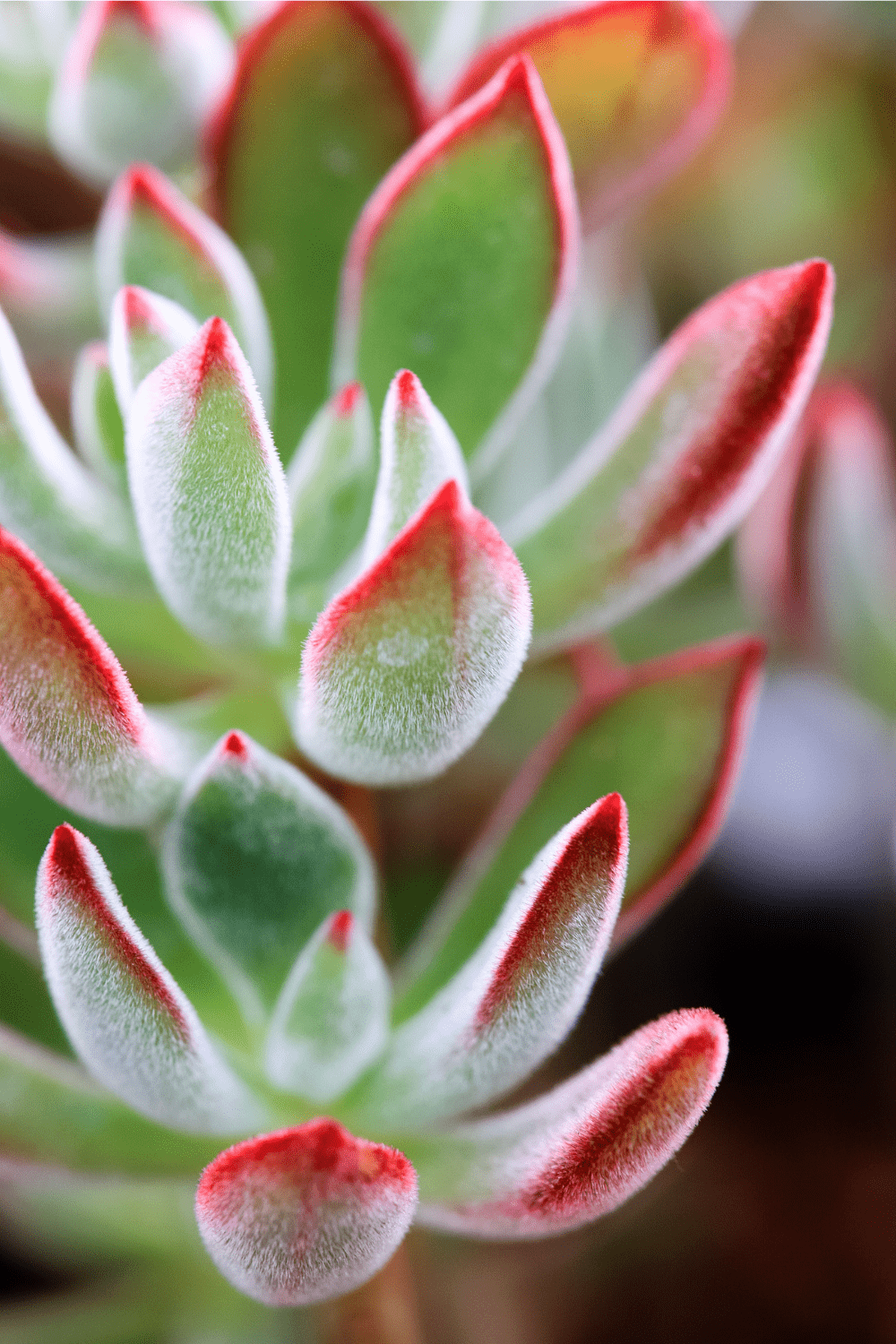
Growing succulents can be a fun and rewarding hobby. These unique and resilient plants have a special charm that captivates enthusiasts with their diverse leaf shapes, colors, textures and sizes. One of the benefits of cultivating succulents lies in their low-maintenance nature. Succulent plants require minimal watering unlike many other plants, making them an ideal choice for those with busy lifestyles or limited growing experience. Their distinctive, fleshy leaves and unusual forms create visually striking arrangements that can be customized to suit various tastes. From the delicate rosettes of Echeveria to the architectural elegance of Aloe Vera, succulents offer an extensive range of choices for creating a unique look in your indoor and outdoor displays. We are going to share with you 50 types of fuzzy succulents you need to add to your collection and how to grow them!

Characteristics
Fuzzy succulents are characterized by their velvety or hairy leaves, add a touch of tactile charm to the big world of succulent plants. These unique and intriguing specimens captivate plant enthusiasts with their soft textures and distinct appearances. The fuzziness or hairiness of these succulents serves multiple purposes, often contributing to their survival in their native environments.
The fuzzy or hairy coating on these succulents serves as a natural adaptation to their native habitats. These fine sometimes white hairs act as a protective layer, helping to reflect sunlight and reduce water loss through transpiration. In arid regions where water is scarce, this adaptation is crucial for the succulents’ survival. The fuzzy coating also provides some insulation against extreme temperatures, both hot and cold, helping to shield the plant from environmental stressors.
Beyond their functional aspects, the fuzzy texture of these succulents adds an aesthetic dimension to gardens and indoor plant collections. The feel of running one’s fingers across the soft leaves enhances the overall sensory experience of cultivating these plants.
Caring for Fuzzy Succulents
Caring for fuzzy succulents for the most part is the same as non hairy succulents, including well-draining soil, adequate sunlight, and mindful watering practices. These charming plants, with their fuzzy allure, not only contribute to the resilience of succulents but also bring a delightful and unique aspect to the world of plant cultivation, making them favorites among succulent enthusiasts and plant lovers alike. Fuzzy succulents are loved for their soft texture and ease of growing. They look amazing in rock gardens while also being a great addition to your indoor gardens. Succulents can be grown just about anywhere as long as you meet their needs.

50 Types of Fuzzy Succulents
1. Kalanchoe Tomentosa (Panda Plant)
2. Echeveria Setosa (Mexican Firecracker)
3. Echeveria Pulvinata (Chenille Plant)
4. Cotyledon Tomentosa (Bear’s Paw)
5. Kalanchoe Beharensis (Velvet Elephant Ear)
6. Crassula Mesembryanthemopsis (String of Buttons)
7. Kalanchoe Eriophylla (Snow White Panda Plant)
8. Kalanchoe Hildebrandtii (Silver Teaspoon)
9. Kalanchoe Beharensis ‘Fang’ (Fang Kalanchoe)
10. Senecio Haworthii (Cocoon Plant)
11. Echeveria Harmsii (Red Velvet Echeveria)
12. Echeveria Setosa ‘Doris Taylor’ (Woolly Rose)
13. Kalanchoe Humilis (Desert Surprise)
14. Kalanchoe Fedtschenkoi (Variegated Lavender Scallops)
15. Echeveria Agavoides (Lipstick Echeveria)
16. Echeveria ‘Blue Curls’
17. Graptopetalum Paraguayense (Ghost Plant)
18. Echeveria Derenbergii (Painted Lady)
19. Kalanchoe Orgyalis (Copper Spoons)
20. Echeveria ‘Dusty Rose’
21. Cotyledon Ladismithiensis (Bear’s Paw Ladismith)
22. Graptosedum ‘California Sunset’
23. Senecio Serpens (Blue Chalksticks)
24. Echeveria ‘Black Prince’
25. Kalanchoe Tomentosa ‘Chocolate Soldier’

26. Kalanchoe Synsepala (Walking Kalanchoe)
27. Cotyledon Orbiculata ‘Variegata’ (Variegated Pig’s Ear)
28. Senecio Barbertonicus (Succulent Bush Senecio)
29. Echeveria ‘Lola’
30. Graptosedum ‘Vera Higgins’
31. Echeveria ‘Blue Frills’
32. Kalanchoe Tomentosa ‘Golden Girl’
33. Kalanchoe Daigremontiana (Mother of Thousands)
34. Echeveria ‘Cubic Frost’
35. Sedum Morganianum (Burro’s Tail)
36. Echeveria ‘Topsy Turvy’
37. Kalanchoe Tomentosa ‘Teddy Bear’
38. Graptopetalum Filiferum (Baby’s Necklace)
39. Echeveria ‘Black Knight’
40. Kalanchoe Beharensis ‘Brown Dwarf’ (Velvet Elephant Ear ‘Brown Dwarf’)
41. Bearded Leaved Crassula (Crassula Barbata)
42. Delosperma Echinatum ( Pickle Plant )
43. Echeveria Pulvinata ‘Frosty’ (White Chenille Plant)
44. Crassula Setulosa (Hairy Cushion Crassula)
45. Sempervivum Ciliosum (Teneriffe Houseleek)
46. Aeonium Smithii (Smith’s giant houseleek)
47. Crassula Pubescens (Jersey Pigmyweed)
48. Crassula Namaquensis (Namaqua Crassula)
49. Crassula Tecta (Lizard Skin Crassula)
50. Sedum Mocinianum

How to Grow and Care for Succulents
Growing succulents with fuzzy leaves requires attention to specific care practices to ensure their well-being. Here’s a guide on how to cultivate these charming, tactile succulents:
Picking the right Soil Mix
Having soil with good drainage that is nutrient-rich is crucial for the health of your succulents. I feel that making your own soil mix for your plants is such an important step in great plant care. We encourage you to make your own but if you cannot I would get a succulent soil mix from your local stores.
Here’s a simple succulent soil mix that you can prepare at home:
Ingredients:
Potting Soil:
Use a well-draining potting mix designed for cacti and succulents, or create your own by mixing regular potting soil with perlite or coarse sand. A pre-made succulent or cactus mix is a convenient option when you don’t want to mix your own.
Perlite
Add perlite to improve drainage and aeration in the soil. Perlite is a lightweight volcanic mineral that prevents compaction and promotes root health. Aim for a mix of about 1 part perlite to 1 part soil.
Coarse Sand
Incorporate coarse sand (such as builder’s sand) to enhance drainage. This helps prevent overwatering and root rot. Aim for a mix of about 1 part sand to 1 part soil.
Pine Bark Fines
Pine bark fines can be added to the mix to improve aeration and add organic matter. This step is optional, but it can contribute to the overall health of the soil. Aim for about 1 part pine bark fines to 2 parts soil.
Optional: Pumice or Grit
Some succulent enthusiasts also like to include pumice or poultry grit in their mix for additional drainage. This is particularly helpful if you tend to overwater your plants.
Instructions
Measurements
Adjust the quantities based on the number of succulents you are potting and the specific needs of the plants.
Mixing
Combine all the ingredients in a large container or bucket. Use a trowel or your hands to thoroughly mix the components until well blended. Now your succulent soil is ready to use!

How to water Succulents
Fuzzy-leaved succulents, like most succulents, prefer infrequent but deep watering. Allow the soil to dry out between watering sessions. Stick to a consistent watering schedule, especially during the growing season (spring and summer), and reduce it in the dormant season (fall and winter).
Proper watering is essential for the health of succulents, as they are adapted to arid conditions and store water in their leaves and stems.
Watering Tips:
Allow Soil to Dry
Before watering, ensure that the top inch (2.5 cm) or more of the soil is completely dry. Insert your finger into the soil, and water only when it feels dry.
Adjust Based on Season
During the growing season (spring and summer), succulents may need more frequent watering. In the dormant season (fall and winter), reduce the frequency as the plants require less water.
Watering Technique
Deep Watering
When you water, do so thoroughly. Ensure that water reaches the root zone by watering until it begins to drain out of the bottom of the pot. This encourages the development of a robust root system.
Water Quality
It’s best to use room temperature water as cold water can shock the roots.
Seasonal Adjustments
Reduce Watering in Winter. Succulents generally go through a dormant period in winter when they require less water. Adjust your watering schedule accordingly.
Watch for Signs of Overwatering
Yellowing or Translucent Leaves: If the leaves become yellow or translucent, it may indicate overwatering. Allow the soil to dry out before watering again.
Soft or Mushy Leaves: Overwatering can lead to soft or mushy leaves, a sign of stressed and rotting plant tissue.
Remember that different succulent species may have varying water requirements, so it’s essential to observe each plant individually. Adjust your watering practices based on the specific needs of your succulents and the environmental conditions in your growing space.

Best Light for Succulents
Provide plenty of sunlight, as most succulents thrive in bright, indirect light. Fuzzy-leaved succulents often enjoy some direct sunlight, but be cautious not to expose them to intense, scorching sun for extended periods.
Fuzzy-leaf succulents, like other succulent varieties, generally thrive in bright, indirect light with some exposure to direct sunlight. Here are the best lighting conditions for fuzzy-leaf succulents:
Bright light (Indirect Light):
– Place your fuzzy-leaf succulents in a location where they receive bright, indirect sunlight. This can be near a south- or west-facing window where they can benefit from the natural light but are shielded from the intense midday sun.
Filtered Sunlight:
– Fuzzy-leaf succulents often appreciate filtered sunlight or dappled shade. If you’re growing them outdoors, consider placing them under the canopy of taller plants or providing them with some light shade during the hottest parts of the day.
Morning Sun Exposure:
– Morning sunlight is generally gentler than the harsh afternoon sun. If possible, place your fuzzy-leaf succulents where they receive morning sunlight and are protected from the intense afternoon rays.
Avoid Intense Midday Sun:
– While fuzzy-leaf succulents can tolerate some direct sunlight, be cautious about exposing them to intense midday sun for extended periods, especially in hotter climates. Too much direct sunlight can lead to sunburn or heat stress.
Indoor Lighting:
– If you’re growing fuzzy-leaf succulents indoors, place them near a south- or west-facing window to maximize exposure to natural light. You can also supplement with artificial grow lights if natural light is insufficient.
Rotate Plants:
– Rotate your fuzzy-leaf succulents periodically to ensure that all sides receive adequate light. This helps prevent one-sided growth and promotes even development.
Monitor Leaf Color:
– Pay attention to the color of the leaves. If the leaves start stretching or elongating, it may indicate that the plant is reaching for more light. To prevent this, provide brighter light conditions.
Adjust Light Levels Seasonally:
– Consider adjusting the light levels seasonally. Fuzzy-leaf succulents may benefit from more direct sunlight during the growing season (spring and summer) and slightly reduced light during the dormant season (fall and winter).
Remember that the specific lighting needs can vary among different fuzzy-leaf succulent species, so it’s a good idea to observe your plants and make adjustments based on their responses. Overall, providing bright, indirect light with some exposure to direct sunlight will contribute to the health and vibrancy of your fuzzy-leaf succulents.

Temperature:
Maintain a temperature range that mimics their native habitat. Fuzzy succulents often do well in temperatures between 60-75°F (15-24°C) but can tolerate slightly higher or lower temperatures.
Succulents generally thrive in temperatures that mimic their natural, arid environments. While specific temperature preferences can vary among different succulent species, here are some general guidelines for the temperature range in which succulents grow best:
Daytime Temperature:
– Most succulents prefer daytime temperatures between 70°F to 90°F (21°C to 32°C). This range provides the warmth they need for optimal growth during the active growing season, which is typically in spring and summer.
Nighttime Temperature:
– Succulents generally tolerate cooler nighttime temperatures. A range of 50°F to 60°F (10°C to 15°C) or slightly cooler is suitable. Cooler nights can be beneficial for succulents, as they often experience temperature drops in their native habitats.
Winter Dormancy:
– During the dormant season, which is typically in fall and winter, many succulents appreciate cooler temperatures. They can tolerate temperatures as low as 40°F to 50°F (4°C to 10°C) or even slightly lower, depending on the species. Cooler temperatures during dormancy help mimic the natural conditions that allow the plants to rest and conserve energy.
Avoid Extreme Heat:
– While succulents are adapted to withstand drought and heat, extreme temperatures, especially prolonged periods of intense heat, can stress the plants. Temperatures above 90°F (32°C) can lead to heat stress and sunburn. Providing some shade during the hottest parts of the day can help protect succulents in high-temperature conditions.
Protect from Frost:
– Most succulents are not frost-tolerant. If you’re growing succulents outdoors and frost is a concern, it’s essential to protect them during colder months. Move potted succulents indoors or provide frost protection such as frost cloths or coverings for outdoor plants.
It’s crucial to note that the specific temperature preferences can vary among different succulent species, so it’s a good idea to research the requirements of the particular succulents you are growing. Additionally, acclimatizing succulents to changes in temperature, especially when moving them indoors or outdoors, should be done gradually to avoid stress.

Humidity:
Fuzzy-leaved succulents can be sensitive to high humidity levels. Ensure good air circulation around the plants to prevent moisture accumulation on the leaves, which may lead to fungal issues.
Fuzzy-leaf succulents, like many other succulent varieties, generally prefer lower humidity levels. These plants are adapted to arid environments, and high humidity can lead to potential issues such as fungal problems, rot, and poor air circulation around the leaves. Here are some guidelines for humidity levels for fuzzy-leaf succulents:
Low to Moderate Humidity:
– Fuzzy-leaf succulents thrive in environments with low to moderate humidity. Ideally, keep the humidity levels below 50%. In regions with naturally high humidity, it’s essential to ensure proper air circulation around the plants to reduce the risk of moisture-related issues.
Good Air Circulation:
– Adequate air circulation is crucial for preventing stagnant air and reducing humidity levels around the succulents. Ensure that there is space between plants and provide good ventilation in the growing area.
Avoid Closed Terrariums:
– While closed terrariums are suitable for some plants, they are not the ideal environment for fuzzy-leaf succulents. Closed terrariums can trap moisture and create a humid environment, which may lead to problems for succulents adapted to drier conditions.
Careful Watering Practices:
– Proper watering practices, such as allowing the soil to dry out between watering, can help maintain an environment that is less conducive to excessive humidity. Overwatering can contribute to increased humidity levels in the soil and around the plants.
Monitor Indoor Environments:
– If growing fuzzy-leaf succulents indoors, be mindful of the humidity levels in your home. During the winter months when indoor heating systems are in use, the air indoors can become drier, which is generally favorable for succulents.
Prevent Overcrowding:
– Avoid overcrowding succulents, as this can limit air circulation and create microenvironments with higher humidity. Provide enough space between plants to allow air to move freely.
It’s important to note that specific humidity preferences can vary among different fuzzy-leaf succulent species, so observing the response of your plants and making adjustments based on their individual needs is crucial. If you’re growing succulents in a region with naturally high humidity, taking extra care to ensure good air circulation and avoiding overwatering becomes even more important.

Fertilizing Tips
Feed your succulents sparingly during the growing season with a balanced, diluted succulent fertilizer. Avoid over-fertilizing, as succulents generally have low nutritional needs.
Fertilizing succulents is essential to provide them with the nutrients they need for healthy growth. Here are some guidelines on how to fertilize succulents effectively:
Choose the Right Fertilizer
– Use a balanced, water-soluble fertilizer specifically formulated for cacti and succulents. Look for a fertilizer with a balanced ratio of nitrogen (N), phosphorus (P), and potassium (K), such as a 2-4-7 or 3-4-5 blend.
Dilute the Fertilizer
– Always dilute the fertilizer to half or even a quarter of the recommended strength. Succulents generally have lower nutritional needs, and using a full-strength fertilizer may lead to nutrient burn.
Fertilize During the Growing Season
– Apply fertilizer during the active growing season, which is typically in spring and summer. Avoid fertilizing in fall and winter when many succulents enter a dormant period with reduced growth.
Frequency of Fertilizing
– Fertilize succulents every 2-4 weeks during the growing season. Adjust the frequency based on the specific needs of your plants and the type of fertilizer used.
Liquid vs. Granular Fertilizer
– Liquid fertilizers are often preferred for succulents as they are easier to dilute and apply. However, if you choose a granular fertilizer, make sure to distribute it evenly and water the plants afterward to activate the nutrients.
Apply to Moist Soil
– Apply the diluted fertilizer to moist soil. Water the succulents first, and then apply the fertilizer to help prevent any potential root burn.
Avoid Fertilizing Stressed Plants
– Avoid fertilizing stressed or newly planted succulents. Wait until the plants have acclimated to their new environment or have recovered from any stress before applying fertilizer.
Foliar Feeding (Optional)
– You can also use a diluted liquid fertilizer as a foliar spray on the leaves of succulents. However, be cautious and avoid spraying during the hottest parts of the day to prevent leaf burn.
Flush the Soil Occasionally
– Every few months, flush the soil with plain water to remove any accumulated salts from the fertilizer. This helps prevent salt buildup, which can be harmful to succulents.
Monitor Plant Response
– Observe your succulents for any signs of over-fertilization, such as burned or discolored leaves. If this occurs, reduce the frequency of fertilization and use a more diluted solution.
Remember that each succulent species may have slightly different fertilizer needs, so it’s a good idea to observe the response of your plants and adjust your fertilizing routine accordingly. Additionally, follow the specific recommendations provided by the fertilizer manufacturer.

Pruning Succulents
Trim dead or damaged leaves to encourage new growth and maintain the plant’s overall health. Be gentle when handling fuzzy-leaved succulents to avoid damaging their delicate hairs.
Succulent Propagation
Fuzzy succulents are often easily propagated from leaves or offsets. Allow cuttings to callus for a day or two before placing them in well-draining soil to root.
Succulents are often easy to propagate, and there are several methods you can use to create new plants. Here are some common ways to propagate succulents:
1. Leaf Cuttings:
– Select a healthy, mature leaf from the parent plant.
– Gently twist or cut the leaf from the stem, ensuring that you get the entire leaf, including the base where it connects to the stem.
– Allow the cut end to callus over for a day or two to prevent rotting.
– Plant the callused end of the leaf in well-draining soil, burying it just slightly.
– Water sparingly until new roots and a small rosette begin to form. This process can take a few weeks to several months, depending on the species.
2. Offsets (Pups):
– Many succulents produce offsets, or “pups,” around the base of the main plant.
– Gently separate the offset from the parent plant using clean, sharp scissors or pruning shears.
– Allow the cut end to dry and callus for a day or two.
– Plant the offset in well-draining soil and water lightly until it establishes roots.
3. Stem Cuttings:
– Cut a healthy stem (not a flower stalk) from the parent plant using clean, sharp scissors or pruning shears.
– Allow the cut end to dry and callus for a day or two.
– Plant the cut end in well-draining soil, burying it just deep enough to provide stability.
– Water sparingly until new roots develop.

4. Division:
– For succulents with multiple rosettes or stems, you can divide the plant by carefully separating the sections.
– Gently pull apart the stems or rosettes, ensuring that each division has roots attached.
– Allow any cut or broken areas to callus over before planting in well-draining soil.
– Water lightly until the divisions establish roots.
5. Layering:
– Select a healthy, flexible stem and gently bend it to the ground.
– Bury a portion of the stem in the soil, leaving the tip exposed.
– The buried section of the stem will eventually develop roots.
– Once roots have formed, you can cut the new plant from the parent plant and transplant it.
6. Seed Propagation (Advanced):
– Collect seeds from mature succulent flowers.
– Plant the seeds in a well-draining soil mix.
– Keep the soil consistently moist until the seeds germinate.
– Transplant the seedlings once they are large enough to handle.
Regardless of the method you choose, it’s important to provide the newly propagated succulents with appropriate care, including proper light, well-draining soil, and gradual acclimatization to their growing conditions. Propagation success may vary depending on the specific species of succulent.

Succulent Flowers
Succulents, renowned for their striking foliage, surprise enthusiasts with equally captivating and diverse flowers. While the primary allure of succulents often lies in their unique leaves, the emergence of flowers adds an extra layer of beauty to these resilient plants. Succulents boast an array of flower shapes, sizes, and colors, making them a delightful addition to gardens, containers, and indoor spaces.
The flowers of succulents often emerge from the center of rosettes or along the stems, showcasing intricate patterns and fascinating textures. From the delicate, star-shaped blossoms of Echeveria to the tubular and hummingbird-attracting flowers of Agave, each succulent species unveils its distinct floral personality. These blooms, despite their often diminutive size, bring a burst of color and charm to the overall aesthetic of the plant.
Succulent flowers display an impressive palette of colors, ranging from vibrant red flowers, pink flowers, and white flowers to soft pastels and even muted earthy tones. Some succulents, like Aloe Vera, produce elongated spikes adorned with tubular orange or yellow flowers, creating a striking contrast against the plant’s fleshy green leaves. The Sedum genus offers a spectrum of colors, with varieties showcasing blooms in hues of white, pink, red, and purple.

Interestingly, the color of succulent flowers can change based on environmental factors such as sunlight exposure, temperature, and soil conditions. This chameleon-like quality adds an element of surprise for growers, making each flowering event a unique and dynamic experience.
In addition to their aesthetic appeal, succulent flowers play a vital role in supporting pollinators. Bees, butterflies, and hummingbirds are attracted to the nectar-rich blooms, contributing to the overall biodiversity of the surrounding environment.
In conclusion, the flowering phase of succulents introduces a captivating chapter in their life cycle, showcasing a remarkable array of shapes and colors. These blooms serve as nature’s artwork, enriching the visual tapestry of succulent gardens and bringing joy to those who appreciate the intricate beauty of these resilient and diverse plants.
One response to “50 Different Types of Fuzzy Succulents”
Leave a Reply

Nestera Chicken Coop

Park Seed
Garden Tower Project
Vego Garden Beds

Botanical Interests
Amazon Favorites!

Hoselink
Web Stories


[…] 50 Different Fuzzy Succulents […]