Learn the Best Alocasia Soil Mix Recipe for a Healthy Plant!
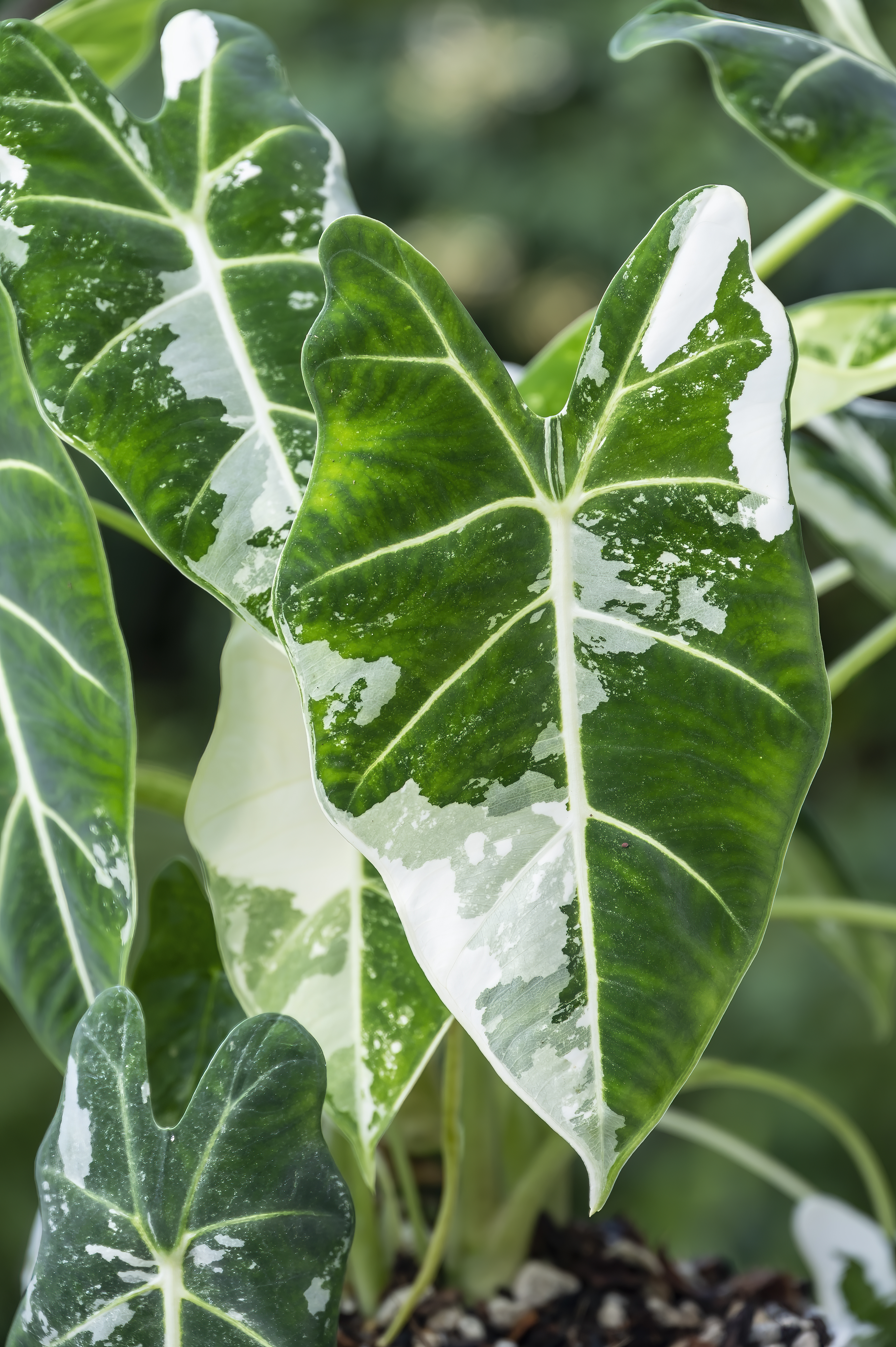
Alocasia plants, also known as Elephant Ear plants, are a genus of tropical plants with over 80 species! They are native to Southeast Asia and Australia and are known for their striking foliage, which can range from deep green to variegated shades of white, cream, and pink. Alocasia are my favorite houseplants because of their dramatic appearance and variety of leaf colors, textures and variegation. Alocasia care can be a little tricky for some but all healthy and happy plants start with good soil. I am going to teach you the best Alocasia soil mix recipe I know and I’m going to teach you a whole lot more. Keep reading!

Alocasia exhibit a variety of characteristics and growth habits that make them popular choices for houseplants and landscape plantings. If you live in a warm climate you may consider growing Alocasia in your garden.
Alocasia Characteristics
- Foliage: Alocasias are primarily valued for their large, impressive leaves. These leaves can vary in shape, size, and texture, often featuring prominent veins and unique markings. The leaves can be heart-shaped, arrow-shaped, or elongated, adding to the genus’s diversity.
- Stems: Alocasia stems typically emerge from underground rhizomes or tubers. The stems can be erect, creeping Some species have striped or patterned stems that contribute to their overall aesthetic.
- Flowers: Alocasia flowers are often inconspicuous, hidden behind the foliage. They typically consist of a spadix (fleshy spike) surrounded by a spathe (leaf-like bract). The flowers are not the main attraction of Alocasias, but they do play a role in pollination and seed production.
- Growth Habit: Alocasia growth habits vary among species. Some species are compact and stay relatively small, while others can grow into large, shrub-like plants. Some species have an upright growth habit, while others spread outwards.
- Cold Tolerance: Alocasias are generally frost-tender plants, preferring warm, humid environments. Some species can tolerate cooler temperatures, but most are best suited for indoor cultivation or in frost-free climates.
Alocasia Growth Habit
- Upright Growth: Many Alocasia species exhibit an upright growth habit, forming a central stem with leaves radiating outwards. These species often have a compact form, making them suitable for indoor spaces.
- Rosette Growth: Some Alocasia species form a rosette, with leaves emerging from a central point on the ground. This growth habit creates a visually striking foliage mound that adds texture and dimension to the landscape.
- Rhizomatous Growth: Rhizomatous Alocasias spread by underground rhizomes, which produce new stems and leaves at intervals. This growth habit results in a spreading or clumping pattern that can be effective in groundcovers or larger containers.
Why is Good Potting Soil Important?
Potting soil, is a crucial component for plant growth, providing support, nourishment, and essential elements for healthy development. Potting soil is specifically formulated to meet the unique needs of container-grown plants.
- Drainage: Well-draining potting soil ensures that excess water can escape, preventing root rot and waterlogging. Good drainage allows roots to access air, which is essential for respiration and nutrient uptake.
- Aeration: Air pockets within the potting mix provide ample space for oxygen to reach the plant’s roots. Adequate aeration promotes root growth, nutrient absorption, and overall plant health.
- Nutrient Richness: Potting soil contains essential nutrients that plants need for healthy growth, including nitrogen, phosphorus, and potassium. These nutrients support various plant functions, from photosynthesis to root development.
- Lightweight Structure: Potting soil is lightweight and porous, allowing for easy root penetration and efficient water movement. This structure prevents compaction and ensures healthy root development.
- pH Balance: Potting soil is formulated to have a balanced pH level, typically between 6.0 and 7.0. This suitable pH range allows plants to efficiently absorb nutrients and thrive.

Best Alocasia Potting Soil Mix
Below we will go through different soil mixes and additives you can buy from the store or online. These mixes can be used to make your own homemade Alocasia Soil Mix Recipe.
- Regular Potting Soil: This mix is suitable for a wide range of plants, providing a balanced formula for most indoor and outdoor container-grown plants.
- Cactus and Succulent Mix: This mix has high drainage and low water retention, mimicking the desert-like conditions in which cacti and succulents thrive in.
- African Violet Mix: This mix is specifically formulated for African violets, providing the ideal pH level and drainage for these popular flowering plants.
- Orchid Mix: Orchids require a well-draining, aerated potting mix that mimics their natural epiphytic habitat. Orchid mixes often contain bark chips or other coarse materials to provide proper drainage and aeration.
- Seedling Mix: Seedling mix is lightweight and sterile, providing a gentle environment for seeds to germinate and establish strong roots.
- Perlite: Perlite is a lightweight, volcanic glass that has been expanded by heating it to high temperatures. This process creates a porous material that is ideal for use in potting mixes.
- Cocoa Coir: Cocoa coir, also known as coco peat, is a natural fiber made from the husks of coconuts. This environmentally friendly and sustainable material is becoming increasingly popular as a growing medium for houseplants due to its numerous benefits.
- Sphagnam Moss: Sphagnum moss, often referred to as peat moss, is a remarkable natural material with numerous benefits for plants, especially those grown indoors. Here’s what you need to know about this unique and versatile addition to your gardening arsenal:
You can mix and match these to get the perfect mix for your Alocasia plants and many other plants. Play around with your mix until you find the perfect mix for your plant.
To ensure your Alocasia thrives, providing the right soil mix is crucial. Here is our best alocasia soil mix recipe for you to try on your plants. An effective Alocasia soil mix recipe that promotes healthy growth and prevents potential problems like root rot or nutrient deficiencies:
Ingredients:
- 1 part orchid bark: Orchid bark provides excellent drainage and aeration, ensuring the roots receive ample oxygen and the soil doesn’t become waterlogged. It also helps maintain a slightly acidic pH level, which Alocasias prefer.
- 1 part perlite: Perlite is a lightweight, porous mineral that further enhances drainage and aeration. It helps prevent soil compaction and encourages healthy root development.
- 1 part coco coir: Coco coir, derived from coconut husks, is a sustainable and eco-friendly alternative to peat moss. It has excellent water retention capacity without compromising drainage, keeping the soil moist but not soggy.
**An alternative to coconut coir is Sphagnum Moss. Sphagnum moss is a natural moss with long, slender strands that have excellent moisture retention and aeration properties. It is acidic, making it suitable for plants that prefer acidic soil conditions, such as Alocasias. Sphagnum moss is also naturally sterile, reducing the risk of fungal diseases.**
Instructions:
- Mix the orchid bark, perlite, and coco coir thoroughly in a large container. Ensure the ingredients are evenly distributed to create a consistent texture.
- Place your Alocasia plant in a pot with drainage holes. Gently fill the pot with the prepared soil mix, leaving about an inch of space at the top to allow for watering.
- Gently firm the soil around the base of the plant, ensuring it’s stable but not compacted. Water the plant thoroughly until water drains out of the holes, allowing the soil to settle.
- Place the pot in a location with bright, indirect light. Check the soil moisture regularly and water when the top inch feels dry to the touch. Avoid overwatering, as this can lead to root rot.

How to Fertilize your Alocasia
I believe that second to our Alocasia soil mix recipe, fertilizers are extremely important to learn about when growing Alocasia so we will take some time to go over the best fertilizer for Alocasia
To support their growth and maintain their stunning appearance, using organic fertilizers is a beneficial and eco-friendly choice. Organic fertilizers contain organic matter that provides essential nutrients in a slow-release manner, promoting healthy root development and vibrant foliage without harsh chemicals.
Organic and synthetic fertilizers are two main types of fertilizers used to provide plants with essential nutrients. Each type has its own advantages and disadvantages, and the choice between the two depends on various factors, such as specific plant needs, environmental considerations, and personal preferences.
Organic fertilizers are derived from natural sources such as plant and animal materials, compost, and seaweed. They release nutrients slowly over time, minimizing the risk of nutrient burn and promoting long-term soil health. Organic fertilizers also improve soil structure, enhance water retention, and foster a healthy microbial population in the soil.
Advantages of organic fertilizers:
- Sustainable and eco-friendly: Organic fertilizers are a more sustainable option, as they do not rely on synthetic chemicals or non-renewable resources.
- Promote soil health: Organic fertilizers improve soil structure, enhance water retention, and foster beneficial microbial activity, leading to healthier and more resilient plants.
- Reduced risk of nutrient burn: Organic fertilizers release nutrients slowly over time, minimizing the risk of overfertilization and nutrient burn.
- Long-lasting effects: The gradual release of nutrients from organic fertilizers provides long-lasting nourishment for plants.
Synthetic fertilizers are manufactured from chemical compounds and provide a concentrated dose of nutrients that act quickly to address nutrient deficiencies or support rapid growth. Synthetic fertilizers are often more cost-effective than organic fertilizers and can be more effective in correcting specific nutrient deficiencies.
Advantages of synthetic fertilizers:
- Rapid nutrient availability: Synthetic fertilizers provide a concentrated dose of nutrients that act quickly, addressing nutrient deficiencies or supporting rapid growth.
- Cost-effectiveness: Synthetic fertilizers are often less expensive than organic fertilizers, making them a more economical choice for some growers.
- Targeted nutrient delivery: Synthetic fertilizers can be formulated to provide specific nutrient ratios, addressing specific nutrient deficiencies or supporting particular plant needs.
- Higher nutrient content: Synthetic fertilizers generally have a higher concentration of nutrients than organic fertilizers, making them more effective in some cases.
Considerations when choosing between organic and synthetic fertilizers:
- Environmental impact: Organic fertilizers are more environmentally friendly, as they do not rely on synthetic chemicals or non-renewable resources.
- Soil health: Organic fertilizers promote soil health and longevity, while synthetic fertilizers may have long-term negative effects on soil quality.
- Plant needs: Consider the specific nutrient requirements of your plants and choose a fertilizer that matches those needs.
- Personal preferences: Choose the type of fertilizer that aligns with your personal values and preferences regarding sustainability and environmental impact.
In general, organic fertilizers are a more sustainable and eco-friendly choice, promoting soil health and reducing environmental impact. However, synthetic fertilizers can be more effective in addressing specific nutrient deficiencies or supporting rapid growth. The choice between organic and synthetic fertilizers depends on the specific plant needs, environmental considerations, and personal preferences.

More Great post you may be interested in:
- The perfect Monstera Adansonii Soil Mix Recipe
- How to Propagate Raindrop Peperomia
- How to Propagate Begonia Maculata
- Best fertilizer for Indoor Bird of Paradise Plants
Here are some of the best organic fertilizers for Alocasias:
- Fish Emulsion: This liquid fertilizer is derived from processed fish byproducts, providing a rich source of nitrogen, phosphorus, and potassium, essential nutrients for Alocasia growth.
- Worm Castings: Also known as vermicomposting, worm castings are nutrient-rich castings produced by earthworms. They provide a balanced supply of macronutrients and micronutrients, improving soil structure and promoting nutrient uptake.
- Seaweed Extract: This natural fertilizer is derived from seaweed, a marine plant packed with nutrients. It contains high levels of potassium, which helps with Alocasia leaf development and overall plant health.
- Compost Tea: Made from steeping matured compost in water, compost tea is a liquid fertilizer rich in beneficial microorganisms and nutrients. It enhances soil health, promoting nutrient availability and root growth.
- Coffee Grounds: While not considered a complete fertilizer, coffee grounds can provide a boost of nitrogen and improve soil acidity, which Alocasias prefer. Spread a thin layer of coffee grounds around the base of the plant and work it into the top layer of soil.
When applying organic fertilizers, follow the recommended dosage instructions and avoid overfertilizing. Organic fertilizers release nutrients gradually, so there’s no need to fertilize as frequently as with synthetic fertilizers.
Organic fertilizers are generally preferred for their eco-friendly approach and gradual nutrient release, synthetic fertilizers can also be effective in providing Alocasia houseplants with essential nutrients for healthy growth. Synthetic fertilizers provide a concentrated dose of nutrients that can act quickly to address nutrient deficiencies or support rapid growth.
The best synthetic fertilizers for Alocasias:
- Miracle-Gro All Purpose Plant Food: This balanced fertilizer contains nitrogen, phosphorus, and potassium (NPK) in a 24-8-16 ratio, providing a comprehensive nutrient boost for Alocasias. It promotes strong root development, lush foliage, and overall plant vigor.
- Dyna-Gro Grow: This liquid fertilizer is formulated with an NPK ratio of 7-9-5, specifically designed for foliage plants like Alocasias. It promotes healthy leaf growth, enhances photosynthesis, and supports overall plant health.
- Espoma Osmocote Smart-Release Plant Food: This granular fertilizer uses a controlled-release coating to release nutrients slowly over time, reducing the risk of overfertilization and providing consistent nourishment for Alocasias.
When using synthetic fertilizers, it’s crucial to follow the recommended dosage instructions carefully to avoid overfertilization, which can damage the plant’s roots and cause nutrient burn. Dilute the fertilizer according to the instructions and avoid applying it directly to the plant’s stem or leaves. Water the plant thoroughly after applying fertilizer to distribute the nutrients evenly.
Even with the perfect Alocasia soil mix your soil can have issues as it ages and breaks down over time. Here are some common soil issues that can happen.
- Compacted soil and poor drainage: Compacted soil prevents the roots from accessing oxygen and hinders the drainage of excess water, leading to root rot and suffocation.
- Nutrient deficiencies: Potting soil can lose its nutrients over time, leading to nutrient deficiencies in plants. Symptoms of nutrient deficiencies include stunted growth, yellow leaves, and poor flowering.
- Pests and diseases: Potting soil can harbor pests and diseases that can damage plants. Common pests include fungus gnats, aphids, and spider mites. Common diseases include root rot and damping-off.
- pH imbalance: Potting soil can have an imbalanced pH level, which can make it difficult for plants to absorb nutrients. The ideal pH for most potting soils is between 6.0 and 7.0.
- Salt buildup: When you water your plants, salts from the water can accumulate in the potting soil. Over time, this can build up to toxic levels, damaging the roots and stunting plant growth.
- Waterlogged soil: Overwatering can cause the potting soil to become waterlogged, which can lead to root rot. Symptoms of waterlogged soil include yellowing leaves, wilting, and a foul odor from the soil.

How to Grow Alocasia
I mentioned earlier that Alocaisa plants can be tricky to care for especially for beginner houseplant parents. I have put together a grow guide to help you give your Alocasia the best care possible.
Selecting Your Alocasia:
- Choose the Right Species: Alocasias come in a variety of species, each with its own unique characteristics and appearance. Consider factors like leaf size, shape, and color when selecting a species that suits your aesthetic preferences and available space.
- Healthy Starting Point: Purchase your Alocasia from a reputable nursery or online retailer to ensure you receive a healthy, disease-free plant. Inspect the leaves for any signs of damage or pests. It’s best to always start with a healthy plant.
Potting and Soil:
- Appropriate Pot Size: Choose a pot that is slightly larger than the Alocasias current pot, allowing for root growth without being too large. Ensure the pot has drainage holes to prevent waterlogging and root rot.
- Well-Draining Soil Mix: Use our Alocasia soil mix recipe above for for your plants. This mix provides excellent drainage and aeration, essential for healthy plants and root development.
Placement and Lighting:
- Bright, Indirect Light: Alocasias prefer bright, indirect light to thrive. Avoid placing them in direct sunlight for long periods of time, which can scorch their leaves. East- or west-facing windows are often ideal locations.
- Humidity Considerations: Alocasias appreciate humid environments. You can increase humidity by placing the pot on a pebble tray filled with water or using a humidifier in the room.
**If your Alocasia develops long, lanky stems and seems to have trouble keeping its leaves upright. Consider adding a light source above the plant.**
Watering and Continuous Plant Care:
- Water Regularly: Maintain evenly moist soil but avoid overwatering. Allow the top inch of soil to dry out slightly between watering’s. Adjust the watering frequency based on the season and humidity levels.
- Fertilize During Growth: During the spring and summer growing seasons, fertilize your Alocasia every 2-4 weeks with a balanced liquid fertilizer diluted to half strength.
- Repotting When Needed: As your Alocasia grows, you may need to repot it into a larger container to accommodate root growth. Signs that repotting is necessary include roots growing out of the drainage holes or the plant becoming root-bound.
- Monitor for Pests and Diseases: Keep an eye out for common pests like spider mites and mealybugs. Treat any infestations promptly with appropriate insecticides or neem oil.
- General Care: Maintain a clean and dust-free environment around your Alocasia. Wipe the leaves occasionally with a damp cloth to remove dust and keep them healthy.
These tips are meant to get you started on your Alocasia journey. Take them and make adjustments based on your home environment and plant needs. One size doesn’t fit all when it comes to plant.

Common Alocasia Problems:
- Yellowing Leaves: Yellowing leaves can be caused by a variety of factors, including overwatering, underwatering, nutrient deficiencies, or pests. If the yellowing is concentrated on older leaves, it’s likely due to natural aging. However, if the yellowing is affecting younger leaves, it’s important to identify the underlying cause and take corrective measures.
- Drooping Leaves: Drooping leaves can indicate several issues, such as overwatering, underwatering, or lack of humidity. Overwatering can lead to root rot, which causes the roots to be unable to absorb water and nutrients, resulting in droopy leaves. Conversely, underwatering can also cause leaves to droop as the plant doesn’t have enough water to maintain its turgidity. Additionally, low humidity can cause leaves to wilt and droop, especially for Alocasia species that prefer humid environments.
- Leaf Spotting: Leaf spots can be caused by a variety of factors, including fungal diseases, bacterial infections, or pests. Fungal diseases often appear as brown or black spots with fuzzy edges, while bacterial infections typically manifest as water-soaked or greasy-looking spots. Pest infestations can also cause leaf spots, often accompanied by other signs like webbing or insects on the leaves.
- Pests: Common pests that can affect Alocasias include spider mites, mealybugs, and aphids. Spider mites are tiny spider-like creatures that create fine webbing on the underside of leaves. Mealybugs are small, white, cottony-looking insects that can be found on the leaves and stems. Aphids are soft-bodied insects that cluster on the undersides of leaves and feed on plant sap.
- Diseases: Alocasias are susceptible to a few fungal diseases, such as root rot, leaf spot, and powdery mildew. Root rot is caused by excessive moisture and can lead to wilting, yellowing, and eventually death of the plant. Leaf spot diseases cause various types of spots on the leaves, while powdery mildew appears as a white powdery coating on the leaves.
- Slow Growth: Slow growth can be caused by various factors, including nutrient deficiencies, improper lighting, or root-bound conditions. Nutrient deficiencies can be addressed by providing a balanced fertilizer during the growing season. Improper lighting can be corrected by placing the plant in a location with bright, indirect light. Root-bound conditions can be remedied by repotting the plant into a larger container.
Monitor your Alocasia for signs of pests or diseases, such as spider mites, mealybugs, or leaf spots. If you notice any infestations, treat them promptly with appropriate insecticides or neem oil.
Good plant care can help keep your plants from experiencing some of these issues but as your houseplant collection grows I can guarantee you will experience one or all of these issues at some point in your plant journey. It’s ok, learn from it and keep going.
Alocasia Toxic to Dogs and Cats?
Alocasias are toxic to dogs and cats. All parts of the Alocasia plant, including the leaves, stems, and roots, contain insoluble oxalate crystals. These crystals can cause irritation and inflammation of the mouth, throat, and esophagus if ingested. In severe cases, they can lead to vomiting, diarrhea, and difficulty breathing.
Symptoms of Alocasia poisoning in dogs and cats may include:
- Excessive drooling or foaming at the mouth
- Pawing at the mouth or face
- Shaking of the head
- Vomiting
- Diarrhea
- Difficulty breathing
- Lethargy
If you suspect that your pet has ingested any part of an Alocasia plant, it is important to seek veterinary attention immediately.
To prevent Alocasia poisoning, keep these plants out of reach of your pets. Consider placing them on high shelves or in pet-free rooms. If you have young children, it is also important to supervise them around Alocasias to prevent accidental ingestion.

Top 5 Easy to grow Alocasia:
These Alocasia are pretty easy to find and do very well indoor situations!
- Alocasia Amazonica ‘Polly’
Alocasia ‘Polly’ also known as the African Mask Plant is a compact and versatile Alocasia variety with stunning heart-shaped leaves adorned with intricate cream and green variegation. It’s relatively easy to care for, tolerating a range of lighting conditions and humidity levels.
- Alocasia Baginda ‘Silver Dragon’
Alocasia Baginda ‘Silver Dragon’ is a striking Alocasia known for its metallic silver-green leaves with pronounced veins. It’s moderately easy to grow, preferring bright, indirect light and well-draining soil.
- Alocasia Macrorhiza
Alocasia Macrorhiza, also known as the giant taro, is a large and dramatic Alocasia with deeply lobed leaves and a majestic presence. It’s best suited for spacious rooms and can tolerate lower humidity levels.
- Alocasia Reginula
Alocasia Reginula, also known as the jewel Alocasia, is a compact variety with velvety, dark green leaves and a contrasting purple or silver underside. It prefers bright, indirect light and high humidity.
- Alocasia Zebrina
Alocasia Zebrina is a unique Alocasia with stunning zebra-striped stems and elongated, deep green leaves. It’s moderately easy to grow but requires a bit more humidity than some other Alocasia varieties.

Remember that Alocasias thrive in warm, humid environments with bright, indirect light. Provide your plant with our Alocasia soil mix, fertilize and water them regularly to keep your plants happy. Maintain moderate humidity levels, especially during the winter months. Fertilize regularly to promote healthy growth. Repot your Alocasia when it outgrows its current pot to accommodate root growth.
With good care your Alocasia will flourish and continue to bring beauty and tropical charm to your home.

Nestera Chicken Coop

Park Seed
Garden Tower Project
Vego Garden Beds

Botanical Interests
Amazon Favorites!

Hoselink
Web Stories


