Indoor Elephant Ear Plant Care Guide
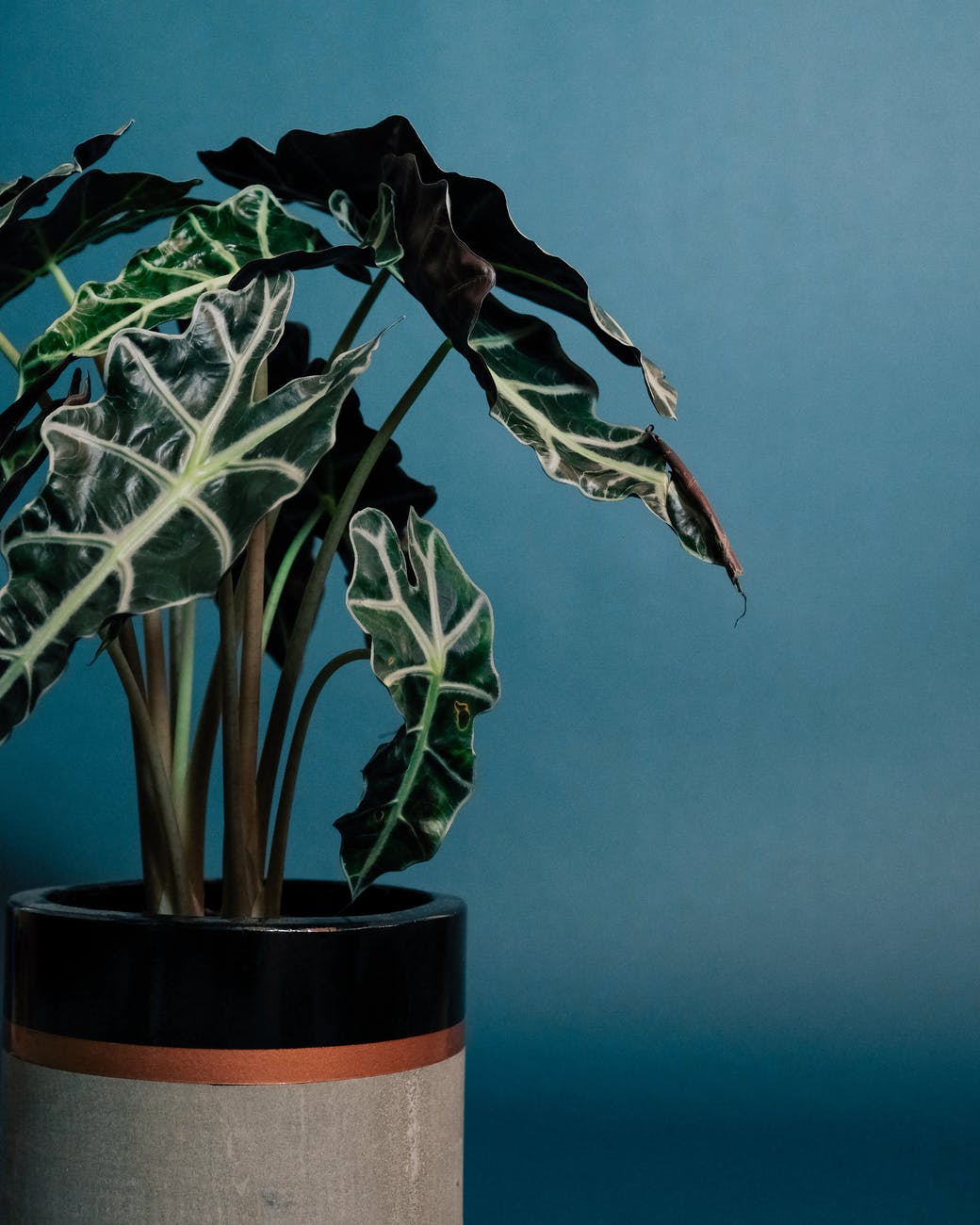
There are so many plants that have that Elephant Ear shaped foliage that we all love, but not all are actually Elephant Ear Plants. The term “Elephant Ear” is a common name that is used for many plants under three different genera of plants. The three genera are Xanthosoma, Colocasia and Alocasias. With the most common/ popular Elephant Ears being Colocasia.
Now that you’ve got some Elephant Ear knowledge it’s time to learn how to take care of these gorgeous plants. Elephant Ears are tropical perennial plants in zones 9-11. Some varieties can can overwinter in ground down to zone 7 with heavy mulching during the winter.

Elephant Ear plants grow from a bulb. Bulbs store energy for the plant so you need to do everything you can to protect it from damage.
Growing Elephant Ears Indoors
In general elephant ear plants do very well indoors. They add a tropical, exotic feel to your home as well as whimsy visual interest.

Plant your Elephant Ear plant in a potting mix that’s well draining as well as holds a little moisture. If you are using a plastic or ceramic pot I would make sure to add a little extra Perlite to the soil mix. Ceramic and plastic tend to hold moisture a little longer than Terra Cotta. As always every pot should have a drainage hole in the bottom.
Fertilizing
Elephant Ears tend to be heavy feeders during the growing season. I prefer to feed my Elephant Ears Fish Emulsion because it’s organic and I trust it. Any fertilizer with a 20-10-20 or 20-20-20 NPK ratio will work just fine. If you can’t find those ratios then use what you have access to. Fertilizing every two to three weeks is a perfect schedule.
Watering
Elephant Ears are thirsty plants and like to have their soil kept moist throughout the growing season. Aim for moist and not soggy soil. When the first two inches of soil dries up give it a good drink.

Light
Elephant Ear plants prefer bright indirect lighting. They can tolerate periods of full sun but I wouldn’t push it past two hours indoors. If you have a variegated Elephant Ear Plant then they can handle a little more light and will need it since the white areas do not photosynthesize.
Pest
This type of plant tends to deal with Spider Mites quite often. One way to mitigate that is to keep the plant in more humid conditions along with cleaning the foliage regularly. Spider Mites thrive in dry conditions so keep any eye on your plants. Doing a pest check at watering is a great way to keep spider mites at bay.

Once you get the hang of their care Elephant Ears are so rewarding to keep as a houseplant. Every new leaf is confirmation that your doing a great job!
Happy Gardening!
Ciearra
4 responses to “Indoor Elephant Ear Plant Care Guide”
Leave a Reply

Nestera Chicken Coop

Park Seed
Garden Tower Project
Vego Garden Beds

Botanical Interests
Amazon Favorites!

Hoselink
Web Stories


[…] To learn how to grow Elephant Ear Plants as Houseplants read this post! […]
[…] Elephant Ear plants are so gorgeous and boost big leaves that are shaped similar to you guessed it Elephant Ears. […]
[…] To learn how to grow Elephant Ears check out this post! […]
[…] Indoor Elephant Ear Plant Care Guide […]