How to Grow Lemongrass: Planting, Harvesting, and 25 Ways to Use It
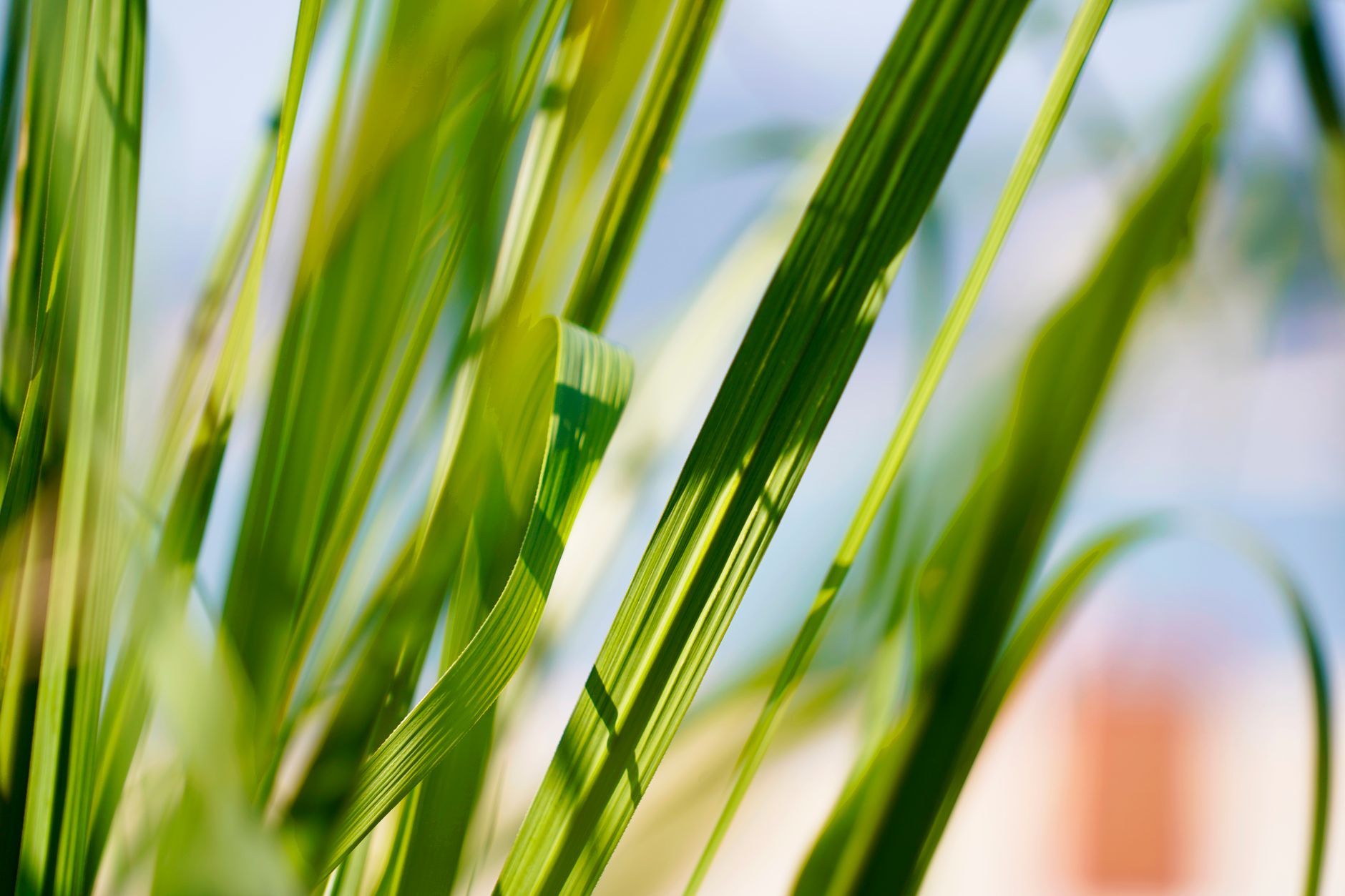
Lemongrass is one of those plants that truly earns its place in the garden. Not only does it add beautiful texture with its tall, graceful foliage, but it’s also an incredibly versatile herb you can use in the kitchen, brew into fragrant herbal tea, preserve for winter, and enjoy as part of a natural home and herb garden.
If you’ve ever wondered how to grow lemongrass, you’ll be happy to know it’s surprisingly easy. This warm-season perennial thrives in full sun, tolerates summer heat exceptionally well, and can be grown in garden beds, raised beds, containers, or even indoors during the winter. Whether you’re starting with nursery plants, seeds, or fresh stalks from the grocery store, lemongrass is a rewarding herb that produces an abundant harvest with minimal care.
In this guide, you’ll learn everything you need to know about growing lemongrass from choosing the best growing location and caring for healthy plants to harvesting, preserving, and using every part of your harvest. We’ll also explore the many culinary and traditional herbal uses of lemongrass, making this your go-to resource for growing and enjoying this remarkable plant.

How to Grow Lemongrass: The Complete Guide to Planting, Harvesting, and Using It
What Is Lemongrass?
Lemongrass (Cymbopogon spp.) is a tropical, clump-forming grass prized for its refreshing citrus aroma, culinary versatility, and traditional herbal uses. Native to South and Southeast Asia, this fast-growing plant has been cultivated for centuries as both a flavorful cooking ingredient and a medicinal herb. Today, it’s grown around the world in home gardens, containers, and greenhouses for its beauty, fragrance, and many practical uses.
Despite its name, lemongrass isn’t related to lemons at all. Instead, its bright lemon scent comes from naturally occurring compounds such as citral and geraniol, which are found throughout the plant’s leaves and stalks. These aromatic oils are what give lemongrass its signature flavor in soups, curries, teas, and other dishes, while also making it a popular ingredient in soaps, candles, lotions, and essential oils.
One of the reasons gardeners love lemongrass is that it’s both beautiful and productive. Its graceful, arching foliage adds movement and texture to flower beds, herb gardens, and containers, while the thick stalks can be harvested throughout the growing season. In warm climates, lemongrass grows as a perennial, returning year after year. In colder regions, like much of the Midwest, it’s typically grown as an annual or overwintered indoors until spring.
Types of Lemongrass
There are more than 50 species of lemongrass, but two are most commonly grown by home gardeners.
West Indian Lemongrass (Cymbopogon citratus)
This is the variety you’ll most often find in grocery stores, garden centers, and recipes. West Indian lemongrass produces thick, tender stalks with a strong citrus flavor, making it the preferred choice for cooking and herbal tea. If your goal is to harvest lemongrass for the kitchen, this is the variety to grow.
East Indian Lemongrass (Cymbopogon flexuosus)
East Indian lemongrass has a slightly stronger fragrance and is grown primarily for its essential oil production. While it can also be used in cooking, it’s more commonly cultivated for aromatherapy, perfumes, soaps, and natural cleaning products. Its oil is especially rich in citral, making it highly valued by the fragrance industry.
Is Lemongrass a Perennial?
Lemongrass is a tender perennial in USDA Hardiness Zones 9 through 11, where it can remain outdoors year-round. Gardeners in colder climates can still enjoy growing it by treating it as an annual or bringing container-grown plants indoors before the first fall frost. Because it grows quickly, even northern gardeners can harvest an impressive crop during a single growing season.
Whether you’re interested in growing fresh herbs for the kitchen, brewing homemade herbal teas, creating natural bath and body products, or simply adding a beautiful ornamental plant to your landscape, lemongrass is an easy-to-grow herb that rewards you with months of fragrant harvests.
Lemongrass is easily grown from seed! You can find seeds here!

Lemongrass Benefits at a Glance
Lemongrass is more than just a flavorful herb. This beautiful tropical grass is a multi-purpose plant that can be used in the kitchen, enjoyed as an herbal tea, added to natural home products, and grown as an attractive addition to your garden.
| Benefit | Why Gardeners Love It |
|---|---|
| Culinary Herb | Adds a bright citrus flavor to soups, curries, stir-fries, marinades, sauces, and beverages. |
| Herbal Tea | Fresh or dried leaves can be steeped to make a refreshing, caffeine-free herbal tea. |
| Beautiful Garden Plant | Tall, graceful foliage adds texture, movement, and tropical appeal to landscapes and containers. |
| Easy to Grow | Thrives in warm weather, grows quickly, and can produce a large harvest from just one plant. |
| Container Friendly | Perfect for pots and raised beds, making it easy to grow even in colder climates. |
| Fragrant Foliage | Releases a fresh lemon scent when leaves and stalks are crushed or harvested. |
| Preserving Potential | Can be dried, frozen, or stored for use throughout the winter months. |
| Natural Home Uses | Commonly used in homemade soaps, candles, bath products, and aromatic blends. |
| Traditional Herbal Uses | Traditionally enjoyed in many cultures as a soothing herbal beverage and used for its aromatic properties. |
| Pollinator-Friendly Addition | When allowed to flower, lemongrass can provide habitat and interest in the garden. |
Whether you grow lemongrass for cooking, herbal tea, natural products, or simply because you love the look and fragrance of tropical plants, this versatile herb is a rewarding addition to any garden.
Benefits of Growing Lemongrass in Your Garden
Lemongrass is one of those rare plants that is both beautiful and useful. While many garden plants are grown for either their appearance or their harvest, lemongrass gives you the best of both worlds. Its tall, tropical-looking foliage adds ornamental value to the garden while its flavorful stalks and fragrant leaves provide a harvest you can enjoy throughout the growing season.
Whether you have a large vegetable garden, a few raised beds, or a small patio container garden, lemongrass is a versatile herb that earns its space.
1. Grow Your Own Fresh Culinary Herb
One of the biggest benefits of growing lemongrass is having a fresh supply right outside your door. Store-bought lemongrass can sometimes be difficult to find, and the stalks often lose their freshness quickly after harvesting.
When you grow your own, you can harvest exactly what you need when you need it. Fresh lemongrass adds a bright citrus flavor to many dishes, including:
- Thai-inspired soups and curries
- Stir-fries
- Rice dishes
- Marinades
- Sauces
- Seafood recipes
- Herbal teas
- Homemade beverages
A single healthy plant can produce multiple stalks throughout the season, giving you a continuous supply for your kitchen.
2. Adds Tropical Beauty to Your Garden
Even though lemongrass is an herb, it looks right at home among ornamental plants. Its tall, arching leaves create movement and texture, making it a beautiful addition to flower beds, borders, and container gardens.
Lemongrass pairs especially well with other tropical-looking plants like:
- Cannas
- Elephant ears
- Bananas
- Ginger
- Hibiscus
- Tropical foliage plants
For gardeners who love creating a lush, tropical feel, lemongrass is an easy way to add height and drama.
3. A Fast-Growing and Productive Plant
Lemongrass is a rewarding plant for gardeners who enjoy quick results. Once established in warm weather, it grows rapidly and can form a large clump of fragrant foliage in a single growing season.
With proper care, one small plant can provide a surprisingly large harvest. Regular harvesting also encourages the plant to continue producing fresh growth.
4. Perfect for Container Gardening
If you live in a colder climate, growing lemongrass in containers is one of the easiest ways to enjoy this tropical herb.
Container growing allows you to:
- Move the plant indoors before frost
- Control soil conditions
- Grow lemongrass on patios, balconies, or small spaces
- Keep it close to your kitchen for easy harvesting
A large pot with good drainage can support a healthy lemongrass plant all season long.
5. Great Plant for Preserving
Growing herbs is even more rewarding when you can preserve your harvest for later. Lemongrass can be stored in several ways so you can enjoy its flavor long after the growing season ends.
Common preservation methods include:
- Freezing whole stalks
- Chopping and freezing in herb cubes
- Drying leaves for tea
- Dehydrating and grinding into powder
- Freeze drying for long-term storage
For gardeners who enjoy self-sufficiency and reducing food waste, lemongrass is an excellent addition to a preservation garden.
6. Brings Fragrance to the Garden
Few plants are as enjoyable to harvest as lemongrass. The moment you crush a stalk or brush against the leaves, the plant releases a fresh lemony aroma.
Its fragrant foliage makes it a wonderful choice for planting near:
- Patios
- Walkways
- Outdoor seating areas
- Kitchen gardens
It adds another sensory element to the garden by combining beauty, texture, and scent.
7. A Useful Herb for Traditional Herbal Practices
Lemongrass has a long history of use in traditional herbal practices around the world. Many cultures enjoy lemongrass as a calming, aromatic tea and incorporate it into wellness routines.
Lemongrass contains naturally occurring plant compounds, including citral, which contribute to its distinctive aroma and flavor. While more research is needed to fully understand its potential health effects, enjoying lemongrass as part of a balanced diet and herbal tea tradition has been common for generations.
8. A Great Addition to a Homestead or Kitchen Garden
For gardeners who want plants that serve multiple purposes, lemongrass checks many boxes. It provides food, fragrance, beauty, and a harvest that can be preserved and enjoyed throughout the year.
A well-designed garden isn’t just about growing plants it’s about growing plants that you can use. Lemongrass is a perfect example of a practical herb that earns its place in an edible landscape.

How to Grow Lemongrass
Growing lemongrass is surprisingly easy, even if you don’t live in a tropical climate. This warm-season herb thrives during the heat of summer and can quickly grow into a large, productive clump when given the right conditions.
Lemongrass is a tropical perennial, meaning it can grow year after year in warm climates. Gardeners in colder regions can still successfully grow it by treating it as an annual or bringing plants indoors before the first frost. With plenty of sunlight, consistent moisture, and nutrient-rich soil, lemongrass will reward you with a long season of fragrant foliage and fresh stalks.
Choosing the Right Location for Lemongrass
The most important factor when growing lemongrass is choosing a location that provides plenty of warmth and sunlight.
Sunlight Requirements
Lemongrass grows best in full sun, receiving at least 6 to 8 hours of direct sunlight each day. The more sunlight it receives, the stronger and more vigorous the growth will be.
A sunny garden bed, raised bed, greenhouse, or large container placed near a south-facing area is ideal.
Signs your lemongrass may not be getting enough sunlight include:
- Thin, weak growth
- Pale green leaves
- Slower growth
- Smaller stalks
Best Soil for Growing Lemongrass
Lemongrass prefers rich, fertile soil that drains well. While it can tolerate a variety of soil types, it grows best in soil that holds moisture without becoming waterlogged.
The ideal soil should have:
- Plenty of organic matter
- Good drainage
- A slightly acidic to neutral pH (around 6.0–7.5)
- Consistent moisture
Before planting, improve garden soil by adding compost or aged manure to provide nutrients throughout the growing season.
For container-grown lemongrass, use a high-quality potting mix combined with compost or worm castings to encourage healthy growth.
Planting Lemongrass
The best time to plant lemongrass is after the danger of frost has passed and the soil has warmed. Lemongrass prefers temperatures consistently above 50°F and will grow fastest during warm summer weather.
When planting lemongrass:
- Choose a sunny location with well-draining soil.
- Dig a hole slightly larger than the plant’s root system.
- Place the plant at the same depth it was growing in its container.
- Backfill with soil and gently firm it around the roots.
- Water deeply after planting.
Space plants about 24 inches apart to allow enough room for their mature size. A single lemongrass plant can grow into a large clump, often reaching 3 to 6 feet tall under ideal conditions.
Growing Lemongrass in Containers
Growing lemongrass in pots is an excellent option for gardeners in colder climates. A container allows you to enjoy this tropical herb during the summer and move it indoors when temperatures drop.
Choose a container that is:
- At least 12 inches wide and deep
- Equipped with drainage holes
- Large enough to support the plant’s mature size
Because lemongrass is a heavy feeder and grows quickly, container plants may need more frequent watering and fertilizing than plants grown in the ground.
A potted lemongrass plant is also convenient because you can place it near your kitchen for easy harvesting.
Watering Lemongrass
Lemongrass enjoys consistent moisture, especially during active summer growth. Keep the soil evenly moist, but avoid allowing the roots to sit in standing water.
Newly planted lemongrass should be watered regularly while it establishes its root system. Once established, it becomes more drought tolerant, although it will grow best with consistent watering.
Signs your lemongrass needs water include:
- Curling leaves
- Brown leaf tips
- Drooping foliage
- Slow growth
Adding a layer of mulch around the base of the plant can help retain moisture and keep the roots cool during hot weather.
Fertilizing Lemongrass
Because lemongrass grows quickly, it benefits from regular feeding throughout the growing season.
Apply a balanced organic fertilizer or compost every few weeks during active growth. Nitrogen-rich fertilizers can encourage lush green foliage and larger stalks.
Good fertilizer options include:
- Compost
- Worm castings
- Fish emulsion
- Organic vegetable fertilizer
- Aged manure
Avoid overfertilizing, as excessive nutrients can encourage leaf growth at the expense of strong stalk development.
Growing Lemongrass in Cold Climates
Gardeners in colder growing zones can absolutely grow lemongrass, but you’ll need a plan for winter.
In USDA Zones 8 and colder, lemongrass usually will not survive freezing temperatures outdoors. Before your first frost:
- Harvest stalks for cooking and preserving.
- Dig up plants or move containers indoors.
- Trim back foliage if needed.
- Place plants in a bright indoor location.
- Reduce watering during the winter months.
During winter dormancy, lemongrass may slow down significantly, but it can begin producing fresh growth again once moved outdoors in spring.
For gardeners in areas like Ohio and other Zone 6 climates, growing lemongrass in containers is often the easiest method because it allows you to enjoy a large harvest while protecting the plant from winter temperatures.
How Long Does Lemongrass Take to Grow?
Lemongrass is a relatively fast-growing herb once temperatures warm up. New plants typically need several months to become established, but once mature, they can produce harvestable stalks throughout the growing season.
With ideal growing conditions, you can begin harvesting lemongrass when stalks are:
- About ½ inch thick
- Firm and healthy
- Several inches tall
- Developing a swollen base
The more you harvest properly, the more the plant will continue producing new growth.

How to Grow Lemongrass From Grocery Store Stalks
One of the easiest and most affordable ways to grow lemongrass is by starting with stalks purchased from the grocery store. Unlike many herbs that are difficult to propagate, lemongrass can often regrow from the fresh stalks you already use for cooking.
This is a fun project for beginner gardeners and a great way to turn kitchen scraps into a productive herb plant.
Choosing Lemongrass Stalks to Grow
When selecting lemongrass from the grocery store, look for stalks that are:
- Fresh and firm
- Green at the top
- Thick at the base
- Free from brown or dried-out areas
- Showing a small amount of root growth if possible
The fresher the stalks, the better your chances of success.
Step 1: Prepare the Lemongrass Stalks
Start by trimming away any dried or damaged leaves. Leave the thicker bottom portion of the stalk intact, as this is where new roots will develop.
Place the stalks in a glass or jar with about 1 to 2 inches of water. The base of the stalk should be submerged while the upper portion remains above the water.
Place the container in a warm location with bright, indirect light.
Step 2: Encourage Root Growth
Change the water every few days to keep it fresh and prevent rot. Within a couple of weeks, you may begin to see new roots growing from the base of the stalk.
You may also notice new green growth emerging from the center of the stalk, which is a sign that your lemongrass is successfully growing.
Step 3: Transplant Your Lemongrass
Once the roots are several inches long, your lemongrass is ready to be planted.
Transplant rooted stalks into:
- A garden bed
- Raised bed
- Large container
- Herb garden
Plant the stalks in rich, well-draining soil and keep them consistently watered while they establish.
Tips for Growing Lemongrass From Store-Bought Stalks
- Start with several stalks since not every stalk will successfully root.
- Avoid using stalks that have been sitting in the refrigerator too long.
- Keep young plants warm because lemongrass dislikes cold temperatures.
- Move plants outdoors only after the danger of frost has passed.
- Give plants plenty of sunlight for strong growth.
Growing lemongrass from grocery store stalks is a simple way to expand your herb garden without purchasing new plants every year.
How to Harvest Lemongrass
Harvesting lemongrass is simple, and the more you harvest properly, the more the plant can continue producing new growth. Unlike some herbs that decline after harvesting, lemongrass responds well to regular cutting because it naturally grows from the base of the plant.
When to Harvest Lemongrass
Lemongrass can usually be harvested once the stalks are mature and have developed a thick, firm base. Look for stalks that are:
- About ½ inch thick or larger
- Firm and healthy
- Several inches tall
- Light green to white near the base
You can harvest individual stalks throughout the growing season as needed.
How to Harvest Lemongrass Stalks
To harvest lemongrass:
- Select the largest outer stalks first.
- Grasp the stalk near the base.
- Pull firmly or use a clean knife to cut the stalk at soil level.
- Remove any tough outer leaves.
- Use the tender inner stalk for cooking.
The lower portion of the stalk contains the most flavor and is the part most commonly used in recipes.
Harvesting Lemongrass Leaves
While the stalks are the most popular part of the plant, the leaves are also useful.
Lemongrass leaves can be:
- Dried for herbal tea
- Added to simmering broths
- Used to infuse flavor into sauces
- Added to homemade aromatic blends
The leaves are tougher and more fibrous than the stalks, so they are usually removed before eating.
Preparing Lemongrass for Storage
After harvesting, lemongrass can be stored several ways:
- Refrigerate fresh stalks for several weeks
- Freeze whole stalks for long-term storage
- Chop and freeze in portions for cooking
- Dry leaves for tea
- Dehydrate or freeze dry for extended storage
Before the first frost in colder climates, harvest as much as possible and preserve your lemongrass so you can enjoy it throughout the winter.
How to Overwinter Lemongrass in Cold Climates
If you live in a colder growing zone, you don’t have to say goodbye to your lemongrass when summer ends. Since lemongrass is a tropical perennial, it cannot survive freezing temperatures, but with a little preparation, you can keep your plant alive and growing for years.
Gardeners in USDA Zones 8 and colder will need to overwinter lemongrass indoors if they want it to return the following season.
Option 1: Bring Container-Grown Lemongrass Indoors
Growing lemongrass in a container is one of the easiest ways to overwinter it. Before the first frost:
- Inspect the plant for pests and remove any damaged leaves.
- Trim back the foliage if the plant has become too large.
- Move the container indoors to a bright location.
- Place it near a sunny window or under grow lights.
- Reduce watering during the winter months.
During winter, lemongrass enters a slower growth period. It may not produce as much new foliage indoors, but the goal is simply to keep the roots alive until spring.
Option 2: Dig Up Garden-Planted Lemongrass
If your lemongrass is growing in the ground, you can carefully dig it up before freezing temperatures arrive.
To overwinter garden-grown lemongrass:
- Dig around the base of the plant, keeping as much of the root system intact as possible.
- Divide large clumps if needed.
- Plant sections into containers filled with quality potting soil.
- Trim back tall foliage to make the plant easier to manage indoors.
- Place containers in a warm, bright location.
Winter Care Tips for Lemongrass
During the winter months:
- Avoid overwatering. Lemongrass uses less water when growth slows.
- Keep plants away from cold drafts.
- Watch for common indoor pests like spider mites and aphids.
- Provide supplemental light if your home does not receive enough sunlight.
- Don’t fertilize heavily during winter dormancy.
When spring arrives and temperatures consistently stay above 50°F, gradually acclimate your plant to outdoor conditions before placing it back in the garden.
For gardeners in colder regions like Zone 6, overwintering lemongrass in a container is often the best method. One healthy plant can provide fresh harvests year after year with just a little seasonal care.

25 Ways to Use Lemongrass
One of the best things about growing lemongrass is that the harvest is incredibly versatile. This fragrant herb can be used fresh, dried, frozen, or preserved to enjoy throughout the year.
From cooking and herbal teas to homemade products, there are countless ways to use this garden favorite.
Culinary Uses for Lemongrass
- Make lemongrass tea – Steep fresh or dried leaves in hot water for a refreshing herbal beverage.
- Flavor soups and broths – Add whole stalks to soups and simmering broths for a bright citrus aroma.
- Make Thai-inspired dishes – Lemongrass is a classic ingredient in curries, noodle dishes, and soups.
- Add to stir-fries – Finely chopped lemongrass adds a fresh citrus flavor to vegetables, meat, and tofu dishes.
- Create marinades – Combine lemongrass with garlic, ginger, herbs, and spices for flavorful marinades.
- Season rice and grains – Add crushed stalks while cooking rice, quinoa, or other grains.
- Infuse sauces – Use lemongrass to add depth to homemade sauces and dressings.
- Flavor seafood recipes – Lemongrass pairs beautifully with fish, shrimp, and other seafood.
- Make infused honey – Add dried lemongrass to honey for a fragrant herbal infusion.
- Create simple syrup – Use lemongrass-infused syrup for drinks, desserts, and homemade lemonade.
Beverage and Tea Uses
- Make iced lemongrass tea – Brew a large batch and serve chilled with lemon or fresh herbs.
- Add to herbal tea blends – Combine with mint, ginger, chamomile, or other garden herbs.
- Make infused water – Add fresh lemongrass to water for a subtle citrus flavor.
- Create homemade beverages – Use lemongrass in lemonades, mocktails, and specialty drinks.
Preservation Uses
- Freeze fresh stalks – Store whole stalks in freezer bags for cooking throughout winter.
- Freeze chopped lemongrass – Pre-chop stalks and freeze portions for quick meal preparation.
- Make herb cubes – Blend chopped lemongrass with water or oil and freeze in ice cube trays.
- Dry lemongrass leaves – Preserve leaves for tea and herbal blends.
- Dehydrate lemongrass – Create dried pieces that can be stored long-term.
- Freeze dry lemongrass – Preserve flavor and aroma for extended storage.
Home and Natural Uses
- Make homemade candles – Add lemongrass fragrance to candles and wax melts.
- Create bath products – Use dried lemongrass in bath salts, soaps, and scrubs.
- Make herbal sachets – Combine dried lemongrass with other herbs for fragrant drawer sachets.
- Create simmer pots – Add lemongrass to seasonal simmer pots with citrus, cinnamon, or herbs.
- Use in homemade cleaning products – Lemongrass can add a fresh scent to DIY household products.
Growing lemongrass means you get more than just another herb in your garden. You get a plant that can flavor your meals, create comforting teas, add beauty to your landscape, and provide a useful harvest you can enjoy long after the growing season ends.

How to Preserve Lemongrass for Year-Round Use
One of the best parts of growing lemongrass is that a single plant can provide a generous harvest. Instead of letting extra stalks go to waste at the end of the growing season, you can preserve lemongrass in several ways and enjoy its fresh citrus flavor throughout the year.
Preserving lemongrass is especially helpful for gardeners in colder climates who need to harvest their plants before the first frost. With a little preparation, you can stock your pantry with homegrown lemongrass long after your garden has gone dormant.
| Preservation Method | How Long It Lasts | Best Uses |
|---|---|---|
| Refrigerating Fresh Lemongrass | Several weeks | Cooking, teas, and fresh recipes |
| Freezing Whole Stalks | 6–12 months or longer | Soups, curries, broths, and marinades |
| Freezing Chopped Lemongrass | Up to 1 year | Quick meal preparation and seasoning |
| Lemongrass Herb Cubes | Several months | Adding flavor to sauces, soups, and stir-fries |
| Drying Lemongrass Leaves | 1 year or longer when stored properly | Herbal tea blends |
| Dehydrating Lemongrass | 1–2 years | Tea, seasoning blends, and cooking |
| Freeze Drying Lemongrass | Many years when properly stored | Long-term food storage while preserving flavor |
How to Freeze Lemongrass
Freezing is one of the easiest ways to preserve lemongrass because it helps maintain much of the fresh citrus flavor.
To freeze lemongrass stalks:
- Wash the stalks and remove any damaged outer leaves.
- Trim away the dry leafy tops.
- Cut the stalks into smaller sections if desired.
- Place them in freezer-safe bags or containers.
- Label with the date and store in the freezer.
Frozen lemongrass can be added directly to recipes without thawing. Simply remove a stalk when needed and return the rest to the freezer.
How to Freeze Chopped Lemongrass
For even easier meal preparation, chop your lemongrass before freezing.
- Remove the tough outer layers.
- Slice the tender inner stalk into small pieces.
- Portion into freezer bags or ice cube trays.
- Freeze until solid.
- Transfer cubes into a labeled freezer container.
Pre-portioned lemongrass cubes make it easy to add flavor to soups, stir-fries, curries, and sauces.
How to Dry Lemongrass for Tea
The leaves of lemongrass are perfect for drying and saving for herbal tea.
To dry lemongrass:
- Harvest healthy green leaves.
- Wash and pat them dry.
- Cut into smaller pieces.
- Spread them in a single layer on a drying rack or dehydrator tray.
- Dry until crisp.
- Store in an airtight container away from light and moisture.
Dried lemongrass leaves can be combined with other herbs like mint, ginger, or chamomile to create custom tea blends.
How to Dehydrate Lemongrass
A dehydrator is another great way to preserve lemongrass for cooking.
To dehydrate stalks:
- Clean and trim the stalks.
- Slice the tender portions thinly.
- Arrange pieces in a single layer.
- Dry until completely brittle.
- Store in airtight jars.
Dried lemongrass can be crushed into seasoning blends or rehydrated in recipes.

Freeze Drying Lemongrass for Long-Term Storage
For gardeners who enjoy food preservation, freeze drying is another excellent option. Freeze drying helps preserve the flavor, aroma, and structure of herbs while creating a lightweight product with a long shelf life when stored properly.
Freeze-dried lemongrass can be:
- Added directly to recipes
- Ground into seasoning powder
- Stored for emergency food supplies
- Used in tea blends
This method is especially useful if you grow a large harvest and want to preserve your lemongrass for many seasons.
How to Store Preserved Lemongrass
No matter which preservation method you choose, proper storage is important.
For the best quality:
- Store dried lemongrass in airtight containers.
- Keep preserved herbs away from heat, moisture, and sunlight.
- Label containers with the date and preservation method.
- Use older batches first.
Preserving your lemongrass harvest allows you to enjoy the rewards of your garden all year long. A little work during the growing season means fresh flavor, homemade herbal tea, and garden-grown ingredients even in the middle of winter.

Frequently Asked Questions About Growing Lemongrass
Does lemongrass come back every year?
Lemongrass is a perennial plant in warm climates, but it will not survive freezing temperatures. Gardeners in colder growing zones can overwinter lemongrass indoors or grow it as an annual.
Can you grow lemongrass indoors?
Yes, lemongrass can be grown indoors in a bright, sunny location. A south-facing window or grow light can help provide the light it needs. Indoor plants may grow slower than outdoor plants but can still provide fresh leaves and stalks.
How much sunlight does lemongrass need?
Lemongrass grows best with 6 to 8 hours of direct sunlight each day. More sunlight typically results in stronger growth and larger stalks.
Can you grow lemongrass from cuttings?
Yes. Fresh lemongrass stalks can be rooted in water and transplanted into soil once roots develop.
How tall does lemongrass grow?
A healthy lemongrass plant can grow anywhere from 3 to 6 feet tall, depending on the variety and growing conditions.
Is lemongrass easy to grow?
Yes! Lemongrass is considered a beginner-friendly herb because it grows quickly, has few major pest problems, and adapts well to containers.
Can you grow lemongrass in a raised bed?
Absolutely. Lemongrass grows well in raised beds as long as the soil drains well and the plant receives plenty of sunlight.
How often should you water lemongrass?
Lemongrass prefers consistently moist soil. Water when the top inch of soil begins to dry, especially during hot summer weather.
Is lemongrass safe for pets?
Lemongrass is generally considered safe in small amounts, but large quantities may cause digestive upset in some pets. It is always best to prevent pets from consuming large amounts of any plant material.
Does lemongrass repel mosquitoes?
Lemongrass contains aromatic oils, including citral, that are often associated with insect-repelling properties. However, simply growing lemongrass in your garden is unlikely to provide the same effect as concentrated lemongrass oil products.
My Final Thoughts on Growing Lemongrass
Lemongrass is one of those plants that gives back in so many ways. It brings tropical beauty to the garden, provides a flavorful harvest for the kitchen, and can be enjoyed as tea, a natural ingredient, or a fragrant addition to homemade products.
Whether you grow it in a raised bed, a container on your patio, or indoors through the winter, lemongrass is a rewarding herb that is well worth adding to your garden.
For gardeners in colder climates, don’t let the word “tropical” discourage you. With a little planning, you can successfully grow lemongrass, enjoy a generous summer harvest, and preserve it to use throughout the year.
A garden full of plants you can eat, use, and enjoy is one of the most rewarding types of gardening and lemongrass is a perfect example of a beautiful plant with a purpose.
Want To Learn More?
IF YOU LIKE THIS POST
You might also like these:
We’d love to hang out with you on our social channels. You can subscribe to our blog and find us on Facebook, Youtube, Instagram and Pinterest! Feel free to reach out if you have any plant questions!
Affiliate Disclosure: This post may contain affiliate links. If you make a purchase through one of these links, I may earn a small commission at no additional cost to you. I only recommend products I personally use, trust, or believe will bring value to my readers. Thank you for supporting The Thrifted Planter!

The Thrifted Planter
Ciearra is a gardener and houseplant enthusiast of over 10 years! She has been growing indoors and outdoors. Supplying food for her family and beautifying her home with annuals, perennials and houseplants! Ciearra is passionate about sharing her knowledge of plant care with anyone who needs help or a quick plant growth tip! When she’s not blogging you can find her tending to her chickens, dogs and hanging out with her family
Nestera Chicken Coop

Botanical Interest
Garden Tower Project
Vego Gardens

Botanical Interests
Amazon Favorites!

Hoselink
Web Stories


