Fire Cider: A Complete Guide to Benefits, Recipes, and Uses
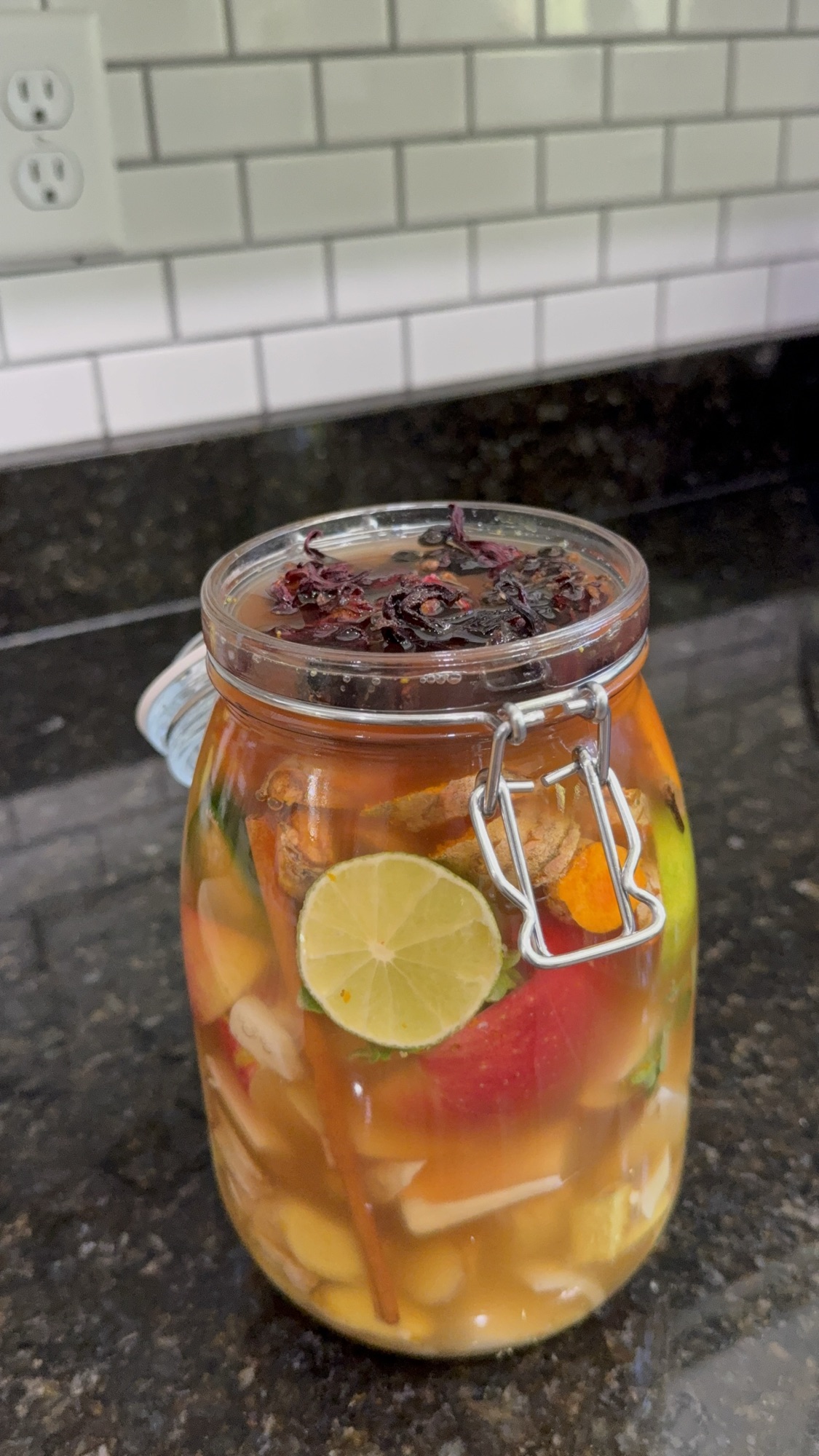
If you’ve spent any time exploring natural remedies, chances are you’ve heard of fire cider. A powerful herbal tonic has been used for decades in the world of folk medicine, praised for its ability to boost immunity, improve digestion, and fight off seasonal colds. Packed with fiery ingredients like horseradish, garlic, onion, ginger, and hot peppers steeped in apple cider vinegar, fire cider is as potent as its name suggests.
But what exactly is fire cider? How do you make it? Is it safe to take daily? And what does the science say about its benefits? In our guide we’ll dive deep into everything you need to know about fire cider from its history and traditional roots, to DIY recipes, health benefits, variations, and safe usage. Whether you’re brand-new to herbalism or a seasoned wellness enthusiast, this article will give you the knowledge and confidence to explore fire cider as part of your natural health routine.

What Is Fire Cider?
Fire cider is a herbal tonic traditionally made by infusing apple cider vinegar with immune-supporting ingredients like garlic, onion, horseradish, ginger, and hot peppers. It was popularized in the 1970s by herbalist Rosemary Gladstar, often called the “godmother of modern herbalism.” She promoted fire cider as a household remedy for seasonal illnesses, digestive issues, and overall wellness.
Fire cider has become a staple in herbal medicine cabinets and is now widely prepared at home or purchased from small herbal companies. It’s usually taken in small amounts (a spoonful or shot) as a preventive or to help shorten colds and boost resilience during winter.
A Brief History of Fire Cider
Folk tradition: Vinegar-based remedies have existed for centuries, especially in European folk medicine.
Rosemary Gladstar’s influence: In the late 1970s, Gladstar taught her herbal students to make fire cider, sparking its popularity.
Trademark controversy: In 2012, a company trademarked the term “Fire Cider,” leading to lawsuits and pushback from the herbalist community. After years of activism under the slogan “Free Fire Cider”, the term was eventually ruled generic in 2019, returning it to public use.

Health Benefits of Fire Cider
While scientific studies specifically on fire cider are limited, many of its ingredients are well-researched.
Immune System Support
- Garlic, ginger, and onions have natural antimicrobial and antiviral properties.
- Apple cider vinegar supports gut health, which plays a key role in immunity.
Digestive Health
- The vinegar and spices stimulate stomach acid and digestive enzymes.
- Ginger and horseradish can help reduce bloating and gas.
Anti-Inflammatory Properties
- Turmeric (often added in modern recipes) has proven anti-inflammatory effects.
- Capsaicin in hot peppers may help reduce pain perception.
Circulatory and Energy Boost
Many users report increased energy and reduced sluggishness.
Spicy ingredients promote circulation and a natural warming effect.

Key Ingredients in Fire Cider
Traditional recipes include:
- Apple cider vinegar – the base, rich in probiotics and acidity.
- Horseradish root – clears sinuses, antimicrobial.
- Onion & garlic – immune-boosting, antibacterial.
- Ginger root – anti-nausea, digestive stimulant.
- Hot peppers – circulation and warmth.
Optional add-ins: turmeric, citrus, rosemary, thyme, sorrel, whole cloves, juniper berries or honey for sweetness.

How to Make Fire Cider at Home (Step-by-Step)
Ingredients You’ll Need
- 1 cup fresh horseradish root, grated
- 1 onion, chopped
- 10 cloves garlic, crushed
- 1 lemon or lime, sliced
- ½ cup fresh ginger root, grated
- 2 fresh hot peppers, chopped
- 3 tbsp turmeric root or powder
- 2 tbsp fresh rosemary
- 3 cups raw apple cider vinegar
- Raw honey (to taste, after straining)
Directions
- Place all solid ingredients into a clean quart jar.
- Pour apple cider vinegar over the mixture until covered.
- Seal with a plastic lid or use parchment paper as a buffer between metal lid and glass jar (vinegar corrodes metal).
- Store in a cool, dark place for 4–6 weeks, shaking daily.
- Strain through cheesecloth and store in a clean jar.
- Add raw honey to taste.

Dosage and Safe Usage
- Typical dose: 1 tablespoon daily for general wellness.
- During illness: up to 3 tablespoons spread throughout the day.
- Can be taken straight, diluted in water, or added to food.
- Not recommended for children under 1 (due to honey) or people with vinegar sensitivity.
Popular Variations of Fire Cider
- Citrus Fire Cider: with oranges, lemons, and grapefruit.
- Turmeric Fire Cider: for stronger anti-inflammatory benefits.
- Berry Fire Cider: includes elderberries for immune support.
- Sweet Fire Cider: extra honey to balance the heat.
Fire Cider in Modern Herbalism
Today, fire cider is sold in wellness shops and herbal apothecaries across the U.S. It’s also a common teaching recipe in herbalism schools. Many herbalists see it as a “gateway remedy” that introduces people to the benefits of home herbal medicine.

Scientific Evidence Behind Ingredients
- Garlic: Studies show it can reduce cold duration by 70%.
- Ginger: Clinical trials confirm benefits for digestion and nausea.
- Turmeric: Over 3,000 studies show anti-inflammatory effects.
- Apple cider vinegar: Limited direct research, but promising for blood sugar balance and gut health.
Culinary Uses of Fire Cider
Fire cider isn’t just medicinal it’s also flavorful.
- Use as a salad dressing base.
- Add to marinades for meat or tofu.
- Splash into soups, stews, or stir-fries for extra zing.
Storage and Shelf Life
- Stored in a sealed glass jar, fire cider lasts up to 12 months.
- Keep in a cool, dark place or refrigerate for best flavor.

Potential Risks and Side Effects
- May cause heartburn or stomach upset.
- Avoid during pregnancy unless approved by a healthcare professional.
- Those on blood-thinning medication should consult a doctor (due to garlic/ginger).
Fire Cider vs. Other Herbal Tonics
- Elderberry syrup – sweeter, focused on viral defense.
- Oxymels – honey and vinegar infusions, gentler than fire cider.
- Bitters – digestive support, less spicy.
Quick Takeaways
- Fire cider is a vinegar-based herbal tonic for immunity and digestion.
- Ingredients include garlic, onion, ginger, horseradish, hot peppers, and apple cider vinegar.
- Traditionally taken daily in small doses for preventive health.
- Scientific studies support the benefits of its ingredients.
- Can be made at home or purchased, with many recipe variations.
Fire cider has stood the test of time as one of the most beloved herbal remedies. Its fiery blend of roots, spices, and vinegar makes it a powerful ally during cold and flu season, while also offering digestive and anti-inflammatory support year-round. Whether you craft your own batch at home or buy it from a trusted herbal company, fire cider embodies the beauty of folk medicine: simple, affordable, and effective.
If you’re curious about natural remedies, fire cider is a great place to start. Just remember to listen to your body, use it responsibly, and enjoy the process of connecting with this age-old tradition.

FAQs
Q1: Can children take fire cider?
Children over 1 can take small amounts, but recipes may need extra honey to reduce heat. (Consult with your pediatrician before giving your child any new foods including fire cider)
Q2: How long does it take to work?
Many people report feeling relief within days during a cold, though results vary.
Q3: Can I make fire cider without horseradish?
Yes, though it’s traditional, you can substitute with daikon or leave it out.
Q4: Is store-bought fire cider as good as homemade?
Yes, but homemade allows customization and cost savings.
Q5: Can fire cider help with weight loss?
There’s no direct evidence, but apple cider vinegar may support metabolism and satiety.
We’d love to hear from you! Have you ever made your own fire cider, or do you prefer store bought versions? Share your experiences in the comments below and don’t forget to pass this article along to friends who love natural remedies!

Want To Learn More?
IF YOU LIKE THIS POST
You might also like these:
We’d love to hang out with you on our social channels. You can subscribe to our blog and find us on Facebook, Youtube, Instagram and Pinterest! Feel free to reach out if you have any plant questions!
DISCLOSURE
This blog post may contain affiliate links. Which means if you click on a link and go on to buy the product I recommend, I may get a small commission at no extra cost to you.
Thank you for your support. It means the world to us!

The Thrifted Planter
Ciearra is a gardener and houseplant enthusiast of over 10 years! She has been growing indoors and outdoors. Supplying food for her family and beautifying her home with annuals, perennials and houseplants! Ciearra is passionate about sharing her knowledge of plant care with anyone who needs help or a quick plant growth tip! When she’s not blogging you can find her tending to her chickens, dogs and hanging out with her family

Nestera Chicken Coop

Park Seed
Garden Tower Project
Vego Garden Beds

Botanical Interests
Amazon Favorites!

Hoselink
Web Stories


