When to pick ghost peppers In the Garden
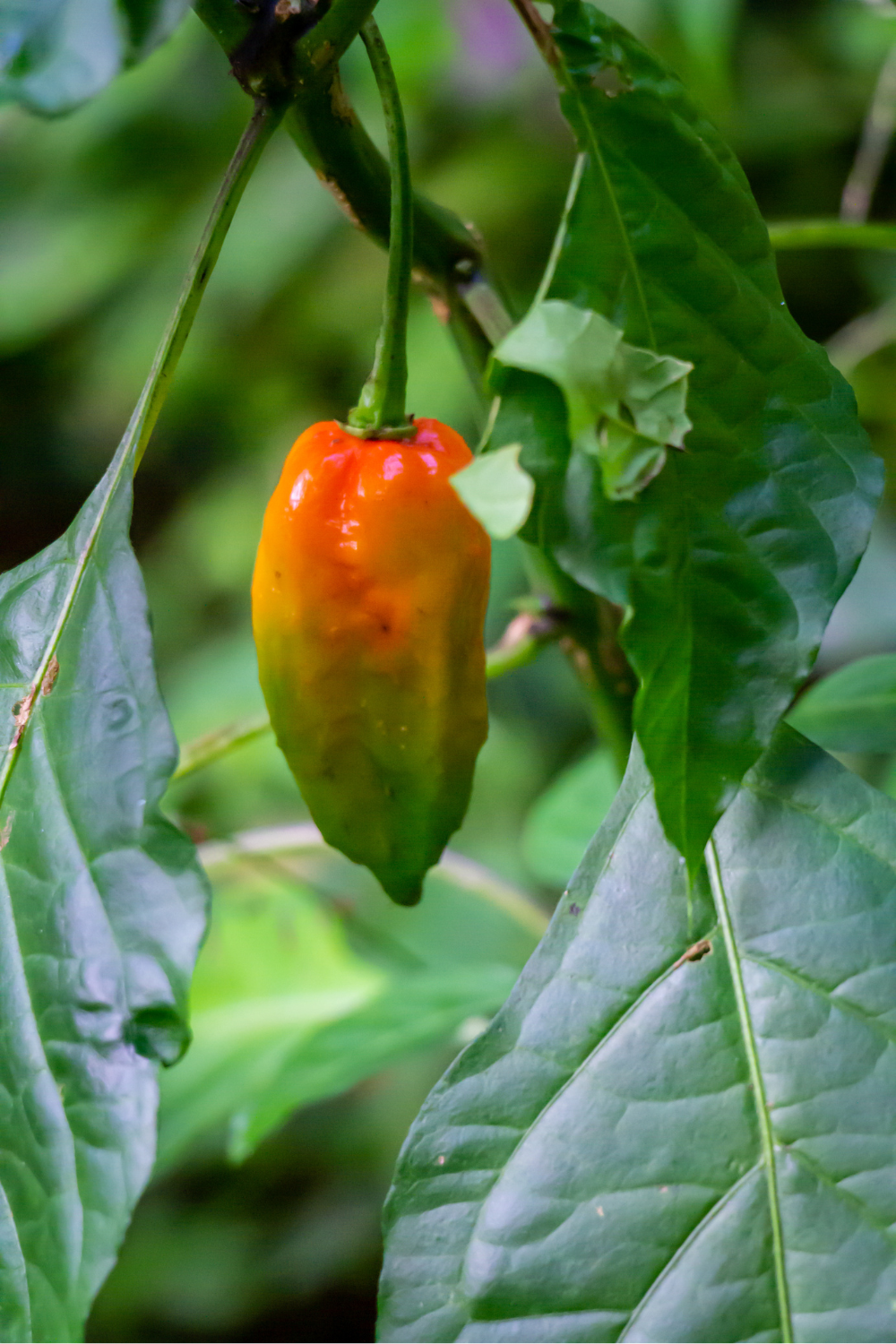
Ghost peppers, known scientifically as Capsicum frutescens and commonly referred to as Bhut Jolokia, are among the hottest peppers in the world. Their fiery heat, measured in Scoville heat units (SHU), can reach over 1 million, making them a favorite for spicy foods and homemade hot sauces.
Whether you’re growing ghost pepper plants in your garden or managing them in pots, knowing the right time to harvest these peppers is crucial for maximizing their flavor and extreme heat!

This blog post may contain affiliate links. Which means if you click on a link and go on to buy the product I recommend, I may get a small commission at no extra cost to you.
When to Pick Ghost Peppers
Understanding Ghost Peppers
Ghost peppers come in various colors and varieties, including the classic red ghost pepper, yellow ghost pepper, and the distinctive chocolate ghost pepper.
They originate from northeast India, specifically Assam and Nagaland, and are renowned for their intense capsaicin levels, which contribute to their extreme spiciness.

When to Harvest Your Ghost Peppers
The Color Change
One of the most noticeable indicators that ghost peppers are ready to be picked is the color change. Ghost peppers typically start as green peppers and gradually turn to their mature color, which can be red, yellow, or chocolate, depending on the variety. The final color of the pepper signifies its ripeness and peak heat level.
- Red Ghost Peppers: These peppers should be a bright red color when fully ripe.
- Yellow Ghost Peppers: Look for a vibrant yellow hue.
- Chocolate Ghost Peppers: These should turn a deep, rich brown.
Pepper Texture and Wrinkles
Mature ghost peppers often have a wrinkly fruit texture. This is particularly evident in varieties like the red ghost pepper. When the pepper’s skin becomes more wrinkled, it indicates that it is nearing its peak maturity.
Pepper Size and Shape
Ghost peppers are usually full-sized and plump by the time they are ready to harvest. The full size of the pepper can vary depending on the specific ghost pepper variety. Ensure the peppers have reached their expected size and shape before picking.

The Growing Season
Ghost peppers have a relatively long growing season, often extending into late summer or early fall. The end of the growing season is an ideal time to start checking for ripe peppers.
In regions with a warm climate, like south Florida, peppers may ripen earlier, while in cooler areas, like San Francisco or New York, it might take longer.
Heat Levels and Scoville Rating
As peppers ripen, their heat level intensifies. The Scoville rating of ghost peppers increases as they mature, reaching their peak spiciness when fully ripe.
Unripe green ghost peppers will have a significantly lower Scoville rating compared to their mature counterparts.

How to Pick Ghost Peppers
Use the Right Tools
To avoid damaging the plant or the peppers, use clean, sharp garden shears or pruning scissors. Gently cut the peppers from the plant, leaving a small part of the stem attached. Avoid pulling or twisting the peppers, as this can harm the plant.
Handling and Storage
After harvesting, handle ghost peppers with care. They can be stored at room temperature or in a cool, dry place for a short period. For longer storage, consider freezing or drying them. Wearing gloves is recommended to avoid skin irritation from the potent capsicum.
Future Use
Fresh ghost peppers can be used to make hot sauces, add heat to dishes, or preserved for later use. If you’re experimenting with homemade sauces, remember that ghost peppers will add a significant kick to your recipes.

Additional Tips for Growing Ghost Peppers
- Soil and Fertilization: Ghost peppers thrive in well-drained soil rich in organic matter. Use organic fertilizers or liquid fertilizers during the growing season to support healthy growth. Avoid over-fertilizing, as too much nitrogen can lead to excessive foliage growth at the expense of fruit production.
- Watering: Keep the soil moist but not waterlogged. Consistent watering is essential, especially during humid conditions or heat waves. Use a moisture meter to monitor soil moisture levels.
- Temperature: Ghost peppers prefer warm temperatures and full sun. Ensure they receive direct sunlight and are protected from cold weather, as this can inhibit their growth and fruit development.

Knowing when to pick ghost peppers is key to enjoying their full flavor and fiery heat. Monitor the color change, texture, and size of the peppers, and be mindful of the growing season and heat levels.
By following these guidelines, you’ll be able to harvest your ghost peppers at their peak and make the most of their intense spiciness.
Happy harvesting, and enjoy the thrill of growing and using one of the world’s hottest peppers! 🌶️
Want More?
Gardening is food for the soul. It is worthwhile learning how to properly grow your own food.
IF YOU LIKE THIS POST
You might also like these:
- How to properly water your houseplants
- Best soil to tropical houseplants
- Best Indoor Trailing Houseplants
We’d love to hang out with you on our social channels. You can subscribe to our blog and find us on Facebook, Youtube, Instagram and Pinterest! Feel free to reach out if you have any plant questions!
DISCLOSURE
This blog post may contain affiliate links. Which means if you click on a link and go on to buy the product I recommend, I may get a small commission at no extra cost to you.
Thank you for your support. It means the world to us!

The Thrifted Planter
Ciearra is a gardener and houseplant enthusiast of over 10 years! She has been growing indoors and outdoors. Supplying food for her family and beautifying her home with annuals, perennials and houseplants! Ciearra is passionate about sharing her knowledge of plant care with anyone who needs help or a quick plant growth tip! When she’s not blogging you can find her tending to her chickens, dogs and hanging out with her family

Nestera Chicken Coop

Park Seed
Garden Tower Project
Vego Garden Beds

Botanical Interests
Amazon Favorites!

Hoselink
Web Stories


