How Deep Do Cactus Roots Grow?
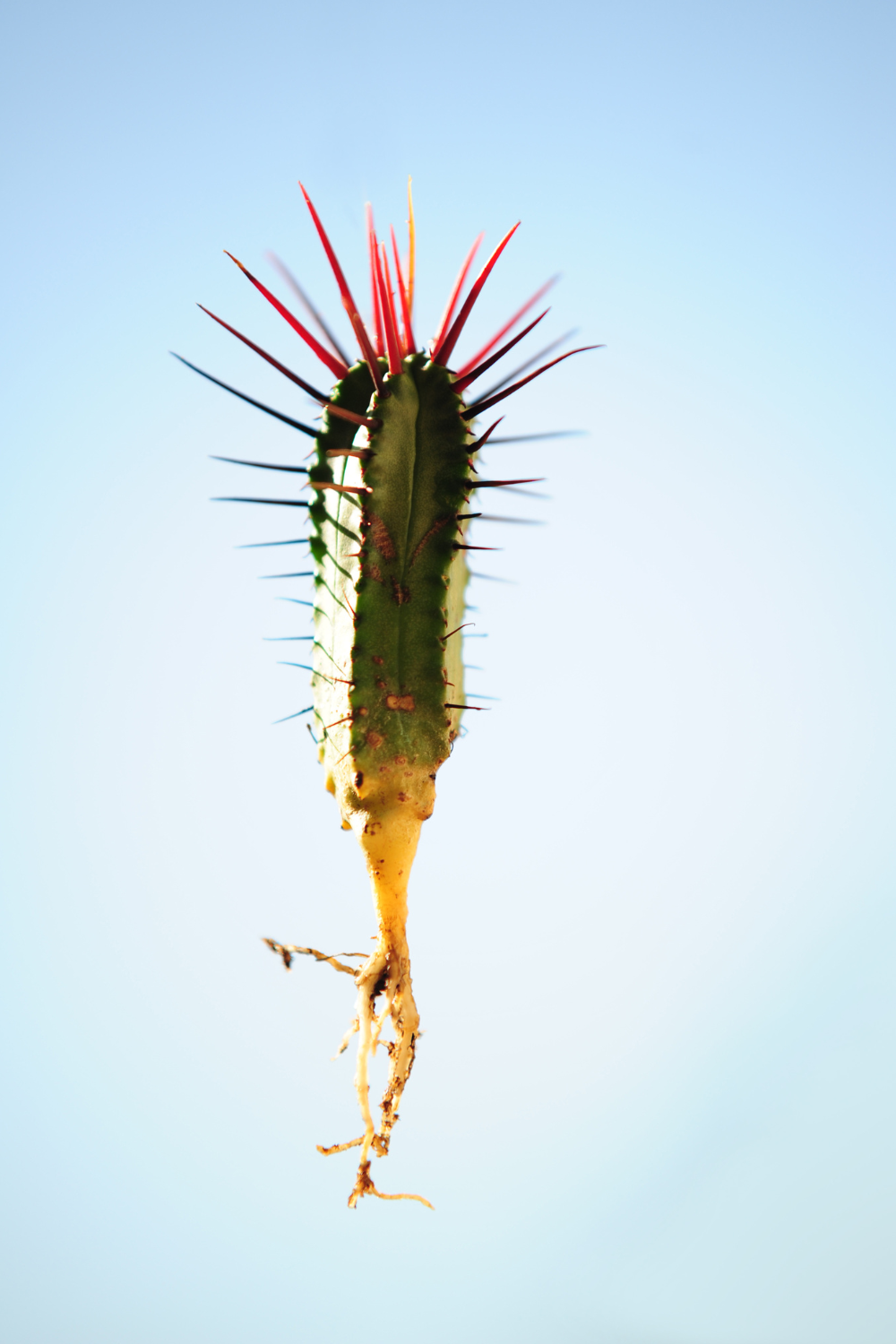

How Deep do Cactus Roots Grow?
Cacti are fascinating plants adapted to survive in harsh conditions, often characterized by their unique root systems. Understanding how deep cactus roots grow is crucial for proper care and cultivation. In this blog post, we’ll explore the depth and structure of cactus roots, including factors that influence their growth.
Their history is deeply rooted in the evolution of life on Earth and the cultural development of human societies. Here is an exploration of the history of cacti, from their origins to their modern-day significance.
Evolutionary Origins of Cacti
Cacti belong to the plant family Cactaceae, which is believed to have evolved around 35 million years ago during the Eocene epoch. Their evolution is closely tied to the arid and semi-arid regions of the Americas, where they developed specialized adaptations to survive harsh desert conditions. These adaptations include thick, fleshy stems for water storage, reduced or absent leaves to minimize water loss, and spines for protection and shade.
The oldest known fossil evidence of cacti comes from Patagonia in Argentina, dating back approximately 35 million years. These fossils suggest that cacti originated in South America before spreading northward into Central America, Mexico, and the southwestern United States. As the continents shifted and climates changed, cacti diversified and adapted to a variety of ecological niches, ranging from deserts to tropical forests.

Understanding Cactus Root Systems
Cactus roots are designed to maximize water absorption and retention, helping the plant survive in dry soil conditions.
There are two main types of root systems found in cacti:
Shallow Root Systems
Most cacti, including Prickly Pear and Christmas Cactus, have shallow root systems. These roots spread out horizontally just below the surface of the soil, allowing the plant to quickly absorb water from rain or irrigation.
Depth: Typically, these roots extend only a few inches into the soil.
Function: Shallow roots help the cactus capture surface moisture and prevent water loss through evaporation.
Deep Root Systems
Some species of cacti, such as the Saguaro Cactus and San Pedro Cactus, have deeper roots that anchor the plant and provide access to underground water sources.
Depth: These roots can grow several feet deep, depending on the species and environmental conditions.
Function: Deep roots help support the plant’s structure and ensure a steady water supply during droughts.

Factors Influencing Cactus Root Depth
Several factors determine how deep cactus roots grow:
Species of Cacti
Different species have varying root systems. Columnar cacti like the Saguaro tend to have deeper roots, while smaller plants and caudex plants often have shallower root systems.
Soil Type
Cactus roots thrive in well-draining cactus soil or succulent soil, which prevents root rot and allows for healthy root growth. A good rule of thumb is to use a soil mix that includes sand, perlite, and organic matter to create air pockets and promote drainage.
Pot Size and Type
The size of the pot can impact root development. Small pots restrict root growth, while large pots allow more room for roots to spread. Ensure that the pot has drainage holes at the bottom to prevent excess moisture buildup.
Environmental Conditions
Cacti prefer plenty of light and warm temperatures. Direct sunlight and full sun exposure encourage robust root growth. During the rainy season, cacti may develop new roots to take advantage of increased moisture.

Caring for Cactus Roots
Proper care is essential for maintaining healthy cactus roots and promoting new growth.
Here are some of our tips:
Repotting
Repot your cactus every couple of years or when the plant outgrows its current pot. The first step is to gently remove the cactus from the old pot and inspect the roots. Trim any black spots or damaged areas and transfer the plant to a new pot with fresh soil.
Watering
Avoid overwatering, as cacti require very little water to thrive. Allow the top of the soil to dry out completely between waterings. During late spring and the growing season, water your cactus more frequently, but reduce watering during the dormant period.
Propagation
Cacti can be propagated from cactus seeds or new cuttings. Allow the cuttings to dry for a few days to form a callus before planting them in the soil. This process encourages the development of new roots.
Monitoring Root Health
Check for signs of root rot, such as a mushy base or unpleasant odor. Healthy cactus roots should be firm and free from disease. If you notice any issues, adjust your watering habits and ensure the plant receives enough light.

Special Features of Cactus Roots
Aerial Roots: Some cacti, like the Epiphyllum, can develop aerial roots that grow above the ground to absorb moisture from the air.
Tap Root: Certain species, such as Saguaro Cacti, have a central tap root that grows deep into the ground to access underground water.
Fibrous Root Systems: These roots spread widely across the soil surface, allowing for quick water absorption during rain.

How to Care for Cactus Plants
Caring for cactus houseplants is relatively straightforward, making them an excellent choice for both beginners and experienced plant enthusiasts. Cacti are known for their ability to thrive in challenging environments and require minimal maintenance once their basic needs are met. Here’s a detailed guide on how to care for cactus houseplants:
Light Requirements
Bright Light: Cacti thrive in bright, direct sunlight. Ideally, place them near a south- or west-facing window where they can receive at least 4-6 hours of sunlight daily.
Supplemental Light: If natural light is insufficient, consider using grow lights to provide the necessary light intensity. Ensure the light source is close enough to the cactus to mimic natural sunlight.
Watering
Infrequent Watering: Cacti are drought-tolerant and should be watered sparingly. Allow the soil to dry out completely between waterings.
Watering Method: Water thoroughly until water drains from the bottom of the pot, then discard excess water to prevent root rot. Avoid letting the cactus sit in water.
Seasonal Adjustments: During the growing season (spring and summer), water more frequently, approximately every 2-4 weeks, depending on the environment. Reduce watering in the fall and winter when cacti are dormant.
Soil and Potting
Well-Draining Soil: Use a cactus-specific potting mix that provides excellent drainage. You can also create your own mix by combining regular potting soil with coarse sand or perlite.
Pot Selection: Choose a pot with drainage holes to prevent water from accumulating at the bottom. Terracotta pots are ideal as they allow excess moisture to evaporate.
Temperature and Humidity
Temperature: Cacti prefer warm temperatures ranging from 65°F to 80°F (18°C to 27°C) during the growing season. They can tolerate cooler temperatures in winter, but avoid exposing them to temperatures below 50°F (10°C).
Low Humidity: Cacti thrive in dry environments with low humidity. Avoid placing them in areas with high humidity, such as bathrooms.
Fertilizing
Growing Season Fertilizer: Feed your cacti with a diluted, low-nitrogen cactus fertilizer during the growing season, approximately every 4-6 weeks.
Avoid Over-Fertilizing: Do not fertilize in the fall and winter when growth slows down, as this can lead to nutrient buildup and damage.
Repotting
Repotting Frequency: Repot cacti every 2-3 years or when they outgrow their container. Choose a slightly larger pot with fresh potting mix.
Handling Cacti: Use thick gloves or tongs to handle cacti to protect your hands from spines. Gently remove the cactus from its pot, shake off excess soil, and place it in the new pot with fresh soil.
Pest Management
Common Pests: Cacti can be affected by pests such as mealybugs, spider mites, and scale insects. Regularly inspect your plants for signs of infestations.
Pest Control: Use insecticidal soap, neem oil, or a cotton swab dipped in alcohol to remove pests. Ensure you treat all parts of the plant, especially under leaves and around the base.
Monitoring Plant Health
Signs of Stress: Yellowing or wilting can indicate overwatering or poor drainage. Adjust care practices accordingly.
Rot and Decay: If you notice any signs of rot, remove the affected area promptly and allow the plant to dry out. Adjust watering habits to prevent recurrence.

Popular Cactus Houseplants
Here are some popular cacti that are well-suited for indoor growing:
Golden Barrel Cactus (Echinocactus grusonii): Known for its spherical shape and golden spines, it adds a striking look to any collection.
Christmas Cactus (Schlumbergera spp.): This cactus blooms beautifully during the holiday season and prefers slightly less light than desert cacti.
Bunny Ears Cactus (Opuntia microdasys): Recognized for its small, fuzzy pads, it is a fun addition to a cactus collection.
Fairy Castle Cactus (Acanthocereus tetragonus): Features spires that resemble castle turrets, adding architectural interest to your indoor garden.
By providing the right conditions and care, your cactus house plants will thrive and add a unique and beautiful element to your home. With their varied shapes, textures, and colors, cacti offer endless possibilities for indoor decoration.
Cactus roots play a crucial role in the plant’s survival and growth. By understanding the depth and structure of cactus roots, you can provide the right care and conditions for your cacti to thrive. Whether you’re growing indoor cactus plants or larger outdoor specimens, proper attention to their root systems will ensure healthy growth and new growth for years to come. Whether you’re a seasoned cactus enthusiast or a new member of the cactus-growing community, knowing how to care for cactus roots will help you cultivate a thriving collection of these unique and resilient plants.
Happy Gardening!
Want More?
Houseplants are gorgeous living home decor. It is worthwhile learning how to properly care for them.
IF YOU LIKE THIS POST
You might also like these:
- How to properly water your houseplants
- Best soil to tropical houseplants
- Best Indoor Trailing Houseplants
We’d love to hang out with you on our social channels. You can subscribe to our blog and find us on Facebook, Youtube, Instagram and Pinterest! Feel free to reach out if you have any plant questions!
DISCLOSURE
This blog post may contain affiliate links. Which means if you click on a link and go on to buy the product I recommend, I may get a small commission at no extra cost to you.
Thank you for your support. It means the world to us!

The Thrifted Planter
Ciearra is a gardener and houseplant enthusiast of over 10 years! She has been growing indoors and outdoors. Supplying food for her family and beautifying her home with annuals, perennials and houseplants! Ciearra is passionate about sharing her knowledge of plant care with anyone who needs help or a quick plant growth tip! When she’s not blogging you can find her tending to her chickens, dogs and hanging out with her family
One response to “How Deep Do Cactus Roots Grow?”
Leave a Reply

Nestera Chicken Coop

Park Seed
Garden Tower Project
Vego Garden Beds

Botanical Interests
Amazon Favorites!

Hoselink
Web Stories


[…] How deep to Cactus Roots Grow? […]