How to Make Your Venus Flytrap Grow Huge!
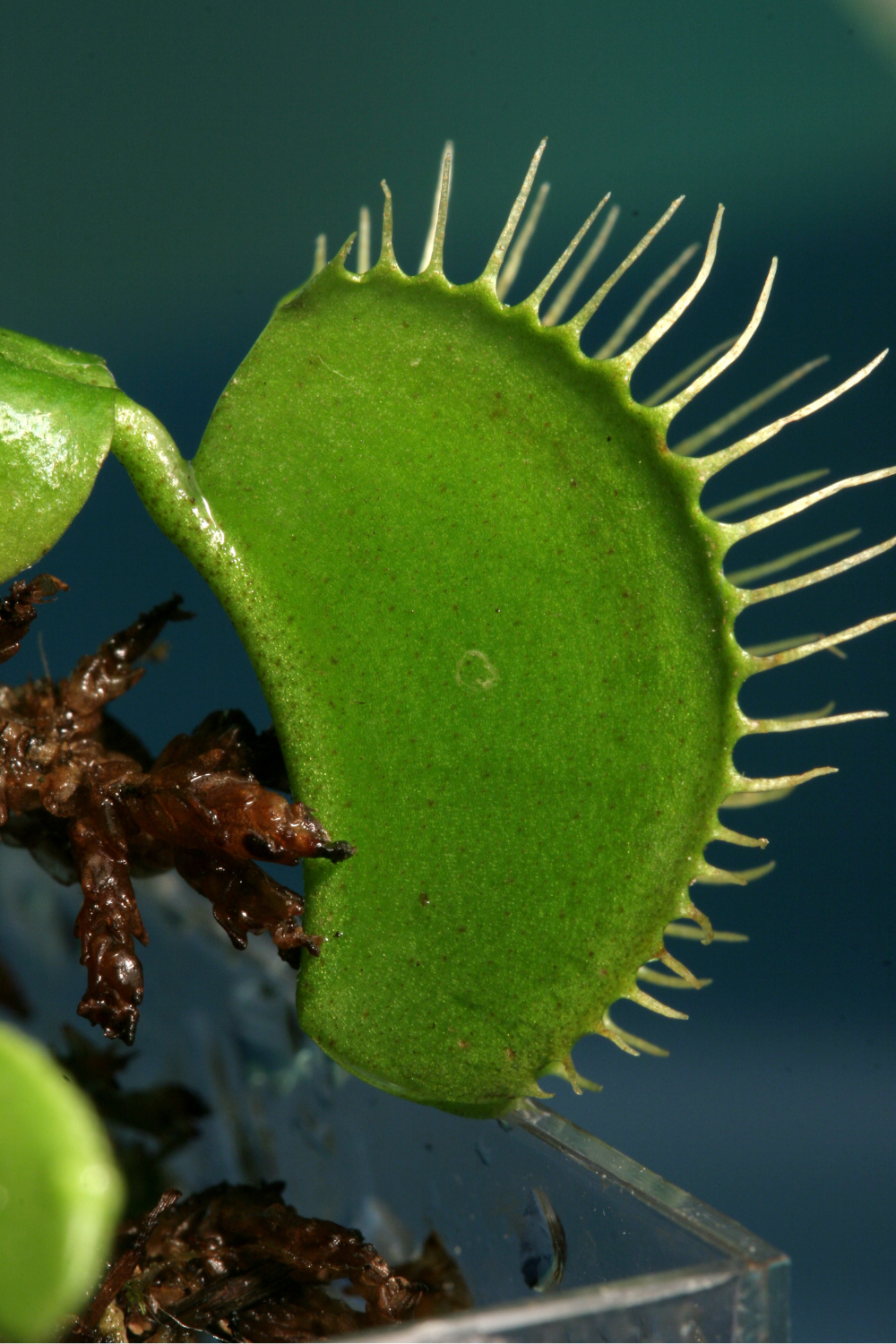
Native to the coastal bogs of North and South Carolina, the Venus Flytrap (Dionaea muscipula) thrives in conditions that mimic its natural habitat. But this fascinating plant has specific needs as a carnivorous plant. Our guide will walk you through the best practices for growing big Venus Flytraps, including proper watering, lighting, and care tips!

Choosing the Right Environment
Light Requirements
Venus Fly Traps need full sun to grow well. Provide them with at least 12 hours of direct sunlight daily, especially during the growing season in early spring and summer. If natural light is insufficient, consider using fluorescent lights or a grow light to ensure they receive enough light.
Temperature and Humidity
Venus Flytraps thrive in warm temperatures between 70-90°F (21-32°C) during the day and cooler temperatures at night. They prefer high humidity, which can be maintained by placing the pot in a tray of water or using a humidity dome.
Soil and Watering
Use a potting mix that mimics the nutrient-poor, acidic soils of their natural habitat. A suitable mix includes sphagnum moss (or peat moss) and horticultural sand or perlite for good drainage. However, avoid standard potting soil as this can harm the plant.
Venus Fly Traps require pure water such as distilled water, rainwater, or reverse osmosis water. Avoid using tap water, as it contains minerals that can be harmful. Maintain moist soil by placing the pot in a water tray, ensuring drainage holes allow excess water to escape. This method prevents root rot and keeps the soil adequately moist.
Unsure of how to water your cactus plants? Check out our Cactus watering post here!

Feeding and Nutrition
Venus Fly Traps obtain nutrients by catching live insects like fungus gnats and mosquitoes. During the growing season, you can feed them small insects every 2-4 weeks. Do not overfeed; each trap only needs one insect per feeding.
These plants naturally grow in nutrient-poor soil, so they rely on catching insects for nutrition. Avoid using fertilizers, as they can damage the plant.
Potting and Repotting
Select a larger pot with drainage holes to allow the roots to grow and prevent waterlogging. Deep pots are beneficial for supporting root development.
Repot Venus Flytraps every 1-2 years, preferably in late winter or early spring, before new growth starts. Use fresh soil mix to ensure the plant has the best growing medium.
Dormancy and Growth
In their native habitat, Venus Fly Traps enter a dormancy period during the winter months. During this time, reduce watering and allow the plant to rest in cooler temperatures (around 40°F or 4°C). This period is crucial for healthy growth in the next growing season.
To propagate new plants, take leaf cuttings in late summer and place them in a suitable soil mix.

Tips for Success
Avoid Overwatering: Provide the right amount of water and ensure good drainage to prevent root rot.
Use Natural Light: Whenever possible, provide the plant with natural sunlight.
Monitor Temperature: Protect the plant from extreme temperatures, whether hot or cold.
By following our tips and mimicking their natural environment, you can encourage your Venus Flytrap to grow big and healthy. These fascinating plants add a unique touch to any plant collection and are a rewarding project for carnivorous plant growers. With the right care and attention, your Venus Flytrap can thrive and develop large, robust traps.
Happy Gardening!
Want More?
Houseplants are gorgeous living home decor. It is worthwhile learning how to properly care for them.
IF YOU LIKE THIS POST
You might also like these:
- How to properly water your houseplants
- Best soil to tropical houseplants
- Best Indoor Trailing Houseplants
We’d love to hang out with you on our social channels. You can subscribe to our blog and find us on Facebook, Youtube, Instagram and Pinterest! Feel free to reach out if you have any plant questions!
DISCLOSURE
This blog post may contain affiliate links. Which means if you click on a link and go on to buy the product I recommend, I may get a small commission at no extra cost to you.
Thank you for your support. It means the world to us!

The Thrifted Planter
Ciearra is a gardener and houseplant enthusiast of over 10 years! She has been growing indoors and outdoors. Supplying food for her family and beautifying her home with annuals, perennials and houseplants! Ciearra is passionate about sharing her knowledge of plant care with anyone who needs help or a quick plant growth tip! When she’s not blogging you can find her tending to her chickens, dogs and hanging out with her family

Nestera Chicken Coop

Park Seed
Garden Tower Project
Vego Garden Beds

Botanical Interests
Amazon Favorites!

Hoselink
Web Stories


