What is a Death Bloom on a Succulent?
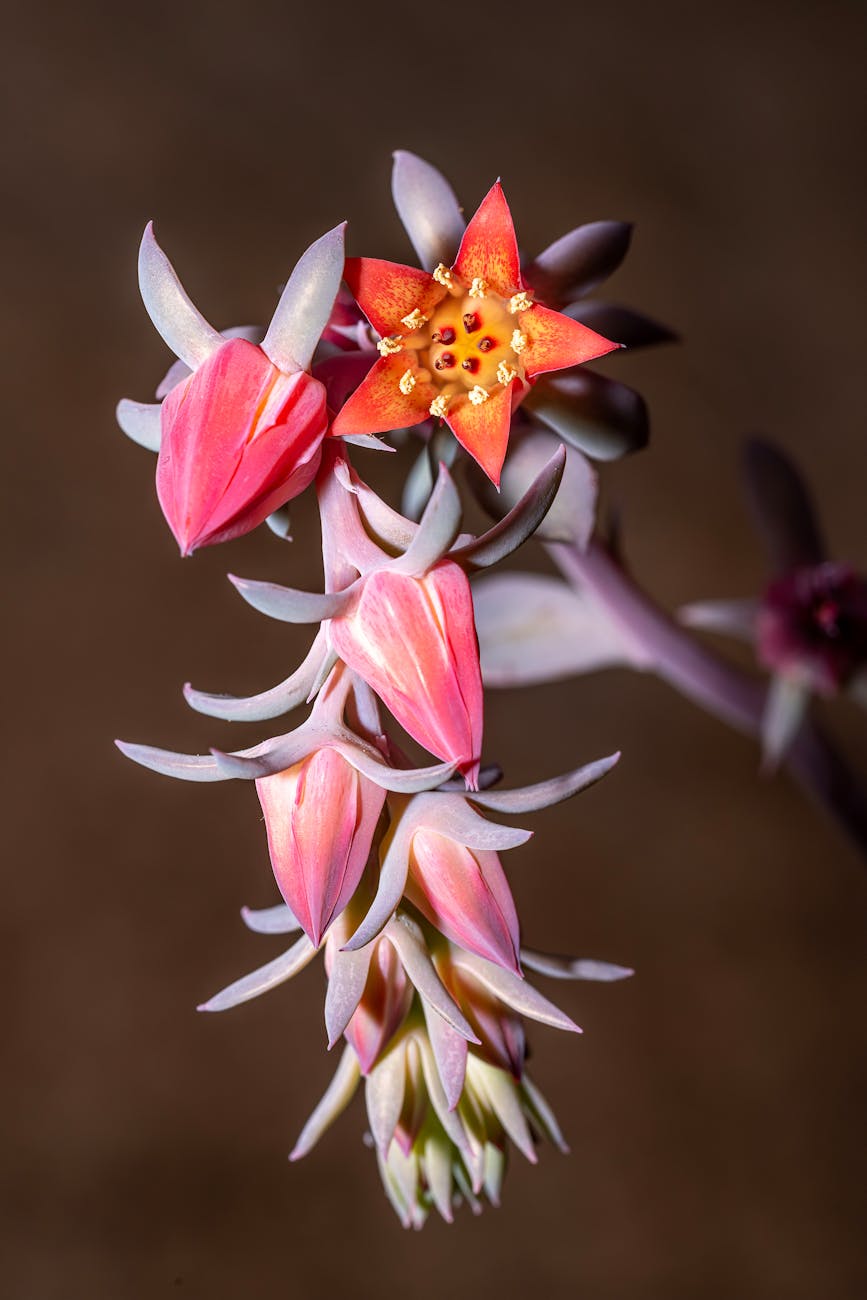
If you’re a succulent enthusiast, you’ve likely heard of the term “death bloom.” While it may sound ominous, understanding what a death bloom is and how it affects your succulents can help you care for your beloved plants better.
In this post, we’ll dive into the fascinating world of monocarpic plants, explain what a succulent death bloom is, and discuss what it means for the mother plant and its offspring.
What is a Death Bloom on a Succulent?

Understanding Monocarpic Succulents
First, let’s talk about what monocarpic means. Monocarpic plants are those that flower, set seed, and then die after their flowering period. This life cycle is also referred to as the cycle of life or the natural process of the plant. While this might seem like a drastic change for your succulent, it’s important to understand that it’s a natural part of the plant’s life cycle. Once the plant produces its final bloom, the entire plant dies, but not before it leaves behind a legacy—new seeds or baby plants.
Monocarpic plants are those that flower, set seeds, and then die after completing their life cycle.
Five Monocarpic Plants
- Agave americana (Century Plant): Agave plants are well-known for their long lifespan, taking many years (often decades) to flower. Once they do, they produce a tall flower stalk, set seeds, and then die.
- Bamboo (Certain species): Some bamboo species are monocarpic, flowering only once after several decades of growth. After flowering, the entire plant dies, although the seeds it produces ensure the continuation of the species.
- Sempervivum tectorum (Houseleek or Hen and Chicks): This succulent plant produces a single rosette that flowers once in its lifetime. After flowering, the rosette dies, but the plant often produces offsets or “chicks” that continue to grow.
- Yucca whipplei (Our Lord’s Candle): This monocarpic plant flowers once, producing a tall, dramatic flower spike. After the plant has flowered and set seeds, it dies.
- Kalanchoe thyrsiflora (Flapjack Plant or Paddle Plant): This succulent typically flowers only once. After flowering, the main rosette dies, but the plant may produce offsets that continue to grow.

What is a Succulent Death Bloom?
A succulent death bloom occurs when a monocarpic succulent sends up a tall flower stalk from the center of the plant. This is the plant’s way of reproducing. The beautiful flower that appears is the last hurrah of the succulent before it dies. The death bloom may take a long time to fully develop, and during this period, the plant puts all its energy into producing flowers and seeds, which ultimately leads to the plant’s demise.
Common monocarpic succulent plants include certain agave species like Agave americana (often called the century plant), some Echeveria species, and Kalanchoe luciae. These plants will flower once and then die, often leaving behind new offsets or baby plants that will continue the plant’s lineage.
The Life Cycle of a Monocarpic Succulent
The life cycle of a monocarpic succulent begins with years of growth. These healthy plants store up energy in their leaves, roots, and stems. When environmental conditions are just right, such as adequate sunlight and the plant reaching maturity, the plant will send up a single flower stalk or bloom stalk from the center of the rosette. This is known as the terminal bloom or bloom of death. After the flowers appear and the seeds are set, the whole plant begins to wither and die, completing its life cycle.
Good News: The Legacy of the Parent Plant
While it can be sad to see your mother plant die, the good news is that many monocarpic succulents leave behind new plants in the form of offsets or chick plants. These baby plants can be transplanted and will continue to grow, ensuring that the succulent species thrives. In some cases, the parent plant may also produce new leaves or smaller rosettes before it dies.
Is a Death Bloom a Common Occurrence?
The occurrence of a death bloom varies among different types of succulents. Some succulents are polycarpic, meaning they can flower multiple times throughout their lives without dying. These polycarpic succulents include many popular succulent varieties like certain species of Aloe and Sedum. Polycarpic plants don’t die after flowering, so you can enjoy their beautiful blooms year after year.
On the other hand, in monocarpic succulents, the death bloom is a common occurrence, especially in mature plants that have had years of growth. Environmental conditions such as harsh conditions or changes in care can trigger the blooming process earlier than expected, so providing proper care is essential.

How to Handle a Succulent Death Bloom
If you notice a succulent flower stalk emerging from the center of the rosette, it’s a sign that your succulent is entering its final phase of life. While you can’t stop the succulent death bloom from happening, you can ensure your plant has the best possible conditions during this time.
- Provide Plenty of Sunlight: Make sure your succulent receives enough light to support the energy-intensive blooming process. Indoor succulents may benefit from a grow light to provide adequate sunlight.
- Water Properly: Continue to water cannas and other blooming succulents as usual, ensuring the soil is moist but not waterlogged. Well-draining soil is crucial to prevent root rot during this time.
- Avoid Overfertilizing: Succulents flower when they have enough energy stored up, so avoid adding too much fertilizer, which can lead to excessive growth and stress on the plant.
- Harvest Seeds: After the flowers have bloomed, you can collect the seeds for propagation. Seed production is a way for the plant to ensure its survival, and you can grow new succulents from these new seeds.
- Propagate Offsets: If your succulent produces offsets or new growth around the base, you can carefully remove them and replant them to start new plants.
A death bloom may signal the end of the parent plant’s life, but it also marks the beginning of a new generation of succulents. Understanding this natural process allows you to appreciate the beauty and resilience of monocarpic succulents. By providing proper care and recognizing the signs of a terminal bloom, you can enjoy the beautiful flower and ensure the survival of your succulent species for many years to come.
Happy Gardening!
Want More?
Houseplants are gorgeous living home decor. It is worthwhile learning how to properly care for them.
IF YOU LIKE THIS POST
You might also like these:
- How to properly water your houseplants
- Best soil to tropical houseplants
- Best Indoor Trailing Houseplants
We’d love to hang out with you on our social channels. You can subscribe to our blog and find us on Facebook, Youtube, Instagram and Pinterest! Feel free to reach out if you have any plant questions!
DISCLOSURE
This blog post may contain affiliate links. Which means if you click on a link and go on to buy the product I recommend, I may get a small commission at no extra cost to you.
Thank you for your support. It means the world to us!

The Thrifted Planter
Ciearra is a gardener and houseplant enthusiast of over 10 years! She has been growing indoors and outdoors. Supplying food for her family and beautifying her home with annuals, perennials and houseplants! Ciearra is passionate about sharing her knowledge of plant care with anyone who needs help or a quick plant growth tip! When she’s not blogging you can find her tending to her chickens, dogs and hanging out with her family

Nestera Chicken Coop

Park Seed
Garden Tower Project
Vego Garden Beds

Botanical Interests
Amazon Favorites!

Hoselink
Web Stories


