Do You Need to Water Your Cactus Plants?
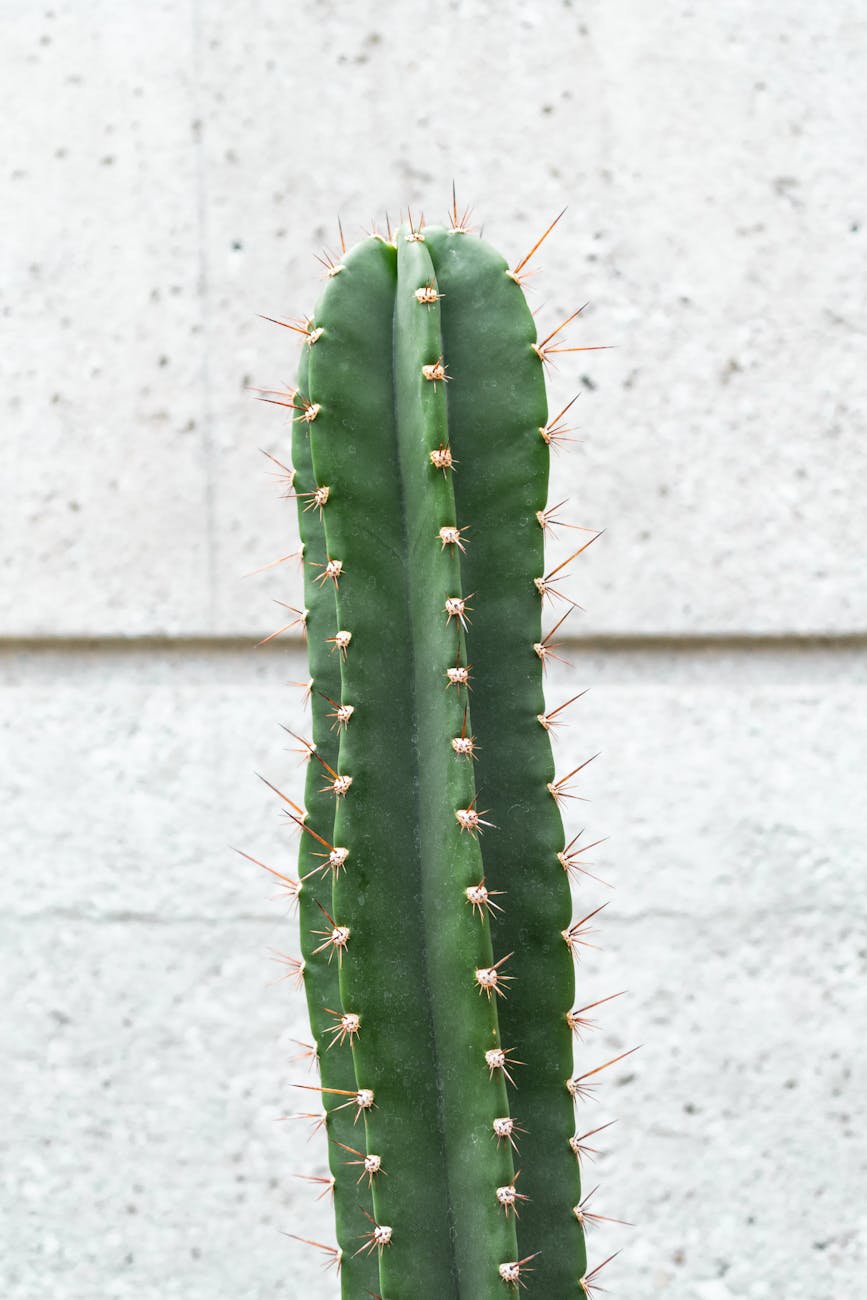
Cactus plants are known for their ability to thrive in dry conditions, making them popular among plant enthusiasts and beginner plant lovers. However, a common misconception is that these hardy plants require little to no water.
Let’s explore the best way to water your cactus plants and how to keep them healthy and vibrant throughout the years.

Do you need to Water Your Cactus Plants?
This Blog Post may contain affiliate links related to products mentioned in this post. If you make a purchase we may receive a small commission.
Understanding Cactus Plants
Cacti are desert-dwelling plants that have evolved to survive in arid environments with minimal water. Their natural habitat includes dry climates like the American Southwest and parts of South America, where they have developed unique features to store water and withstand extreme heat. Different types of cacti, such as the desert cactus and jungle cacti like the Christmas cactus, have varying water needs, which we will explore further.
How Much Water Do Cacti Need?
The amount of water a cactus needs depends on the type of cactus, the time of year, and its growing conditions.
Desert Cacti: These cacti thrive in dry conditions and require minimal water. In their natural habitat, they store water in their thick stems, allowing them to survive long periods without rain.
Jungle Cacti: Unlike their desert counterparts, jungle cacti like the Christmas cactus require more consistent watering. They naturally grow in humid, forested areas and need higher humidity and slightly more water.
Indoor Cacti: Indoor cacti can be more sensitive to water than outdoor cacti. It’s important to monitor their soil moisture and avoid overwatering, which can lead to root rot.

Quick Tips for Growing Indoor Cactus
The key to keeping your cactus healthy is providing the right amount of water at the right time. Here are some best practices for healthy happy cactus plants:
Use Well-Draining Soil
Cacti require a sharp draining soil mix to prevent excess water from accumulating around the roots. A good cactus soil mix should include rocks, sand, and organic matter to allow water to drain quickly.
Ensure Proper Drainage
Always plant cacti in pots with drainage holes at the bottom to allow excess water to escape. Clay pots are a good option as they help to wick moisture away from the soil.
Water Sparingly
The only rule when watering cacti is to avoid overwatering. During the growing season in late spring and summer months, water your cactus more frequently, allowing the soil to fully dry out between waterings.
Because cactus plants store water you can forget to water them for weeks and they will still live. In the winter months, reduce the frequency and amount as the cactus enters dormancy.
Deep Soak Method
The best watering method for cacti is the deep soak technique. Water the plant thoroughly until water drains from the pot’s drainage holes, ensuring the entire root ball is moistened.
Allow the the soil to dry completely before the next watering.

Monitor Soil Moisture
Use a moisture meter to check the soil moisture level. Cacti prefer dry soil, so only water when the meter indicates low moisture levels.
The type of water you use can impact your cactus’s health. Here are some options:
Tap Water: Suitable for most cacti, but allow it to sit for 24 hours to let chlorine dissipate.
Distilled Water: A good idea for sensitive species as it lacks minerals that can build up in the soil.
Rainwater: The best option as it mimics the cactus’s natural habitat and is free of chemicals.

How to Grow Cactus Indoors
Growing cacti as houseplants can be a rewarding experience, thanks to their unique shapes, beautiful blooms, and low-maintenance nature. Whether you’re a seasoned plant enthusiast or a beginner, cacti make a great addition to any indoor space.
Choose the Right Cactus
Varieties: There are many types of cacti suitable for indoor growing, such as the Golden Barrel, Easter Cactus, Christmas Cactus, and Bunny Ears Cactus. Choose a variety that suits your space and aesthetic preferences.
Provide Adequate Light
Sunlight: Cacti thrive in bright, direct sunlight. Place them near a south- or west-facing window where they can receive several hours of direct light each day. If natural light is limited, consider using a grow light to supplement their needs.
Use the Right Soil
Soil Mix: Cacti require well-draining soil to prevent root rot. Use a cactus-specific potting mix or create your own by mixing regular potting soil with coarse sand or perlite. This ensures good drainage and aeration.
Water Sparingly
Watering Schedule: Cacti are drought-tolerant plants that store water in their stems. Allow the soil to dry out completely between waterings. Water deeply until it drains from the bottom of the pot, then allow the soil to dry out again before the next watering.
Seasonal Adjustment: Water less frequently in the winter months when cacti enter dormancy and their growth slows down.
Maintain Suitable Temperature
Temperature Range: Cacti prefer temperatures between 65°F and 80°F (18°C – 27°C) during the growing season. In the winter, they can tolerate cooler temperatures down to 50°F (10°C) as long as they are kept dry.

Ensure Proper Humidity
Humidity Levels: Cacti prefer low humidity environments, similar to their natural desert habitats. Avoid placing them in areas with high humidity, such as bathrooms or kitchens.
Fertilize During the Growing Season
Fertilization: Feed your cacti with a diluted cactus fertilizer or a low-nitrogen, balanced fertilizer every 4-6 weeks during the spring and summer. Avoid fertilizing in the fall and winter when growth slows down.
Repotting
When to Repot: Repot cacti every 2-3 years or when they outgrow their current container. Choose a pot that is slightly larger with good drainage holes.
Repotting Process: Wear gloves to protect your hands from spines. Gently remove the cactus from its current pot, shake off excess soil, and place it in a new pot with fresh potting mix.
Pest Control
Common Pests: Cacti can be susceptible to pests like mealybugs and spider mites. Inspect your plants regularly for signs of pests and treat infestations with insecticidal soap or neem oil.
Monitor for Health Issues
Signs of Stress: Yellowing or wilting can indicate overwatering or poor drainage. Adjust care practices as needed to ensure the plant’s health.

Additional Tips for Cactus Care
Grouping: Group cacti with other succulents to create a visually appealing display while also increasing humidity slightly, benefiting all plants in the grouping.
Avoid Frequent Moving: Cacti can be sensitive to changes in their environment. Once you’ve found a suitable spot, try to keep your cactus there to prevent stress.
Light Requirements: Place your cactus in a bright light location, such as a west-facing window, to provide enough light for healthy growth. Desert cacti prefer full sun, while jungle cacti thrive in indirect light.
Temperature and Humidity: Cacti are adapted to high temperatures and low humidity. Avoid placing them in areas with high humidity, which can lead to excess moisture in the soil.
Potting and Maintenance: Repot your cactus every 2-3 years using fresh potting mix to ensure proper drainage and nutrient availability. Avoid using much fertilizer, as cacti require minimal nutrients.
Common Problems: Overwatering is the most common issue with cactus care, leading to root rot and other health problems. Monitor soil moisture and adjust your watering schedule based on the size of the plant and environmental conditions.

Cacti are low-maintenance plants that can thrive with proper care and attention to their unique water needs. By understanding how to water your cactus plants and their natural habitat, you can enjoy the beauty and longevity of these fascinating prickly plants.
Whether you’re a seasoned plant expert or just starting your indoor garden, cacti are a great option for adding a touch of the desert to your home.
Happy Gardening!
Want More?
Houseplants are gorgeous living home decor. It is worthwhile learning how to properly care for them.
IF YOU LIKE THIS POST
You might also like these:
- How to properly water your houseplants
- Best soil to tropical houseplants
- Best Indoor Trailing Houseplants
We’d love to hang out with you on our social channels. You can subscribe to our blog and find us on Facebook, Youtube, Instagram and Pinterest! Feel free to reach out if you have any plant questions!
DISCLOSURE
This blog post may contain affiliate links. Which means if you click on a link and go on to buy the product I recommend, I may get a small commission at no extra cost to you.
Thank you for your support. It means the world to us!

The Thrifted Planter
Ciearra is a gardener and houseplant enthusiast of over 10 years! She has been growing indoors and outdoors. Supplying food for her family and beautifying her home with annuals, perennials and houseplants! Ciearra is passionate about sharing her knowledge of plant care with anyone who needs help or a quick plant growth tip! When she’s not blogging you can find her tending to her chickens, dogs and hanging out with her family
2 responses to “Do You Need to Water Your Cactus Plants?”
Leave a Reply

Nestera Chicken Coop

Park Seed
Garden Tower Project
Vego Garden Beds

Botanical Interests
Amazon Favorites!

Hoselink
Web Stories


[…] Do you need to water your cactus plants? […]
[…] Unsure of how to water your cactus plants? Check out our Cactus watering post here! […]