Best Fertilizer for Endless Summer Hydrangeas
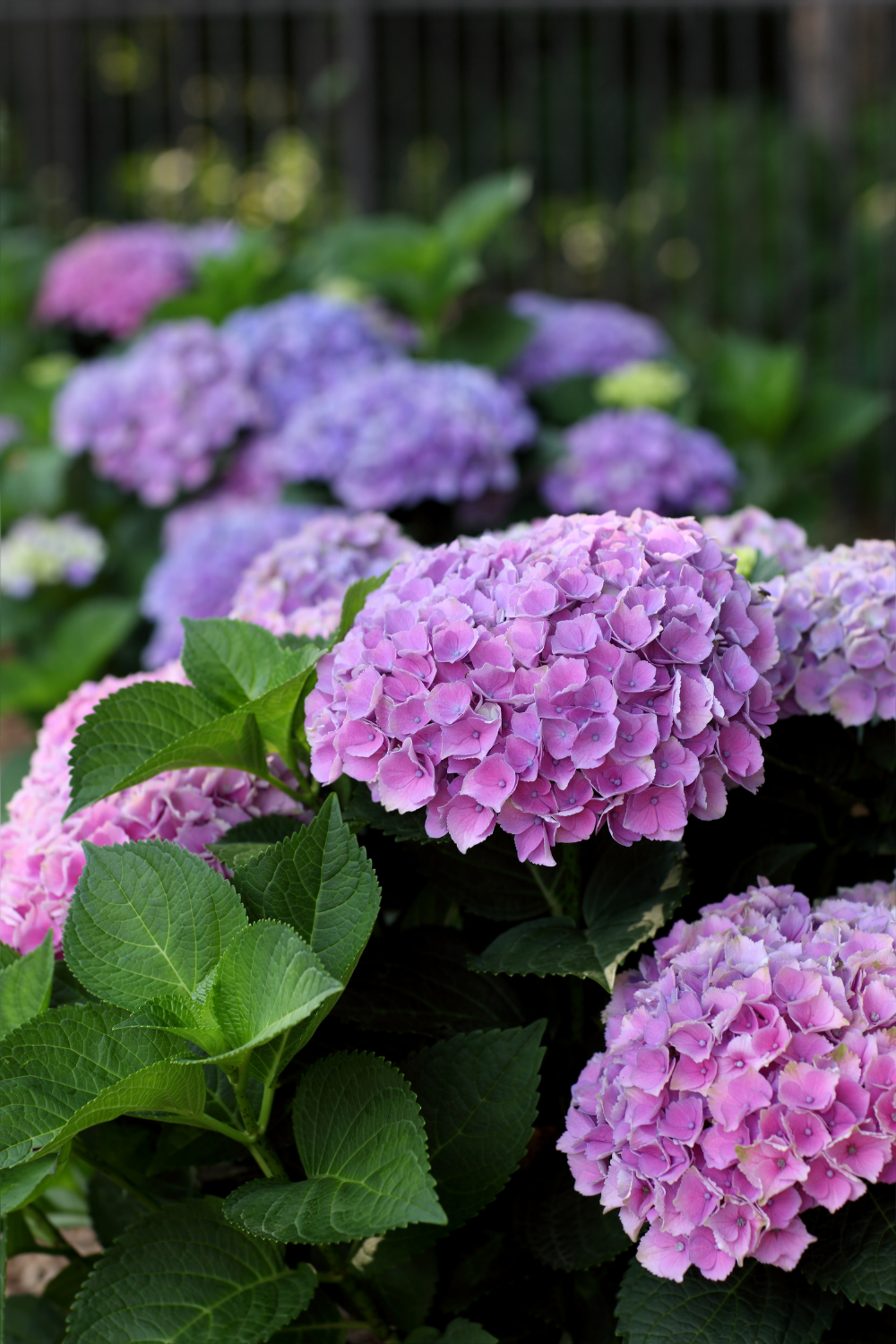
The Best Fertilizer for Endless Summer Hydrangeas

Endless Summer hydrangeas are beloved for their ability to bloom on both old and new wood, extending the flowering season and providing continuous color throughout summer and even into fall. To ensure your Endless Summer hydrangeas thrive and produce abundant, stunning blooms, choosing the right fertilizer is crucial. Let’s learn about the best fertilizer for Endless Summer Hydrangeas!
Endless Summer Hydrangeas
Endless Summer hydrangeas, part of the Endless Summer Collection by Bailey Nurseries, are known for their ability to bloom repeatedly throughout the season. They thrive in well-drained soil and prefer morning sun with afternoon shade, making them suitable for a variety of garden settings from cold climates to warmer regions.
Choosing the Best Fertilizer
When selecting a fertilizer for your Endless Summer hydrangeas, consider the following factors:
1. NPK Ratio: Look for a fertilizer with a balanced NPK ratio, such as 10-10-10 or similar, to promote overall plant health and balanced growth.
NPK stands for Nitrogen (N), Phosphorus (P), and Potassium (K), which are the three primary nutrients essential for plant growth. These nutrients are often listed on fertilizer labels in the form of a ratio, such as 10-10-10 or 20-10-5, which indicates the percentage of each nutrient by weight.
- Nitrogen (N): Promotes leafy growth and is crucial for photosynthesis. It’s particularly important for plants like leafy greens.
- Phosphorus (P): Supports root development, flowering, and fruiting. It’s essential for strong roots and helps with the plant’s energy transfer processes.
- Potassium (K): Aids in overall plant health, disease resistance, and water regulation. It helps in the development of strong stems and improves the plant’s ability to withstand stress.
These three nutrients are critical for different stages of a plant’s life cycle, and the right balance of NPK can help plants thrive.
2. Slow-Release Formulation: Opt for a slow-release granular fertilizer designed for flowering shrubs. This ensures nutrients are released gradually, providing consistent feeding over time.
3. Additional Nutrients: Endless Summer hydrangeas benefit from fertilizers with a higher phosphorus content (the middle number in the NPK ratio), which promotes bloom production.

Fertilizing Endless Summer Hydrangeas
Timing: Apply fertilizer in early spring as new growth begins and again in late spring or early summer to support flower bud formation.
Application:
– First Application: Apply fertilizer around the base of the plant, avoiding direct contact with stems or leaves. Use the amount recommended on the fertilizer package instructions.
– Second Application: Apply a second round of fertilizer in late spring or early summer to support continuous bloom production.
Method:
– Granular Fertilizer: Sprinkle the fertilizer evenly around the drip line of the plant (the outer edge of the canopy where water drips from leaves). Water thoroughly after application to help nutrients penetrate the soil.
Soil pH Considerations
– For Blue Blooms: If you prefer blue hydrangea flowers, ensure your soil pH is acidic (pH 5.5 or lower). Use a soil acidifier or apply aluminum sulfate according to package directions.
– For Pink Blooms: To encourage pink hydrangea flowers, maintain a neutral to slightly alkaline soil pH (pH 6.5 or higher). Use garden lime to adjust pH if necessary.
Maintenance Tips
– Mulching: Apply a layer of wood mulch around the base of your plants to help retain soil moisture and regulate soil temperature.
– Watering: Hydrangeas require regular watering, especially during dry periods, to maintain adequate soil moisture levels for healthy growth and bloom development.
– Pruning: Remove spent flower heads after they fade to promote new flower formation and encourage continuous growth.

How to Grow Healthy Hydrangeas:
Hydrangeas are beloved for their stunning, showy blooms and lush foliage. Whether you’re aiming to create a beautiful garden or add a splash of color to your landscape, growing healthy hydrangeas can be a rewarding experience.
Understanding Hydrangea Types and Ideal Conditions
Types of Hydrangeas: There are several types of hydrangeas, each with unique characteristics. Hydrangea macrophylla, for instance, is known for its large, colorful flower heads. Reblooming hydrangeas, like those in the Endless Summer varieties, offer multiple blooms throughout the season. Understanding the type of hydrangea you have will guide you in providing the right care.
Ideal Soil Type: Hydrangeas prefer well-drained soil rich in organic matter. While many types of hydrangeas thrive in acidic soil, some can adapt to alkaline soils. For best results, amend your soil based on the specific needs of your hydrangea variety. Adding soil amendments, such as compost or peat moss, can improve soil quality and pH levels.

Planting and Fertilizing Hydrangeas
Planting Time: The best time to plant hydrangeas is in early spring or late fall, when the soil is workable, and temperatures are mild. Ensure you plant your hydrangeas at ground level and provide enough space for their growth.
Fertilizing: Hydrangeas benefit from a balanced approach to fertilization. Use a slow-release bloom-boosting fertilizer, ideally one with a higher level of phosphorus, to promote flower production. Organic fertilizers are also a good option, as they provide a steady supply of nutrients over time. Avoid using too much fertilizer, as this can lead to lush foliage but limited flower buds.
Slow-Release Fertilizer: Apply a slow-release fertilizer in early spring to support constant growth throughout the growing season. Bloom boost fertilizers can be applied as needed to enhance flower color and production.
Fertilizer Type: Look for slow-release fertilizers that provide a steady supply of nutrients. Fast-release fertilizers are useful for a quick nutrient boost but should be used sparingly to avoid over-fertilization. Check the nutrient label to ensure you’re using the right product.

Watering and Mulching Hydrangeas
Watering: Hydrangeas require enough water to thrive, especially during dry spells. Keep the soil consistently moist but not waterlogged. Container plants may need more frequent watering compared to those planted in the ground. A layer of mulch around the base can help retain soil moisture and regulate temperature.
Layer of Mulch: Apply a 2-3 inch layer of mulch to help conserve water, suppress weeds, and maintain a stable soil temperature. Organic mulch, such as bark or wood chips, is a great choice for hydrangeas.
Pruning and Maintenance
Pruning: The best time to prune hydrangeas depends on the type. For Hydrangea macrophylla, prune in late winter or early spring before new growth begins. Remove any dead or damaged stems to encourage healthy new growth and improve air circulation. Reblooming varieties may need less pruning, as they flower on both old wood and new stems.
Powdery Mildew: Watch for signs of powdery mildew, a common fungal disease. Ensure good air circulation around your plants and avoid overhead watering to prevent this issue. If you notice powdery mildew, treat it promptly with a suitable fungicide.

Enhancing Flower Color and Production
Flower Color: The color of your hydrangea blooms can be influenced by soil pH. Acidic soils often produce blue flowers, while alkaline soils result in pink blooms. Adjust the soil pH with specific soil amendments if you wish to change the color of your flowers.
Flower Production: For an overwhelming number of blooms, consider the Endless Summer varieties, known for their continuous flowering. The development of Endless Summer hydrangeas offers a major upgrade to traditional hydrangea flowering patterns.
New Flowers: Hydrangeas can produce new flowers on old wood or new stems, depending on the variety. By understanding the growth patterns of your specific type, you can ensure a continuous display of flowers throughout the season.
Growing Hydrangeas in Containers
Container Plants: If you’re growing hydrangeas in containers, choose a decorative pot with good drainage holes. Ensure the container-friendly shrub has enough space to grow, and use a high-quality potting soil mix. Container plants will need more frequent watering and fertilizing compared to those planted in the ground.
Container-Friendly Shrub: Hydrangeas like the Summer Crush variety can thrive in containers and add a splash of color to patios and balconies. Ensure your container has ample drainage to prevent root rot.

Preparing for the Next Year
End of the Season: As the growing season ends, prepare your hydrangeas for the next year by removing any spent blooms and adding a layer of mulch to protect the roots during winter. This will help the plants bounce back stronger in the spring.
Green Foliage: Maintaining healthy green foliage through proper care will ensure your hydrangeas are ready to produce a vibrant display of flowers the following year.

Growing healthy hydrangeas involves understanding the needs of your specific type, providing the right soil, and applying appropriate care throughout the season.

Choosing the right fertilizer plays a significant role in the health and bloom production of your Endless Summer hydrangeas. By selecting a slow-release, balanced fertilizer with additional phosphorus and applying it at the appropriate times, you can ensure your hydrangeas produce abundant and vibrant blooms throughout the growing season. Remember to consider your soil pH and follow recommended practices for optimal results. With proper care and fertilization, your Endless Summer hydrangeas will reward you with continuous growth and stunning floral displays year after year.
Explore our blog for more gardening tips and advice on caring for your garden. Share your experiences or questions in the comments below!
Happy Gardening!
Want More?
Houseplants are gorgeous living home decor. It is worthwhile learning how to properly care for them.
IF YOU LIKE THIS POST
You might also like these:
- How to properly water your houseplants
- Best soil to tropical houseplants
- Best Indoor Trailing Houseplants
We’d love to hang out with you on our social channels. You can subscribe to our blog and find us on Facebook, Youtube, Instagram and Pinterest! Feel free to reach out if you have any plant questions!
DISCLOSURE
This blog post may contain affiliate links. Which means if you click on a link and go on to buy the product I recommend, I may get a small commission at no extra cost to you.
Thank you for your support. It means the world to us!

The Thrifted Planter
Ciearra is a gardener and houseplant enthusiast of over 10 years! She has been growing indoors and outdoors. Supplying food for her family and beautifying her home with annuals, perennials and houseplants! Ciearra is passionate about sharing her knowledge of plant care with anyone who needs help or a quick plant growth tip! When she’s not blogging you can find her tending to her chickens, dogs and hanging out with her family

Nestera Chicken Coop

Park Seed
Garden Tower Project
Vego Garden Beds

Botanical Interests
Amazon Favorites!

Hoselink
Web Stories


