Succulents with Yellow Flowers | Care Guide
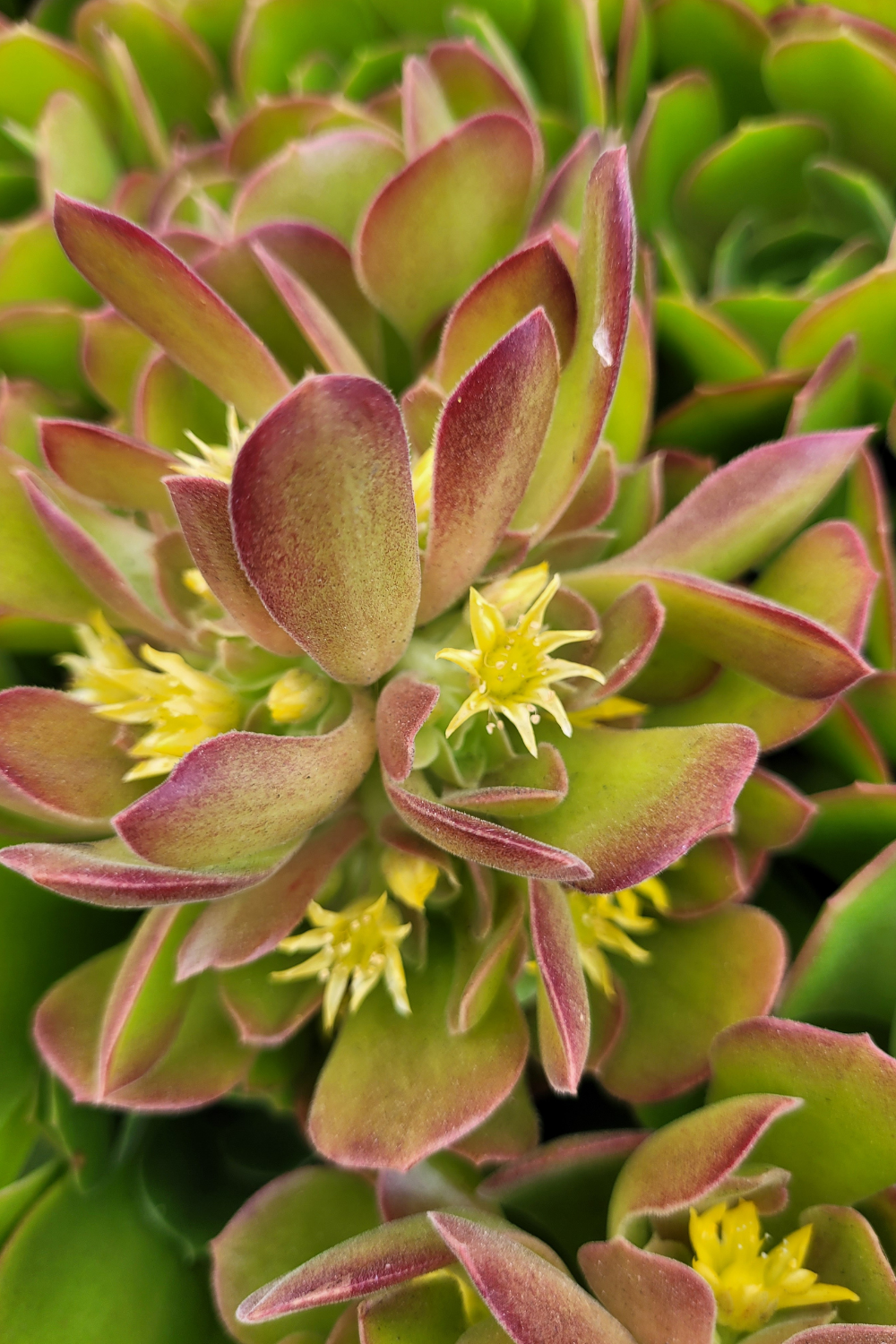
Succulents are popular for their low-maintenance needs and their ability to add a pop of color to any garden or indoor space. Among the diverse varieties, succulents with yellow flowers stand out, offering vibrant hues that brighten up any setting. Let’s explore succulents with yellow flowers, their unique characteristics, and how to care for them.

Succulents with Yellow Flowers
1. Sedum Acre (Goldmoss Sedum)
- Common Name: Goldmoss Sedum
- Botanical Name: Sedum acre
- Description: This succulent plant is known for its bright yellow flowers that bloom in the early summer. It forms a mat of fleshy leaves, making it ideal for rock gardens and as ground cover.
- Care: Sedum acre thrives in full sun and requires little water. It is a hardy plant suitable for warm climates and tolerates poor soil conditions.
- Use: Perfect for rock gardens and flower beds, adding a vibrant splash of yellow.
2. Kalanchoe Blossfeldiana (Flaming Katy)
- Common Name: Flaming Katy
- Botanical Name: Kalanchoe blossfeldiana
- Description: Known for its clusters of bright yellow flowers, this succulent is a favorite for its long-lasting blooms. The plant has thick leaves and blooms in the cooler months, from late winter to early spring.
- Care: Prefers bright light and well-draining soil. It is drought-tolerant and requires little water.
- Use: Great as an indoor plant, especially during the winter months when it provides much-needed color.
3. Echeveria Pulidonis
- Common Name: Pulidonis Echeveria
- Botanical Name: Echeveria pulidonis
- Description: This Echeveria species produces vibrant yellow flowers on tall stems in the late spring to early summer. The entire plant is attractive, with its gray-green leaves edged in red.
- Care: Needs direct sunlight and good drainage. It thrives with minimal watering and is an excellent choice for succulent owners looking for low-maintenance plants.
- Use: Ideal for both indoor and outdoor settings, adding a touch of elegance to any space.
4. Aloe Vera
- Common Name: Aloe Vera
- Botanical Name: Aloe barbadensis miller
- Description: While Aloe Vera is more commonly associated with medicinal uses, it also produces yellow flowers under the right conditions, typically in the late summer.
- Care: Requires full sun and well-draining soil. It is a hardy plant that can thrive with little water.
- Use: A versatile plant that can be used indoors or outdoors, known for its healing properties and ornamental value.
5. Euphorbia Milii (Crown of Thorns)
- Common Name: Crown of Thorns
- Botanical Name: Euphorbia milii
- Description: This succulent produces bright yellow flowers and is known for its thorny stems. It blooms throughout the year, providing continuous color.
- Care: Prefers full sun and warm temperatures. It is drought-tolerant and requires well-draining soil.
- Use: A great addition to both indoor and outdoor gardens, adding a unique appearance with its combination of flowers and thorns.

6. Prickly Pear Cactus (Opuntia)
- Common Name: Prickly Pear Cactus
- Botanical Name: Opuntia spp.
- Description: This cactus produces large, bright yellow flowers in the early summer. It has thick, fleshy pads that store water, making it highly drought-tolerant.
- Care: Needs full sun and little water. It thrives in warm climates and well-draining soil.
- Use: Excellent for xeriscaping and rock gardens, providing striking flowers and interesting leaf colors.
7. Jelly Bean Plant (Sedum Rubrotinctum)
- Common Name: Jelly Bean Plant
- Botanical Name: Sedum rubrotinctum
- Description: This succulent is known for its small, yellow, daisy-like flowers that bloom in the late spring. The plant has fleshy, bean-shaped leaves that change color in bright light.
- Care: Prefers bright light and minimal watering. It is a low-maintenance succulent that requires well-draining soil.
- Use: Great for adding a whimsical touch to indoor or outdoor succulent arrangements.
8. Pulidonis Echeveria
- Common Name: Pulidonis Echeveria
- Botanical Name: Echeveria pulidonis
- Description: This succulent is known for its vibrant yellow flowers that bloom in the early summer. It has thick, fleshy leaves that form a rosette.
- Care: Requires direct sunlight and well-draining soil. It is drought-tolerant and does well with little water.
- Use: Ideal for rock gardens and as a centerpiece in succulent arrangements.
9. Ghost Plant (Graptopetalum paraguayense)
- Common Name: Ghost Plant
- Botanical Name: Graptopetalum paraguayense
- Description: This plant produces yellow flowers in the late spring and has gray-green leaves that form a beautiful rosette.
- Care: Needs bright light and well-draining soil. It is a hardy plant that thrives with minimal water.
- Use: Perfect for rock gardens and as an accent in mixed succulent planters.
10. Ice Plant (Delosperma)
- Common Name: Ice Plant
- Botanical Name: Delosperma spp.
- Description: This succulent produces bright yellow, daisy-like flowers in the late spring and early summer. It has fleshy leaves that store water.
- Care: Prefers full sun and well-draining soil. It is drought-tolerant and requires little water.
- Use: Excellent for ground cover in rock gardens, adding a splash of vibrant color.

How to Grow Succulents
Caring for succulents involves understanding their unique needs, which differ from many other types of plants.
Light Requirements
– Bright Light: Succulents need a lot of light to thrive. Place them in a spot where they can get at least 6 hours of indirect sunlight per day. For indoor succulents, a south-facing window is ideal.
– Grow Light: If natural light is insufficient, especially during winter months, consider using a grow light to supplement their light needs.

Watering
– Little Water: Succulents are drought-tolerant plants and can survive with minimal watering. Water them thoroughly but infrequently, allowing the soil to dry out completely between watering’s.
– Overwatering: Avoid overwatering, as it can lead to root rot. Signs of overwatering include yellowing leaves and a mushy stem.
Soil
– Good Drainage: Use a well-draining soil mix specifically designed for succulents and cacti. You can also add sand or perlite to regular potting soil to improve drainage.
– Moist Soil: Ensure that the soil dries out between watering sessions to prevent root rot.

Containers
– Drainage Holes: Always use containers with drainage holes to allow excess water to escape. This helps prevent water from sitting at the bottom of the pot, which can cause root rot.
– Container Size: Choose a container size that allows room for growth but is not overly large, as too much soil can retain excess moisture.
Temperature
– Warm Climates: Succulents prefer warm temperatures and can tolerate a range of conditions. Ideal temperatures are between 60°F to 80°F (15°C to 27°C).
– Cold Weather: Protect succulents from frost and freezing temperatures, as they can be damaged by cold weather. If you live in a cold climate, bring outdoor succulents indoors during the winter months.

Fertilizing
– Minimal Fertilizer: Succulents do not require frequent fertilizing. Use a balanced, water-soluble fertilizer diluted to half strength once or twice during the growing season (spring and summer months).
– Avoid Over-fertilizing: Excessive fertilizer can cause succulents to grow too quickly and become weak.
Pruning and Maintenance
– Dead Leaves: Remove dead or dying leaves from the base of the plant to improve air circulation and prevent pests.
– Flower Stalks: Trim spent flower stalks to maintain the plant’s appearance and encourage new growth.

Pests and Diseases
– Pests: Common pests include mealybugs, aphids, and spider mites. Treat infestations with insecticidal soap or neem oil.
– Diseases: Watch for signs of fungal infections, which can be caused by overwatering. Ensure good airflow around the plants and avoid getting the leaves wet when watering.
Repotting
– When to Repot: Repot succulents every 1-2 years to refresh the soil and provide more room for growth. Spring is the best time for repotting.
– How to Repot: Gently remove the succulent from its current pot, shake off the old soil, and place it in a new pot with fresh, well-draining soil. Water lightly after repotting.

Specific Care for Flowering Succulents
– Flowering Season: Pay attention to the flowering season of your succulents, which can range from late winter to early summer, depending on the species.
– Monocarpic Succulents: Some succulents, like certain agave species, are monocarpic and will die after flowering. However, they often produce offsets or “pups” that can be propagated.

Popular Succulent Species Care Tips
– Aloe Vera: Requires bright light, minimal watering, and well-draining soil. Its fleshy leaves store water, making it highly drought-tolerant.
– Jade Plant (Crassula ovata): Thrives in bright light and needs to dry out between waterings. Prune to maintain shape and promote branching.
– Christmas Cactus (Schlumbergera): Prefers indirect light and slightly more water than other succulents. Blooms in response to short daylight hours during the winter months.
– Echeveria: Needs direct sunlight and infrequent watering. Remove dead leaves and offsets to encourage new growth.

Soil Mix for Succulents
The best soil mix for succulents is one that provides excellent drainage, aeration, and low moisture retention. Succulents are adapted to arid environments and their roots can rot if left in soggy soil. Here’s how to create the ideal soil mix for succulents:
Top Ingredients for the Best Succulent Soil Mix:
Potting Soil:
– Base: Use a good quality, light, and fast-draining potting soil as the base. Avoid using heavy garden soil or potting mixes that retain too much moisture.
– Proportion: 2 parts potting soil.
Coarse Sand:
– Drainage: Coarse sand improves drainage and prevents soil compaction. Avoid using fine sand as it can become compacted and reduce aeration.
– Proportion: 1 part coarse sand.

Perlite or Pumice:
– Aeration: Both perlite and pumice help improve soil aeration and drainage. Perlite is lightweight and made from volcanic glass, while pumice is a porous volcanic rock.
– Proportion: 1 part perlite or pumice.
Optional Ingredients:
Coconut Coir or Pine Bark:
– Organic Matter: Adding a small amount of coconut coir or finely ground pine bark can provide organic matter, which helps retain some moisture without making the soil too wet.
– Proportion: ½ part coconut coir or pine bark (optional).
Horticultural Charcoal:
– Toxins and Odors: Charcoal helps absorb toxins and odors from the soil, improving overall soil health.
– Proportion: A handful of horticultural charcoal (optional).

Prepare Your Succulent Soil Mix:
Measure Ingredients: Measure the ingredients based on the proportions mentioned above. For example, if you are using 2 cups of potting soil, you would use 1 cup of coarse sand and 1 cup of perlite or pumice. Combine all the ingredients in a large container. Mix them thoroughly until the soil is well-blended.
What About Commercial Succulent Soil Mixes?
If you prefer not to mix your own soil, there are several commercial succulent and cactus soil mixes available. Look for products labeled specifically for succulents and cacti, as these are formulated to provide the right balance of drainage and aeration.

Tips for Using Succulent Soil Mix:
– Pots with Drainage Holes: Always use pots with drainage holes to allow excess water to escape.
– Top Dressing: Consider adding a layer of decorative rocks or gravel on top of the soil. This helps prevent soil erosion when watering and adds a decorative touch.
– Watering: Water thoroughly but infrequently, allowing the soil to dry out completely between watering’s.
– Repotting: Refresh the soil mix every 1-2 years to ensure your succulents have the best growing conditions.
By using the right soil mix, you can help your succulents thrive and maintain their health and appearance. Proper soil is crucial for preventing root rot and other issues related to overwatering and poor drainage.

How to revive a dying succulent:
Killing succulents happens to us all but can you save it? Reviving a dying succulent involves diagnosing the issue and taking corrective actions.
Common Succulent Issues
– Overwatering: Leaves are soft, mushy, and may be turning yellow or translucent.
– Underwatering: Leaves are shriveled, dry, and crispy.
– Pests: Check for signs of pests like mealybugs or aphids.
– Sunburn: Leaves are scorched or have brown spots.
– Lack of Light: Leaves are stretched out or pale.
Overwatering
– Overwatered Succulent:
– Remove the plant from its pot and let it dry out for a few days.
– Remove any rotting roots or leaves.
– Repot in fresh, well-draining soil.
– Water sparingly, ensuring the soil dries out between watering’s.

Underwatered Succulent:
– Increase watering frequency but avoid soaking the soil.
– Water thoroughly, allowing excess water to drain out.
Provide Proper Lighting
– Place your succulent in a bright location with indirect sunlight.
– Avoid sudden changes in lighting conditions to prevent sunburn.
Pest Issues
– Inspect your plant for pests.
– Treat infestations with insecticidal soap or neem oil.
– Isolate the affected plant to prevent spreading.

Root Bound
– Use a well-draining soil mix, such as cactus or succulent soil.
– Ensure the pot has drainage holes.
– Repot if the soil is compacted or not draining properly.
Prune Damaged Parts
– Remove dead or severely damaged leaves and stems.
– Use clean, sharp scissors or pruning shears.
Fertilize Sparingly
– Use a balanced, diluted succulent fertilizer during the growing season (spring and summer).
– Avoid fertilizing in fall and winter.

Succulents with yellow flowers are a fantastic way to add brightness and cheer to your garden or indoor space. These hardy, low-maintenance plants are perfect for gardeners of all skill levels, providing beauty and resilience in a variety of conditions. Whether you choose the delicate flowers of the Jelly Bean Plant or the striking blooms of the Crown of Thorns, these succulents will enhance your garden with their vibrant yellow flowers and unique appearances.
Happy gardening!
Want More?
Houseplants are gorgeous living home decor. It is worthwhile learning how to properly care for them.
IF YOU LIKE THIS POST
You might also like these:
- How to properly water your houseplants
- Best soil to tropical houseplants
- Best Indoor Trailing Houseplants
We’d love to hang out with you on our social channels. You can subscribe to our blog and find us on Facebook, Youtube, Instagram and Pinterest! Feel free to reach out if you have any plant questions!
DISCLOSURE
This blog post may contain affiliate links. Which means if you click on a link and go on to buy the product I recommend, I may get a small commission at no extra cost to you.
Thank you for your support. It means the world to us!

The Thrifted Planter
Ciearra is a gardener and houseplant enthusiast of over 10 years! She has been growing indoors and outdoors. Supplying food for her family and beautifying her home with annuals, perennials and houseplants! Ciearra is passionate about sharing her knowledge of plant care with anyone who needs help or a quick plant growth tip! When she’s not blogging you can find her tending to her chickens, dogs and hanging out with her family

Nestera Chicken Coop

Park Seed
Garden Tower Project
Vego Garden Beds

Botanical Interests
Amazon Favorites!

Hoselink
Web Stories


