Are Canna Lilies Perennials? Canna Lily Grow Guide!
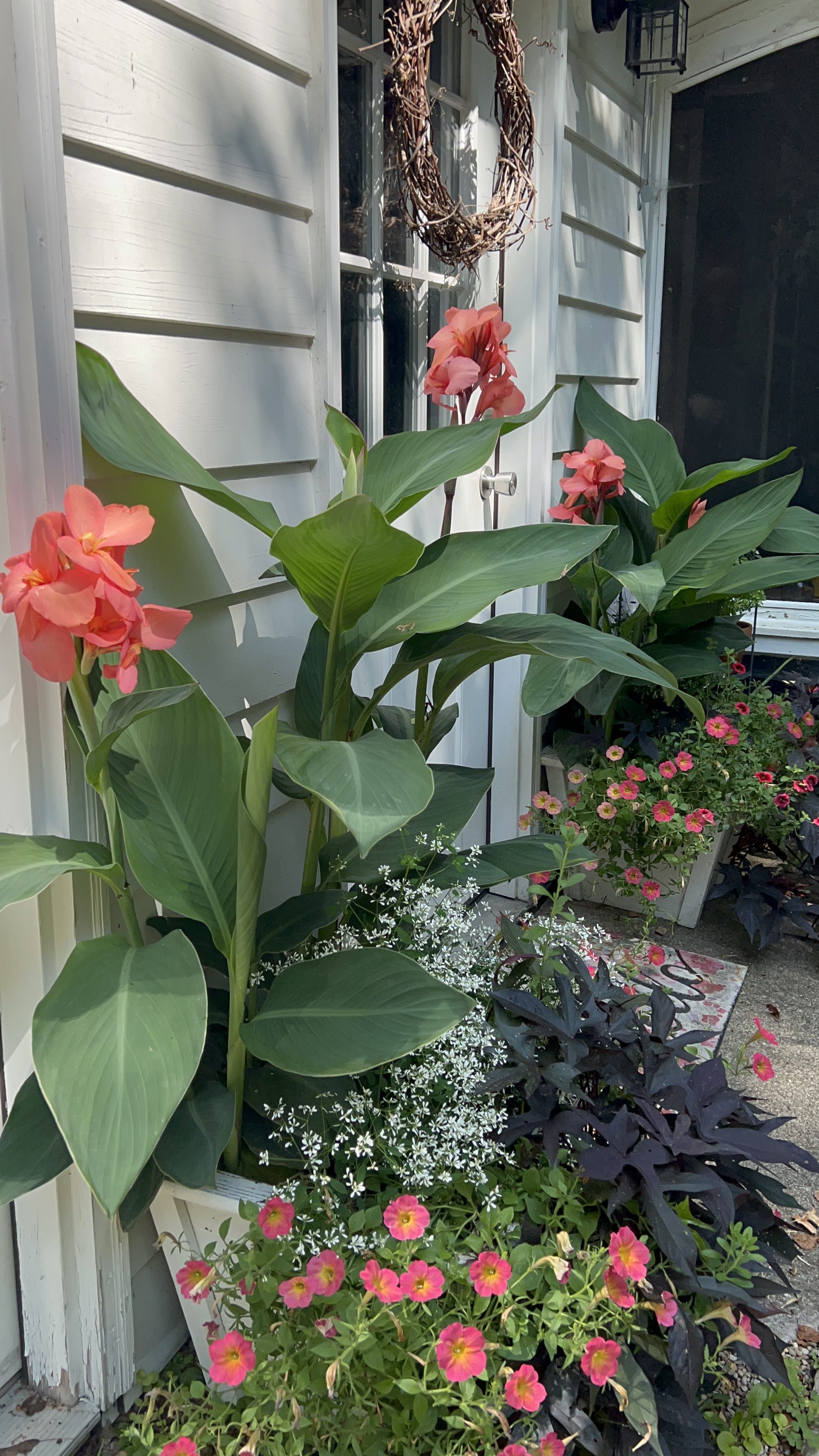
Welcome to the vibrant world of canna lilies! If you’ve ever wondered are canna lilies perennials? If you need to dig this plant up and bring it in or not? We’ve got you covered. If you’re simply looking to enhance your garden with their colorful foliage and showy flowers, you’ve come to the right place. Let’s dive into canna lilies and why they’re a must-have addition to any garden enthusiast’s collection and how to successfully grow them!

Canna lilies, also known simply as “cannas,” are a true delight for the senses. With their large leaves, vibrant blooms, and tropical aesthetic, these plants add a touch of exotic elegance to any landscape. Originating from South America, they have earned their reputation as beloved garden plants across the globe.
Are Canna Lilies Perennials?
One of the most common questions surrounding canna lilies is whether they are perennials. The short answer? Yes and no! Canna lilies are indeed perennial plants in some areas, meaning they can survive winters in your garden year after year. However, there are a few factors to consider to ensure their long-lasting success.
Canna lilies are perennial plants in most garden zones. They can thrive in a wide range of garden zones, depending on the specific variety and local growing conditions. Generally, canna lilies are best suited to warmer climates, but some varieties can also tolerate cooler temperatures with proper winter precautions.
Garden zones:
USDA Hardiness Zone 7-11:
– Canna lilies are reliably perennial in USDA Hardiness Zones 7 through 11, where temperatures are relatively mild year-round. In these zones, canna lilies can be left in the ground over the winter, and they will typically return each spring, provided they receive proper care and protection from frost.
USDA Hardiness Zones 6 and Lower:
– In colder climates with USDA Hardiness Zones 6 and lower, canna lilies may still be grown as perennials, but they may require additional protection during the winter months. Gardeners in these zones can either mulch heavily around the plants or dig up the rhizomes before the first frost and store them indoors until the following spring.

Growing Canna Lilies in Containers
Canna lilies can also be grown in containers, which allows gardeners in colder climates to enjoy these plants as annuals or overwinter them indoors. By planting canna lilies in large containers and placing them outdoors during the warm months and indoors during the colder months, gardeners in cooler zones can still enjoy the beauty of these tropical plants. Overwintering them can save you money year after year because you won’t have to replace your rhizomes.
While canna lilies are perennials in warmer climates, they can also be enjoyed as annuals or overwintered indoors in colder zones. With proper care and attention, canna lilies can thrive and add a touch of tropical beauty to gardens across a wide range of garden zones.

Growing Conditions for Canna Lilies
Canna lilies thrive in warm climates and prefer full sun or partial shade. They are sensitive to frost, so it’s essential to plant them after the danger of frost has passed, typically in late spring or early summer. When selecting a location for your canna plants, choose an area with well-drained soil rich in organic matter. Incorporating compost or peat moss into the soil can provide the ideal growing environment for these tropical treasures.

How to Plant Canna Lilies
Whether you’re starting from a potted canna from a big box store or a canna rhizome, planting canna lilies is a straightforward process. Ensure the soil temperature is warm, and plant the root ball or rhizomes at the appropriate depth, typically about four inches deep for rhizomes and deeper depending on the root ball of the potted plant. Space them apart to allow plenty of room for growth, as canna lilies are known for their tall stature and large leaves.
Planting canna lilies in your garden is a great way to add color, texture, and a touch of tropical flair to your outdoor space.
Follow our step by step process:
Choose the Right Location:
– Your canna lily plant thrives in full sun to partial shade. Select a spot in your garden that receives at least 6 hours of sunlight per day.
– Ensure the soil is well-drained and rich in organic matter. Canna lilies prefer moist, but not waterlogged, soil.
Prepare the Soil:
– Before planting, amend your soil with compost or well-rotted organic matter to improve drainage and fertility.
– If your soil is heavy or clayey, consider adding sand or perlite to improve aeration. Canna Lilies grow best in well-drained soils
Select Your Canna Bulbs or Rhizomes:
– To plant canna lily rhizomes. Choose healthy, firm bulbs or rhizomes from a reputable nursery or garden center.
– Look for varieties that suit your garden’s color scheme and growing conditions.
Planting Depth:
– Dig holes for your canna rhizomes that are approximately 4 inches deep.
– Space the holes about 1 to 2 feet apart to allow for adequate air circulation and growth.
Planting:
– Place the bulbs or rhizomes in the holes with the eyes facing up. The eyes are small growth points on the bulbs or rhizomes.
– Cover the bulbs or rhizomes with soil, pressing gently to remove any air pockets.
– Water thoroughly after planting to settle the soil and provide moisture to the newly planted canna lilies.
Mulching:
– Apply a layer of mulch around the base of the canna lilies to help retain moisture, suppress weeds, and regulate soil temperature.
– Organic mulches like shredded bark or straw work well for canna lilies.

Watering and Care:
– Keep the soil consistently moist, especially during the growing season and hot summer months.
– Water deeply but infrequently, allowing the soil to dry out slightly between waterings.
– Avoid overhead watering to prevent fungal diseases, and water at the base of the plants instead.
– Fertilize your canna lilies with a balanced fertilizer or a fertilizer formulated for flowering plants, following the package instructions.
– Remove spent flowers to encourage continuous blooming and deadhead any yellowing or damaged leaves.
Staking (Optional):
– Depending on the variety and size of your canna lilies, you may need to stake them for support, especially in windy locations. If you decide to grow your cannas in pots and you live in a windy area staking it a great idea or place your pot near a wind block.
– Use bamboo stakes or other supportive structures to gently prop up the plants without causing damage.
Overwintering:
– In colder climates, where frost is a concern, dig up the canna rhizomes before the first frost in late fall.
– Allow the rhizomes to dry for a few days, then store them in a cool, dry place for the winter.
– Replant the rhizomes in the spring after the danger of frost has passed for another season of beautiful blooms.
I use these steps to grow my cannas and you can do the same in your garden to enjoy their stunning flowers and lush foliage throughout the growing season.

Caring for Your Canna Lilies
Once planted, caring for canna lilies is relatively low maintenance. Provide consistent moisture, especially during the summer months, and feed them with a slow-release organic fertilizer to support their growth. Keep an eye out for pests such as Japanese beetles and leaf rollers, and address any issues promptly to maintain the health of your plants.
With proper consistent care, canna lilies will reward you with an abundance of colorful flowers throughout the growing season. From bold reds to vibrant yellows, the flower colors of canna lilies are as diverse as they are captivating. Whether planted in garden beds or large containers, these showy flowers are sure to be the highlight of your outdoor space.

How to save seed from your canna lilies
Saving seeds from canna lilies is a straightforward process that allows you to propagate new plants and preserve the characteristics of your favorite varieties.
How to save seed:
1. Selecting the Flowers:
– Choose healthy, mature flowers from your canna lily plants. Look for blooms that have faded and are starting to dry out, but have not yet shed their seeds. While developing the seed pods will be the same color as the plant stems and have soft spikes. If you have a green canna will have a green seed pod.
2. Harvesting the Seed Pods:
– Once the flowers have faded, seed pods will develop at the base of the flowers. These pods contain the seeds.
– Wait until the seed pods turn brown and begin to split open naturally. This indicates that the seeds are mature and ready for harvesting. If you wait too long to harvest the seeds will fall out of the pods so be aware of that.
– Use scissors or pruners to carefully cut the seed pods from the plant, ensuring that you leave a portion of the stem attached to each pod.

3. Extracting the Seeds:
– Place the harvested seed pods in a paper bag or envelope to collect the seeds as they dry further.
– Allow the seed pods to dry completely in a warm, well-ventilated area for several days to a week. This will help the pods release the seeds more easily.
– Once the pods are dry, gently crush them or use your fingers to open them and release the seeds.
– Carefully separate the seeds from any chaff or debris, discarding any seeds that appear damaged or unhealthy.

4. Storing the Seeds:
– Store the clean, dry seeds in a cool, dry place until you are ready to plant them. A paper envelope or small jar works well for seed storage.
– Label the storage container with the variety of canna lily and the date of harvest to keep track of your seeds.
– Properly stored canna lily seeds can remain viable for several years, allowing you to save them for future planting seasons.
5. Planting the Seeds:
– When you’re ready to plant the seeds, prepare a seed-starting mix or well-draining potting soil in small containers or seed trays.
– Scar the seeds or soak in water for 48 hours to aid in germination.
– Plant the canna lily seeds about 1/4 inch deep in the soil, spacing them a few inches apart.
– Keep the soil consistently moist but not waterlogged, and place the containers in a warm, sunny location or under grow lights.
– Canna lily seeds typically germinate within 1 to 3 weeks, but may take longer depending on environmental conditions.
*Canna Lilies seeds can be difficult to germinate. I’ve been growing them from seed for years and always have around a 30-50% germination rate.*

6. Transplanting Seedlings:
– Once the seedlings have developed several sets of true leaves and are sturdy enough to handle, transplant them into larger containers or directly into the garden.
– Choose a planting site with well-drained soil and full sun to partial shade, and space the seedlings according to the mature size of the canna lily variety.
Experiment with different varieties and watch as your collection of canna lilies flourishes with each passing season!

How to Prepare your Canna Lilies for Winter
Preparing your canna lily bulbs for winter is essential, especially in colder climates where frost can damage or kill the plants. Here’s how to help you protect your canna lilies after your last frost date and ensure their survival through the winter months:
1. Monitor the Weather:
– Keep an eye on weather forecasts in your area to determine when the first frost is likely to occur. This will help you plan ahead and take timely action to protect your canna lilies.
2. Stop Watering:
– As the temperatures start to cool in late summer or early fall, gradually reduce watering your canna lilies. This will help the plants prepare for dormancy and minimize the risk of rot during the winter months.
3. Cut Back Foliage:
– Once the foliage begins to turn yellow or brown and die back naturally, trim it down to a few inches above the ground. Use clean, sharp pruners to remove the dead or dying leaves, stems, and flowers.
4. Dig Up Rhizomes (Optional):
– In colder climates where frost is severe, consider digging up the rhizomes of your canna lilies before the first frost. Use a garden fork or shovel to carefully lift the rhizomes from the soil, taking care not to damage them.
– Shake off excess soil and trim any remaining foliage and roots. Allow the rhizomes to dry in a warm, well-ventilated area for a few days to a week.
5. Store Rhizomes Indoors (Optional):
– If you choose to dig up the rhizomes, store them indoors for the winter in a cool, dry place such as a basement or garage. Place the rhizomes in a cardboard box or paper bag filled with peat moss, vermiculite, or dry sand to keep them from drying out.
– Check the rhizomes periodically during the winter to ensure they remain firm and free from mold or rot. Discard any damaged or unhealthy rhizomes.
6. Mulch Garden Beds:
– If you prefer to leave your canna lilies in the ground over the winter, apply a thick layer of mulch around the base of the plants to insulate the soil and protect the rhizomes from freezing temperatures. Use organic materials such as straw, shredded leaves, or wood chips for best results.
7. Provide Shelter:
– In extremely cold climates, consider providing additional protection for your canna lilies by covering them with a layer of burlap or floating row covers. This will help trap heat and create a microclimate around the plants, reducing the risk of frost damage.
8. Monitor Moisture Levels:
– Throughout the winter, monitor the moisture levels around your canna lilies, especially if they are stored indoors or covered with mulch. Avoid overwatering or allowing the soil to become too dry, as either extreme can be harmful to the plants.
Following our tips will help you prepare your canna lilies for winter and help them survive the cold weather with minimal damage. Whether you choose to dig up the rhizomes or leave the plants in the ground, proper preparation is key to ensuring your canna lilies return healthy and vibrant when spring arrives.

Are Canna Lilies Toxic to Pets and Humans?
Canna lilies are not considered edible for humans, and consuming any part of the plant may cause gastrointestinal discomfort. However, they are not typically classified as highly toxic to humans.
On the other hand, canna lilies are considered toxic to pets, including cats and dogs, if ingested in large quantities. The leaves, stems, flowers, and rhizomes of the plant contain compounds that can cause mild to moderate symptoms of toxicity in pets, such as vomiting, diarrhea, drooling, and abdominal pain.
While canna lilies may add beauty to your garden, it’s essential to take precautions if you have pets to prevent accidental ingestion.
If you suspect that your pet has ingested any part of a canna lily or is showing signs of toxicity, contact your veterinarian immediately for guidance and treatment.
By taking these precautions and being mindful of the potential risks, you can help keep your pets safe and enjoy your garden with peace of mind.
Common Canna Lilies

Canna lilies come in a wide array of varieties, each with its own unique characteristics, including flower color, height, foliage pattern, and overall growth habit. Here are some of the most common and popular varieties of canna lilies:
‘Canna indica’:
– Also known as Indian shot, this species is the ancestor of many modern canna hybrids. It typically has vibrant orange or red flowers and can grow quite tall.
‘Canna ‘Australia’ (Canna ‘Australia’):
– This cultivar features striking dark foliage, ranging from deep burgundy to almost black, making it a dramatic addition to any garden. Its flowers are usually red or orange.
‘Canna ‘Lucifer’ (Canna ‘Lucifer’):
– ‘Lucifer’ is prized for its fiery red blooms and tall, elegant stature. It adds a bold splash of color to garden beds and borders.
‘Canna ‘Pretoria’ (Canna ‘Pretoria’):
– Also known as ‘Bengal Tiger’ or ‘Tropicanna’, this variety boasts variegated foliage with vibrant stripes of green, yellow, and orange. Its flowers are typically orange or yellow.
‘Canna ‘Tropicanna Gold’ (Canna ‘Tropicanna Gold’):
– A newer cultivar in the Tropicanna series, ‘Tropicanna Gold’ features striking gold-striped foliage and vibrant orange flowers. It adds a tropical touch to any landscape.
‘Canna ‘Phasion’ (Canna ‘Phasion’):
– Similar to ‘Pretoria’, ‘Phasion’ showcases variegated foliage with bold stripes of green, yellow, and pink. Its flowers are usually orange or red.
‘Canna ‘Wyoming’ (Canna ‘Wyoming’):
– This cultivar is known for its bright red flowers and tall, upright growth habit. It creates a stunning focal point in garden beds or large containers.
‘Canna ‘Durban’ (Canna ‘Durban’):
– ‘Durban’ is prized for its unique foliage, which features bold stripes of green, purple, and red. Its flowers are typically orange or red, contrasting beautifully with the foliage.
‘Canna ‘Cleopatra’ (Canna ‘Cleopatra’):
– Named after the legendary Egyptian queen, ‘Cleopatra’ features striking yellow flowers accented with vibrant red spots. Its foliage is usually green with red markings.
‘Canna ‘Erebus’ (Canna ‘Erebus’):
– This cultivar stands out for its deep purple-black foliage and bright orange flowers. It adds a touch of drama and sophistication to any garden setting.
These are just a few examples of the many stunning varieties of canna lilies available to gardeners. Whether you prefer bold colors, variegated foliage, or striking patterns, there’s a canna cultivar to suit every taste and garden style. Experiment with different varieties to create a vibrant and visually stunning landscape that will be the envy of all who see it!

So why wait? Plant some canna lilies today and watch as your garden transforms into a tropical paradise of vibrant blooms and lush foliage. With their resilience, beauty, and endless varieties, canna lilies are sure to bring joy and delight for years to come.
Remember, the best time to plant canna lilies is spring.
Happy gardening!
Want More?
Houseplants are gorgeous living home decor. It is worthwhile learning how to properly care for them.
IF YOU LIKE THIS POST
You might also like these:
- How to properly water your houseplants
- Best soil to tropical houseplants
- Best Indoor Trailing Houseplants
We’d love to hang out with you on our social channels. You can subscribe to our blog and find us on Facebook, Youtube, Instagram and Pinterest! Feel free to reach out if you have any plant questions!
DISCLOSURE
This blog post may contain affiliate links. Which means if you click on a link and go on to buy the product I recommend, I may get a small commission at no extra cost to you.
Thank you for your support. It means the world to us!

The Thrifted Planter
Ciearra is a gardener and houseplant enthusiast of over 10 years! She has been growing indoors and outdoors. Supplying food for her family and beautifying her home with annuals, perennials and houseplants! Ciearra is passionate about sharing her knowledge of plant care with anyone who needs help or a quick plant growth tip! When she’s not blogging you can find her tending to her chickens, dogs and hanging out with her family

Nestera Chicken Coop

Park Seed
Garden Tower Project
Vego Garden Beds

Botanical Interests
Amazon Favorites!

Hoselink
Web Stories


