What do Snail Eggs Look like In a Fish Tank?
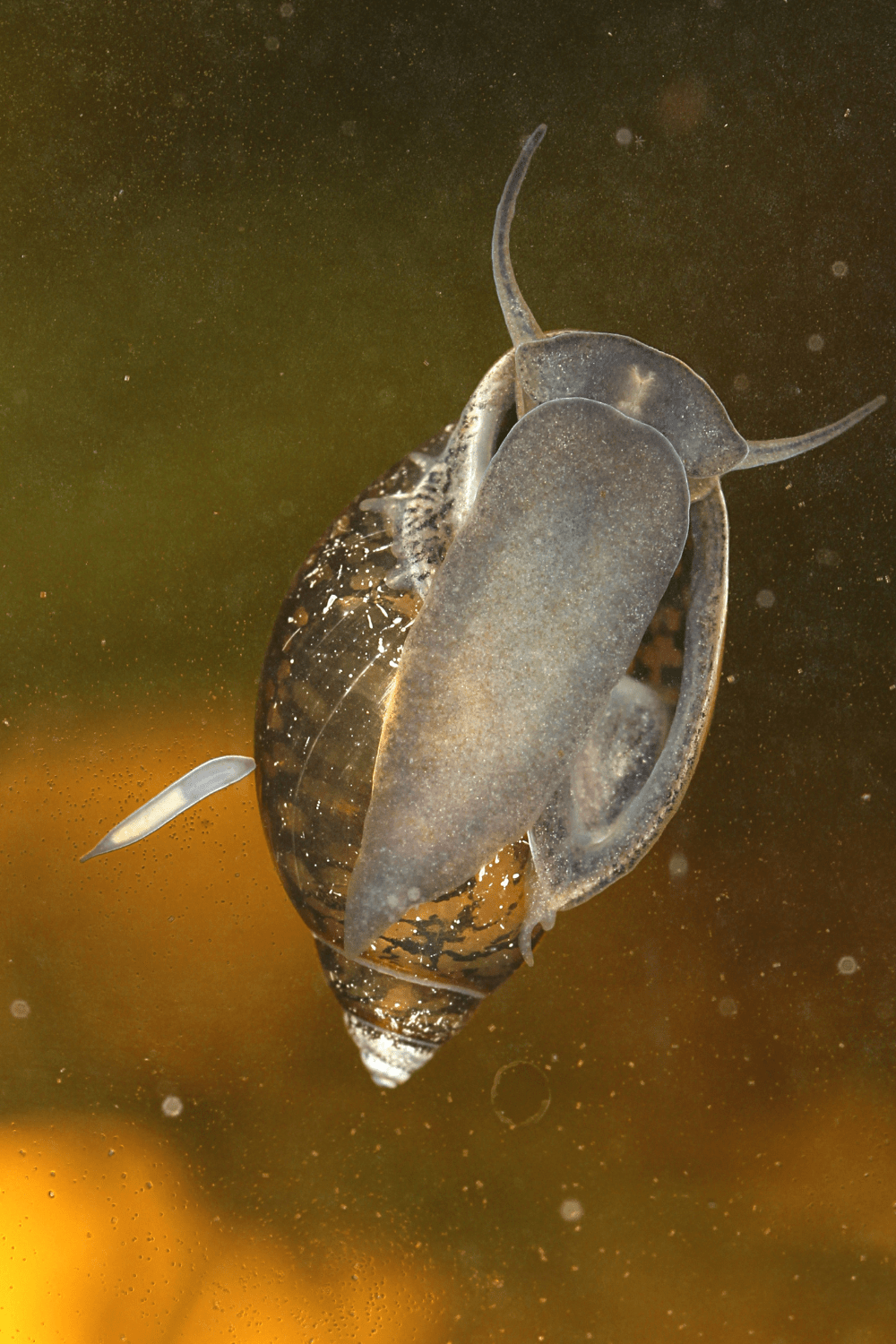
Snails can be fascinating additions to any freshwater aquarium. They come in various shapes, sizes, and colors, each with its own unique behaviors and characteristics. From the popular Mystery Snails to the diligent Malaysian Trumpet Snails and the efficient Assassin Snails, these creatures play an important role in maintaining the balance of an aquatic ecosystem. However, one aspect of snail keeping that often perplexes aquarium enthusiasts is identifying snail eggs. In this comprehensive guide, we’ll delve into snail eggs and shed light on what to expect in your fish tank.

Snail Reproduction:
Before we explore the appearance of snail eggs, it’s crucial to grasp the basics of snail reproduction. Most freshwater snails are hermaphrodites, meaning they possess both male and female reproductive organs. However, they still require a partner to reproduce. After mating, female snails lay eggs, either singly or in clusters, depending on the species.

What do snail eggs look like?; Identifying Snail Eggs:
Mystery Snail Eggs:
Mystery snails a freshwater snail species, known for their striking colors and large size, female mystery snail lay their cluster of eggs above the waterline. These eggs appear as small, round clutches typically attached to hard surfaces such as aquarium glass or decorations. Mystery snail eggs are translucent and may have a pinkish hue. They are often mistaken for unattractive dark spots but soon reveal themselves as developing embryos.
Nerite Snail Eggs:
Nerite snails are popular for their ability to consume algae, making them excellent tank cleaners. Their eggs are tiny, white, or cream-colored capsules scattered across surfaces within the aquarium. Unlike mystery snail eggs, nerite eggs require brackish water to hatch, making them unlikely to proliferate in freshwater tanks.
Ramshorn Snail Eggs:
Ramshorn snails are known for their unique spiral-shaped shells and prolific breeding. Their eggs resemble small, gelatinous clutches of eggs that can be found on various surfaces, including aquarium glass, plants, and substrate. These clutches may contain dozens of individual eggs and are often clear or slightly opaque.
Apple Snail Eggs:
Apple snails, including species like Pomacea Bridgesii, lay their eggs above the waterline. These eggs are large, pinkish, and typically deposited in clusters. They resemble clusters of small, white pearls and are often found attached to the tank’s lid or upper surfaces.

Factors Affecting Snail Egg Appearance:
Several factors influence the appearance and location of snail eggs in a fish tank. These include water parameters, temperature, species of snail, and the presence of suitable surfaces for egg deposition. Additionally, some snails, like the Mystery Snail, require access to the water’s surface to lay eggs successfully.
Managing your Snail Population:
While snails can be beneficial in controlling algae and cleaning up leftover fish food, their populations may need to be managed to prevent overcrowding. Regular water changes, maintaining optimal water parameters, and avoiding overfeeding can help keep snail populations in check. Additionally, introducing predatory fish or snail-eating species can assist in controlling snail numbers.
Choosing the Best snail breed for your aquarium
Choosing the best snail species for your aquarium depends on various factors such as tank size, water parameters, and the purpose you want the snails to serve. Here are some popular snail species often kept in aquariums:
- Nerite Snails (Neritina spp.): Nerite snails are popular due to their small size, attractive patterns, and algae-eating habits. They are compatible with most freshwater aquariums and are known to help keep the tank clean.
- Mystery Snails (Pomacea bridgesii): Also known as apple snails, mystery snails come in various colors and are peaceful tank inhabitants. They are effective algae eaters and help maintain a clean environment. They do well in freshwater aquariums.
- Ramshorn Snails (Planorbidae family): Ramshorn snails come in various colors and are named after their shell shape, which resembles a ram’s horn. They are efficient scavengers and consume leftover food, decaying plant matter, and algae. They can reproduce quickly, so be cautious if you don’t want them to overpopulate your tank.
- Malaysian Trumpet Snails (Melanoides tuberculata): Malaysian trumpet snails are excellent for aerating substrate as they burrow into it. They help prevent anaerobic spots from forming in the substrate and also eat detritus and leftover food. However, they can reproduce rapidly under certain conditions.
- Assassin Snails (Clea helena): Assassin snails are carnivorous and primarily feed on other snails, making them useful for controlling pest snail populations. However, they may not be suitable for community tanks where other snails are present.
- Japanese Trapdoor Snails (Viviparus malleattus): These snails are peaceful and primarily herbivorous, feeding on algae, detritus, and leftover fish food. They are ideal for large aquariums with peaceful fish species.
When selecting snails for your aquarium, make sure to research their specific care requirements and compatibility with other tank inhabitants. Additionally, avoid introducing snails collected from the wild, as they may carry diseases or parasites that could harm your aquarium ecosystem. Instead, purchase snails from reputable aquarium stores or breeders.

Invasive Breeds of snails to be weary of
It’s crucial to avoid introducing invasive snail species into your aquarium, as they can wreak havoc on local ecosystems if released into the wild. Here are some invasive snail species you should definitely avoid putting in your aquarium:
- Chinese Mystery Snail (Cipangopaludina chinensis): This species is native to Asia but has become invasive in various parts of North America. It can outcompete native snails and disrupt local ecosystems.
- New Zealand Mud Snail (Potamopyrgus antipodarum): Originally from New Zealand, this snail has invaded freshwater ecosystems in various parts of the world, including North America and Europe. It reproduces rapidly and can dominate aquatic habitats, negatively impacting native species.
- Island Apple Snail (Pomacea insularum): Native to South America, this species has become invasive in parts of the southeastern United States. It can damage rice crops and alter wetland ecosystems.
- Japanese Trapdoor Snail (Viviparus malleattus): While Japanese trapdoor snails are popular in the aquarium trade, they can become invasive in certain regions, particularly if released into the wild. They have been reported as invasive in parts of Europe and North America.
- Red-rimmed Melania (Melanoides tuberculata): Although Malaysian trumpet snails are generally harmless in aquariums, they can become invasive in certain freshwater habitats outside their native range. Invasive populations have been reported in various parts of the world.
- Zebra Mussel (Dreissena polymorpha): While not a snail, zebra mussels are invasive freshwater mollusks that can attach to surfaces in aquariums and water infrastructure. They can clog pipes, disrupt ecosystems, and harm native species.
When choosing snails for your aquarium, always opt for species that are known to be safe and not invasive in your area. Additionally, never release aquarium snails into natural water bodies, as this can have serious ecological consequences. If you no longer want snails in your aquarium, consider finding them a new home with another aquarium hobbyist or contacting a local pet store or aquarium for proper disposal.

How to Deal with an overpopulation of snails in your aquarium
Dealing with an overpopulation of snails in your aquarium can be challenging. Still, there are several methods you can use to manage their numbers:
- Manual Removal: One of the simplest methods is to manually remove baby snails from your aquarium. You can use a small net or a snail trap to catch them. Be sure to remove as many snails as possible during water changes and regular tank maintenance.
- Natural Predators: Introducing natural predators that feed on snails can help control their population. Fish such as loaches, pufferfish, and certain cichlids are known to eat snails. However, be cautious when adding new fish to your aquarium and ensure they are compatible with your existing tank inhabitants.
- Chemical Treatments: There are chemical treatments available that can help eradicate snails from your aquarium. However, these treatments can also harm other aquatic life, so they should be used with caution and according to the manufacturer’s instructions. Copper-based medications are one example, but be aware that copper can be toxic to certain fish and invertebrates.
- Traps: You can set up traps specifically designed to catch snails. These traps typically use bait to attract snails, allowing you to remove them from the tank more easily. Commercial snail traps are available, or you can make your own using materials such as plastic bottles or jars.
- Reduce Feeding: Overfeeding is a common cause of snail overpopulation, as leftover food provides a food source for snails to thrive. By reducing the amount of food you feed your fish and cleaning up uneaten food promptly, you can help limit snail populations.
- Barriers: Creating physical barriers can help prevent snails from reproducing. For example, placing a fine mesh screen over the substrate can prevent snails from laying eggs in the gravel.
- Natural Methods: Some aquarists use natural methods such as adding plants that produce allelopathic chemicals, which inhibit snail growth, or introducing competing microorganisms that outcompete snails for resources.
You’ve got to be patient when dealing with snail overpopulation, as it may take time to see results. Please also be mindful of the overall health of your aquarium ecosystem and avoid methods that could harm other tank inhabitants.

Why you cannot release your snails into the wild
Releasing aquarium snails into the wild can have significant negative consequences for natural ecosystems. Here are several reasons why it’s crucial not to release aquarium snails into the wild:
- Invasive Species: Many aquarium snails are not native to the regions where they are released. When introduced into new environments, these non-native species can become invasive, outcompeting native snails and other aquatic organisms for resources. Invasive species can disrupt the balance of ecosystems and threaten native biodiversity.
- Altered Ecosystems: Aquarium snails released into natural water bodies can reproduce rapidly and overwhelm local ecosystems. They may consume large amounts of algae, detritus, and other organic matter, altering nutrient cycles and habitat structure. This can have cascading effects on other organisms within the ecosystem, including fish, amphibians, and aquatic plants.
- Disease Transmission: Aquarium snails may carry diseases or parasites that can be harmful to native species. When released into the wild, these pathogens can spread to wild populations, potentially causing illness or death among native snails and other aquatic organisms.
- Genetic Pollution: Interbreeding between aquarium snails and native species, if they are closely related, can lead to genetic pollution. This can result in hybridization and genetic dilution of native populations, reducing their genetic diversity and resilience to environmental changes.
- Legal and Ethical Concerns: Releasing aquarium snails into the wild may be illegal in many regions due to the potential for ecological harm. It is considered irresponsible and unethical to introduce non-native species into natural ecosystems, as it can have long-lasting and far-reaching consequences.
Instead of releasing aquarium snails into the wild, there are more responsible ways to manage unwanted populations, such as giving them away to other aquarium hobbyists, returning them to the pet store, or euthanizing them humanely. It’s essential for aquarium hobbyists to be mindful of the potential impacts of their actions on the environment and to take responsible measures to prevent the spread of invasive species.
Remember, while snails can be a great addition to your aquarium, it’s essential to keep their populations under control to ensure a balanced ecosystem. The make fun additions to your fish tanks and make great tank mates to your fish.

Nestera Chicken Coop

Park Seed
Garden Tower Project
Vego Garden Beds

Botanical Interests
Amazon Favorites!

Hoselink
Web Stories


