Can Chickens Eat Olives
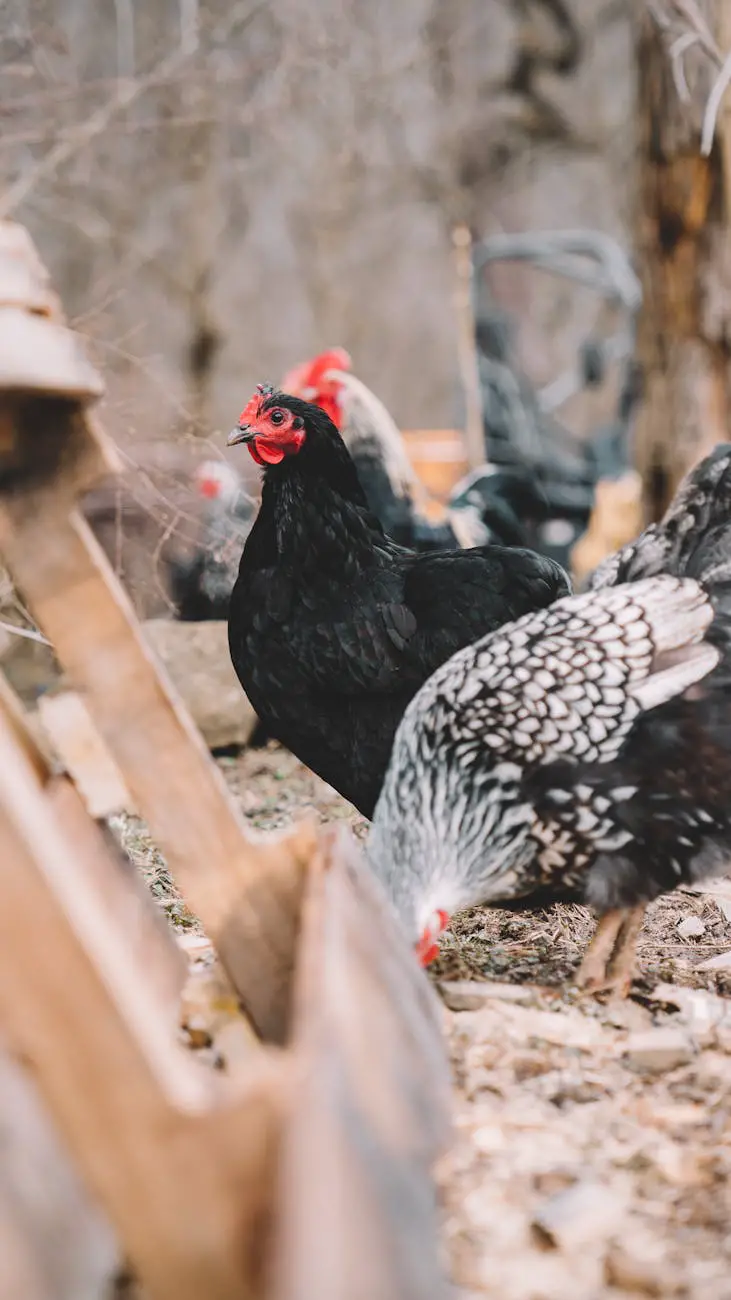
Chickens are omnivores known for their diverse diet, but when it comes to offering them new foods like olives, many chicken owners wonder: can chickens eat olives? In this guide, we’ll delve into the topic, exploring various aspects such as nutritional value, potential benefits, health considerations, and more!

Olives: A Brief Overview
Olives, the fruit of the olive tree (Olea europaea), have been cultivated for centuries and are a staple in Mediterranean cuisine. They come in various colors, including green, black, and purple, and can be found in different forms, from fresh to cured.
Nutritional Value of Olives
Olives are rich in essential nutrients, including monounsaturated fatty acids, important for heart health, and oleic acid, which has anti-inflammatory properties. They also contain vitamins E and A, as well as minerals such as iron and calcium.

Can Chickens Eat Olives?
The short answer is yes, chickens can eat olives, but there are important considerations to keep in mind:
- Type of Olives: Chickens can consume both green and black olives, but it’s essential to avoid feeding them pre-cured olives containing excessive salt or bitter-tasting olives.
- Pits and Choking hazards: Remove pits from olives before offering them to chickens to prevent choking hazards. Cut olives into smaller pieces to make them easier for chickens to consume.
- Moderation: Offer olives as an occasional treat in small amounts. While olives can provide chickens with essential nutrients and healthy fats, excessive consumption may lead to digestive issues or electrolyte imbalances due to their sodium content.
Chickens can consume small amounts of olive oil, uncured olives, and green olives as occasional treats, but they should not make up a significant portion of their diet. While olives and olive oil can offer some health benefits, they should be provided in moderation and as part of a well-balanced diet.

- Olive Oil: Offering a small amount of olive oil as an occasional treat can provide chickens with essential fatty acids, including omega-3 and omega-6 fatty acids, which are beneficial for overall health, including skin and feather condition. However, excessive consumption of olive oil can lead to weight gain and digestive upset in chickens. Use sparingly and mix with other foods or drizzle over vegetables for added flavor.
- Uncured Olives: Uncured olives, which have not undergone the curing process to remove bitterness, can be given to chickens as an occasional treat. These olives may contain higher levels of beneficial nutrients and antioxidants compared to cured varieties. However, like olive oil, they should only be provided in small quantities due to their high fat content.
- Green Olives: Green olives can also be offered to chickens in moderation. They provide vitamins and minerals such as vitamin E, iron, and copper. However, similar to other types of olives, they should not be a staple of a chicken’s diet due to their high salt content and potential for digestive upset if consumed in excess.
It’s important to note that while olives and olive oil can offer some health benefits to chickens, they should be considered treats rather than dietary staples. The bulk of a chicken’s diet should consist of balanced poultry feed supplemented with fresh fruits, vegetables, grains, and protein sources. Providing a diverse range of foods ensures that chickens receive all the essential nutrients they need to thrive.
As with any new food introduced into a chicken’s diet, monitor their consumption and watch for any signs of digestive upset or adverse reactions. If your chickens experience any issues after consuming olives or olive oil, discontinue feeding them and consult with a veterinarian for guidance. Overall, while olives and olive oil can be included as occasional treats, moderation is key to ensuring the health and well-being of your flock.

Benefits of Feeding Olives to your Chickens
Feeding olives to chickens in moderation can offer several potential benefits:
- Nutritional Supplement: Olives can serve as a nutritious treat, providing chickens with essential fatty acids, vitamins, and minerals.
- Variety in Diet: Offering a variety of foods, including olives, can help keep chickens interested in their diet and promote overall health.
- Healthy Treat: Olives can be a tasty and healthy addition to a chicken’s diet, particularly as a source of monounsaturated fats.
Important Considerations
- Fresh Water: Always provide chickens with access to fresh water, especially when offering new foods like olives.
- Watch for Adverse Reactions: Monitor chickens for any adverse reactions after consuming olives, such as digestive issues or changes in behavior.

What is the best diet for chickens?
The optimal diet for backyard chickens is one that is balanced, nutritious, and tailored to meet their specific needs at different stages of life. Here’s what should be included in a backyard chicken’s diet:
- Complete Commercial Feed: A good-quality commercial chicken feed serves as the foundation of a chicken’s diet. Look for feeds specifically formulated for laying hens if you have egg-laying chickens. These feeds contain the necessary balance of protein, vitamins, and minerals to support overall health and egg production.
- Protein: Chickens require a significant amount of protein, especially laying hens, to support egg production. Ensure the feed you provide contains around 16-20% protein. Additionally, offering protein-rich treats such as mealworms, insects, or cooked eggs can supplement their diet and provide essential amino acids.
- Fresh Water: Access to clean, fresh water is crucial for chickens’ health and egg production. Make sure waterers are cleaned regularly and placed in areas where chickens can easily access them.
- Calcium: Laying hens need extra calcium to produce strong eggshells. Provide a supplemental source of calcium, such as crushed oyster shells or eggshells, in a separate feeder for them to consume as needed.
- Fruits and Vegetables: Offer a variety of fruits and vegetables as treats for chickens. These can include scraps from your kitchen such as leafy greens, carrots, apples, and berries. Avoid feeding them foods that are high in salt, sugar, or fats.
- Grains: Grains such as corn, oats, and wheat can be given as occasional treats or scratch feed. However, these should not make up the majority of their diet as they are low in protein and essential nutrients.
- Grit: Chickens need grit to help them digest their food properly, especially if they are free-ranging and consuming grass and other vegetation. Provide insoluble grit, such as crushed granite or small stones, in a separate feeder.
- Foraging Opportunities: Allow chickens to free-range in a safe area where they can forage for insects, worms, and other natural foods. This not only supplements their diet but also provides mental stimulation and exercise.
- Avoid Toxic Foods: Be aware of foods that are toxic to chickens, such as avocado, chocolate, onions, and raw beans. These should never be fed to chickens as they can cause serious health issues or even death.
Providing a balanced diet consisting of commercial feed, protein sources, fresh water, calcium supplements, fruits, vegetables, and grit, you can ensure that your backyard chickens stay healthy, happy, and productive.
Let’s summarize. Yes, chickens can eat olives, but as with any new food, it’s important to introduce them gradually and monitor for any adverse reactions. With proper precautions, olives can be a flavorful and healthy addition to your chickens’ diet.
Happy Chicken Keeping!
More Related Posts:
- The Best Coop for Backyard Chickens
- Raising Chickens From Hatch to Coop
- How to Care for Chickens in the Winter
2 responses to “Can Chickens Eat Olives”
Leave a Reply

Nestera Chicken Coop

Park Seed
Garden Tower Project
Vego Garden Beds

Botanical Interests
Amazon Favorites!

Hoselink
Web Stories


[…] Can Chickens Eat Olives? […]
[…] Can chickens eat olives? […]