Can Dogs Eat Raw Chicken Hearts?
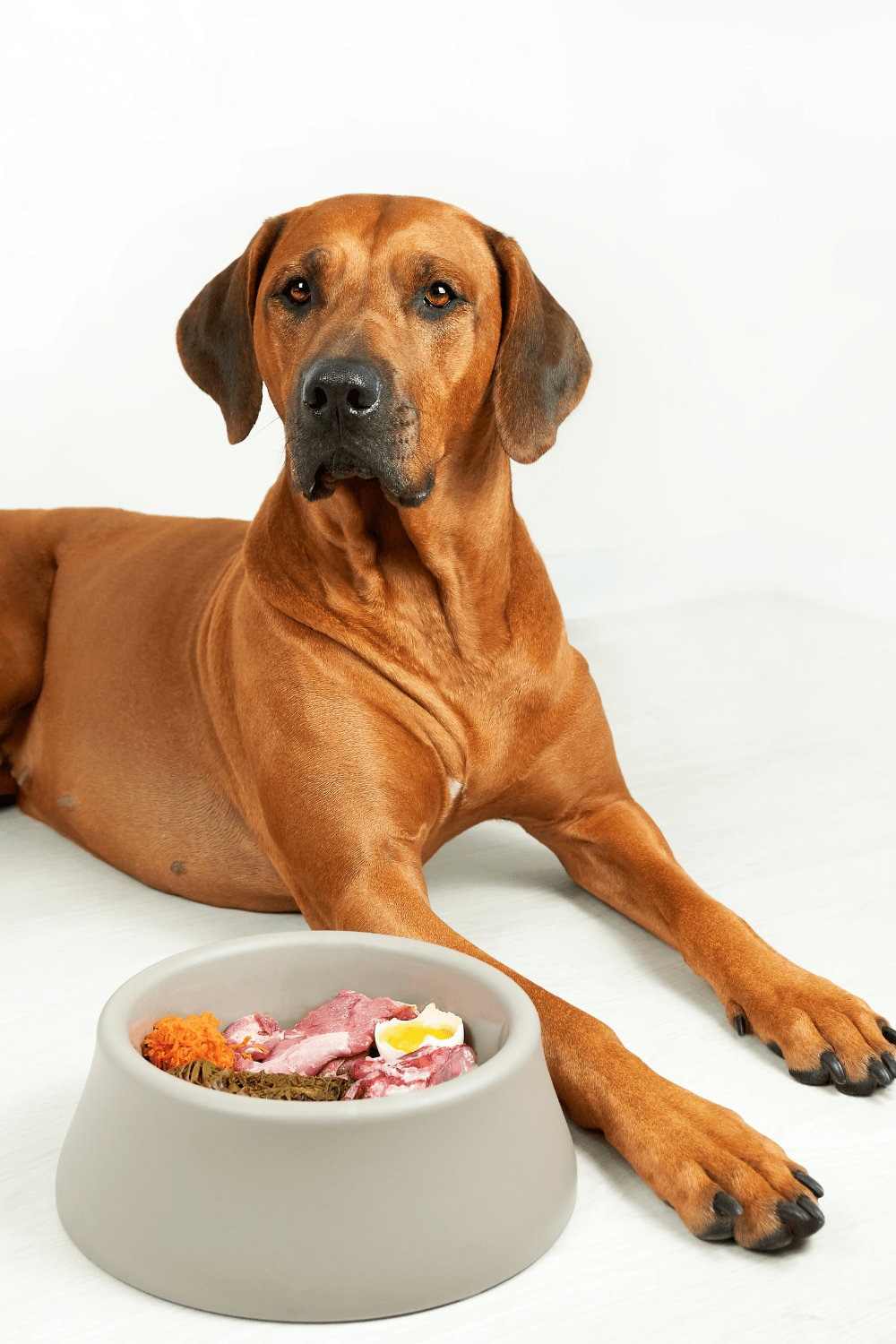
Feeding dogs raw chicken hearts in moderation is generally considered safe and can be a nutritious addition to their diet. Chicken hearts are a good source of protein, essential amino acids, and certain vitamins and minerals. However, like with all new foods you need to take caution and have a full understanding of the risks associated with feeding your dog raw food.

**Please Note that this blog post is not replace medical advise from your Veterinarian. We are dog lovers sharing our tips, tricks and love for our furry friends. Always consult your vet before trying anything new with your pets.**
Can Dogs Eat Raw Chicken Hearts?
Yes, Dogs can eat raw chicken hearts but you need to take some precautions before you give your dog raw chicken hearts:
1. Quality and Source: Ensure that the chicken hearts come from a reliable source, and they are fresh and free from contaminants.
2. Moderation: Like any treat or addition to a dog’s diet, moderation is key. Too much of any specific food item can upset a dog’s digestive system.
3. Balance: While chicken hearts can be a healthy part of a balanced raw diet, it’s essential to provide a variety of foods to ensure your dog gets all the necessary nutrients.
4. Consult with a Vet: Before making any significant changes to your dog’s diet, it’s advisable to consult with your veterinarian. They can provide guidance based on your dog’s specific health needs and conditions.
Remember that not all dogs have the same dietary requirements, and individual dogs may react differently to new foods. Always monitor your dog for any signs of allergies, digestive issues, or other adverse reactions when introducing new foods into their diet.

Benefits of feeding raw chicken hearts
Feeding raw chicken hearts to dogs can offer several health benefits when included as part of a balanced and appropriate diet.
1. Rich in Protein:
Chicken hearts are a good source of high-quality protein, which is essential for maintaining muscle mass, supporting overall growth, and providing energy.
2. Amino Acids:
They contain essential amino acids, including taurine, which is important for heart health, vision, and overall well-being.
3. Nutrient Content:
Chicken hearts provide essential vitamins and minerals such as B vitamins (B12, niacin, riboflavin), iron, phosphorus, and zinc, contributing to overall nutritional balance.
4. Omega-3 Fatty Acids:
While chicken hearts are not as high in omega-3 fatty acids as some other foods, they still contain a small amount, which can contribute to skin and coat health.
5. Natural Enzymes:
Raw food contains natural enzymes that may aid in digestion and nutrient absorption.
It’s important to note that while raw chicken hearts can provide these benefits, they should be part of a complete and balanced diet. A well-formulated dog diet includes a variety of protein sources, vegetables, and other nutrients to meet a dog’s specific nutritional needs.

How to source chicken hearts
Sourcing fresh chicken hearts for your dogs can be done through various methods. Here are some options:
1. Local Butcher or Meat Market:
– Visit a local butcher or meat market and inquire about purchasing fresh chicken hearts. They may be able to provide you with high-quality, fresh cuts of meat, including chicken hearts.
2. Grocery Store:
– Check with your local grocery store or supermarket. Some stores offer fresh meat cuts, including organ meats like chicken hearts. Speak to the butcher or meat department staff to find out if they have them available or if they can order them for you.
3. Farmers’ Markets:
– Farmers’ markets are another option to explore. Local farmers may sell fresh poultry, and you may be able to find chicken hearts among their offerings. This can also be a good way to support local farmers.
4. Online Pet Food Suppliers:
– Some online pet food suppliers or raw pet food providers offer a variety of raw meats, including chicken hearts. Make sure to choose reputable suppliers with high-quality, human-grade products.
5. Pet Specialty Stores:
– Some pet specialty stores or pet supply shops carry raw food options, including chicken hearts. Check with your local pet store to see if they have fresh or frozen raw dog food selections.
6. Raise Chickens:
-Raising your own chickens for your family and your pets is a healthy way to provide healthy and organic food for your pets and family.
Read How to raise chickens from hatch to coop Here!
When sourcing chicken hearts or any other raw food for your dog, it’s crucial to prioritize quality and freshness. Look for products that are labeled as human-grade or fit for human consumption, as this ensures a higher standard of quality and safety.

Feeding Raw Chicken hearts to your dogs
1. Your dog’s size and activity level:
- Small dogs and less active dogs: Generally, it’s recommended to limit chicken hearts to 10% or less of their daily diet. So, for a 10-pound dog, that might be 2-3 hearts per day, max.
- Larger and more active dogs: They can tolerate up to 15% of their diet as organ meat. For a 50-pound dog, that could be 7-8 hearts per day, but again, monitor closely.
2. How you’re feeding them:
- Dog Treats: As an occasional treat, a few whole chicken hearts make nutritious treats, but don’t make them a daily habit.
- Meal topper: If used as a topper, adjust their regular food amount accordingly to stay within the 10-15% limit.
- Raw diet: If feeding raw, consult a veterinarian or animal nutritionist for specific guidance on portion sizes and proper preparation.
3. Your dog’s individual health:
- Pre-existing conditions: Dogs with sensitive stomachs, pancreas issues, or other health concerns might need to avoid chicken hearts altogether. Consult your vet first.
- Age: Puppies and senior dogs may have different needs. Check with your vet for age-specific advice.
General safety tips:
- Start slowly: Introduce chicken hearts gradually, monitoring for any digestive issues like vomiting or loose stools.
- Choose quality sources: Ensure the chicken hearts are fresh and from a reputable source.
- Prepare them safely: Cook them thoroughly (never raw) and cut them into smaller pieces for smaller dogs.
- Listen to your dog: If they seem uncomfortable after eating them, stop and consult your vet.
It’s crucial to remember that this is just general information. The best way to determine the appropriate amount and frequency of chicken hearts for your dog is to consult your veterinarian. They can consider your dog’s individual needs and health status to provide personalized advice.

Essential nutrients for your furry friend
Dogs require a balanced and complete diet to meet their nutritional needs for optimal health and well-being. The essential nutrients that dogs need in their diets include:
1. Proteins:
– Essential for muscle development, maintenance, and overall body function.
– Sources: Meat, poultry, fish, eggs, and plant-based proteins.
2. Fats:
– Provide energy, support skin and coat health, and aid in the absorption of fat-soluble vitamins.
– Sources: Meat, fish oil, vegetable oils, and certain plant-based fats.
3. Carbohydrates:
– Serve as a source of energy and can include grains, vegetables, and fruits.
– Sources: Whole grains, vegetables, legumes, and fruits.
4. Vitamins:
– Essential for various physiological functions, including immune support, vision, and bone health.
– Sources: Fruits, vegetables, meats, and commercial dog foods.
5. Minerals:
– Important for bone health, nerve function, and overall metabolic processes.
– Sources: Meats, bones, vegetables, and commercial dog foods.
6. Water:
– Crucial for hydration, digestion, and temperature regulation.
– Sources: Fresh, clean water should always be available.
7. Calcium and Phosphorus:
– Vital for bone health and development.
– Sources: Dairy products, bones, and certain vegetables.
8. Taurine:
– Important for heart health and vision.
– Sources: Meat, especially heart and muscle meats.
9. Omega-3 and Omega-6 Fatty Acids:
– Contribute to skin and coat health, immune function, and anti-inflammatory processes.
– Sources: Fish oil, flaxseed oil, and certain plant-based oils.
10. Fiber:
– Aids in digestion and can help maintain gastrointestinal health.
– Sources: Vegetables, fruits, and grains.
It’s crucial to note that the specific nutritional requirements can vary depending on factors such as the dog’s age, size, breed, activity level, and health status. Consulting with a veterinarian is essential to tailor a diet that meets your dog’s individual needs. Commercial dog foods formulated to meet AAFCO (Association of American Feed Control Officials) standards often provide a convenient and balanced option for many dogs.

Benefits of feeding a raw food diet
A raw food diet for dogs, often referred to as a raw or BARF (Biologically Appropriate Raw Food) diet, has gained popularity among some pet owners. Advocates of raw diets for dogs suggest several potential benefits:
1. Improved Coat and Skin Health:
– A raw food diet rich in essential fatty acids can contribute to healthier skin and a shinier coat.
2. Healthy Weight Maintenance:
– Some proponents claim that feeding a raw diet can help dogs maintain a healthy weight and reduce the risk of obesity.
3. Dental Health:
– Chewing on raw bones and meat can help naturally clean a dog’s teeth, reducing plaque and tartar buildup.
4. Better Digestibility:
– Raw diets often contain minimal processing and may be more digestible for some dogs, leading to smaller and firmer stools.
5. Improved Energy Levels:
– Supporters of raw diets suggest that dogs may experience increased energy levels and improved overall vitality.
6. Reduced Allergies:
– Some advocates claim that a raw diet may help reduce allergies and sensitivities in dogs by eliminating certain grains and additives found in commercial dog food.
7. Optimal Nutrient Absorption:
– Proponents argue that feeding raw allows for better nutrient absorption since the ingredients are in their natural state.
8. Potential for Reduced Health Issues:
– Some believe that a raw diet can contribute to a reduced risk of certain health issues, including skin conditions, digestive problems, and allergies.
It’s important to note that while some pet owners find success with raw diets, there are also potential risks and challenges associated with them. These include concerns about bacterial contamination, nutritional imbalances, and the need for careful planning to ensure a complete and balanced diet. Additionally, not all dogs thrive on a raw diet, and individual nutritional requirements can vary.
Before transitioning your dog to a raw food diet, it’s crucial to consult with a veterinarian to ensure that it is appropriate for your dog’s specific needs, health status, and lifestyle. A veterinarian can provide guidance on proper nutrition, and potential supplements, and help monitor your dog’s health during the transition.

Can you feed Puppies Raw Chicken Hearts?
Feeding raw hearts to puppies can be done in moderation as part of a balanced and appropriate diet, but it’s essential to ensure proper handling and hygiene. Raw feeding, also known as a raw diet or BARF (Biologically Appropriate Raw Food), involves providing uncooked meats, bones, and organs to pets.
Chicken hearts are a good source of protein, essential amino acids, and nutrients for dogs. However, it’s crucial to consider the following:
1. Balance: Feeding your puppy a balanced diet, while also providing a tasty treat is key in a regular diet. This helps provide all the necessary nutrients for growth and maintenance while testing out new foods.
2. Supervision: When introducing any new food, monitor your puppy for any adverse reactions. Some dogs may have allergies or sensitivities to certain proteins.
3. Hygiene: Practice good hygiene when handling raw meat to minimize the risk of bacterial contamination. Wash your hands thoroughly after handling raw food, and clean all surfaces and utensils that come in contact with the raw meat.
4. Consultation with a Vet: Before making any significant changes to your puppy’s diet, it’s advisable to consult with a veterinarian. They can provide guidance based on your puppy’s specific needs, health condition, and breed.
Remember that a complete and balanced diet is crucial for a puppy’s growth and development. If you choose to feed raw, do your research and consult with a veterinarian to ensure that you are meeting all your puppy’s nutritional requirements. Additionally, raw feeding may not be suitable for all dogs, so it’s important to tailor the diet to your individual pet’s needs.

Other Parts of the Chicken your dogs can eat
While dogs can technically eat various parts of the chicken, it’s crucial to be mindful of potential hazards to ensure their safety. Here’s a breakdown of what parts of the chicken are generally considered safe and what to avoid:
Safe for Dogs:
- Boneless, skinless chicken: This is the most recommended option. Chicken breast or thigh meat, cooked plain without any added seasonings, oil, or spices, is a lean protein source for dogs.
- Raw Chicken Gizzards: These are muscular organs in the chicken’s digestive system and can be a good source of vitamins and minerals for dogs. However, they should be given in moderation due to their high-fat content.
Not Safe for Dogs:
- Bones: Cooked or uncooked chicken bones can splinter and pose a choking hazard or cause internal injuries, like the bones in raw chicken necks.
- Skin: Chicken skin is high in fat and can contribute to pancreatitis in dogs.
- Seasonings: Onions, garlic, chives, and other seasonings commonly used with chicken are toxic to dogs and should be avoided.
Additional Tips:
- Cut chicken into small pieces: This reduces the risk of choking, especially for smaller dogs.
- Introduce new foods gradually: Start with small amounts and monitor your dog for any signs of digestive upset.
- Consult your veterinarian: They can advise you on the best way to include chicken in your dog’s diet based on their individual needs and health conditions.
Remember, prioritizing your dog’s safety is crucial. If you’re unsure about anything, it’s always best to err on the side of caution and consult your veterinarian for guidance.
Chicken hearts can be a nutritious and delightful treat for your dog. Packed with protein, vitamins, and minerals, they offer a variety of health benefits, from boosting immunity to supporting heart health. However, remember to approach them with caution:
- Moderation is key: Treats, including chicken hearts, should only make up a small portion of your dog’s overall diet.
- Preparation matters: Opt for cooked or dehydrated hearts to minimize the risk of bacterial contamination.
- Safety first: Avoid raw hearts and remove any fat or connective tissue before feeding them to your dog.
- Consult your vet: If your dog has any underlying health conditions, it’s crucial to consult your veterinarian before introducing any new food, including chicken hearts.
By following these guidelines, you can ensure that your furry friend enjoys the benefits of these tasty treats safely and responsibly.
More Posts you may be Interested in:
- Can Dogs Eat Rutabagas? 50 Vegetables Dogs can Eat!
- Safe Plants for Bearded Dragons to Eat!
- What’s the best Grass for Clay Soil?
One response to “Can Dogs Eat Raw Chicken Hearts?”
Leave a Reply

Nestera Chicken Coop

Park Seed
Garden Tower Project
Vego Garden Beds

Botanical Interests
Amazon Favorites!

Hoselink
Web Stories


[…] Can Dogs Eat Raw Chicken Hearts? […]