What’s the Best Grass for Clay Soil?
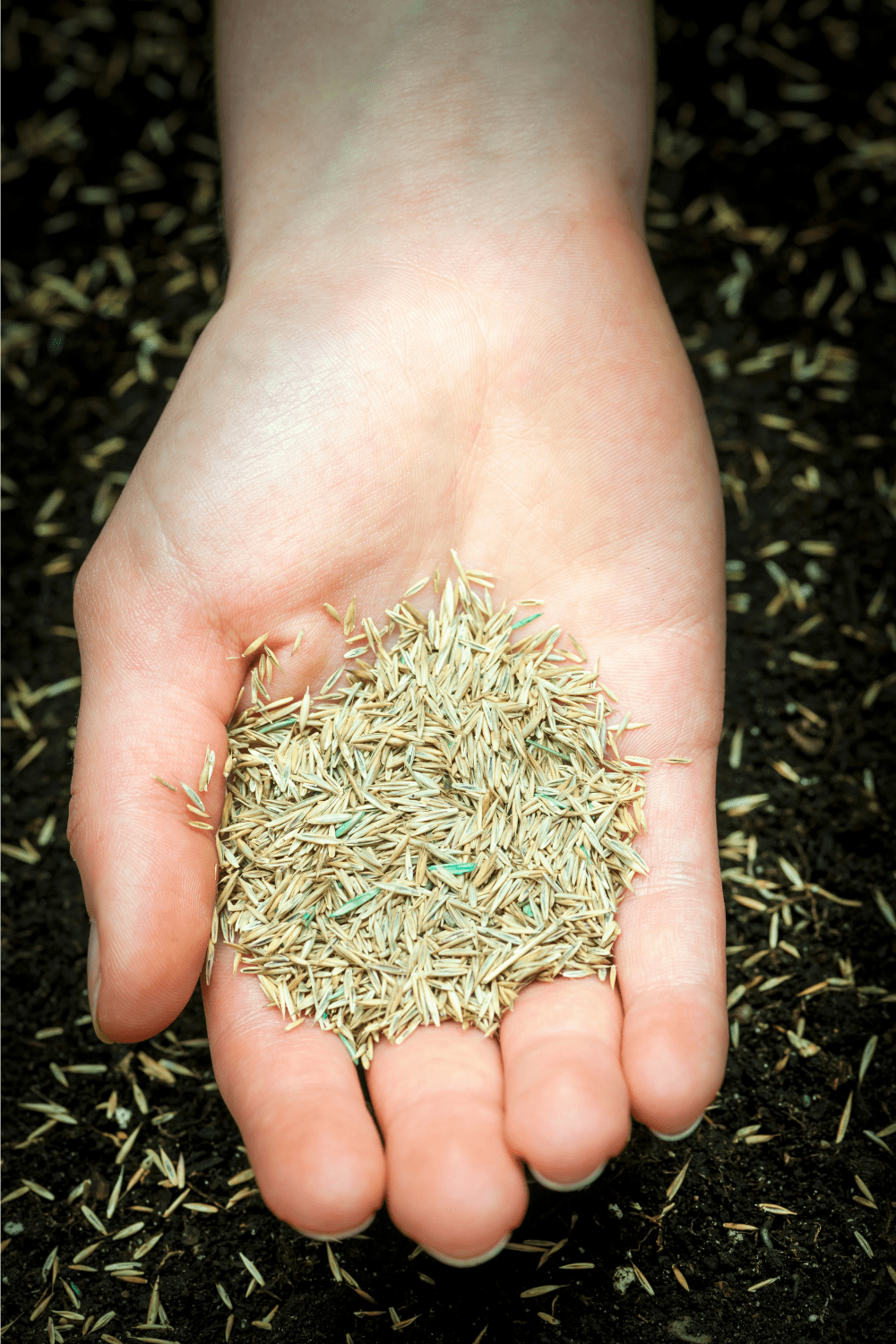
What is clay soil? What is the best grass to grow for clay soil? Clay soil is a type of soil that is made up of very small particles. The particle size is so small that they can easily clump together, which is why clay soil is often described as being “heavy” or “sticky.” Clay soil is also less permeable than other types of soil, meaning that it does not drain water very well. This can be a problem for certain plants and grasses, as it can lead to waterlogging, which can damage or even kill roots.

Despite its challenges, clay soil does have some advantages. For example, clay soil is very fertile and can hold onto nutrients well. This makes it a good choice for growing plants that need a lot of nutrients, such as vegetables and fruits. Clay soil is also less likely to erode than other types of soil, so it is a good choice for areas that are prone to landslides or flooding.
If you have clay soil in your garden, there are a few things you can do to improve it. First, you can add organic matter, such as compost or manure, to the soil. This will help to break up the clay particles and improve drainage. You can also aerate the soil by poking holes in it with a garden fork. This will help to allow air and water to penetrate the soil more easily.
Growing grass in heavy Clay soils can pose some challenges for growing a lush, green beautiful lawn, but it’s not impossible! We are going to teach you about the different types of grasses that you can grow in clay soil for a luscious lawn.
Problems Growing Grass in Clay Soil
Drainage and Compaction:
- Poor drainage: Clay particles are tightly packed, leaving little space for air and water to circulate. This can lead to waterlogging, which suffocates grass roots and prevents them from absorbing nutrients.
- Compaction: Clay soil is prone to compaction, especially in high-traffic areas. This further restricts air and water movement, making it even harder for grass to grow.
Nutrient Availability:
- Nutrient deficiency: Clay soils can be naturally deficient in certain nutrients, like nitrogen and phosphorus, which are essential for healthy grass growth.
- Nutrient binding: Clay particles can bind to nutrients, making them less available to grass roots.
Other Challenges:
- pH levels: Clay soils tend to be acidic, which some grass species don’t tolerate well.
- Cracking: During dry periods, clay soil can crack, opening up pathways for weeds to invade.
Tips for Growing Grass in Clay Soil:
- Improve drainage: Amend your soil with organic matter like compost or manure to loosen it up and improve drainage. You can also create drainage ditches or install a French drain system.
- Aerate the soil: Aerate your lawn regularly to break up compaction and allow air and water to penetrate the soil.
- Test your soil: Have your soil tested to determine its pH and nutrient levels. This will help you choose the right type of grass and fertilizer to apply.
- Choose clay-tolerant grass: Select grass varieties that are specifically adapted to clay soil, such as Kentucky bluegrass, tall fescue, or perennial ryegrass.
- Apply fertilizer properly: Follow the instructions on the fertilizer label carefully and avoid over-fertilizing, which can pollute waterways.
- Water deeply and less frequently: Water your lawn deeply and less frequently to encourage deep root growth. This will help your grass to better withstand dry periods.

Best Grass for Clay Soil
Grasses for clay soil
- Tall fescue: This grass has a deep root system that helps it penetrate clay soil and tolerate drought. It is also relatively shade-tolerant.
- Kentucky bluegrass: This grass forms a thick, green sod that is resistant to wear and tear. However, it requires more sunlight and water than tall fescue.
- Perennial ryegrass: This grass germinates quickly and forms a dense turf. However, it is not as drought-tolerant as tall fescue or Kentucky bluegrass.
- Warm-season grasses: These grasses thrive in hot, humid climates and can tolerate clay soil. However, they may not be as good of a choice in cooler climates. Some popular warm-season grasses for clay soil include:
- Bermuda grass: This grass is very drought-tolerant and heat-tolerant. It also spreads quickly and can fill in bare spots. However, it can be difficult to establish and may not be the best choice for areas with heavy shade.
- Zoysia grass: This grass is also very drought-tolerant and heat-tolerant. It forms a thick, dense turf that is resistant to pests and diseases. However, it can be slow to establish and may not be the best choice for areas with heavy shade.
When choosing grass seed for your clay soil, it is important to consider the following factors:
- Climate: Choose a grass that is suited to your climate.
- Drainage: Clay soil can be poorly drained, so choose a grass that is tolerant of wet conditions.
- Sun exposure: Some grasses prefer full sun, while others can tolerate partial shade.
- Maintenance: Some grasses require more maintenance than others.

How to grow tall fescue grass seed in clay soil
Growing tall fescue grass in clay soil requires some extra effort compared to more forgiving soil types, but it’s definitely achievable with the right approach.
Preparation:
- Test your soil: Get a soil test to determine the pH and nutrient levels. Clay soil tends to be alkaline (high pH), which can inhibit grass growth. Aim for a pH between 5.5 and 6.5. If necessary, amend the soil with sulfur or other pH-lowering agents.
- Improve drainage: Clay soil drains poorly, leading to waterlogging and root rot. Aerate the soil with a core aerator, creating deep holes to allow water to penetrate deeper. You can also add organic matter like compost or aged manure to improve drainage and soil structure.
- Remove weeds and debris: Clear the planting area of existing vegetation and debris like rocks or sticks. This allows the grass seeds better access to sunlight and nutrients.
Planting:
- Choose the right seed: Opt for high-quality tall fescue seed varieties specifically suited for clay soil. Some popular choices include Kentucky 31, Falcon, and Barracuda.
- Sow the seeds: Plant the seeds at the recommended rate for your chosen variety, typically around 5-10 pounds per 1,000 square feet. Use a drop spreader or broadcast spreader for even distribution.
- Rake and cover: Lightly rake the seeds into the soil, ensuring they are covered with about 1/4 inch of soil. Roll the area lightly to further press the seeds into the soil.
Maintenance:
- Water consistently: Keep the soil evenly moist, especially during the germination stage (first 4-6 weeks). Water lightly several times a day to avoid puddles. Once established, water deeply less frequently, allowing the soil to dry slightly between waterings.
- Fertilize: Apply a starter fertilizer at planting time and follow up with regular fertilization according to the needs of your soil and grass variety.
- Mow properly: Tall fescue thrives with regular mowing at a height of 3-4 inches. This encourages deeper root growth and helps shade out weeds.
- Aerate and dethatch: Aerate the lawn every 2-3 years to maintain good drainage. Dethatching may also be necessary if excessive thatch build-up occurs.
Additional tips:
- Consider planting in the fall when temperatures are cooler and rainfall is more consistent.
- Top dress with a thin layer of compost or sand between regular mowings to further improve soil drainage and moisture retention.
- Be patient! Growing a healthy lawn in clay soil takes time and consistent effort.

How to grow Kentucky bluegrass in clay soil
Kentucky bluegrass can be a bit trickier to establish in clay soil than tall fescue due to its preference for good drainage. However, it’s still possible with some additional effort and preparation.
Preparation:
- Test your soil: As before, get a soil test to determine the pH and nutrient levels. A pH between 6.0 and 7.0 is ideal for Kentucky bluegrass. If necessary, amend the soil with lime to raise the pH or sulfur to lower it.
- Improve drainage: This is crucial for clay soil. Aerate the soil deeply with a core aerator and top-dress with organic matter like compost, aged manure, or sand. These amendments improve drainage and soil structure, allowing water to penetrate deeper.
- Remove weeds and debris: Similar to tall fescue, clear the planting area of existing vegetation and debris to minimize competition for nutrients and sunlight.
Planting:
- Choose the right seed: Select high-quality Kentucky bluegrass seed varieties suitable for clay soil. Opt for drought-tolerant and disease-resistant cultivars like Adelphi, Midnight, or Challenger.
- Sow the seeds: Plant the seeds in early fall when temperatures are cooler and soil moisture is consistent. Aim for a rate of 8-10 pounds per 1,000 square feet. Use a drop spreader or broadcast spreader for even distribution.
- Lightly rake and cover: Rake the seeds lightly into the soil, ensuring they are covered with no more than 1/4 inch of soil. You can lightly roll the area to further press the seeds into the soil.
Maintenance:
- Water consistently: Kentucky bluegrass requires consistent moisture, especially during germination (first 4-6 weeks). Water lightly and frequently to avoid puddles. Once established, water deeply but less frequently, allowing the soil to dry slightly between waterings.
- Fertilize: Apply a starter fertilizer at planting time and follow up with regular fertilization according to soil and grass needs. Avoid high-nitrogen fertilizers, as they can promote thatch buildup in clay soil.
- Mow properly: Kentucky bluegrass thrives with regular mowing at a height of 1.5-2.5 inches. This promotes thick growth and discourages weeds.
- Aerate and dethatch: Aerate the lawn every 2-3 years to maintain good drainage. Dethatch annually or as needed to avoid excessive thatch buildup, which can trap moisture and lead to disease.
Additional tips:
- Consider over-seeding existing lawns instead of starting from scratch. This can be less labor-intensive.
- Top dress with a thin layer of compost or sand between regular mowings to improve drainage and moisture retention.
- Be patient! Establishing Kentucky bluegrass in clay soil takes time and consistent effort.
Remember, Kentucky bluegrass needs more sunlight and water than tall fescue.

How to grow perennial ryegrass in clay soil
Growing perennial ryegrass in clay soil is definitely possible, but it requires some extra attention due to the soil’s drainage challenges.
Preparation:
- Test your soil: Get a soil test to determine the pH and nutrient levels. Ryegrass prefers a pH between 6.0 and 7.0. Amend the soil with lime or sulfur if necessary.
- Improve drainage: This is crucial for clay soil. Aerate deeply with a core aerator, creating holes to allow water to penetrate deeper. Top-dress with organic matter like compost, aged manure, or sand to improve soil structure and drainage.
- Remove weeds and debris: Clear the planting area of existing vegetation and debris to minimize competition for light and nutrients.
Planting:
- Choose the right seed: Select high-quality perennial ryegrass seed varieties suitable for clay soil. Opt for drought-tolerant and disease-resistant cultivars.
- Sow the seeds: Plant the seeds in early fall or early spring when temperatures are mild and soil moisture is consistent. Aim for a rate of 8-10 pounds per 1,000 square feet. Use a drop spreader or broadcast spreader for even distribution.
- Rake and cover: Lightly rake the seeds into the soil, ensuring they are covered with no more than 1/4 inch of soil. You can lightly roll the area to further press the seeds into the soil.
Maintenance:
- Water consistently: Ryegrass germinates quickly and needs consistent moisture, especially during the first 4-6 weeks. Water lightly and frequently to avoid puddles. Once established, water deeply but less frequently, allowing the soil to dry slightly between waterings.
- Fertilize: Apply a starter fertilizer at planting time and follow up with regular fertilization according to your soil and grass needs. Avoid over-fertilizing, especially with high-nitrogen fertilizers, as this can promote thatch buildup.
- Mow properly: Ryegrass thrives with regular mowing at a height of 2-3 inches. This encourages thick growth and discourages weeds.
- Aerate and dethatch: Aerate the lawn every 2-3 years to maintain good drainage. Dethatch annually or as needed to avoid excessive thatch buildup, which can trap moisture and lead to disease.
Additional tips:
- Consider over-seeding existing lawns instead of starting from scratch. This can be less labor-intensive.
- Top dress with a thin layer of compost or sand between regular mowing to improve drainage and moisture retention.
- Be patient! Establishing ryegrass in clay soil takes time and consistent effort.
Perennial ryegrass is quite adaptable and tolerates clay soil better than some other grasses. However, consistent drainage improvement and proper watering are key to its success.

How to grow Bermuda Grass in Clay soil
Growing Bermuda grass in clay soil can be a challenging but rewarding proposition. While its excellent heat and drought tolerance make it appealing, its preference for well-drained, sandy soil requires some additional effort in clay.
Preparation:
- Test your soil: As always, understanding your soil is key. Get a soil test to determine the pH and nutrient levels. Bermuda grass prefers a slightly acidic to neutral pH of 6.0-7.0. Amend the soil with lime or sulfur if necessary.
- Improve drainage: This is absolutely crucial for clay soil. Aerate deeply with a core aerator, at least 4-8 inches deep. Top-dress with organic matter like compost or aged manure, in moderation (around 1/2 inch) to improve soil structure and drainage without inhibiting root growth. Consider adding sand as well, in a ratio of 3 parts soil to 1 part sand, mixed to a depth of 4-6 inches.
- Remove weeds and debris: Clear the planting area of existing vegetation and debris to minimize competition for light and nutrients.
Planting:
- Choose the right method: You can plant Bermuda grass either through sprigs (plugs) or sod. Plugs are more cost-effective but require more time and effort. Sod offers faster results but is more expensive and requires careful installation. Choose heat-tolerant and disease-resistant varieties suitable for your region.
- Plant in spring or summer: Wait until the soil temperature warms up to at least 65°F for optimal establishment.
- Planting depth: For plugs, plant them about 1-2 inches deep, spacing them 6-8 inches apart. For sod, press it firmly into the soil without creating air pockets.
Maintenance:
- Water consistently: Water deeply and infrequently, allowing the soil to dry slightly between waterings. Overwatering can lead to root rot in clay soil.
- Fertilize sparingly: Bermuda grass requires less fertilizer than other grasses. Use a balanced fertilizer in early spring and summer, following the recommended rates for your specific variety and soil conditions. Avoid over-fertilization, especially with high-nitrogen fertilizers, as it can promote thatch buildup.
- Mow regularly: Bermuda grass thrives with frequent mowing at a height of 1-2 inches. This promotes thick growth and discourages weeds.
- Aerate and dethatch: Aerate the lawn every 2-3 years to maintain good drainage, especially important in clay soil. Dethatching is not typically necessary for Bermuda grass.
Additional tips:
- Be patient! It may take longer for Bermuda grass to establish in clay soil compared to other soil types.
- Top dress with a thin layer of sand occasionally to maintain good drainage and prevent soil compaction.
- Consider using gypsum to improve soil structure and water infiltration in clay soil.
- Seek professional advice from a lawn care expert if you need help with soil amendments, drainage solutions, or specific variety recommendations for your region.
With careful preparation, planting, and maintenance, you can achieve a healthy and thriving Bermuda grass lawn even in clay soil. Remember, consistent drainage improvement and proper watering are key to its success.

How to grow zoysia grass
Zoysia grass can be a great choice for lawns due to its beautiful appearance, drought tolerance, and resistance to pests and diseases. However, it requires specific care and conditions to thrive, especially in clay soil.
Preparation:
- Test your soil: As with any lawn project, understanding your soil is key. Get a soil test to determine the pH and nutrient levels. Zoysia grass prefers a slightly acidic to neutral pH of 6.0-7.0. Amend the soil with lime or sulfur if necessary.
- Improve drainage: This is crucial for clay soil. Aerate deeply with a core aerator, at least 4-6 inches deep. Top-dress with organic matter like compost or aged manure, in moderation (around 1/2 inch) to improve soil structure and drainage without inhibiting root growth. Consider adding sand as well, in a ratio of 3 parts soil to 1 part sand, mixed to a depth of 4-6 inches.
- Remove weeds and debris: Clear the planting area of existing vegetation and debris to minimize competition for light and nutrients.
Planting:
- Choose the right method: You can plant Zoysia grass in several ways: plugs, sod, or sprigs. Plugs are affordable but take longer to establish. Sod provides faster results but is more expensive. Sprigs are a middle-ground option, being somewhat slower than sod but more affordable. Choose heat-tolerant and disease-resistant varieties suitable for your region.
- Planting timing: Plant Zoysia grass in late spring or early summer when soil temperatures reach 70-75°F.
- Planting depth: For plugs, plant them about 1-2 inches deep, spacing them 6-8 inches apart. For sod, press it firmly into the soil without air pockets. For sprigs, spread them evenly over the prepared soil and lightly rake them in.
Maintenance:
- Water consistently: Water deeply and infrequently, allowing the soil to dry slightly between waterings. Overwatering can lead to fungal diseases in clay soil.
- Fertilize sparingly: Zoysia grass requires less fertilizer than other grasses. Use a balanced fertilizer in early spring and summer, following the recommended rates for your specific variety and soil conditions. Avoid over-fertilization, especially with high-nitrogen fertilizers, as it can promote thatch buildup.
- Mow regularly: Mow Zoysia grass at a height of 1-2 inches for a dense and healthy lawn. Avoid mowing the lawn too short, as this can stress the grass and make it more susceptible to disease.
- Aerate and dethatch: Aerate the lawn every 2-3 years to maintain good drainage, especially important in clay soil. Dethatching is not typically necessary for Zoysia grass.
Additional tips:
- Be patient! Zoysia grass takes longer to establish than some other types of grass, especially in clay soil.
- Topdress with a thin layer of sand occasionally to maintain good drainage and prevent soil compaction.
- Consider using gypsum to improve soil structure and water infiltration in clay soil.
- Seek professional advice from a lawn care expert if you need help with soil amendments, drainage solutions, or specific variety recommendations for your region.

Choosing the right type of grass seed is just the beginning of mastering Growing grass seed in heavy clay soil. It requires thoughtful planning and proper techniques to ensure successful growth and longevity. Despite the challenges posed by dense clay, implementing measures such as soil amendment with organic matter, proper drainage solutions, and selecting the best type of grass varieties well-suited to such conditions can lead to a lush and thriving lawn.
Patience and consistent care are essential in nurturing the seeds through their germination and establishment stages. By addressing the unique characteristics of heavy clay soil, homeowners can create a resilient and vibrant grass cover that enhances the aesthetic appeal of their outdoor spaces.
Happy Gardening!
2 responses to “What’s the Best Grass for Clay Soil?”
Leave a Reply

Nestera Chicken Coop

Park Seed
Garden Tower Project
Vego Garden Beds

Botanical Interests
Amazon Favorites!

Hoselink
Web Stories


[…] What’s the best Grass Seed for Clay Soil? […]
[…] What’s the best Grass for Clay Soil? […]