Can you Propagate Pilea from a Single Leaf? Heck Yes you Can
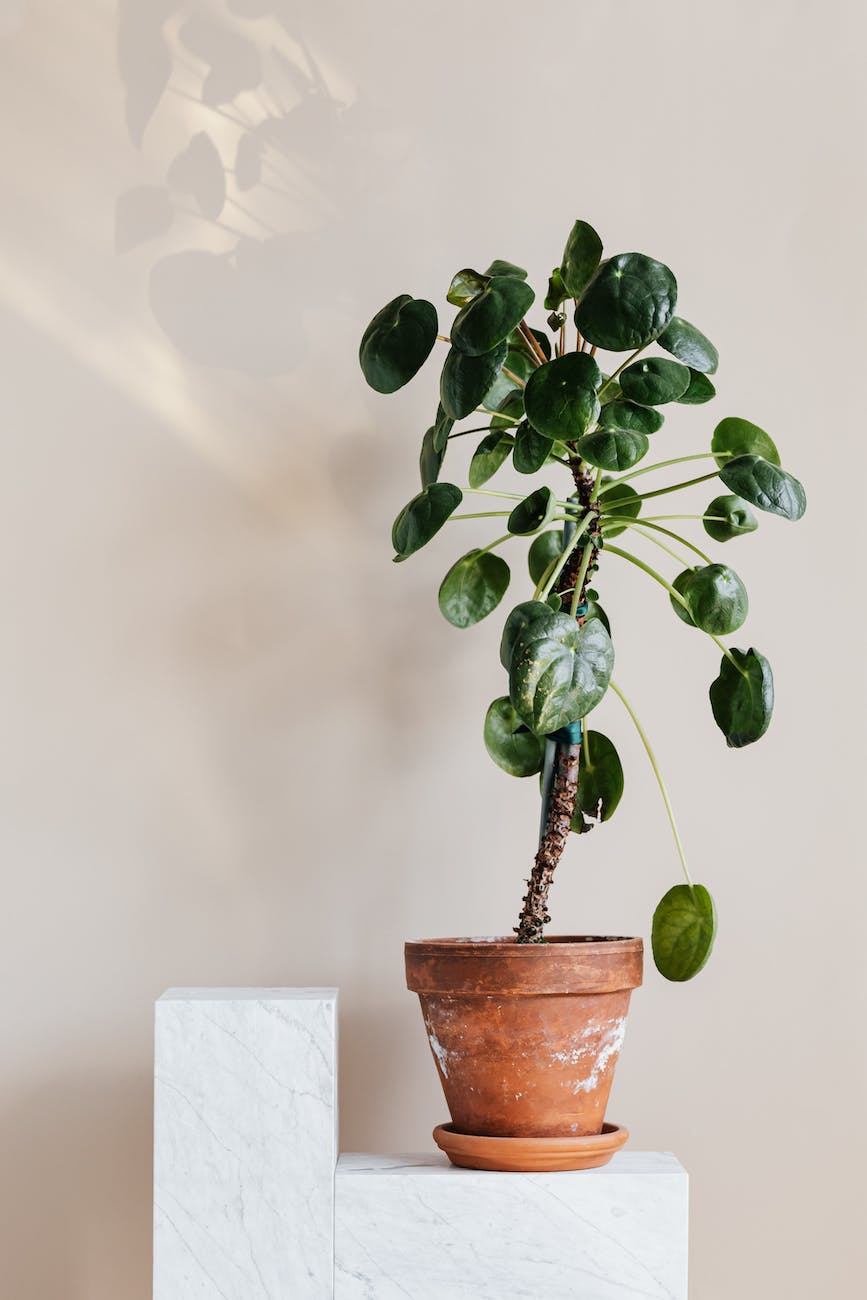
Can you propagate Pilea from a single leaf? YES! Propagation is a great way to make new baby plants from your plants.

Propagating Pilea, from leaf cuttings, is a unique and intriguing process that allows plant enthusiasts to expand their collection and share the joy of cultivating this distinctive and trendy houseplant. While Pilea plants more commonly propagate from offshoots or pups, the leaf propagation method offers a fascinating challenge for those who want to try their hand at a less conventional approach.
The best time to propagate your pilea is typically during early spring and summer when the plant is in its growth phase. However, pilea are pretty amazing and forgiving and will propagate any time of the year and it usually doesn’t take a long time to see growth.

How to Propagate Pilea From A Single Leaf
To begin propagating Pilea from a leaf cutting, start by selecting a healthy and mature leaf from the parent plant. Ensure that the leaf is free from damage or disease, as a healthy starting point increases the chances of successful propagation.
With a clean and sharp pair of scissors or pruning shears, make a precise cut just below the leaf node. The leaf node is the point on the stem from which the leaf emerges. Having a small portion of the stem attached to the leaf is crucial for successful propagation, as this is where roots will eventually develop.
After obtaining the leaf-cutting, it’s essential to let it callus before planting. Place the cutting in a dry location for a few hours. Allowing the cut end to callus helps prevent rotting when it is planted in soil.
Prepare a small pot with a well-draining soil mix. opt for a commercial succulent or cactus mix, or create your own blend using perlite and peat moss. Pilea plants prefer a well-draining medium to avoid waterlogged conditions that could lead to root rot.
Insert the cut end of the leaf into the soil, burying it about an inch or so. Gently press the soil around the leaf to provide stability. Unlike other propagation methods, such as stem cuttings, where multiple leaves may be present, propagating from a single leaf requires patience as it may take longer for roots to develop.
To create a conducive environment for root growth, cover the pot with a clear plastic bag or plastic wrap. This acts as a mini greenhouse, trapping humidity and promoting the conditions necessary for root development. Place the pot in a location with indirect light, avoiding direct sunlight, which can scorch the delicate cutting.
Regularly check the moisture level in the soil, ensuring it remains consistently moist but not waterlogged. Mist the inside of the plastic covering if needed to maintain humidity around the cutting.
Be patient during the rooting process, as it may take several weeks for roots to emerge. Once you observe the development of roots, gradually remove the plastic covering, and treat the new plant as you would a mature Pilea.
While propagating Pilea from a single leaf may pose more challenges compared to other methods, the satisfaction of successfully cultivating a new plant from such a modest beginning is immensely rewarding. Experimenting with different propagation techniques allows plant enthusiasts to deepen their understanding of plant biology and enjoy the journey of nurturing life from a single leaf to a thriving, independent plant.

Step by Step Leaf Propagation
Propagating Pilea like the Chinese Money Plant from a single leaf can be a bit challenging, as Pilea plants typically prefer to be propagated from offshoots or pups that grow at the base of the mother plant. However, it is possible to propagate Pilea from a single leaf. Here’s a step-by-step guide:
**Materials Needed:**
Healthy Pilea plant with a mature leaf
Sharp knife, clean scissors, or pruning shears
Small pot that has drainage holes and a well-draining soil mix (potting mix for succulents or a mix of perlite and peat moss works well)
Clear plastic bags or plastic wrap
Watering can or spray bottle
Steps:
Select a Healthy Leaf:
Choose a mature and healthy leaf from the mother plant. Make sure the leaf is not damaged or infected.
Cut the Leaf:
Using clean and sharp scissors or pruning shears, carefully cut the selected leaf from the Pilea plant. Make the cut just below the leaf node, which is the point where the leaf attaches to the stem.
Remove Excess Stem:
Trim the excess stem, leaving a short piece attached to the base of the leaf. This will be the part that goes into the soil.
Let the Cutting Callus:
Place the cutting in a dry location for a few hours to allow the cut end to callus. This helps prevent rot when the cutting is placed in soil.
Prepare the Pot and Soil:
Fill a small pot with well-draining soil. You can use a commercial succulent or cactus mix or create a mix of perlite and peat moss.
Plant the Cutting:
Insert the cut end of the leaf into the soil, burying it about an inch or so. Gently press the soil around the leaf to hold it in place.
Create a Mini Greenhouse:
Cover the pot with a clear plastic bag or plastic wrap to create a mini greenhouse effect. This helps maintain high humidity around the cutting, promoting root development.
Place in Indirect Light:
Put the pot in a location with indirect light. Avoid placing it in direct sunlight, as this could scorch the cutting.
Maintain Humidity:
Check the moisture level in the soil regularly. Keep the soil consistently moist but not waterlogged. Mist the inside of the plastic bag if needed to maintain humidity.
Wait for New Roots to Develop:
Be patient new growth can take some time so wait for those roots to develop. This may take several weeks. Once you see roots emerging from the soil, you can gradually remove the plastic covering and treat the new plant as you would a mature Pilea. You’ll know your propagation is doing well because you’ll begin to see new leaves on your plants.
Remember that propagating from a single leaf may not always be successful, as Pilea plants more commonly propagate from pups or offshoots. If the single-leaf method doesn’t work, consider trying to propagate from the plant’s offshoots or pups instead.

Water Propagation
Here’s your step-by-step guide on how to propagate Pilea using water:
Materials Needed:
Healthy Pilea plant with a mature stem or offshoot
Clean and sharp scissors or pruning shears
Clear glass or jar
Water
Optional: Rooting hormone (if desired)
Steps:
1. Select a Healthy Stem or Offshoot:
Choose a healthy and mature stem or offshoot from the parent Pilea plant. Ensure that it has a few leaves and is free from any signs of disease or damage.
2. Prepare the Cutting:
Using clean and sharp scissors or pruning shears, make a clean cut just below a leaf node. A leaf node is the point on the stem where a leaf is attached. Having a portion of the stem with a leaf node is crucial for successful rooting.
3. Optional: Apply Rooting Hormone:
If you have rooting hormone available, you can dip the cut end of the stem in the hormone powder. This step is optional, as Pilea generally roots well without the use of rooting hormone.
4. Place the Cutting in Water:
Fill a clear glass or jar with water. Submerge the cut end of the Pilea stem in the water, ensuring that the leaf node is submerged. It’s preferable to use a clear container so you can monitor the root development.
5. Choose a Suitable Location:
Place the glass or jar in a location with indirect light. Avoid direct sunlight, as it could encourage algae growth in the water. A bright but shaded spot is ideal.
6. Change the Water Regularly:
Change the water every few days to keep it fresh and oxygenated. This helps prevent the development of stagnant water and promotes healthy root growth.
7. Wait for Root Development:
Be patient and wait for roots to develop. You should start seeing roots emerging from the submerged nodes after a few weeks. Once the roots are a few inches long, your Pilea cutting is ready for transplantation.
8. Transplant into Soil:
Once the roots are well-established, transplant the Pilea cutting into a pot with well-draining soil. Make a small hole in the soil using a stick or your finger and gently place the rooted cutting into the hole. Cover the roots with soil and water the plant.
9. Acclimate to Soil Conditions:
Initially, place the newly transplanted Pilea in a shaded area and gradually acclimate it to brighter light conditions over a week or two. This helps reduce stress on the plant as it adjusts to its new environment.

Different Pilea Propagation Methods
Pilea plants can be propagated in several ways. Here are some common propagation methods:
Offshoots or Pilea Pups:
Pilea plants naturally produce small offshoots or new pups at the base of the main plant. Think of pups as baby Pilea plants. These can be separated from the mother plant and potted individually once they have grown large enough, usually with a few leaves and a root system.
Stem Cutting:
You can take stem cuttings with a few leaves from a healthy Pilea plant. Remove the lower leaves and plant the cuttings in soil or water. Roots will develop over time, and you can then transplant them into pots.
Pilea Leaf Cuttings:
While propagating from a single leaf is less common and may be more challenging, it is possible. Take a healthy leaf, cut it at the base, and plant the cut end in the soil. This method may take longer to produce roots compared to stem cuttings.
Division:
For more mature Pilea plants with multiple stems, you can divide the plant by carefully separating it into smaller sections. Each section should have roots attached. Replant the divided sections in individual pots.
Air Layering:
Air layering involves creating a small incision in a stem, applying rooting hormone, wrapping the wounded area in sphagnum moss, and then covering it with plastic. Roots will form at the wounded site, and you can later cut the stem and plant it as a new individual.
Seeds:
While Pilea plants can produce seeds, they are less commonly used for propagation. Growing Pilea from seeds may take longer and is not as reliable as other methods.
Each propagation method has its own set of advantages and challenges. Offshoots and stem cuttings are generally the most common and successful ways to propagate Pilea. Experimenting with different methods can help you find the one that works best for you and your plants.

Here’s a step-by-step guide on how to grow and care for your Pilea:
Choosing the Right Location:
– Pilea plants prefer bright, indirect light. Avoid direct sunlight, as it can scorch their leaves.
– Place your Pilea near a window with filtered sunlight or in a location where it receives dappled sunlight.
Soil and Potting:
– Use well-draining potting soil to prevent overwatering and root rot.
– Choose a pot with drainage holes to ensure excess water can escape.
Watering:
– Allow the top inch of the soil to dry out before watering.
– Water your Pilea thoroughly, but make sure the excess water drains away.
– Overwatering can lead to root rot, so it’s crucial to maintain a balance.
Temperature and Humidity:
– Pilea plants thrive in temperatures between 65-75°F (18-24°C).
– They can tolerate average indoor humidity, but they appreciate a bit of extra moisture. Mist the plant occasionally or place a tray of water near it.
Fertilization:
– During the growing season (spring and summer), feed your Pilea with a balanced liquid fertilizer every 4-6 weeks.
– Reduce or eliminate fertilization in fall and winter when the plant is not actively growing.
Pruning:
– Pilea plants may develop multiple stems. Prune them to maintain a bushy appearance.
– Pinch off any unwanted growth to encourage a compact and tidy shape.
Common Issues:
– Watch out for pests like spider mites or aphids. Wipe the leaves with a damp cloth to remove pests.
– Yellowing leaves may indicate overwatering, while brown tips may suggest underwatering.
Rotation:
– Rotate your Pilea occasionally to ensure even growth on all sides. This helps prevent the plant from leaning towards the light source.

Here are 10 popular Pilea varieties that have captured the attention of plant enthusiasts:
1. Pilea Peperomioides (Chinese Money Plant):
Pilea, commonly known as Chinese Money Plant, Pancake Plant, or UFO plant has gained popularity as a trendy and easy-to-care-for houseplant.
2. Pilea Glauca (Silver Sparkle):
Also known as Silver Sparkle or Greyzy, this Pilea features small, silver-green leaves. Its compact and trailing growth habit makes it an excellent choice for hanging baskets or as a trailing accent in plant arrangements.
3. Pilea Involucrata (Friendship Plant):
The Friendship Plant is appreciated for its textured, quilted leaves with intricate patterns. It has a bushier growth habit and is often chosen for its ornamental foliage.
4. Pilea Cadierei (Aluminum Plant):
Commonly known as the Aluminum Plant, this Pilea variety is recognized for its green leaves with silver markings, resembling brushed aluminum. It’s a popular choice for those seeking a striking and low-maintenance houseplant.
5. Pilea Depressa (Baby Tears):
Baby Tears is a creeping Pilea with small, round leaves that create a lush, carpet-like appearance. It’s well-suited for terrariums, ground cover, or hanging baskets.
6. Pilea Nummulariifolia (Creeping Charlie):
Creeping Charlie features cascading stems with small, round leaves. It’s an excellent choice for trailing down shelves or hanging baskets, adding a touch of greenery to any space.
7. Pilea Mollis (Moon Valley Pilea):
The Moon Valley Pilea is named for its deeply textured, moon-shaped leaves. The foliage has a unique wrinkled appearance, adding visual interest to the plant.
8. Pilea Glabella (Red Stem Pilea):
Characterized by its striking red stems, this Pilea variety has small green leaves and a bushy growth habit. The contrast between the green foliage and vibrant red stems makes it an eye-catching choice.
9. Pilea Microphylla (Artillery Plant):
Also known as the Artillery Plant, this Pilea variety features tiny, bright green leaves that resemble small coins. When touched, it releases its pollen, creating a unique and interactive aspect to its care.
10. Pilea Peperomioides ‘Variegata’ (Variegated Chinese Money Plant):
A variegated version of the classic Chinese Money Plant, this variety features leaves with attractive white or cream-colored variegation. It adds an extra layer of visual appeal to an already popular plant.
These Pilea varieties showcase the diversity within the genus, offering a range of leaf shapes, sizes, and colors. Whether you’re a seasoned plant collector or a beginner looking for a stylish and easy-to-grow houseplant, there’s likely a Pilea variety that suits your preferences.

Propagating Pilea from a single leaf is an exciting process that can be easily done with minimal tools. While this method may require more patience and care compared to other techniques like offshoots or stem cuttings, the satisfaction of witnessing a new pilea babies emerge from a humble leaf is truly rewarding. As plant enthusiasts experiment with propagating Pilea from individual leaves, they not only deepen their understanding of plant biology but also foster a deeper connection with nature. This approach to propagation exemplifies the resilience and adaptability of Pilea, making it a fascinating endeavor for those who appreciate the beauty of nurturing botanical life from its most modest beginnings. Propagation is a good option for houseplant lovers to expand their plant collection and make new pilea plants to keep or share with family and friends.
Happy Gardening!

Nestera Chicken Coop

Park Seed
Garden Tower Project
Vego Garden Beds

Botanical Interests
Amazon Favorites!

Hoselink
Web Stories


