Is mold good for compost? What you need to know!
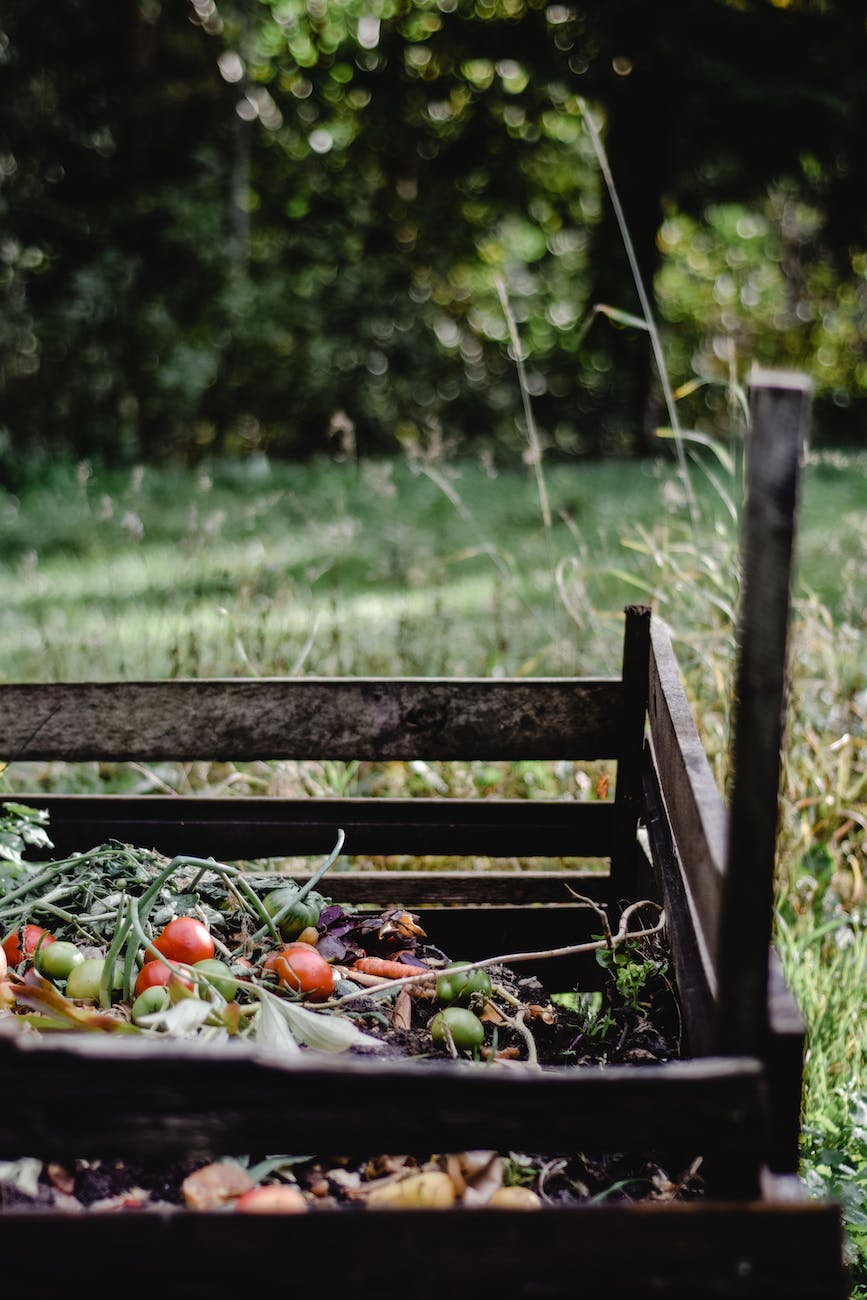
Many people are unaware that you can compost anywhere! That rhymes but it’s true. You don’t have to have a large outdoor space to begin composting. There are now composting systems you can keep in your home or even garage and because of this there are thousands more people living a little more sustainable by composting! There is however one common question amongst beginning composters and some more experienced. That question is ” Is mold good for compost?” A knee jerk reaction might be yes is fine but after doing some research you should be a little cautious when seeing mold in your compost bins. Let’s walk through some information about composting and dive into the role of mold in composting, its functions, benefits, potential drawbacks, and how to manage its presence in your compost pile.

Understanding the Basics of Composting:
The composting process will turn organic matter into a nutrient-rich fertilizer. The decomposition of organic materials is driven by a big community of microorganisms, including bacteria, fungi, and other beneficial organisms. These microorganisms work synergistically to break down complex organic compounds into simpler forms, releasing valuable nutrients and creating a humus-rich substance known as compost.
The Microbial Players in Compost:
Bacteria:
- Bacteria are the primary decomposers in the early stages of composting. They break down simple sugars and proteins, initiating the decomposition process.
Fungi:
- Fungi, including mold, play a crucial role in breaking down complex organic compounds such as lignin and cellulose. This contributes to the overall decomposition of tougher plant materials.
Actinomycetes:
- Actinomycetes are a type of bacteria that specialize in breaking down tough organic matter, such as woody materials. They give compost its earthy smell.
Protozoa and Nematodes:
- These organisms feed on bacteria and help regulate microbial populations in the compost pile.

Is Mold Good For Compost?
The Role of Mold in Composting:
Mold, a type of fungus, is one of the key players in the decomposition process within a compost pile. Mold contributes to the breakdown of complex organic compounds, transforming them into simpler substances that are more readily available to plants. Here are the roles that mold plays in composting:
Cellulose and Lignin Decomposition:
- Mold is particularly effective in breaking down tough components of plant material, such as cellulose and lignin. These complex compounds are abundant in materials like straw, leaves, and woody debris.
Accelerating Decomposition:
- Mold helps accelerate the decomposition of organic matter by producing enzymes that break down complex polymers into simpler compounds. This enzymatic activity is essential for the efficient breakdown of plant materials.
Humus Formation:
- As mold and other fungi break down organic matter, they contribute to the formation of humus, a stable and nutrient-rich component of compost. Humus improves soil structure, water retention, and nutrient availability for plants.
Fungal Networks (Mycorrhizae):
- Some fungi, including mycorrhizae, form beneficial relationships with plant roots. These fungal networks enhance nutrient uptake by plants, promoting healthier and more robust growth.

Benefits of Mold in Composting:
Nutrient Release:
- Mold contributes to the release of essential nutrients, including nitrogen, phosphorus, and potassium, from organic matter. These nutrients are vital for plant growth and development.
Soil Conditioning:
- The activities of mold contribute to the creation of well-structured and fertile soil. Compost enriched with mold enhances soil aeration, water retention, and drainage.
Disease Suppression:
- Some molds and fungi in compost have been shown to suppress soil-borne diseases. These beneficial microorganisms can create an environment that is less conducive to the growth of harmful pathogens.
Enhanced Plant Growth:
- The mycorrhizal associations formed by certain fungi, including mold, can improve plant nutrient uptake and overall health, leading to increased plant productivity.

Potential Drawbacks and Concerns:
While moldy compost is generally not a huge problem in composting, certain conditions or practices may lead to concerns.
Potential drawbacks and considerations:
Excessive Moisture:
- Mold thrives in moist conditions. If a compost pile becomes excessively wet, it can encourage the growth of mold and other fungi. This may lead to anaerobic conditions and unpleasant odors.
Imbalance in Materials:
- An imbalance in the carbon-to-nitrogen ratio (C: N) can affect the efficiency of composting. Too much carbon-rich material (browns) and insufficient nitrogen-rich material (greens) may slow down decomposition and lead to an abundance of molds that favor carbon-rich sources.
Anaerobic Conditions:
- Mold and other fungi prefer aerobic (oxygen-rich) conditions. Poor aeration in the compost pile, especially in the center, may lead to anaerobic conditions, where harmful bacteria thrive, producing unpleasant odors.
Pathogenic Molds:
- In rare cases, pathogenic molds that can cause health issues in humans may be present in compost. Adequate composting, with proper temperature and turning, can minimize the risk of harmful mold growth.

Managing Mold in Composting:
Optimal Moisture Levels:
- Maintain proper moisture levels in the compost pile. The material should be as damp as a wrung-out sponge, ensuring a balance between moisture and aeration.
Carbon-to-Nitrogen Ratio:
- Strive for a balanced carbon-to-nitrogen ratio in the compost pile. This typically means including a mix of green materials (nitrogen-rich) and brown materials (carbon-rich).
Adequate Aeration:
- Turn the compost regularly to ensure proper aeration and prevent the development of anaerobic conditions. This also helps distribute mold and fungal activity throughout the pile.
Proper Size and Location:
- Aim for a compost pile that is large enough to generate heat but not so large that it becomes compacted. Choose a location with good drainage to avoid waterlogging.
Monitoring Temperature:
- Monitor the temperature of the compost pile. A well-functioning compost pile will generate heat, which is beneficial for breaking down organic matter and reducing the presence of harmful microorganisms.
Avoiding Diseased Plant Material:
- Avoid composting diseased plant material to minimize the risk of spreading pathogens, including harmful molds.
In the world of composting, mold plays a crucial role in breaking down complex organic compounds, contributing to the creation of nutrient-rich humus that benefits plant growth.
While mold is generally a friend in composting, it’s essential to manage its presence by maintaining optimal conditions, balancing compost ingredients, and practicing proper composting techniques.

Do I need to worry about mold spreading in my compost bin?
Mold spores in compost can spread through various ways, both actively and passively:
Active Spread:
- Wind: Spores are incredibly lightweight and can travel long distances on wind currents, easily landing in new areas of your compost pile.
- Water: Spores can hitch a ride on water droplets, dispersing through the compost during watering or rainfall.
- Animals: Insects, birds, and other animals can pick up and carry spores on their bodies to other locations.
- Human activity: Turning the compost pile can release spores into the air, increasing their spread.
Passive Spread:
- Direct contact: Spores can stick to tools, clothing, or even your hands and be transferred to other surfaces.
- Contaminated materials: Adding materials already harboring mold spores to your compost can introduce new colonies.
- Airborne spores: Spores are constantly present in the air and can settle on your compost pile naturally.
Factors influencing spread:
- Moisture: Mold thrives in moist environments, so overwatering your compost can encourage spore dispersal.
- Temperature: Warm temperatures (around 70-80°F) favor mold growth and spore production.
- Lack of aeration: Poor airflow within the pile can create ideal conditions for mold growth and spore buildup.
- Organic matter composition: Certain types of organic materials, like sugary fruits or starches, can provide extra fuel for mold growth and spore production.
Minimizing mold spread:
- Maintain proper moisture: Aim for a damp but not soggy consistency.
- Ensure good aeration: Turn your compost pile regularly to allow air circulation.
- Balance your materials: Mix green (nitrogen-rich) and brown (carbon-rich) materials in a 3:1 ratio.
- Avoid adding moldy food scraps: Some molds can be harmful and contaminate your compost.
- Use clean tools and equipment: Wash your tools and gloves after handling compost to prevent cross-contamination.
- Monitor your compost: Regularly check for signs of mold growth and address them promptly.
Remember, while mold is a natural part of the composting process, excessive growth can negatively impact your final product and potentially pose health risks.

Can you put moldy food in your Compost?
Whether you can put moldy food in your compost bin depends on several factors, including the type of mold, the type of food, and your composting method.
Generally Okay:
- Moldy fruits and vegetables: The molds found on most fruits and vegetables are harmless and actually contribute to the decomposition process. You can chop them up and add them to your compost bin.
- Small amounts of moldy bread: If the mold is just a small spot, you can cut it off and add the rest of the bread to your compost. However, avoid bread with extensive mold growth.
Use Caution:
- Moldy dairy products, moldy meats, or eggs: These foods can attract pests and harbor harmful bacteria, so it’s best to avoid adding them to your compost bin.
- Moldy fruit with a strong smell: This could indicate a type of mold that produces toxins, so it’s best to err on the side of caution and discard it.
- Mold on bread with penicillin-like antibiotics: If you’re unsure about the type of mold, it’s best not to risk it.
Additional Tips:
- If you’re concerned about the mold, you can bury it deep in your compost pile.
- For worm bins, avoid adding moldy food altogether, as some types can harm the worms.
- Always follow good hygiene practices when handling moldy food, such as wearing gloves and washing your hands afterward.
Ultimately, it’s up to you to decide whether or not to compost mold. If you’re unsure, it’s always best to err on the side of caution and throw it away. Remember, the goal of composting is to create healthy, nutritious material for your garden, so it’s not worth taking any risks.

What do Mold Colors Mean?
While the color of mold can offer some clues about what types of mold they are, it’s not always a reliable indicator and shouldn’t be the sole basis for identification. Remember finding mold in your compost isn’t always bad but be cautious especially if you have an indoor compost bin.
Similar Colors, Different Molds:
- Black mold: This notorious type isn’t always black! It can also appear green, gray, or white. Conversely, other harmless molds can exhibit similar dark shades.
- Green mold: This broad category encompasses countless mold species, some harmful, and some beneficial. Green Penicillium, for example, was used to develop penicillin.
Changing Colors:
- Molds often change color as they mature or adapt to environmental conditions like light and humidity. This makes pinpointing the type based solely on color unreliable.
Food Sources:
- The type of food source can influence mold color. For instance, pink mold often appears on strawberries due to specific pigments in the fruit.
However, color can offer some general indications:
- Black, green, or white mold: These are the most common mold colors and can belong to various harmless or harmful types.
- Yellow, orange, or red: These colors may indicate Cladosporium, a common mold found on damp surfaces and decaying organic matter.
- Pink, purple, or gray: These colors are less common and may suggest specific types like Fusarium or Trichoderma.
Therefore, it’s crucial to consider other factors for identification:
- Texture: Is it fuzzy, powdery, slimy, or wrinkled?
- Odor: Does it have a musty, earthy, or sour smell?
- Growth pattern: Does it spread in patches, lines, or blobs?

5 Ways to Compost
There are many different ways you can compost and it all depends on several factors, including your available space, time commitment, desired pace, and budget. Lets break down some of the different ways you can compost.
Basic Types:
- Pile/Windrow Composting: This is the traditional method, where you create a pile of organic materials in a designated area ( compost heap), allowing it to decompose naturally with occasional turning. Variations include:
- Hot Composting: This involves maintaining a high temperature (around 130-160°F) for faster decomposition, requiring more frequent turning and attention.
- Cold Composting: This method decomposes slower at lower temperatures (around 50-100°F), needing minimal turning and attention but taking longer to produce usable compost.
- Sheet Composting: Layering organic materials directly on top of your garden soil, letting it decompose and enrich the soil over time.
- Bin Composting: This involves using a container to hold your compost pile, offering various benefits like odor control and easier management. Variations include:
- Stationary Bins: These can be simple wooden or plastic bins with aeration holes or more complex designs like multi-chambered bins for different stages of decomposition.
- Tumbling Bins: These rotating bins allow for easier aeration and mixing, often leading to faster composting.
- Indoor Bins: Smaller bins suitable for kitchen scraps, often employing vermicomposting (see below).
- Vermicomposting: This involves using composting worms (usually red wigglers) in a worm bin to break down organic materials. This method is efficient, generates worm castings (highly nutritious fertilizer), and doesn’t require turning.
Additional Options:
- Bokashi Composting: This method uses fermented bran (Bokashi Bran) to accelerate decomposition and suppress odor. A Bokashi Bin works great in small spaces.
- Electric Composting Bins: These automated bins use heat and agitation to quickly compost food scraps and other materials.
The best way for you to compost depends on your specific needs, space and preferences.

What can you Put in your compost and what you can’t!
Green Goodies (Nitrogen-rich):
- Food Waste like Fruit and vegetable scraps: peels, cores, rinds (except citrus), spent coffee grounds and tea leaves, eggshells (crushed), and leafy greens.
- Grass clippings: fresh and green (avoid diseased or weed-infested).
- Green leaves: fallen leaves, green hedge trimmings, leafy green vegetables.
Brown Bounties (Carbon-rich):
- Dry leaves: shredded or chopped.
- Cardboard: uncoated and shredded (avoid glossy paper).
- Twigs and branches: small and chopped (avoid diseased or thorny).
- Sawdust: untreated and from non-toxic wood.
- Paper products: newspaper, paper bags, paper towels (shredded and unbleached).
Bonus Boosters:
- Coffee filters: unbleached and compostable.
- Tea bags: paper bags only, no staples.
- Hair and fur: in small amounts.
- Vacuum cleaner dust: from natural fibers only.
- Cork: Natural Cork only.
Don’t put in your bin
- Meat and dairy: attract pests and can have a bad smell.
- Grease and oil: can slow down decomposition and coat materials.
- Citrus peels: can inhibit plant growth.
- Diseased or weed-infested plants: can spread unwanted pathogens.
- Pet waste: can introduce harmful parasites.
- Chemicals and paint: can contaminate your compost and harm plants.
- Plastic, metal, and glass: won’t decompose and can damage your bin.
Remember:
- Balance is key! Aim for a 3:1 ratio of brown to green materials for optimal decomposition.
- Chop it up! Smaller pieces decompose faster.
- Keep it moist, not soggy! Add water if the pile feels dry.
- Aerate occasionally! Turn the pile or use a tool to mix it up.
- Be patient! Compost takes time to cook up, typically 3-6 months depending on conditions.
Now that you have learned that mold isn’t always a bad thing when it comes to composting don’t freak out if you see it. Continue caring for your compost pile or bin like usual. If you see an excessive amount of mold growing then I would step in and see what’s going on. Reassess the type of material you are adding to your bin and make sure you are turning your compost pile regularly so that it gets enough oxygen to aid in the process of decomposition.
Happy Composting!

Nestera Chicken Coop

Park Seed
Garden Tower Project
Vego Garden Beds

Botanical Interests
Amazon Favorites!

Hoselink
Web Stories


